
Reviewed · NATIONAL GALLERY AND TATE TOURS
Tate Britain London: Private Guided Tour – 3 Hour
Tate Britain makes much more sense when someone helps you connect the paintings to Britain’s rulers, writers, wars, social changes, and shifting ideas about art. This private three-hour tour moves from the 16th century into modern times, with artists such as Turner, Blake, Millais, Bacon, Freud, Moore, and Hockney in the mix.
I like the small private group, which lets you ask questions and set the pace. I also like the chance to request particular interests, especially if you want extra time with Turner or prefer a broad look at British art. The main consideration is that temporary exhibitions cost extra, and the tour is conducted in English only.
The guide meets you at the front entrance overlooking the River Thames, carrying a card with your name. Robert Miller has led the tour for several recent bookings, and his clear explanations, thoughtful opinions, and special enthusiasm for Turner have made a strong impression.
Key points to know before booking
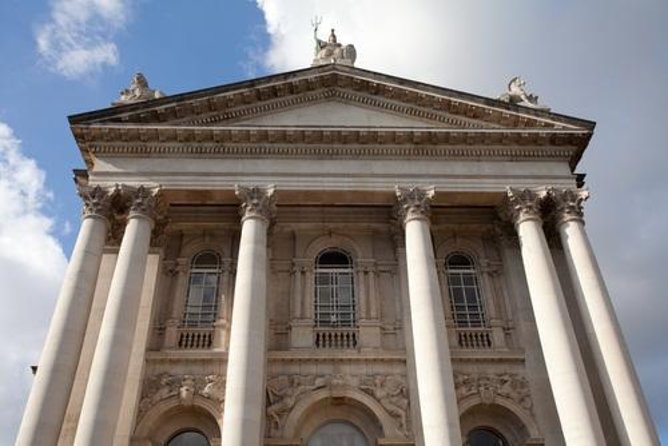
- Three hours with a private guide: You get a bespoke tour for up to five people, not a large group moving on a fixed script.
- A broad sweep of British art: The route can include works from the 16th century through contemporary art, with artists such as Rubens, Van Dyck, Gainsborough, Turner, Sargent, Bacon, Freud, and Hockney.
- Robert Miller may be your guide: He is praised for lively explanations, strong art-historical context, and a particular love of the Turner collection.
- Your questions shape the visit: You can ask to slow down, change focus, or spend more time on an artist or period that interests you.
- $263 covers up to five people: At the maximum group size, that works out to about $52.60 per person for three hours of private guiding.
- Temporary exhibitions are separate: The tour covers the main collection, while special exhibitions require their own tickets at an additional cost.
Meeting Tate Britain beside the Thames
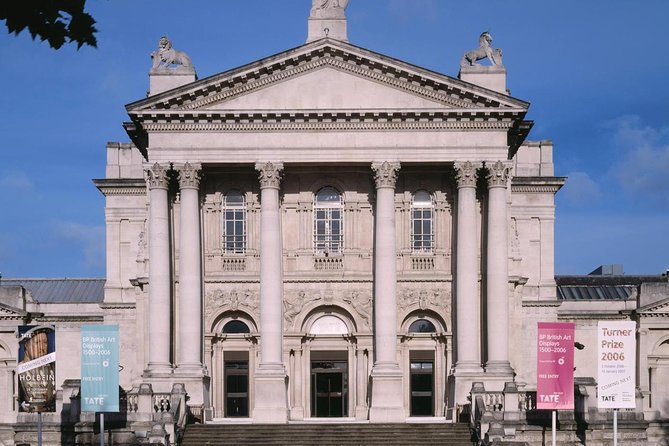
Your tour begins at Tate Britain’s front entrance overlooking the River Thames. Look for a guide carrying a card with your name, a simple arrangement that should make the first meeting easy.
The riverside setting is useful for more than orientation. Tate Britain is part of London’s long cultural story, and beginning beside the Thames gives the visit a sense of place before you enter the galleries. You are not simply arriving at a room full of paintings. You are entering a major British art collection in a city shaped by the river, empire, industry, politics, and changing public taste.
The meeting point does require attention. Tate Britain and Tate Modern are different museums, so check your route carefully before setting out. The supplied details identify the venue as Tate Britain and the meeting point as its front entrance, not the National Gallery in Trafalgar Square.
The tour is wheelchair accessible. It is not suitable for people with visual or hearing impairments, and the guide speaks English. Those limits matter when you are deciding if this format will work for everyone in your group.
More National Gallery and Tate Tours:
- London: National Gallery Guided Tour with Art Expert Guide
★ 4.7 · 440 reviews - National Gallery of London Museum Tour Semi-Private 8ppl Max
★ 5.0 · 178 reviews - British Museum & National Gallery of London Semi-Private 8ppl Max
★ 5.0 · 168 reviews
How the private three-hour format works
The most useful feature here is control. You have a private group of up to five people, so the guide can adjust the conversation instead of trying to keep a large crowd together.
A three-hour museum visit can easily become tiring, especially when every room offers something worth stopping for. A good guide helps you choose. You might move quickly through works that matter less to you, then pause when a painting raises a question or connects with your interests.
You can also ask for a particular emphasis. The tour may focus on British portraiture, the development of modern art, Turner’s work, or a wide survey from older paintings to contemporary pieces. The exact path is not listed as a fixed sequence, so you should tell the guide what you hope to see before or at the start of the visit.
That flexibility is valuable for mixed groups. One person may want technique, another may care about history, and someone else may simply want to see the famous works. A private guide can usually shift between these needs more easily than an audio guide or large scheduled tour.
The drawback is that a private tour can only cover so much in three hours. Tate Britain holds more than any single visit can absorb. If you want a slow, detailed study of many paintings, you may need to return on your own after the tour.
From Rubens and Van Dyck to grand British portraits
The tour can begin with works from the 16th century and continue through later British painting. Artists named for the route include Rubens, Van Dyck, Lely, Kneller, Hogarth, Canaletto, Reynolds, and Gainsborough.
This early section gives you a useful framework. You can see how portraiture served power, status, and public image, then follow the changes in taste as British artists developed their own subjects and styles. The guide’s role is not just to identify the painter. It is to explain what the work was doing in its time.
Paintings by Van Dyck, Lely, and Kneller can open a discussion about court portraits and the way appearance helped shape authority. Reynolds and Gainsborough lead toward the great age of British portraiture, while Hogarth brings sharper social observation and storytelling.
You may also encounter Canaletto, whose city views offer a different kind of pleasure. Instead of concentrating only on faces or dramatic scenes, you can look at how buildings, streets, and daily life are arranged for the viewer.
This is where an art historian adds real value. A label may give you a name and date, but a guide can point out why a pose matters, how clothing signals rank, or how a painting reflects a changing society. You do not need a background in art to follow the tour.
Turner is the likely highlight
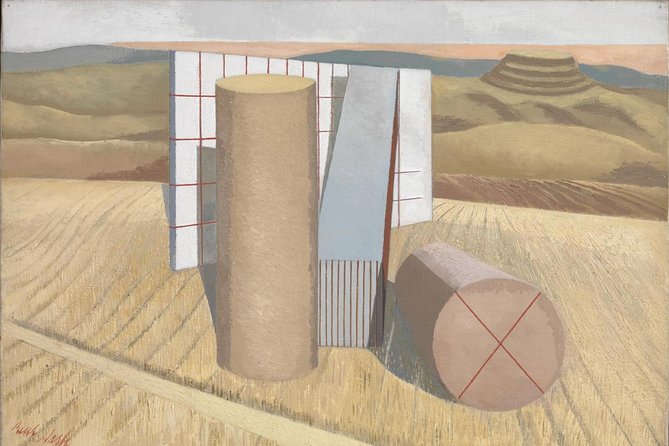
The Turner collection receives special attention from the guide, and it is easy to see why. Turner’s paintings can look immediately beautiful, but they reward a closer look at light, weather, movement, color, and the boundary between recognizable scenery and abstraction.
Robert Miller is especially enthusiastic about Turner, so tell him if this is a priority for you. A private explanation can help you spend time with the paintings instead of simply passing through them as famous names on a museum checklist.
Turner also provides a bridge between older British art and modern painting. You can consider how a painter rooted in landscape and observation pushed toward effects that later artists would take even further. The tour’s value lies in making that connection clear without asking you to study art theory beforehand.
The practical point is simple: if Turner is your main reason for visiting, say so early. The collection includes many important artists, and a broad three-hour route could otherwise distribute your time across several periods.
More 3-Hour Experiences:
- Westminster 3 Hour Walking Tour and Visit of Churchill War Rooms
★ 5.0 · 967 reviews - Highlights of Royal London Bike Tour (3 Hours)
★ 4.8 · 140 reviews - London: 3-Hour Secret Indian Food Tour
★ 4.8 · 91 reviews - London: 3-Hour Sunset Bike Tour
★ 4.7 · 77 reviews
Blake, Millais, Sargent, and the stories behind the pictures
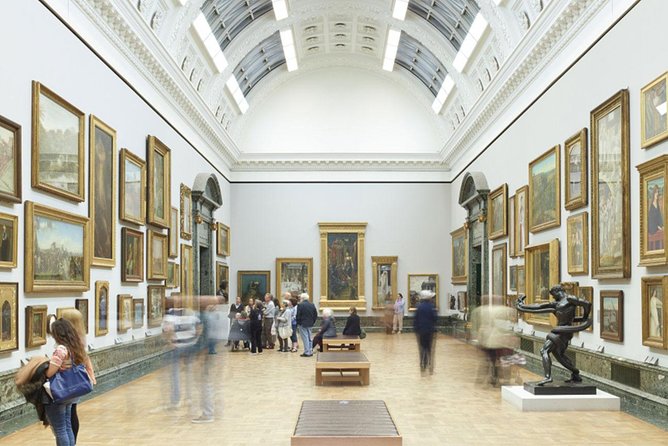
The tour can also include William Blake, John Everett Millais, and John Singer Sargent. Their work offers a different set of questions from the formal portraits and Turner’s atmospheric paintings.
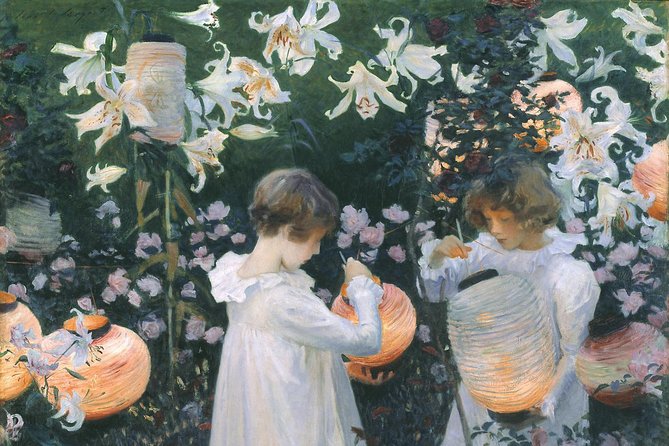
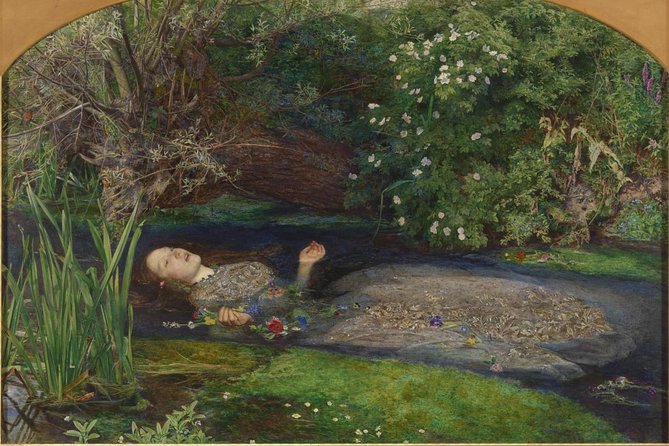
Blake brings poetry, symbolism, and personal vision into the conversation. Millais can lead you toward the detailed, dramatic qualities associated with British nineteenth-century painting. Sargent offers a chance to consider portrait skill, social performance, and the polished surface expected by patrons.
The guide’s commentary is meant to connect art with Britain’s wider history and culture. That may mean discussing literary influences, social class, public taste, or the way artists responded to older traditions. You are not only looking at objects. You are learning how British identity has been pictured and questioned over time.
This section may be especially useful if your group includes someone who thinks museums are hard to read. A thoughtful story gives you something to hold onto. You can then look again and notice details that might have slipped past you.
Modern and contemporary British art
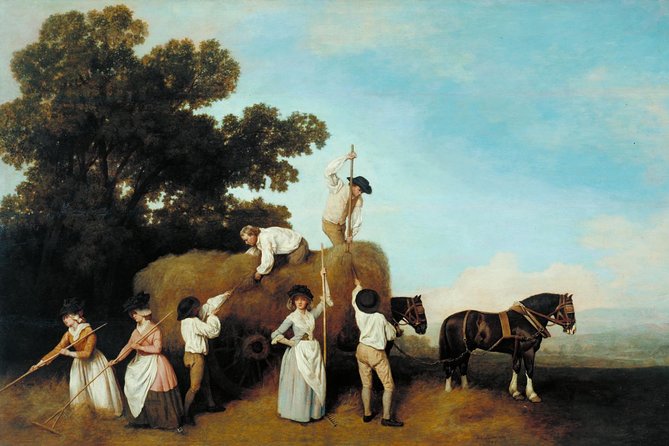
Later parts of the tour may include Bomberg, Francis Bacon, Lucian Freud, Jacob Epstein, Henry Moore, and David Hockney. The shift from traditional representation to modern and contemporary work can be striking.
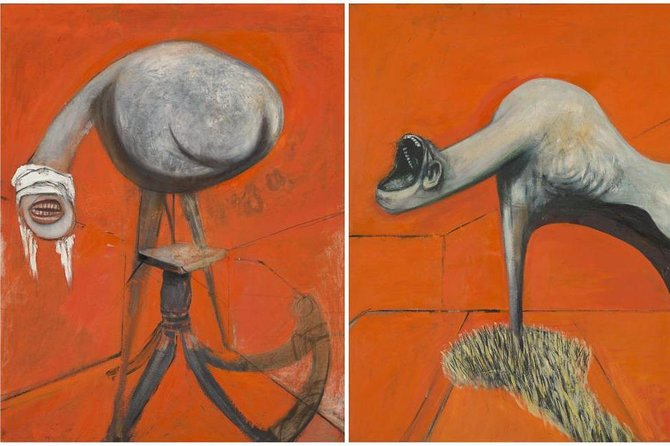
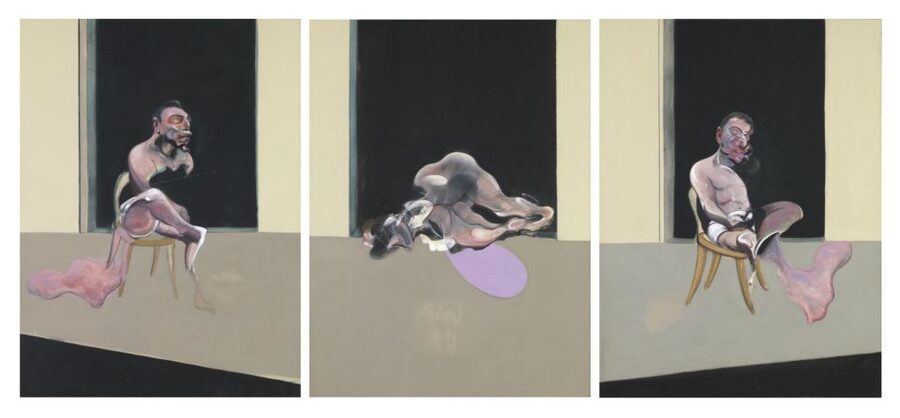
Bacon and Freud raise questions about the body, identity, and psychological intensity. Epstein and Moore offer a route into sculpture and the changing treatment of the human form. Hockney shows how British art continued to change in the late 20th century.
This is also where a guide can prevent the visit from feeling like a series of disconnected styles. Instead of asking only if you like a work, you can consider what the artist is trying to do, what earlier conventions have been rejected, and how the work reflects its period.
Some visitors prefer older paintings and may find the modern rooms less immediately approachable. That is one reason the private format helps. You can ask for context, admit that a work puzzles you, or spend less time in a section that does not suit your group.
Do not expect the tour to cover every named artist in equal detail. The list is broad, and the real experience will depend on the guide’s choices and your interests.
What Robert Miller adds to the visit
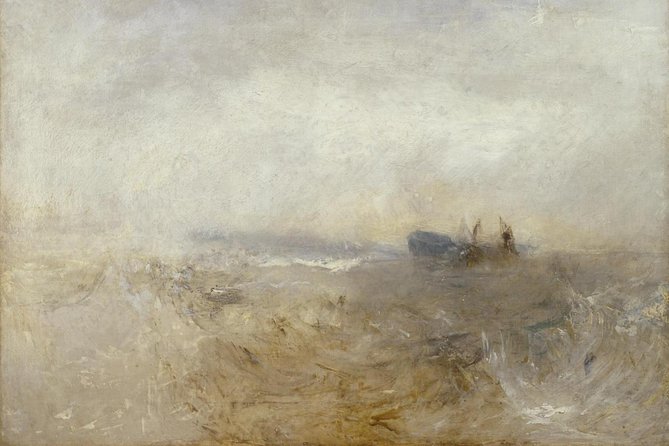
Robert Miller is the guide specifically named in the recent booking feedback, and his approach sounds well suited to this museum. He is praised for clear communication, thoughtful views, and strong command of art history.
One useful detail is that people nearby have sometimes slowed down to listen to his explanations. That suggests a style that is easy to follow in a public gallery, rather than a private lecture packed with technical terms.
You should still treat the guide as an interpreter, not an unquestionable authority. Art invites different readings, and the best part of a private tour is being able to ask why a particular interpretation makes sense. The reports of thought-provoking views suggest that Robert does more than recite dates and names.
He has also helped a group find the Tube station afterward. That is a small courtesy, but it matters at the end of three hours, when you may want a quick, practical answer rather than another navigation puzzle.
ArtGuides is the London-based provider. The stated aim is to make the visit informative and enjoyable, with tours shaped around different clients. Since the guide and exact route can vary, ask at the beginning how the three hours will be divided.
Is $263 good value for five people?
The price is $263 per private group of up to five people. If five people join, the cost works out to about $52.60 each for three hours. For two people, it is about $131.50 each, so the value becomes much stronger as your group gets larger.
You are paying for personal attention, a planned route, and the freedom to ask questions. That can be worthwhile if you have limited time in London or if a large national collection feels overwhelming. A guide can help you avoid wandering without direction and can turn familiar names into understandable works.
The price is less attractive if you are happy to explore alone, already know the collection well, or only want to see one temporary exhibition. Special exhibitions are not included, and their tickets cost extra.
For a family or group of friends, the private arrangement makes better financial sense. It also avoids the compromise of joining a tour built for strangers with different interests. If you are traveling alone, the cost is harder to justify unless guided interpretation is central to your visit.
Practical details that affect your choice
The tour lasts about three hours, with starting times subject to availability. You should check the time before making other London plans, since the museum visit is long enough to shape a morning or afternoon.
The tour is available in English and is offered as a private group experience. Cancellation is free up to 24 hours in advance, and you can reserve now and pay later, which gives you some flexibility while arranging a London itinerary.
Wheelchair users can take part. The experience is not designed for people with visual or hearing impairments, so contact the provider before booking if someone in your group needs support beyond the stated arrangement.
Wear comfortable shoes and keep your schedule sensible. Three hours in a museum involves a lot of standing and walking, even when the pace is relaxed. You may want to leave time afterward for a meal, another nearby sight, or a return visit to works that caught your attention.
Who should book this Tate Britain tour?
I would choose this tour if you have only one serious museum visit in London and want more than a quick look at famous paintings. It suits couples, families, and small groups who enjoy asking questions and want the freedom to follow their own interests.
It is also a strong pick for anyone who feels unsure about British art. The route reaches from older court portraits to modern and contemporary work, and the guide can explain the links between periods without assuming prior study.
Turner fans should give it special consideration, particularly if Robert Miller is available. His enthusiasm for the Turner collection is a useful match for anyone who wants more than a passing visit to those works.
I would skip it if you prefer complete independence, need a tour in another language, or mainly want a temporary exhibition. You should also think twice if your group includes someone with a visual or hearing impairment, since the stated format is not suitable for those needs.
If you can gather four or five people, the cost becomes much easier to defend. You get three hours, an expert English-speaking guide, a flexible route, and a chance to ask the questions that a label cannot answer. For a first visit to Tate Britain, that is a practical way to make the collection feel less like a long list of names and more like a connected story of British art.
FAQ
How long does the Tate Britain private tour last?
The tour lasts about three hours. Starting times depend on availability.
How many people can join the private tour?
The tour is for a private group of up to five people.
Who may lead the tour?
Robert Miller is the guide named in the available tour information. The experience is provided by ArtGuides.
What artists might I see?
The tour can include artists from the 16th century through contemporary art, including Rubens, Van Dyck, Lely, Kneller, Hogarth, Canaletto, Reynolds, Gainsborough, Turner, Sargent, Millais, Blake, Bomberg, Bacon, Freud, Epstein, Hockney, and Moore.
Are temporary exhibitions included?
No. Temporary exhibitions require pre-booked tickets at an additional cost.
Is the tour wheelchair accessible?
Yes, the tour is wheelchair accessible. It is not suitable for people with visual or hearing impairments.
Just added around London
- Private Chauffeur-London Heathrow from/to Southampton Cruise Port★ 5.0 · 9 reviews
- Kensington Palace VIP Garden Tour with Royal High Tea★ 4.5 · 71 reviews
- Up at The O2:Twilight Climb with Guided Tour with Panoramic Views★ 5.0 · 50 reviews
- Up at The O2: Sunset Climb with Guided Tour with Panoramic Views★ 5.0 · 110 reviews
- Secrets of the London Underground Small Group Walking Tour★ 4.5 · 38 reviews
- Urban Canvas: Exploring Shoreditch’s Vibrant Street Art★ 5.0 · 36 reviews
- Ultimate introduction to photography in Central London★ 5.0 · 19 reviews
- Full-Day Self-Guided Paris Tour from London by Eurostar with Seine River Cruise★ 3.5 · 22 reviews
National Gallery and Tate Tours, compared.
National Gallery Guided Tour with Art Expert Guide
Read our review →
National Gallery of London Museum Tour Semi-Private 8ppl Max
Read our review →
British Museum & National Gallery of London Semi-Private 8ppl Max
Read our review →
Official National Gallery Highlights Guided Tour
Read our review →
The National Gallery of London – Exclusive Guided Museum Tour
Read our review →
Browse the lists this tour appears in