
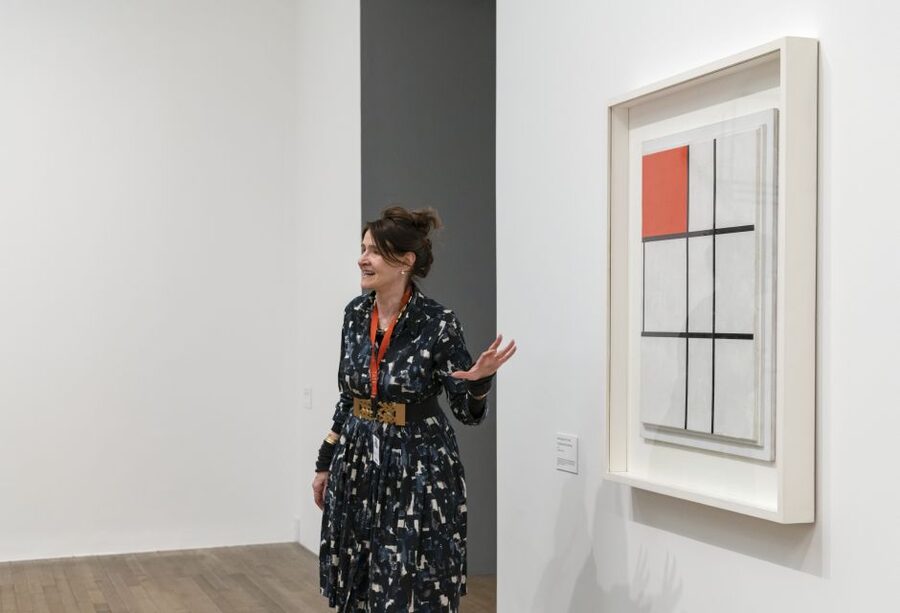
Reviewed · NATIONAL GALLERY AND TATE TOURS
London: Tate Modern Official Guided Tour
Tate Modern makes modern art easier to face, especially when a guide helps you sort the brilliant from the baffling. In one hour, you move through selected paintings, sculptures, and installations while learning how the art, the building, and the museum’s past fit together. Guides such as George and Maurizio have been praised for making difficult ideas clear.
I like the focused one-hour format, which gives you a useful first look without swallowing half your day. I also like the way the tour brings together art and architecture, so you learn about the gallery as a place, not just the objects on its walls. The catch is simple: one hour is not enough for all of Tate Modern, and several visitors wished the tour lasted longer.
Key points
- Meet in the Turbine Hall: Find the ticket desk on Level 0 and use the Turbine Hall entrance.
- See a selected range of works: The tour covers famous paintings, sculptures, installations, and other major pieces.
- Get context fast: Your guide explains artists, styles, historical periods, and the museum building.
- Ask questions as you go: Guides are prepared to explain works in plain language and respond to your interests.
- Plan around a strict start: Late arrivals cannot join the tour, and entrance bags are searched.
- Pay $26 for a compact introduction: The price makes the most sense if you want help getting oriented before exploring alone.
A smart first hour inside Tate Modern
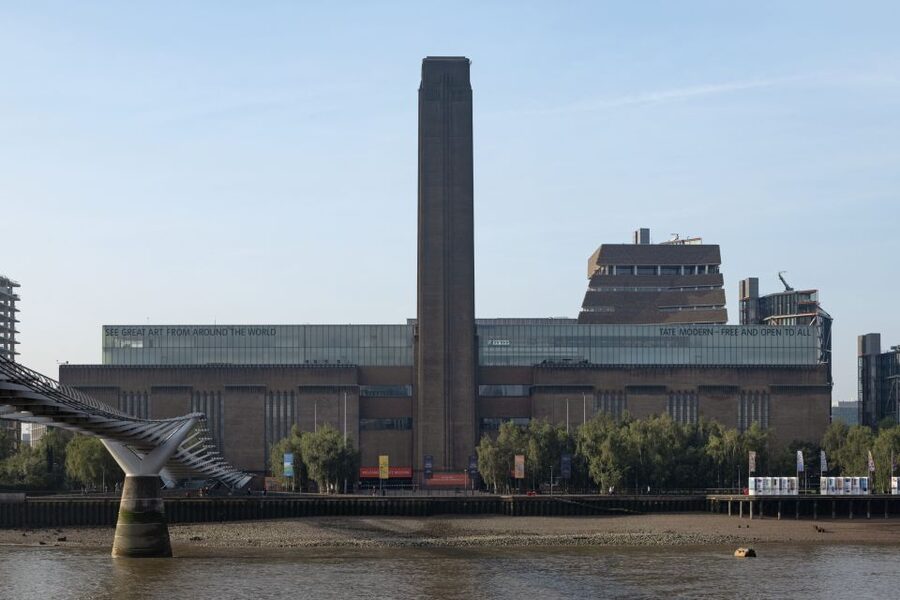
Tate Modern can feel like several museums in one. It holds art from the early 1900s through the present day, with famous names, unfamiliar artists, giant installations, quiet paintings, and objects that may leave you wondering what you are looking at.
That is where this official tour earns its keep. Instead of wandering from room to room and hoping the wall labels explain everything, you follow a guide through a selected group of works. The guide supplies the missing links: what an artist was trying to do, what period shaped the work, and how your own response fits into the picture.
The tour is not designed to show every gallery. It gives you a working map of modern art and enough background to continue on your own. That distinction matters. If you want a full museum visit, keep extra time after the tour. If you have only a short opening in your London schedule, this is a useful way to make that hour count.
More National Gallery and Tate Tours:
- London: National Gallery Guided Tour with Art Expert Guide
★ 4.7 · 440 reviews - National Gallery of London Museum Tour Semi-Private 8ppl Max
★ 5.0 · 178 reviews - British Museum & National Gallery of London Semi-Private 8ppl Max
★ 5.0 · 168 reviews
Starting at the Turbine Hall on Level 0
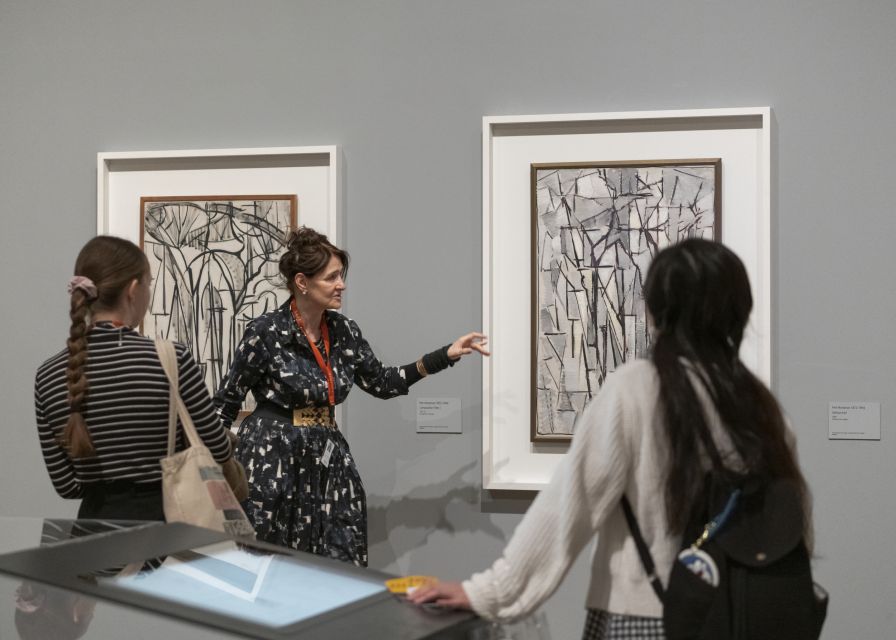
Your meeting point is the ticket desk in the Turbine Hall, Level 0. Use the entrance marked for the Turbine Hall and follow the museum signs. This is the detail to get right before you arrive, since Tate Modern is a large building and a last-minute search for the meeting place can cost you valuable time.
Allow time for the bag search at the entrance. The tour has a firm starting time, and late arrivals cannot join, so arriving early is not just a nice idea. It is part of the practical plan.
The Turbine Hall also gives the tour a fitting start. The space is one of Tate Modern’s most recognizable architectural features, and the building itself is part of the experience. You are not entering a neutral white box. The gallery occupies a former power station, and the scale and industrial feel help explain why architecture comes up during the walk.
The exact route and works can vary, so do not expect a fixed checklist of every famous Tate piece. Think of the opening as a meeting and orientation point, followed by a selected walk through the main collections.
How the one-hour route works
The tour moves through key parts of Tate Modern rather than attempting a room-by-room survey. You can expect a mix of paintings, sculptures, installations, and other works made by artists from around the world.
A good guide uses each object as a doorway into a bigger idea. One painting may introduce a new way of seeing color or form. A sculpture may raise questions about space and materials. An installation may make more sense once you know what the artist was responding to.
The value is in the connections. Modern art can look like a string of unrelated experiments when you see it without context. With a guide, you begin to see the shift from early modernism to later and current work. You also learn why a piece mattered when it was made, not just what it looks like now.
The short format requires choices. Your guide must balance major names with less familiar work, and no single tour can give every artist equal time. That can feel frustrating if one particular gallery interests you. On the other hand, the limits keep the visit moving and prevent you from getting stuck on one object while the rest of the museum waits.
Several guides have been praised for making this balance work. George has been described as clear and well prepared, while Maurizio has led a lively overview of important works in modern art. The experience depends partly on the person holding the tour, but the strongest reports point to guides who explain rather than lecture.
The art is easier when someone supplies the context
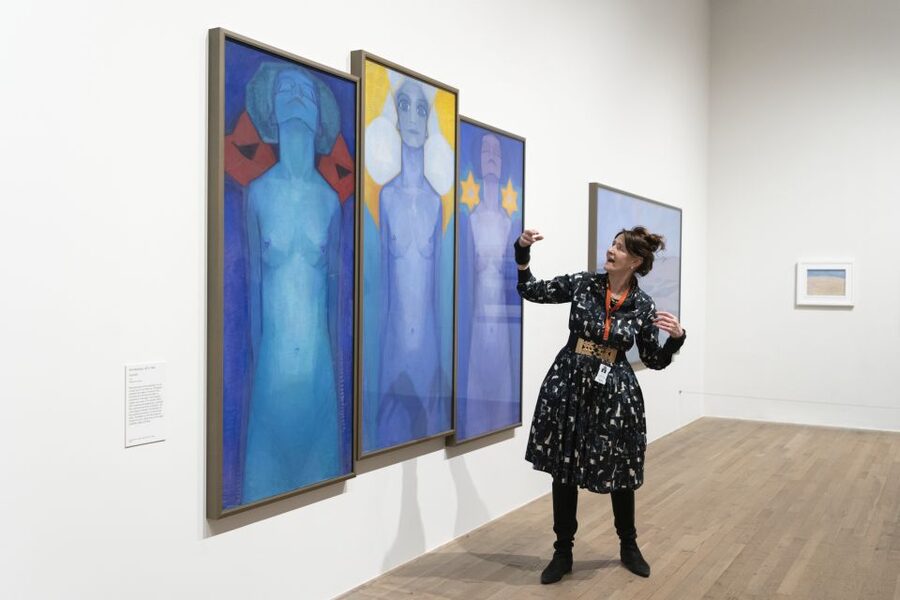
You do not need a degree in art history for this tour. In fact, it may be most useful if modern art usually leaves you uncertain.
The guide can explain the artist’s aims, the style being used, and the period behind the work. You are also encouraged to consider your own response. That is a better approach than treating art as a quiz where you must guess the one approved answer.
This matters at Tate Modern because the collection covers more than one style or generation. You may move from a work that rewards close looking to one that challenges your idea of what art can be. The guide’s job is not to make every piece likable. It is to give you enough information to form a more informed opinion.
I particularly like the way the tour can give you confidence for the rest of your museum visit. After an hour, you may not remember every artist or date, but you should have a clearer sense of how to approach the galleries. The guide can also point out details you might have passed without noticing, including choices of material, scale, composition, or placement.
Questions are welcome, and guides have been praised for giving clear answers. That makes the tour more useful than a speech delivered to a silent group. If a particular work puzzles you, ask. The answer may not turn it into your favorite object, but it can give you a better reason for its presence.
More Guided:
- Magical London: Harry Potter Guided Walking Tour
★ 4.7 · 22,044 reviews - London: Emirates Stadium Entry Ticket and Audio Guide
★ 4.7 · 5,513 reviews - Stonehenge, Windsor Castle and Bath Full Day Guided Tour
★ 4.5 · 5,346 reviews - London Jack the Ripper Guided Tour with Ripper-Vision
★ 4.5 · 4,840 reviews
Tate Modern’s architecture gets its own place in the story
The building is not a minor backdrop. The tour includes facts about the gallery’s architecture and history, which helps you understand why Tate Modern feels different from many traditional museums.
The former power-station setting gives the museum a strong sense of scale. Large public areas and the Turbine Hall create a dramatic contrast with the individual galleries. The building’s past also adds another layer to the visit: modern art is displayed in a place built for industry and later reshaped for culture.
This architectural angle is especially useful if you have already visited Tate Modern and felt you had seen only the art. A guide can help you notice how the building directs movement, frames large works, and changes the mood from one space to another.
Do not expect a dedicated architecture tour. The main purpose is still the collection. But the building details help turn a series of galleries into a coherent place, and they give you another way to remember the visit.
What makes the selected works worthwhile
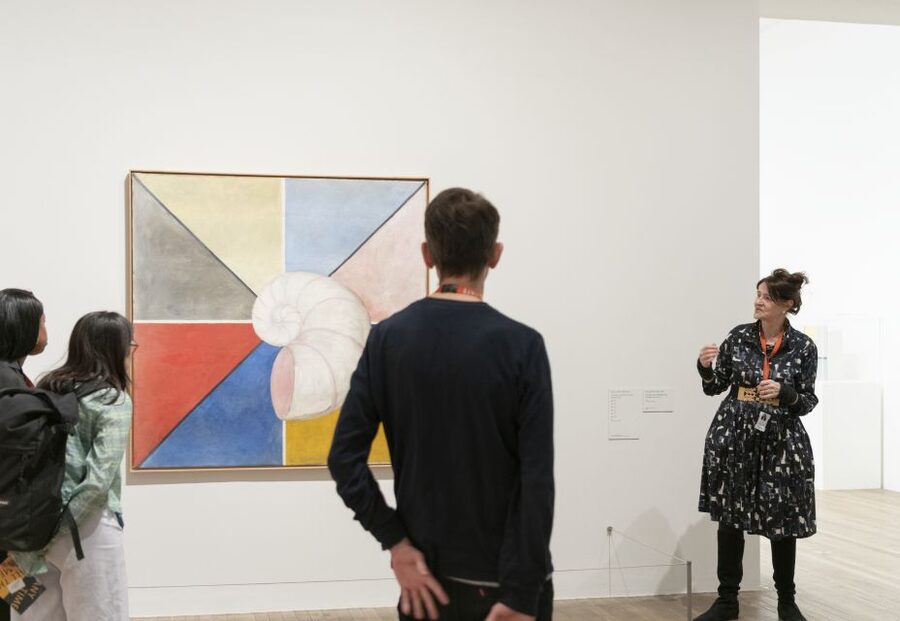
The tour focuses on must-see pieces and well-known artists, but the point is not simply to collect famous names. The guide uses selected works to show how modern and contemporary art developed across more than a hundred years.
Paintings may introduce changes in subject, color, or technique. Sculptures may show how artists began treating space and everyday materials in new ways. Installations can make you think about how an artwork occupies a room and how your body becomes part of the experience.
You may not see every iconic work associated with Tate Modern. That is an important expectation to set. The guide chooses a manageable group, and the selection may include a mixture of familiar and less familiar pieces.
This can be a strength. A list of famous objects alone would give you souvenirs for your memory but not much understanding. A varied selection lets you compare artists, periods, and approaches. You leave with a better idea of what to seek out when you continue independently.
The tour also gives you a social way to look at art. The guide may ask about your favorite works or invite you to consider your own reaction. That keeps the experience open. You do not have to pretend to understand everything, and you do not have to agree with the guide.
Is $26 good value for one hour?
The price is $26 per person. That is not the cheapest way to enter a museum, particularly if you are happy reading labels and exploring without help. The value comes from the guidance, not from extra access to the building.
For your money, you get an English-language official guide and a concentrated introduction to major works, artists, and the gallery’s architecture. If modern art feels hard to approach, that personal explanation can make the cost worthwhile. You are paying for a framework that may improve the rest of your visit.
The value is weaker if you already know Tate Modern well or want to spend your time on a small number of specific galleries. A self-guided visit gives you more freedom and no fixed pace. It also lets you linger with a favorite work instead of moving along with the group.
I would see the tour as an orientation purchase. Book it early in your visit, then use what you learn to explore more independently afterward. That approach makes the one-hour limit less of a problem.
The booking terms also help with planning. You can cancel up to 24 hours before the activity for a full refund, and you can reserve your place while paying later. Starting times vary, so check availability before building the rest of your day around it.
Who should book this Tate Modern tour?
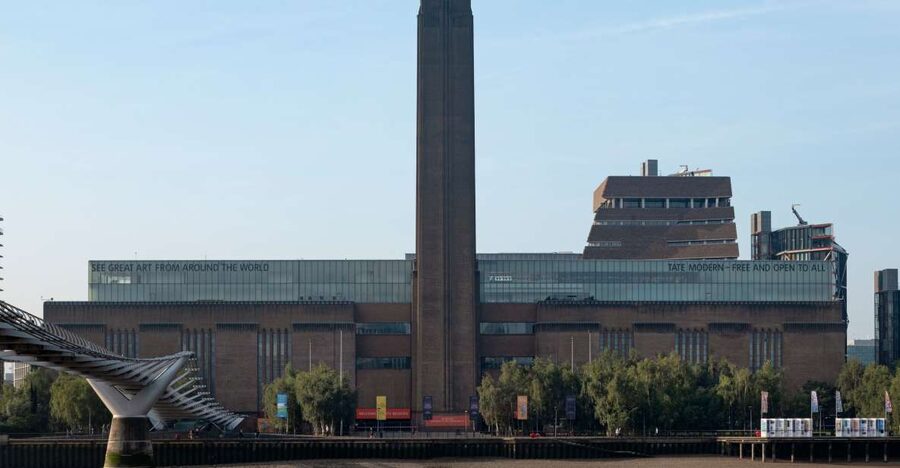
This tour suits a first-time visitor who wants a clear introduction without committing to a long art lecture. It is also a good fit if you are traveling with someone who likes modern art more than you do. The guide can give both of you a common starting point.
You should also consider it if you have visited Tate Modern before but always felt you were missing the bigger picture. One participant had been to the museum many times yet found a guided visit opened up new details and iconic works. That is a useful reminder that familiarity with the building does not guarantee understanding of the collection.
Art lovers will appreciate the chance to discuss artists and periods with a guide. People who are less certain about modern art may gain even more, since the tour shows how to look without demanding that you arrive with specialist knowledge.
Families and groups should note the pace. The tour lasts only an hour, which can be easier than a long museum program, but the fixed start and no-late-entry rule require good timing. Wheelchair access is available, making the experience practical for visitors who need an accessible route.
How to get the most from your hour
Arrive at the Turbine Hall entrance with enough time for the bag search and check-in. Go directly to the ticket desk on Level 0 rather than trying to meet the guide elsewhere in the building.
Keep your expectations focused. You will not cover the whole museum, and you may leave with a list of galleries you still want to see. That is a good result, not a failure.
Listen for the links between works. Pay attention to why a piece is included, how it relates to its period, and what the guide points out about the building. Those connections will help you continue alone after the tour ends.
If you have a favorite artist or a work that confuses you, ask about it when there is an opening. Guides have been praised for answering questions clearly and for inviting people to discuss their own favorites.
Finally, leave time after the tour. The hour is best used as a starting point. Once you have a basic sense of the collection, you can return to a work that caught your attention or explore a different section at your own speed.
Should you book it?
Book this tour if you want a compact, guided introduction to Tate Modern and prefer explanation over wandering. The strongest reason to go is the guide’s ability to connect art, artists, historical periods, and architecture in plain language.
Skip it if you already know the museum well, want complete freedom, or plan to spend a long time with just a few works. The one-hour length is the main limitation, and it cannot replace a full visit.
For most first-time visitors, $26 is fair value for a focused beginning. Treat it as your introduction to Tate Modern, not the entire museum, and the short format works in your favor.
FAQ
How long does the Tate Modern guided tour last?
The tour lasts one hour.
How much does the tour cost?
The price is $26 per person.
Where do I meet the guide?
Meet at the ticket desk in the Turbine Hall on Level 0. Use the Turbine Hall entrance and follow the museum signs.
What language is the tour in?
The live tour guide speaks English.
What does the tour include?
It includes a guided visit with an expert museum guide. The tour covers selected works from Tate Modern’s main collections, including paintings, sculptures, and other art, along with information about the gallery’s architecture and history.
Can I join if I arrive late?
No. Late arrivals cannot join the tour.
Is the tour wheelchair accessible?
Yes, the tour is wheelchair accessible.
Just added around London
- London: “Queen” Highlights Walking Tour★ 4.3 · 48 reviews
- Couple’s photo: Romantic photoshoot in London★ 4.8 · 22 reviews
- London: Private Tour with Locals – Highlights & Hidden Gems★ 5.0 · 8 reviews
- Luxury Private Tour in London with Lunch★ 5.0 · 7 reviews
- London 1- or 2-Hour Professional Photo Shoot★ 4.9 · 6 reviews
- London: Private Black Cab Night Tour with Hotel Pick Up★ 5.0 · 11 reviews
- London: Christmas Lights Tour – With Christmas Music★ 4.8 · 9 reviews
- London: Private Pub Tour★ 4.5 · 4 reviews
National Gallery and Tate Tours, compared.
National Gallery Guided Tour with Art Expert Guide
Read our review →
National Gallery of London Museum Tour Semi-Private 8ppl Max
Read our review →
British Museum & National Gallery of London Semi-Private 8ppl Max
Read our review →




Browse the lists this tour appears in