
Reviewed · CHURCHILL WAR ROOMS TOURS
London: Winston Churchill and London in WWII Walking Tour
London’s wartime story comes alive in the streets around Westminster, where Churchill’s government directed Britain’s war effort and ordinary people lived under threat from air raids. This tour links the Battle of Britain memorial, Big Ben, Westminster Abbey, Whitehall, Downing Street, the Cenotaph, and the Ministry of War through that difficult period.
I like the way the guides connect famous buildings with personal stories about pilots, politicians, and civilians. I also like the choice of a shared or private tour, plus the finish at Churchill’s War Rooms, where you can continue the subject underground at your own pace. The main drawback is that the walk can feel short for the amount of history packed into it, and some of the experience is listening rather than walking.
Key points to know before booking
- The RAF memorial sets the tone: Begin with the men and women who took part in the Battle of Britain.
- Westminster becomes the classroom: Big Ben, Parliament, the Abbey, Whitehall, and Downing Street all gain a WWII connection.
- Storytelling is the main event: Guides such as Nathan, Richard, Francis, Babs, and Rosie are praised for clear explanations, humor, and vivid anecdotes.
- Churchill’s War Rooms are not included: The walking tour ends outside, so you need a separate admission ticket to enter.
- The route is not a demanding hike: It covers a compact part of Westminster, though you need comfortable shoes and should not bring large luggage.
- The $39 price depends on what you want: It is fair for a strong guide and a focused introduction, but the short duration may feel costly if you expect a full museum visit.
Why wartime Westminster works so well
Westminster can feel like a parade of grand buildings and official monuments. A WWII-focused guide gives those places a human purpose. Parliament was not simply an impressive Gothic landmark. It was part of the machinery of government during a national emergency. Downing Street was not just the address of a prime minister. It was tied to Churchill’s leadership and the decisions made during the war.
That shift in viewpoint is the real value of the walk. You are not entering most of the buildings, so the tour does not offer an indoor museum experience. Instead, your guide uses the streets and facades as prompts for stories about British resolve, military pressure, political choices, and daily life.
The format also suits people who do not normally choose a military history tour. Several guides are praised for making the subject lively rather than academic. Nathan, in particular, is repeatedly described as a strong storyteller who could keep both adults and a 15-year-old interested. That matters in London, where a good guide can turn a familiar view into a place you remember.
More Churchill War Rooms Tours:
- Westminster 3 Hour Walking Tour and Visit of Churchill War Rooms
★ 5.0 · 967 reviews - WW2 London Walking Tour & Churchill War Rooms Entrance Ticket
★ 4.5 · 933 reviews - London: Westminster WW2 Tour & Churchill’s War Rooms Ticket
★ 4.5 · 925 reviews
Meeting at Westminster Station and the Battle of Britain memorial
The meeting point is beside the Boadicea and Her Daughters statue outside Westminster Station, Exit 2. Follow signs for Exit 2, Victoria Embankment, then take the stairs to street level. Look for the guide holding an Urban Saunters orange tour sign.
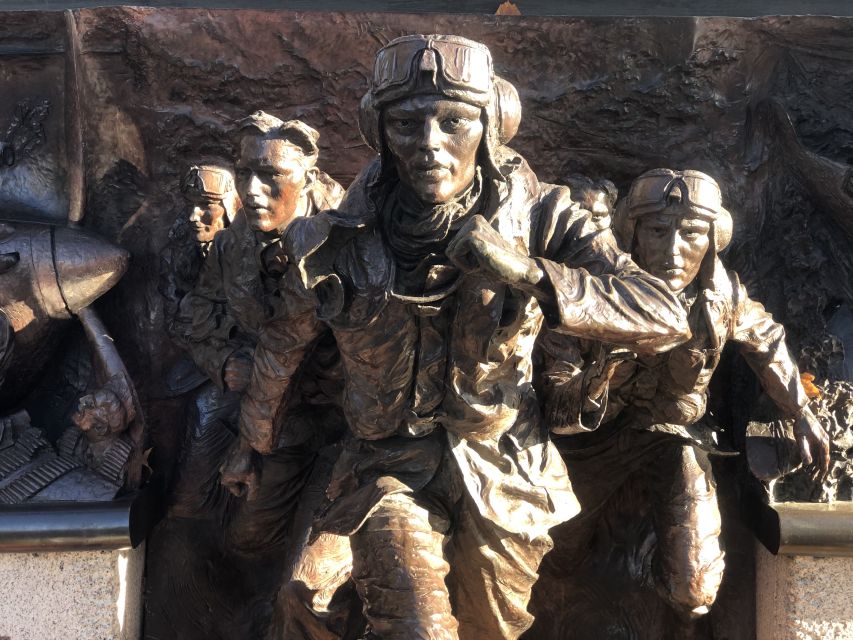
The tour information also identifies the Monument to the RAF as the opening point for the wartime story. After meeting your guide, you begin with the people who took part in the Battle of Britain. This is a useful starting point because it puts individual service members ahead of the famous Churchill image.
Expect the guide to explain how the area connects to the war and what life was like in London at the time. The strongest part of this opening is likely to be the human detail. Dalya specifically valued stories about pilots and anecdotes that do not appear in every standard account of WWII. That gives you a sense of the tour’s approach: less list of dates, more people and moments.
The statue and memorial are also practical meeting landmarks, but do not rush out of the station without checking the exit number. Westminster Station has several ways out, and the instructions are precise for a reason.
Big Ben and the Houses of Parliament through a wartime lens
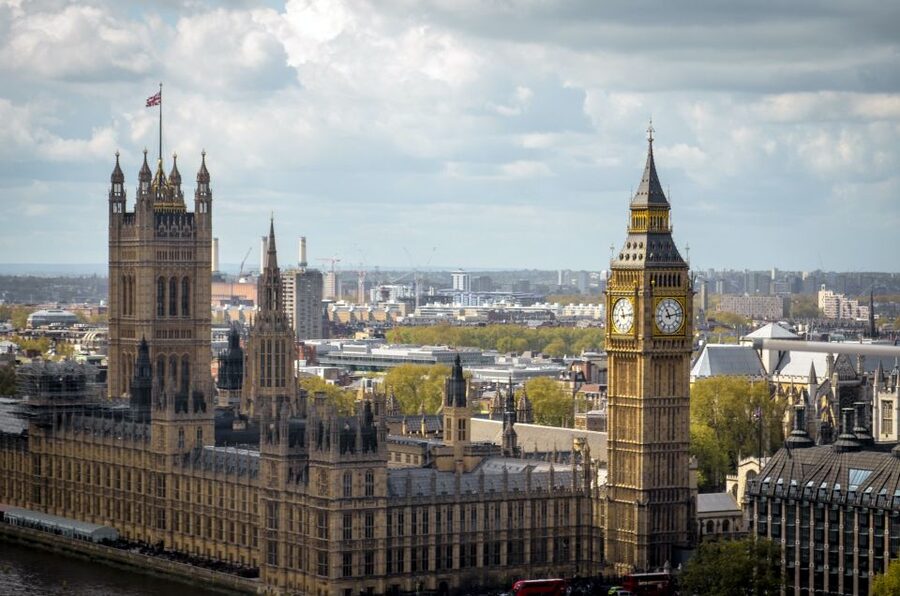
From the Embankment, the route takes you toward Big Ben and the Houses of Parliament. You will see the familiar clock tower and the grand parliamentary setting, but the guide’s task is to connect these sights with the pressures of the 1940s.
This is where the tour can correct the postcard view of Westminster. The buildings were symbols of national authority, yet they were part of a city under attack. Your guide explains how Britain coped with the war and how public life continued around danger, uncertainty, and loss.
Do not expect to go inside Parliament as part of the $39 tour. Entry tickets to named monuments are not included. The focus is on the exterior setting and the story told beside it.
I would especially value this stop early in a London visit. It gives you context for later sightseeing. When you return to Parliament, the building is no longer only a grand landmark. You have already heard how the district functioned during the crisis.
Westminster Abbey and the people behind the symbols
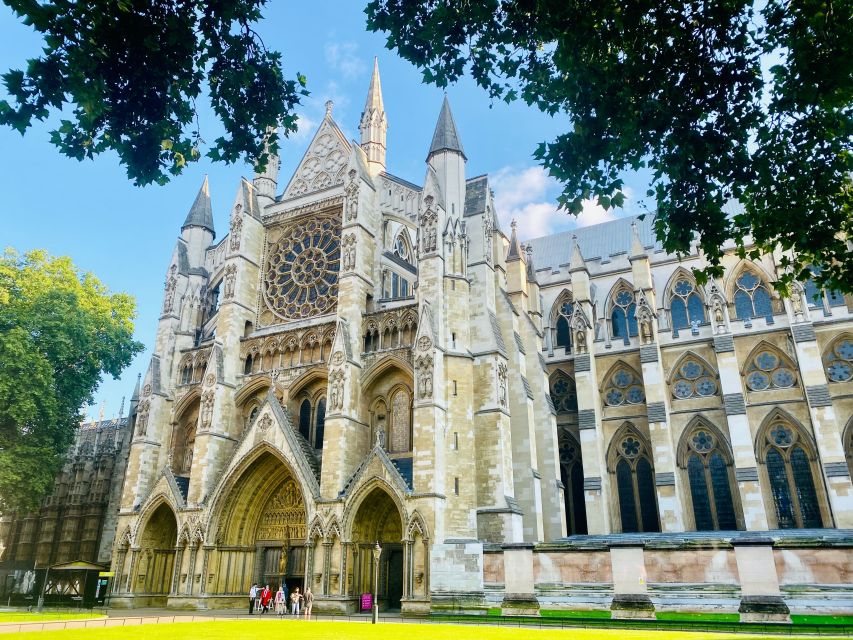
Westminster Abbey adds another layer. It is one of London’s most famous religious and historic buildings, but here it appears as part of wartime Westminster rather than as a stand-alone attraction.
The guide uses the Abbey and nearby streets to discuss the effect of WWII on Britain and its people. This broader view is important. The tour is about Churchill, but it does not treat the war as the story of one man alone. The most effective guides bring in citizens, pilots, government workers, and others whose lives were shaped by the conflict.
Francis is praised for providing details that made the history feel personal while keeping the group moving at a comfortable pace. That balance matters here. Westminster can be crowded, and the route includes several major sights close together. You want enough time to look around, but not so much stopping that the tour loses its rhythm.
The walk is described by one person as more of a talking tour than a long-distance walk. That is useful to know. You will cover the area on foot, but the main work is listening, looking, and asking questions.
More London Walking Tours:
- Magical London: Harry Potter Guided Walking Tour
★ 4.7 · 22,044 reviews - London: The Original Jack the Ripper Walking Tour
★ 4.7 · 7,833 reviews - Tour for Muggles The Ultimate Harry Potter Walking Tour in London
★ 5.0 · 4,684 reviews - London Jack The Ripper Guided Walking Tour
★ 5.0 · 3,131 reviews
Whitehall, the Cenotaph, and the Ministry of War
Whitehall gives the tour its strongest concentration of government and military history. The street is lined with official buildings, monuments, and departments tied to the running of the state. During WWII, this was the setting for decisions that reached far beyond Westminster.
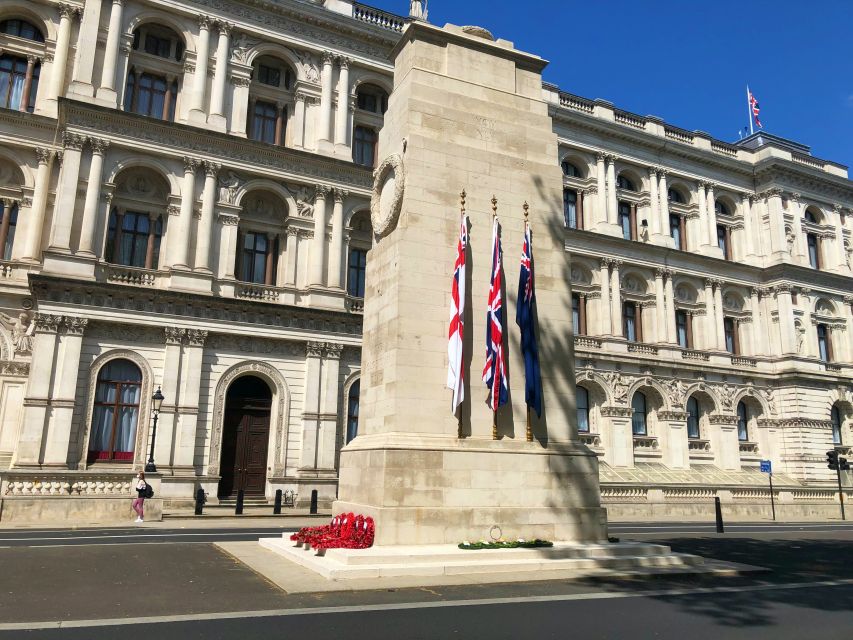
The Cenotaph is a particularly fitting stop. It connects the war then being fought with the wider British memory of military sacrifice. Your guide can use it to move between the personal cost of war and the public ceremonies that followed.
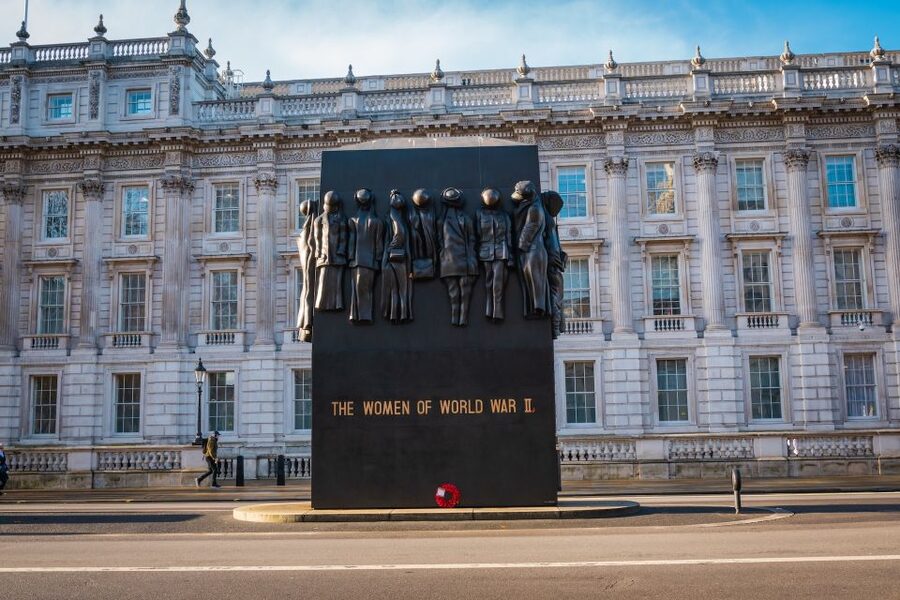
The Ministry of War brings the administrative side into view. This is not only a story of speeches and battlefield courage. It is also about offices, orders, planning, and the vast system needed to keep a country at war.
The best guides add the small details that make these places readable. Richard is praised for combining broad knowledge of London and English history with humor and personal touches. Babs is praised for passion and for making the subject feel more interesting than a school lesson. Those comments point to what you should seek from the guide: clear storytelling that keeps the official buildings connected to real people.
Downing Street and Churchill’s leadership
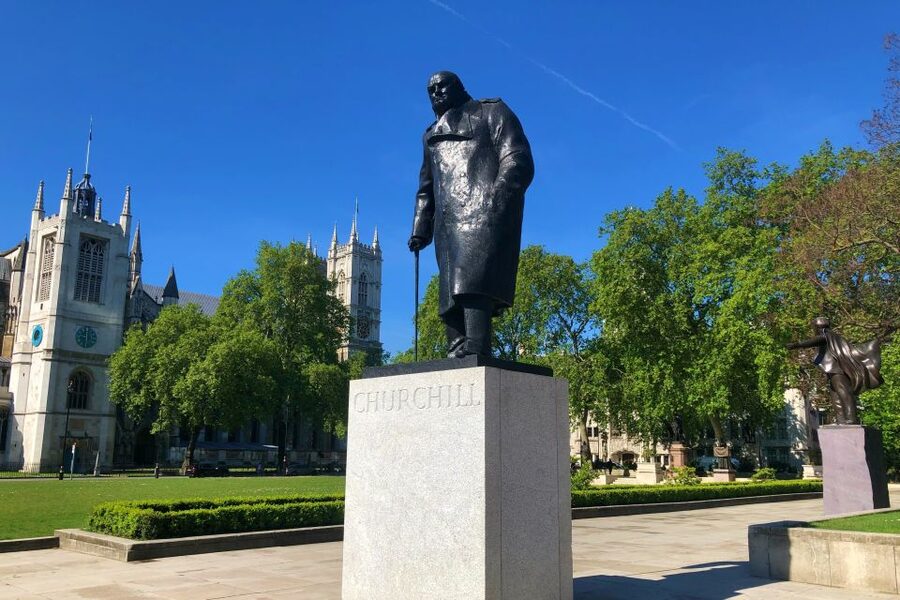
The stop at 10 Downing Street brings the story directly to Winston Churchill and the wartime government. You will not enter the residence on this tour, but the exterior offers a strong place to discuss Churchill’s role, personality, and public leadership.
Churchill can easily become a statue rather than a person. Richard’s descriptions and anecdotes are praised for making him feel more real, while other guides bring in the people around him and the wider demands of the war. That is useful because the tour is not simply a celebration of famous speeches. It looks at Churchill within the machinery of government and the pressure of a country under siege.
You should also expect humor. Several guides are praised for using British humor appropriately, which can help a serious subject remain engaging. The tone is not described as flippant. Instead, humor seems to provide breathing room between heavier stories.
If Churchill is your main interest, ask questions as you walk. The guide-led format gives you more chance to pursue a detail than a self-guided route would. The experience is strongest when you treat it as a conversation rather than a checklist of sights.
Finishing at Churchill’s War Rooms
The tour ends outside Churchill’s War Rooms, the underground command center associated with Churchill and his cabinet during WWII. This is a logical finish because the walk has already introduced the people, buildings, and decisions connected with the war. The War Rooms then offer the chance to see the strategic bunker spaces for yourself.
Admission is not included. You need a separate ticket, and the walking tour does not become an indoor visit automatically. Plan this carefully if the War Rooms are the main reason you are interested in the subject.
I would strongly consider adding the museum after the walk if you have the time and budget. The guide gives you a framework, while the War Rooms can provide the bunker setting and preserved displays in more detail. One person singled out the Churchill archives as the most interesting part of the broader experience, which suggests that the combination of walk and museum can work particularly well for serious Churchill fans.
If you are short on time, the outdoor tour still works as a compact introduction. Just understand that you are paying for the guide’s interpretation, not for access to the rooms themselves.
How much walking and listening is involved
The listed guided walk lasts 1.5 hours, while available starting options may show a total duration ranging from 1.5 to 3 hours. The practical lesson is to check the exact time when you book. The core Westminster tour is short and focused, but the precise schedule can vary.
The route is compact rather than strenuous. One person noted that there was not too much walking because the sights are concentrated around Parliament and Downing Street. Another described it as mainly a talking tour. You still need comfortable shoes, especially on London streets, but this is not a day-long trek.
The bigger challenge is the amount of information. In 90 minutes, you may hear about Churchill, the Battle of Britain, everyday life, political buildings, military departments, and the War Rooms. That is a lot to absorb. Guides such as Nathan are praised for giving the right amount of information and keeping the pace moving, but the tour cannot cover every part of the war in depth.
I would book the longer option if available and choose a private tour if you want time for questions. The shared group option is likely the better value for most people, especially if you want a lively introduction rather than a specialist seminar.
Shared group or private tour?
The shared group tour gives you a set route and a chance to hear a guide bring the district to life for several people at once. It is the straightforward choice for solo visitors, couples, and families who want an organized introduction without paying for a guide alone.
A private tour makes more sense if your group has a strong interest in Churchill, the RAF, London during the Blitz, or political history. You can ask the guide to spend more time on the topics that matter to you, though the supplied details do not promise a customized route or a longer duration. Confirm those points when booking.
The guide matters more than the format. Nathan is repeatedly praised for his command of WWII history, wit, and ability to explain the experience of ordinary citizens. Richard is praised for wide-ranging knowledge, British humor, and bringing Churchill to life. Francis is praised for clarity and a steady pace, while Babs and Rosie are described as lively and enthusiastic.
Because the assigned guide may vary, you should book for the subject and route rather than for a guaranteed individual guide. If you happen to have Nathan, Richard, Francis, Babs, or Rosie, you can expect the strengths associated with their feedback, but guide assignment is not stated as fixed.
Is $39 good value for this London walk?
At $39 per person, this is not the cheapest way to see Westminster. You can walk past Big Ben, Parliament, the Abbey, Whitehall, and Downing Street without paying for an outdoor route. The fee pays for the historical connection between those places and for the guide’s stories.
That makes the price reasonable if you value interpretation. The repeated praise for detailed anecdotes, clear explanations, humor, and personal stories suggests that the guide is the main product. You are paying to understand what you are seeing, not simply to be taken from one landmark to another.
The value is weaker if you expect entry to the War Rooms or other buildings. Those tickets cost extra, and food, drinks, transport, and hotel pickup are also excluded. The short 1.5-hour format can also feel expensive, especially if your schedule is tight and you are mainly looking for photographs.
For me, the price works best as part of a Westminster day. Take the walk in the morning, continue to Churchill’s War Rooms if available, and then explore the surrounding landmarks independently. That turns a short guided route into a fuller historical visit.
Who should book this experience?
I would recommend it to:
- First-time London visitors who want more meaning behind Westminster’s famous sights.
- Churchill and WWII enthusiasts who plan to visit the War Rooms.
- Families with older children and teenagers who respond better to stories than to formal museum labels.
- Visitors who prefer a compact walking tour rather than a long city route.
- People who want a local English-speaking guide and the chance to ask questions.
It may be less suitable if you need step-free access or use a wheelchair. The tour is listed as unsuitable for people with mobility impairments and wheelchair users. Large bags and luggage are not allowed, so leave those at your accommodation or in suitable storage before arriving.
You should also consider the weather. The tour takes place outdoors, and the information only advises comfortable shoes, not weather protection. Dress for London conditions and be ready to stand while listening.
Final decision: a strong short introduction to wartime London
Book this tour if you want Westminster to feel like more than a row of grand buildings. Its strongest feature is the guide-led storytelling, especially the links between Churchill, the RAF, government offices, and ordinary people living through WWII.
I would pair it with Churchill’s War Rooms if you can afford the separate admission and have the time. Skip it if you want a long walk, extensive interior access, or a full museum visit included in the price. For a focused 1.5-hour introduction with a good chance of hearing vivid anecdotes and British humor, $39 is a fair buy, provided you know the guide and the stories are the main attraction.
FAQ
Where does the tour meet?
Meet by the Boadicea and Her Daughters statue outside Westminster Station, Exit 2. Follow the signs for Exit 2, Victoria Embankment, and look for the guide holding an Urban Saunters orange tour sign.
How long does the walking tour last?
The included guided Westminster walk lasts 1.5 hours. Available booking times may show durations from 1.5 to 3 hours, so check the exact option you select.
Is entry to Churchill’s War Rooms included?
No. The tour ends outside Churchill’s War Rooms, and admission requires a separate ticket.
Which landmarks are included in the route?
The route covers WWII connections around Big Ben, the Houses of Parliament, Westminster Abbey, the Cenotaph, the Ministry of War, 10 Downing Street, and Whitehall.
Is the tour available as a private experience?
Yes. You can choose between a shared group walking tour and a private walking tour.
What should I bring, and can I bring luggage?
Wear comfortable shoes. Large bags and luggage are not allowed on the tour.
Just added around London
- Kensington Palace VIP Garden Tour with Royal High Tea★ 4.5 · 71 reviews
- Up at The O2:Twilight Climb with Guided Tour with Panoramic Views★ 5.0 · 50 reviews
- Private Chauffeur-London Heathrow from/to Southampton Cruise Port★ 5.0 · 9 reviews
- Up at The O2: Sunset Climb with Guided Tour with Panoramic Views★ 5.0 · 110 reviews
- Secrets of the London Underground Small Group Walking Tour★ 4.5 · 38 reviews
- Urban Canvas: Exploring Shoreditch’s Vibrant Street Art★ 5.0 · 36 reviews
- Ultimate introduction to photography in Central London★ 5.0 · 19 reviews
- Full-Day Self-Guided Paris Tour from London by Eurostar with Seine River Cruise★ 3.5 · 22 reviews
Churchill War Rooms Tours, compared.
Westminster 3 Hour Walking Tour and Visit of Churchill War Rooms
Read our review →
WW2 London Walking Tour & Churchill War Rooms Entrance Ticket
Read our review →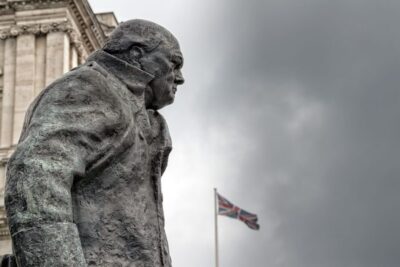
Westminster WW2 Tour & Churchill’s War Rooms Ticket
Read our review →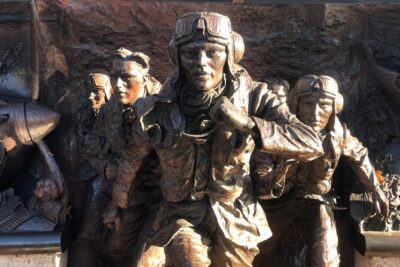
London in WW2 Walking Tour with Churchill War Rooms Visit
Read our review →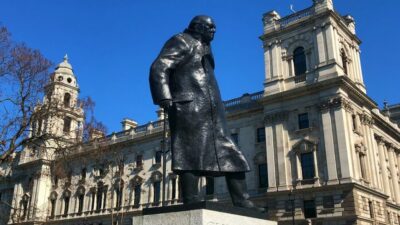
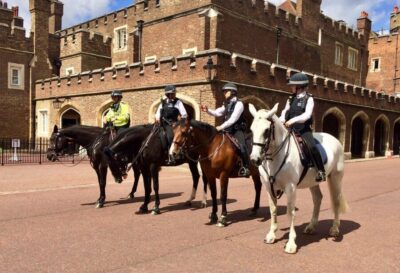
Westminster Tour and Churchill War Rooms Visit
Read our review →
Churchill War Rooms “Behind The Glass” and Private Car Tour
Read our review →
Churchill War Rooms Ticket & Political London Audio
Read our review →Browse the lists this tour appears in