
Reviewed · CHURCHILL WAR ROOMS TOURS
London: London in WW2 and Churchill War Rooms Entrance
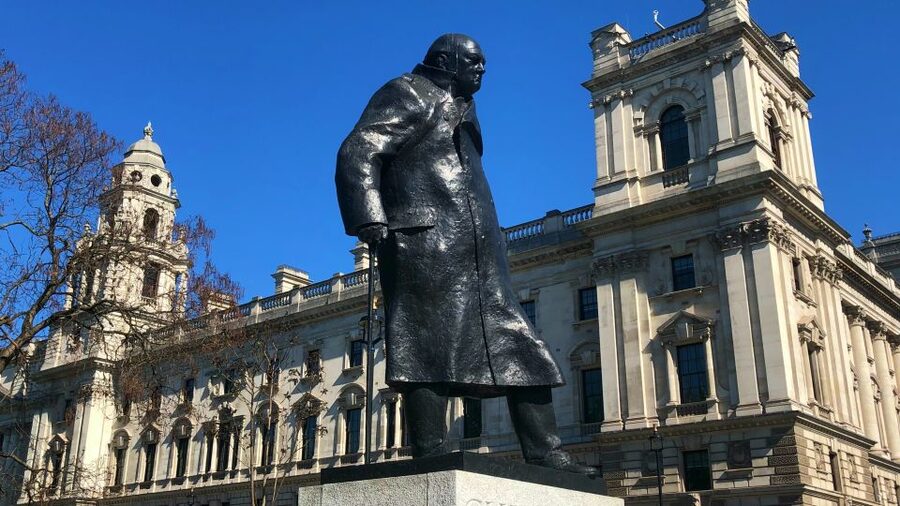
London’s wartime story comes alive in two very different places: Westminster above ground, where Churchill’s government faced the public, and the preserved bunkers below Whitehall, where the country’s wartime decisions were made. The walking route links Parliament, Westminster Abbey, Downing Street, the Cenotaph, and other landmarks to the political crisis of the 1940s.
I like the way the tour gives you useful background before you enter the War Rooms, and I like the small group limit of 15 people or fewer. Guides such as Babs, Nathan, Richard, and Jeremy are praised for strong storytelling, humor, and personal enthusiasm. The main drawback is that the War Rooms portion is self-guided, and the underground museum can become crowded.
Key points
- Two-part format: A live walking tour through Westminster followed by independent exploration of Churchill’s War Rooms.
- Major wartime landmarks: See the Houses of Parliament, Westminster Abbey, Downing Street, the Cenotaph, Whitehall, and the former Ministry of War area.
- Strong guide-led introduction: Babs, Nathan, Richard, and Jeremy are especially praised for clear storytelling and lively delivery.
- Small groups: Shared tours are limited to 15 people or fewer, with private options also available.
- Useful practical details: Meet outside Westminster Station at Exit 2, wear comfortable shoes, and bring an umbrella.
- Best for history-minded visitors: The tour suits adults, older children, and families able to walk and stand for several hours.
Starting at Westminster Station with wartime London in mind
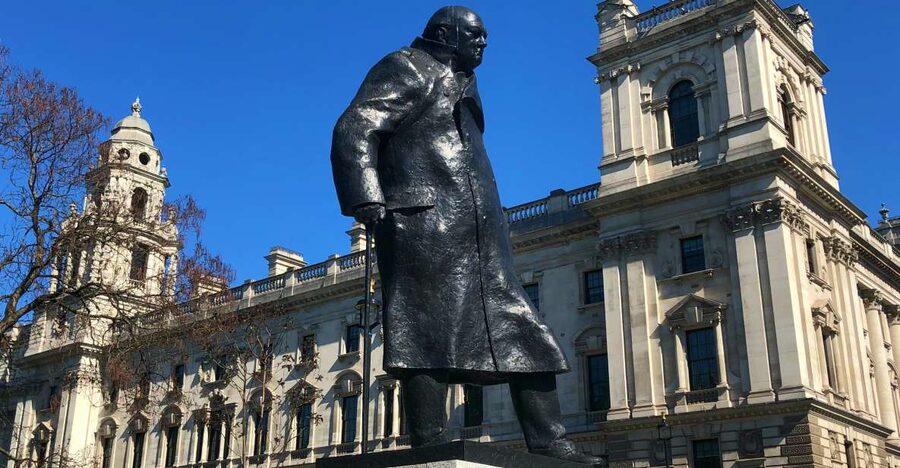
The tour begins at the Boadicea and Her Daughters statue outside Westminster Station. Use Exit 2, marked Victoria Embankment, then take the stairs to street level. Your guide will be near the statue with an orange Urban Saunters sign.
This meeting point is easy to reach by Underground, but take a moment to get your bearings. Westminster Station has several exits, and using the wrong one can put you on the opposite side of a busy junction. Arriving a little early gives you time to find the statue without rushing.
The walking tour lasts about two hours before you enter the War Rooms. It is not a long-distance walk across London. Instead, you move through a compact part of Westminster, stopping often while your guide connects familiar buildings and memorials with the events of WW2.
That compact route is a strength. You are not spending the afternoon marching from sight to sight. You stay close to the political heart of Britain, where government, military planning, public ceremony, and wartime memory meet.
More Churchill War Rooms Tours:
- Westminster 3 Hour Walking Tour and Visit of Churchill War Rooms
★ 5.0 · 967 reviews - WW2 London Walking Tour & Churchill War Rooms Entrance Ticket
★ 4.5 · 933 reviews - London: Westminster WW2 Tour & Churchill’s War Rooms Ticket
★ 4.5 · 925 reviews
Seeing Parliament and Westminster Abbey through the war years
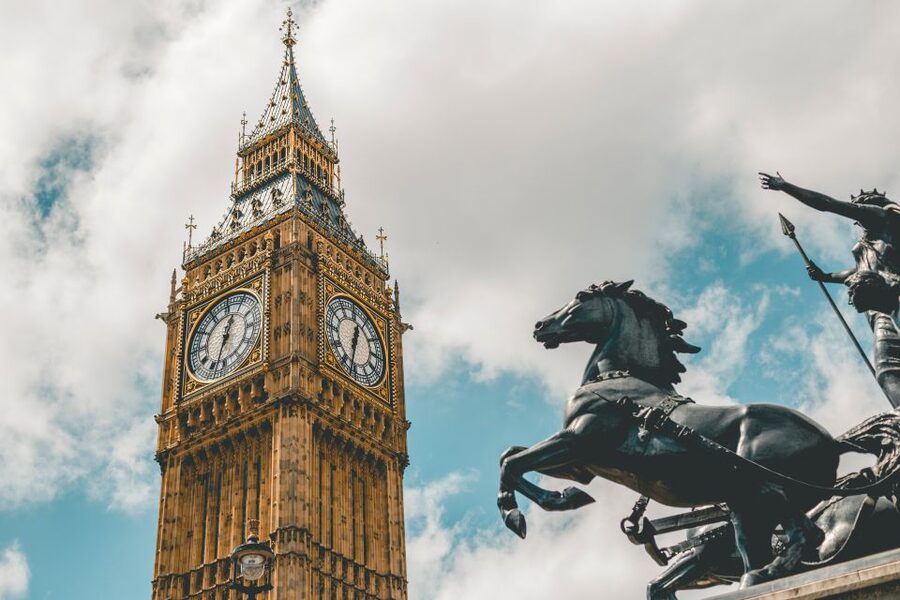
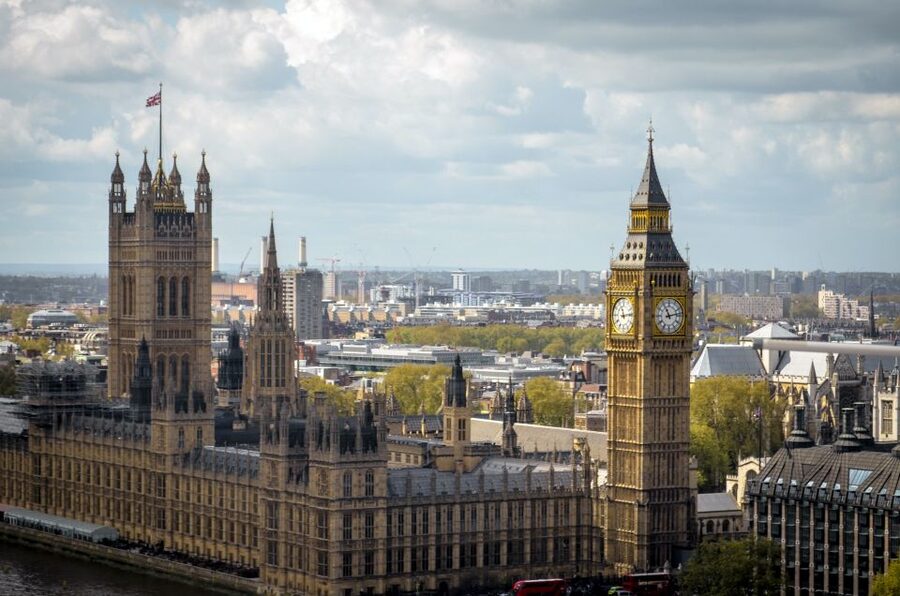
The first part focuses on the places you might otherwise photograph and pass. The Houses of Parliament become more than a grand Gothic backdrop when you consider their role during the war. Westminster Abbey brings another layer, linking national ceremony and public morale to the period of bombing, rationing, and military loss.
The guide-led commentary is the real value here. Nathan is repeatedly praised for bringing stories to life with humor and careful detail. Babs is known for her energy and enthusiasm, while Richard and Jeremy are also singled out for clear, engaging presentations. The exact guide depends on the departure, but the experience is built around a live English-speaking guide rather than a recorded introduction.
You can expect stories about Britain under pressure: air raid sirens, restrictions, shortages, and the effort required to keep government operating while the country fought across Europe and beyond. The tour also places Churchill among the wider group of people who worked around him, which helps avoid treating the war as the achievement of one famous man alone.
The guides use the monuments as teaching points. A statue, memorial, or government building becomes a doorway into a larger story. That is particularly helpful if you know the basic outline of WW2 but want to understand how London’s public spaces fit into it.
Whitehall, Downing Street, and the Cenotaph
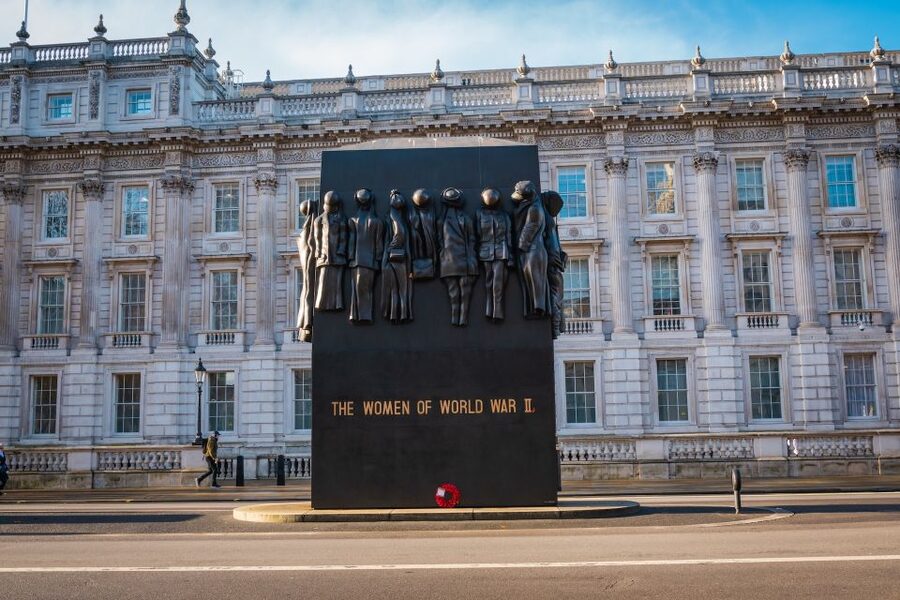
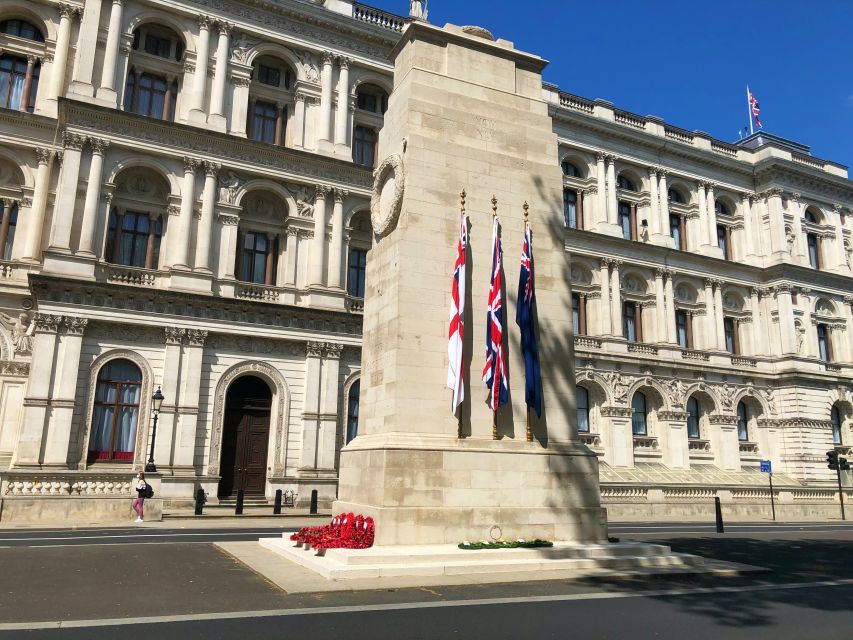
The route continues through Whitehall, passing Downing Street, the Cenotaph, and the area associated with the Ministry of War. These stops matter because they show how close together Britain’s civilian government, military administration, and national memorials are.
Downing Street offers a direct link to Churchill’s leadership. The Cenotaph brings the cost of war into the open, connecting the Second World War with the earlier generation lost in the First World War. Whitehall, meanwhile, helps you picture the dense concentration of offices and decision-making around the wartime government.
This is also where a good guide can make a big difference. The walking route itself covers limited ground, so the quality of the explanation matters more than the number of streets visited. The strongest guides keep the group moving, stop in sensible places, and use anecdotes to prevent the material from turning into a list of dates.
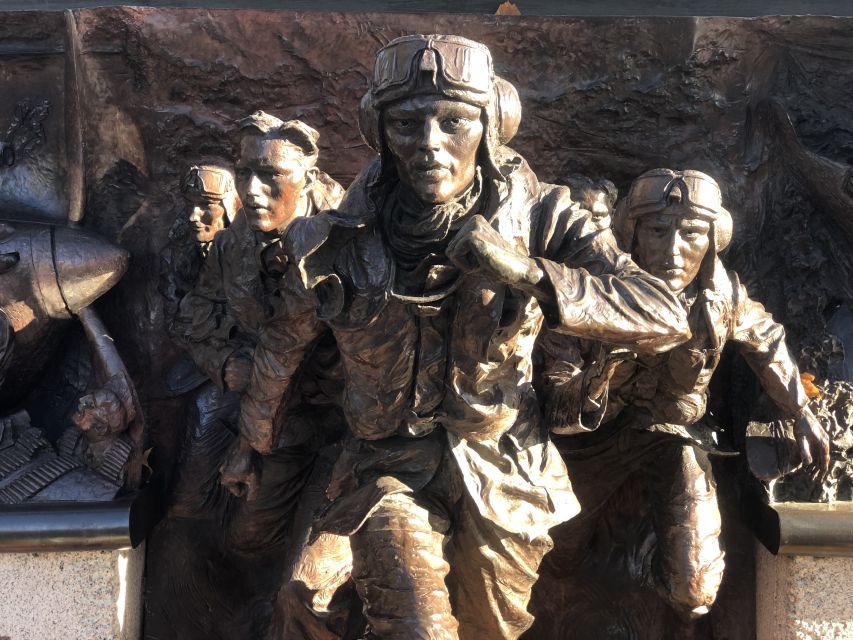
You may hear stories about the Battle of Britain, the people working alongside Churchill, and the ordinary population dealing with the demands of wartime life. One guide was praised for balancing straightforward facts with emotional stories about individuals. That balance suits this subject. The tour takes the military and political decisions seriously without forgetting the people who lived under them.
Entering Churchill’s War Rooms beneath Whitehall
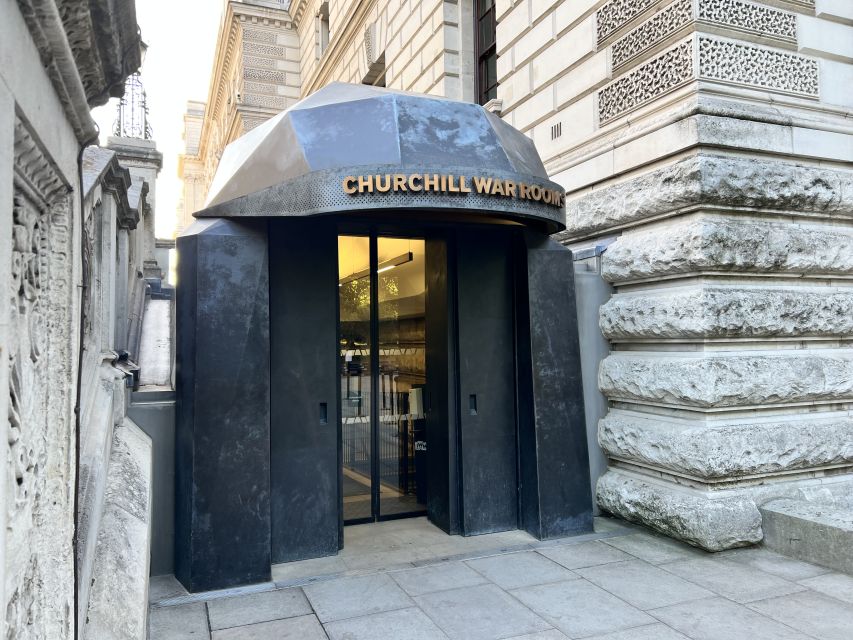
After the walk, you say goodbye to the guide and enter Churchill’s War Rooms. This is not another live guided segment. You explore independently with an audio guide, so the pace changes from group storytelling to personal discovery.
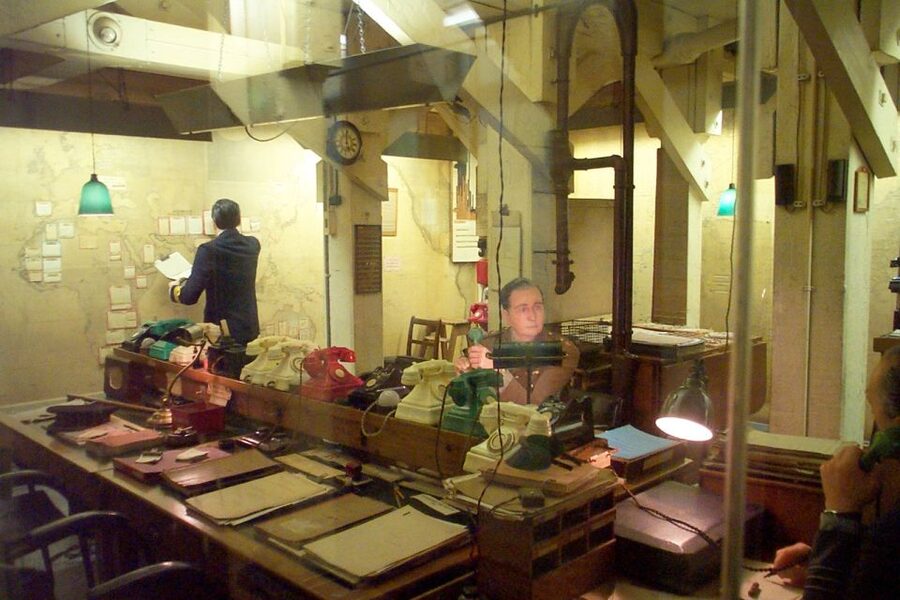
The War Rooms are the underground headquarters used by Churchill and his cabinet during WW2. The rooms have been preserved, giving you a physical sense of the cramped, practical setting in which decisions were made. You move through offices, working areas, and spaces tied to the running of the war.
The value of entering after the walking tour is clear. You have already seen the buildings above ground and heard why Westminster mattered. Once you descend into the bunkers, the rooms are easier to place within the larger story.
The audio guide lets you stop when something catches your attention. You can listen, examine displays, and set your own pace rather than staying beside the walking guide. For many people, this is the most memorable part of the experience because the setting is preserved rather than recreated as a modern exhibit.
There is one practical tradeoff. Several hours would be useful if you want to hear every presentation and examine every display carefully. If your booking begins later in the day, you may have less time inside than you would like. The full visit can also feel crowded, which may make it harder to get close to every exhibit.
A different sort of day out in London altogether:
- From London: Harry Potter Warner Bros Studio Tour
★ 4.7 · 26,588 reviews - London: Westminster to Greenwich River Thames Cruise
★ 4.5 · 22,836 reviews - Magical London: Harry Potter Guided Walking Tour
★ 4.7 · 22,044 reviews - London: Madame Tussauds London
★ 4.6 · 20,915 reviews
How the guides shape the experience
The guide is a major part of this tour. The route is compact and the War Rooms are self-guided, so the live commentary carries much of the personality and depth.
Babs is praised for her passion, warmth, and ability to keep a mixed-age group involved. Nathan receives especially strong praise for storytelling, humor, and detailed knowledge of Churchill and WW2. Richard is described as funny and engaging, while Jeremy is noted for high energy and patience. Paul and Peter are also praised for their enthusiasm and command of London’s past.
You should not book this expecting a formal lecture. The best version of the tour sounds conversational, with anecdotes, questions, and room for the guide to adjust the presentation to the group. That makes it suitable for people who are interested in the subject but do not consider themselves experts.
The experience can work well for families, too. One account describes the guide holding the attention of everyone from a senior citizen to a tween. Younger children still need to manage a walking tour and a museum visit, but the storytelling approach is more approachable than a long, technical talk.
Because the tour is in English, you should be comfortable following spoken English for about two hours. There are no other language options listed.
What the three-hour timing really means
The advertised duration is three hours, but the time is split between the guided walk and the War Rooms. The first section has a set pace because you stay with the group. The second section is more flexible, though your available museum time depends on the scheduled start and the length of the walking portion.
I would avoid placing a tight appointment immediately afterward. The War Rooms deserve time, and you will not want to hurry through the final displays simply because you have booked dinner or a show.
The tour takes place rain or shine. London weather can change quickly, so bring an umbrella and wear comfortable clothes and shoes. There is no hotel pickup, food, or drink included, so eat beforehand or carry water. Large bags, luggage, and baby strollers are not allowed, and everyone must pass through security.
The route is not suitable for wheelchair users or people with mobility impairments. You should expect walking, standing, stairs, and an underground museum environment. If that could be difficult, check carefully before booking.
Is the $96 price fair?
At $96 per person, this is not a cheap walking tour. The price includes the guided Westminster route, admission to Churchill’s War Rooms, the audio guide, and a small shared group of 15 people or fewer. Private tours are also available, though the price structure may differ.
The entry ticket to the War Rooms is a substantial part of the value. You are also paying for the guide’s preparation and storytelling, not just transport between landmarks. If you were already planning to visit the War Rooms and would be satisfied with seeing Westminster on your own, you may prefer to buy admission separately and save money.
For a first visit to London, the package makes more sense. The live introduction gives you context that is easy to miss when walking past Whitehall alone. The guide points out details and stories that would otherwise remain invisible, then sends you into the museum with a clearer idea of what you are seeing.
The strongest value comes if you care about Churchill, British wartime politics, or the experience of London during WW2. If your main goal is simply to photograph Big Ben and Westminster Abbey, this is more history-focused than sightseeing-focused.
Who should book this Westminster experience?
I would recommend it to you if you want a focused history tour rather than a general introduction to London. It works particularly well for:
- First-time London visitors who want context for Westminster
- People interested in Churchill, wartime government, or the Battle of Britain
- Families with older children who can walk and listen for several hours
- Visitors who prefer a small group to a large city tour
- Anyone who wants both outdoor landmarks and a major museum visit
You may want to skip it if you dislike guided commentary, need step-free access, or have only a short amount of time for the War Rooms. The museum section is self-guided, and busy periods may make close viewing difficult.
The tour is also less useful if you have already spent serious time at Churchill’s War Rooms and know the Westminster landmarks well. In that case, much of the route may repeat information you have already covered.
Final verdict: book it for the stories, not just the sights
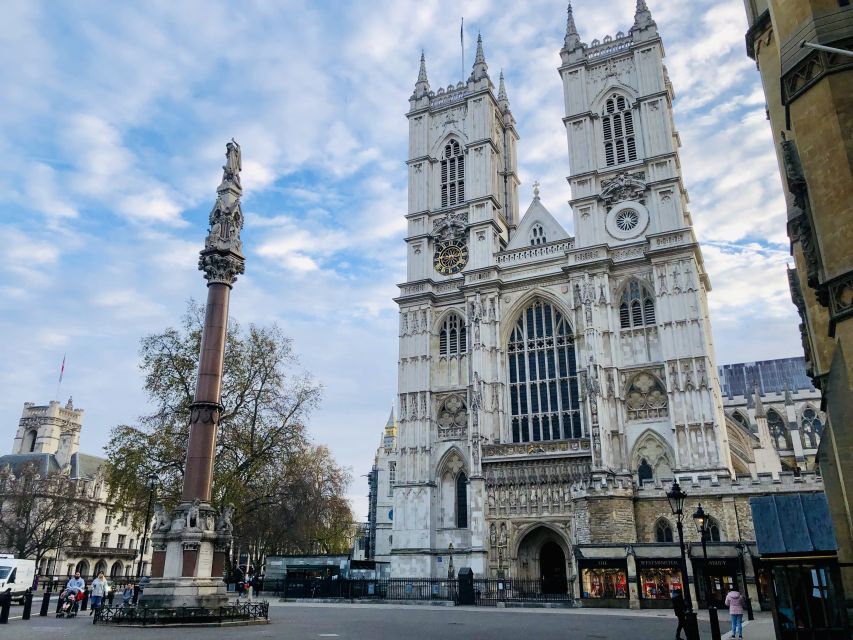
This experience works because the two parts support each other. The Westminster walk gives you the political setting, while the War Rooms show the practical workplace below it. You get famous sights, but the real reward is learning how they functioned during a period of fear, pressure, and national sacrifice.
I would book it if you want a lively guide and a clear introduction before exploring the bunkers. Try to choose a time that leaves plenty of room afterward, and arrive prepared for weather, security, and walking. At $96, it is best viewed as a guided history experience with museum admission, not as a basic sightseeing stroll.
FAQ
Where does the tour meet?
Meet by the Boadicea and Her Daughters statue outside Westminster Station, Exit 2. Follow signs for Exit 2, Victoria Embankment, then take the stairs to street level. Your guide will hold an orange Urban Saunters tour sign.
How long does the experience last?
The total duration is about three hours. It includes the guided Westminster walking tour and time to explore Churchill’s War Rooms with an audio guide.
Is the tour guided inside Churchill’s War Rooms?
No. The Westminster section has a live English-speaking guide. Inside the War Rooms, you explore at your own pace with an audio guide.
What sights are included on the walking route?
The route passes the Houses of Parliament, Westminster Abbey, the Cenotaph, the Ministry of War area, Downing Street, and Whitehall.
Is the tour available as a private experience?
Yes. Private and small-group options are available. Shared groups have 15 people or fewer.
What should I bring?
Bring comfortable shoes, comfortable clothes, an umbrella, and water. The tour runs in all weather.
Is the tour suitable for wheelchair users?
No. The experience is not suitable for wheelchair users or people with mobility impairments. Luggage, large bags, and baby strollers are also not allowed.
Just added around London
- London: “Queen” Highlights Walking Tour★ 4.3 · 48 reviews
- Couple’s photo: Romantic photoshoot in London★ 4.8 · 22 reviews
- London: Private Tour with Locals – Highlights & Hidden Gems★ 5.0 · 8 reviews
- Luxury Private Tour in London with Lunch★ 5.0 · 7 reviews
- London 1- or 2-Hour Professional Photo Shoot★ 4.9 · 6 reviews
- London: Private Black Cab Night Tour with Hotel Pick Up★ 5.0 · 11 reviews
- London: Christmas Lights Tour – With Christmas Music★ 4.8 · 9 reviews
- London: A Unique Photoshoot Experience at Famous Sites★ 4.6 · 22 reviews
Churchill War Rooms Tours, compared.
Westminster 3 Hour Walking Tour and Visit of Churchill War Rooms
Read our review →
WW2 London Walking Tour & Churchill War Rooms Entrance Ticket
Read our review →
Westminster WW2 Tour & Churchill’s War Rooms Ticket
Read our review →
London in WW2 Walking Tour with Churchill War Rooms Visit
Read our review →
Westminster Tour and Churchill War Rooms Visit
Read our review →
Churchill War Rooms “Behind The Glass” and Private Car Tour
Read our review →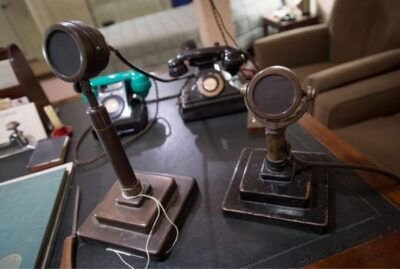
Churchill War Rooms Ticket & Political London Audio
Read our review →
Big Ben, Churchill War Rooms & Buck’ham Palace Tour
Read our review →Browse the lists this tour appears in