
Reviewed · LONDON UNDERGROUND AND TUBE TOURS
London: Hidden Baker Street Tube Station Tour
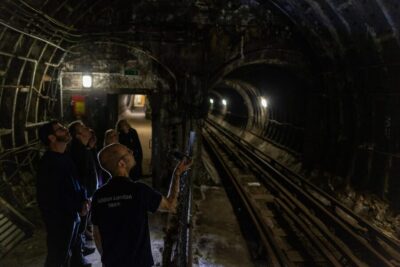
London’s first underground railway began here, beneath the streets of Victorian London. On this 85-minute tour, you walk into closed platforms, old lift shafts, and forgotten corridors at Baker Street Station, some last used by the public as far back as 1945.
I like the direct connection to the birth of modern metro travel, and I like the human stories about the staff who worked, trained, and played inside this station. The guides, including Anthony, Sophie, and Pat on recent departures, bring plenty of energy and clear knowledge to the walk. The catch is practical: expect stairs, uneven ground, dim light, and tight spaces, with no elevator.
Key points to know
- Original Metropolitan Railway setting: See where underground passenger travel began on January 10, 1863.
- Access beyond the normal station: Enter old platforms, corridors, lift shafts, and a staff rifle range closed to everyday passengers.
- London Underground headquarters: Learn how Baker Street served as an operational base as the network expanded.
- Stories from working life: Hear about staff routines and the first public reaction to steam trains below London.
- 85 minutes on foot: This is a compact tour, but it involves stairs, rough surfaces, and low lighting.
- Best for history-minded adults and older children: Children must be at least 10, and no more than four children aged 10 to 15 may join per adult.
Why Baker Street is the right place for this tour
Baker Street is not just a famous London address linked with Sherlock Holmes. It is also where the Metropolitan Railway opened on January 10, 1863, creating the first underground passenger railway in the world.
That date matters because this was not simply another transport opening. Victorian London was crowded, noisy, and clogged with traffic. The railway offered a new way to move under the city, using steam trains in tunnels below busy streets. The idea later shaped metro systems around the world.
The ordinary Baker Street Station you use today gives only part of the story. The working station has been altered, expanded, and adapted over more than 160 years. Behind its public areas are spaces that served earlier forms of railway operation, including platforms and corridors no longer part of the daily journey.
I like that the tour uses the station itself as the main exhibit. You are not only looking at photographs or reading dates on a display. You are standing in the same transport complex that helped establish the basic idea of an urban underground railway.
More London Underground and Tube Tours:
- London: Secrets of the London Underground Walking Tour
★ 4.6 · 211 reviews - Aldwych: Hidden Tube Station Guided Tour
★ 4.8 · 54 reviews - London: Private Underground and Tube Tour
★ 4.6 · 42 reviews
Meeting Sherlock Holmes before entering the past
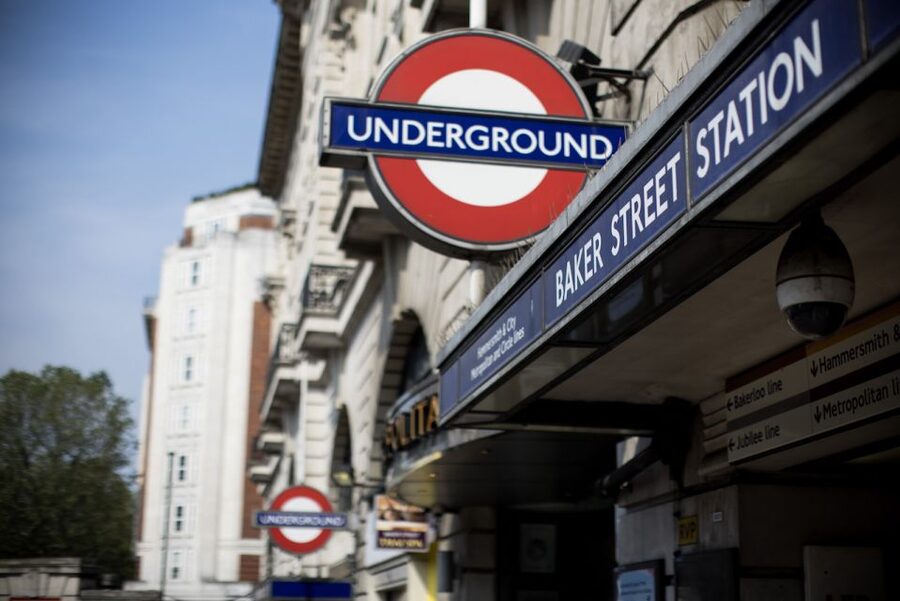
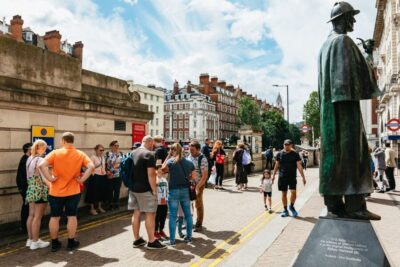
The meeting point is outside Baker Street Underground Station, in front of the Sherlock Holmes statue. That makes it easy to identify, especially if you are arriving by Tube and do not know the area well.
The statue is also a useful reminder of how many layers Baker Street has. The Holmes connection draws most people to the neighborhood, while the station’s transport story reaches back to the earliest days of underground travel.
You should arrive ready to walk rather than expecting a ride or a museum-style presentation. There is no pickup or drop-off, and the activity is a guided walking tour. Bring comfortable shoes and water, but leave food, drinks, luggage, and large bags behind. Open-toed shoes are not allowed, which is sensible given the stairs and uneven surfaces.
The tour is conducted in English with a live guide. Recent departures have included Anthony, Sophie, and Pat, three guides praised for their friendly manner, strong preparation, and enthusiasm. Guide quality matters here because much of the appeal lies in connecting plain-looking walls, doors, and platforms to events that are not obvious at first glance.
Seeing the station as it looked in 1863
The early part of the experience places Baker Street in the age of steam travel. The Metropolitan Railway was a bold answer to London’s traffic problem, but it was also an unsettling experiment for its first passengers.
You hear what those first passengers thought about traveling underground in 1863. Their reactions help explain why the railway was such a major change. For many people, traveling beneath the city in a train pulled by steam locomotives must have seemed strange, noisy, and possibly unsafe.
The tour then follows the growth of the Underground across the next 16 decades. Baker Street was not frozen in its opening-year form. The network expanded, operating methods changed, and the station took on new duties as London’s transport system became larger and more complex.
This long time span is one of the tour’s strengths. You are not getting a narrow story about one platform or one building. You are seeing how a single station fitted into the development of a whole transport network.
Closed platforms and corridors last used decades ago
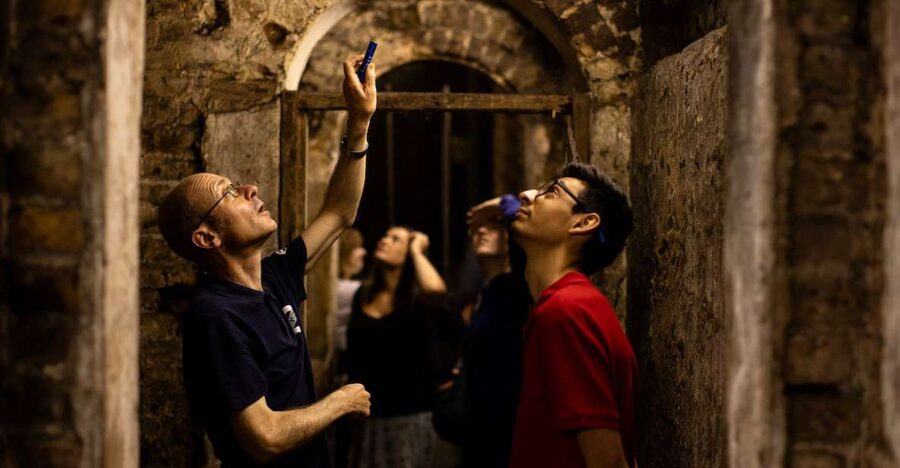
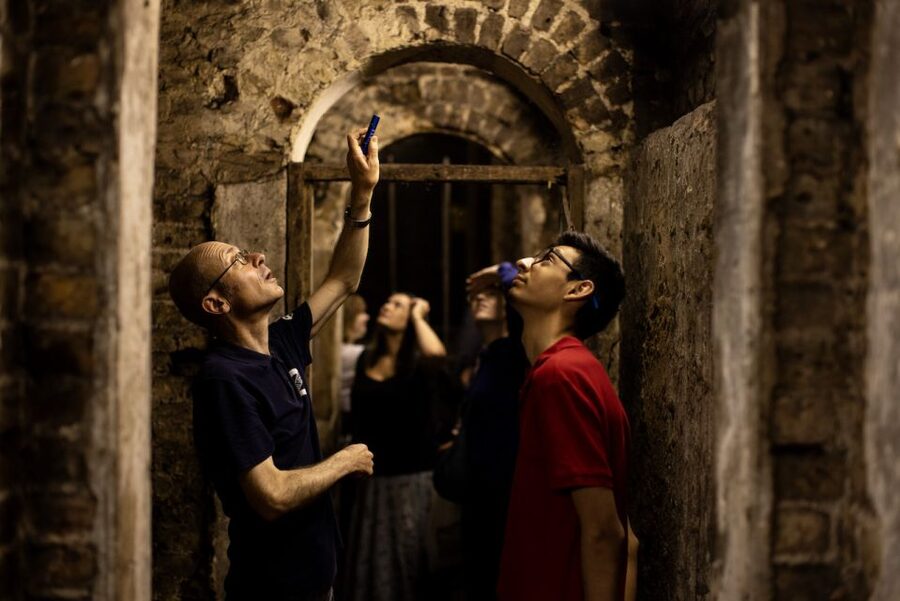
The main reason to book is the access. You enter areas of Baker Street that are not part of the everyday passenger route, including original platforms, old corridors, and spaces hidden behind the familiar station.
Some of these areas were last accessed by the public as far back as 1945. That length of time changes how you look at the station. A corridor is no longer just a passageway. It becomes evidence of earlier ways of moving passengers and staff through the building.
The old platforms are especially important because they connect the present station to the Metropolitan Railway’s first period. You can see how the station’s earlier arrangements relate to the modern network, even as the guide explains the changes that made those areas obsolete.
Old lift shafts add another layer. They show how passengers once moved through the station before later arrangements replaced them. These shafts are not presented as a modern attraction with polished facilities. Their value comes from their age, function, and connection to how London travel worked in earlier decades.
You should expect the surroundings to feel closed-off rather than restored for comfort. Lighting is low, surfaces can be uneven, and the route includes stairs. That roughness is part of the setting, but it also means you need to watch your footing and keep your attention on the guide.
A different sort of day out in London altogether:
- From London: Harry Potter Warner Bros Studio Tour
★ 4.7 · 26,588 reviews - London: Westminster to Greenwich River Thames Cruise
★ 4.5 · 22,836 reviews - Magical London: Harry Potter Guided Walking Tour
★ 4.7 · 22,044 reviews - London: Madame Tussauds London
★ 4.6 · 20,915 reviews
The staff rifle range and the working Underground
The staff rifle range is one of the most unusual parts of the tour. It shifts the story away from passengers and toward the people who operated the Underground.
Baker Street served as an operational headquarters for London Underground staff. That meant the station was not simply a place where trains stopped. It was also a workplace with its own staff areas, training needs, and internal routines.
The rifle range gives you a glimpse of that less familiar side of the system. Most Londoners think of the Underground in terms of platforms, tickets, maps, and trains. A staff facility like this reveals a separate world behind the public service.
The guide also shares stories about the people who worked and played at the station over the years. These accounts help put faces and habits into a place that might otherwise feel like a collection of old brickwork and disused infrastructure.
I particularly like this human focus. Transport history can become a list of openings, extensions, and engineering changes. Stories about staff make it easier to picture Baker Street as a busy workplace, not merely an old station preserved underground.
What the 85-minute route feels like
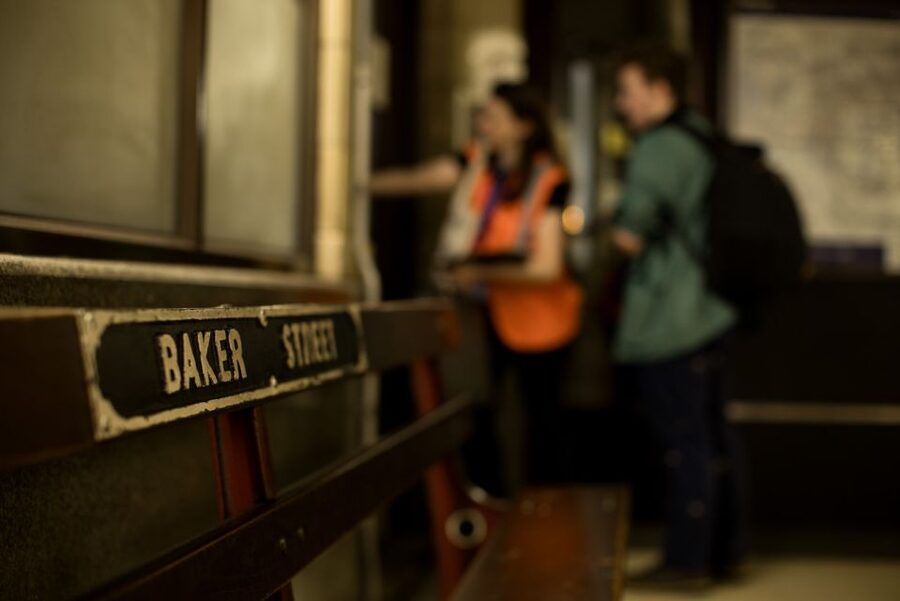
The tour lasts 85 minutes, long enough to cover the station’s origins, closed areas, staff facilities, and later development without taking up half your day in London.
You will be walking for most of that time. The route includes stairs and sections with uneven ground, low lighting, and no elevators. This is not suitable for people with mobility impairments, and it is a poor choice if enclosed spaces make you uncomfortable.
The lack of elevators is more than a minor note. Even if you usually manage city walking well, underground stairs and uneven floors can feel different from a normal pavement. Wear shoes with a firm sole and avoid carrying anything bulky.
Food and drinks are not allowed, and large bags or luggage are not permitted. That is useful to know before you arrive, especially if you are planning the tour between train connections or hotel checkout. A small amount of water is listed as useful to bring, but the route itself is not a place for snacks.
Children under 10 cannot join. Children aged 10 to 15 are allowed, with a maximum of four children in that age range per adult. Older children with an interest in trains, engineering, or London history should find plenty to hold their attention, but the walking conditions still apply.
How the guides shape the experience
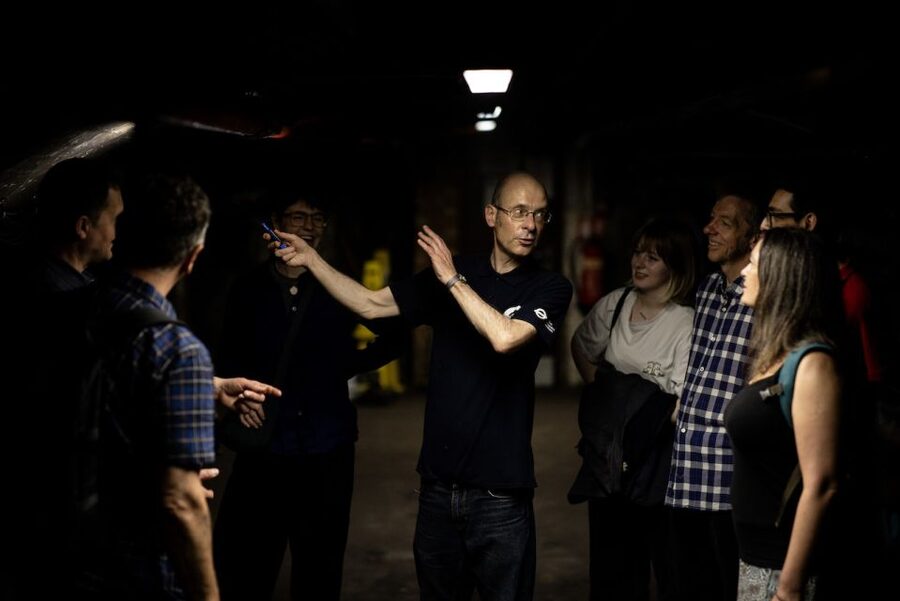
A good guide is essential here because the hidden spaces do not explain themselves. An old shaft or sealed corridor may look plain until you understand who used it, when it was active, and why it was closed.
Anthony, Sophie, and Pat have led recent tours, and their style has been described as friendly, enthusiastic, and well prepared. That combination suits the setting. You need clear facts, but you also need someone willing to bring energy to spaces with little decoration.
The tour draws on the London Transport Museum’s archive and collection. That gives the guide material beyond the visible station fabric, including accounts of early passengers and staff life.
I would pay close attention to the personal stories. They give the route its character and help you see why a station can be important even in rooms that no longer serve passengers.
Is $60 a fair price?
At $60 per person, this is not the cheapest way to spend 85 minutes in London. You are paying for restricted access, a specialist guide, and a visit that cannot be recreated by simply walking through the public parts of Baker Street Station.
The value is strongest if you care about transport, engineering, London history, or places normally closed to the public. You are getting access to original and disused areas, including spaces not seen by the public for roughly 75 years. That is a more specific experience than a standard city walking tour.
The price is harder to justify if you want a broad introduction to London or prefer a relaxed route with frequent stops. This is a focused tour with a physical element. You should book it for the station’s hidden working spaces, not because it covers many separate London sights.
The London Transport Museum is the experience provider, and its connection to the Underground gives the tour a strong subject focus. You are not being taken through a generic old building. The setting and the organization behind the tour are closely linked to London transport.
Who should book this Baker Street tour?
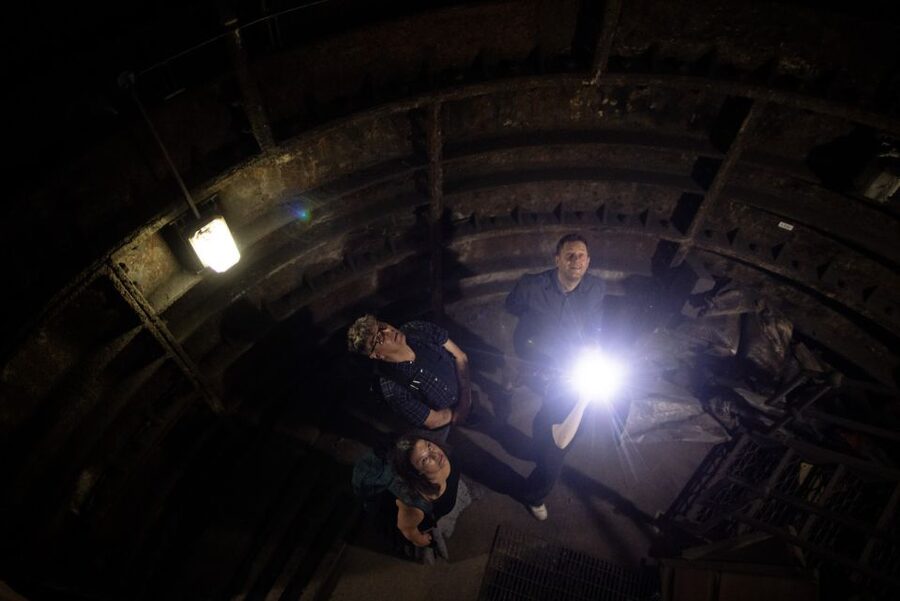
I would choose this for anyone who has already seen the main London sights and wants something more specific. It works especially well for people interested in railways, urban planning, engineering, Victorian London, and the development of public transport.
It also suits Sherlock Holmes fans who want to see another side of Baker Street. The meeting point is tied to Holmes, but the tour itself focuses on the Underground rather than detective fiction.
Families can join if children are at least 10 and comfortable with stairs and dim spaces. The four-child limit per adult is worth checking when planning a family booking.
I would skip it if you have mobility limitations, dislike enclosed areas, need elevator access, or want a gentle sightseeing walk. You should also avoid bringing suitcases or large bags, since luggage is not allowed.
Cancellation is flexible up to 24 hours before the tour for a full refund, and you can reserve now and pay later. Those terms help if your London plans are still shifting, but the physical demands should guide your decision more than the booking flexibility.
My verdict: book it for access, not convenience
Book this tour if you want to enter Baker Street Station’s old working spaces and understand why the Metropolitan Railway changed city travel. The original platforms, forgotten corridors, lift shafts, and staff rifle range offer details you cannot get from the regular Tube journey.
I like the balance between big transport history and ordinary working life. You learn about the first underground passengers, then hear how staff used the station as a workplace and headquarters. The enthusiastic guides, including Anthony, Sophie, and Pat, add the human touch the setting needs.
Skip it if you want comfort, easy access, or a broad London overview. For the right person, though, $60 buys a rare look at the machinery and spaces behind one of the world’s oldest underground networks.
FAQ
How long does the Hidden Baker Street Tube Station Tour last?
The tour lasts 85 minutes.
Where does the tour meet?
Meet your guide outside Baker Street Underground Station, in front of the Sherlock Holmes statue.
What language is the tour in?
The live guided tour is conducted in English.
What areas of Baker Street Station can I see?
The tour includes closed-off parts of the station such as original platforms, old lift shafts, hidden corridors, and a staff rifle range.
Can children join the tour?
Children must be at least 10 years old. No more than four children aged 10 to 15 are allowed per adult.
Is the tour suitable for people with mobility impairments?
No. The route includes substantial walking, uneven ground, low lighting, and stairs. There are no elevators.
Is the tour suitable for people with claustrophobia?
No. The tour enters enclosed underground areas and is not suitable for people with claustrophobia.
What should I bring?
Bring comfortable shoes, water, and a passport or ID card.
Can I cancel or pay later?
You can cancel up to 24 hours in advance for a full refund. You can also reserve your place and pay later.
Just added around London
- London: “Queen” Highlights Walking Tour★ 4.3 · 48 reviews
- Couple’s photo: Romantic photoshoot in London★ 4.8 · 22 reviews
- London: Private Tour with Locals – Highlights & Hidden Gems★ 5.0 · 8 reviews
- Luxury Private Tour in London with Lunch★ 5.0 · 7 reviews
- London 1- or 2-Hour Professional Photo Shoot★ 4.9 · 6 reviews
- London: Private Black Cab Night Tour with Hotel Pick Up★ 5.0 · 11 reviews
- London: Christmas Lights Tour – With Christmas Music★ 4.8 · 9 reviews
- London: Buckingham Palace & Big Ben & Abbey Private Tour★ 5.0 · 7 reviews
London Underground and Tube Tours, compared.
Guided Tour of Hidden Tube Station at Charing Cross
Read our review →
Hidden Tube Tour – Piccadilly Circus: The Heart of London
Read our review →
Browse the lists this tour appears in