
Reviewed · LONDON UNDERGROUND AND TUBE TOURS
London: Private Underground and Tube Tour
London’s Underground is not just a way to get across town. It is a working museum beneath your feet, with old rivalries, odd station designs, abandoned platforms, and a map that is useful but far from geographically honest. This private tour turns an ordinary Tube ride into a guided lesson in how London grew below ground.
I like the private group format, which gives you room to ask questions and set the pace. I also like the route’s focus on small details, from why Circle line direction once mattered to the remains of London’s ghost stations. The main drawback is practical: you need to pay your own Tube fare, and the tour involves stations and stairs that are not suitable for wheelchair users or prams.
Key points to know before booking
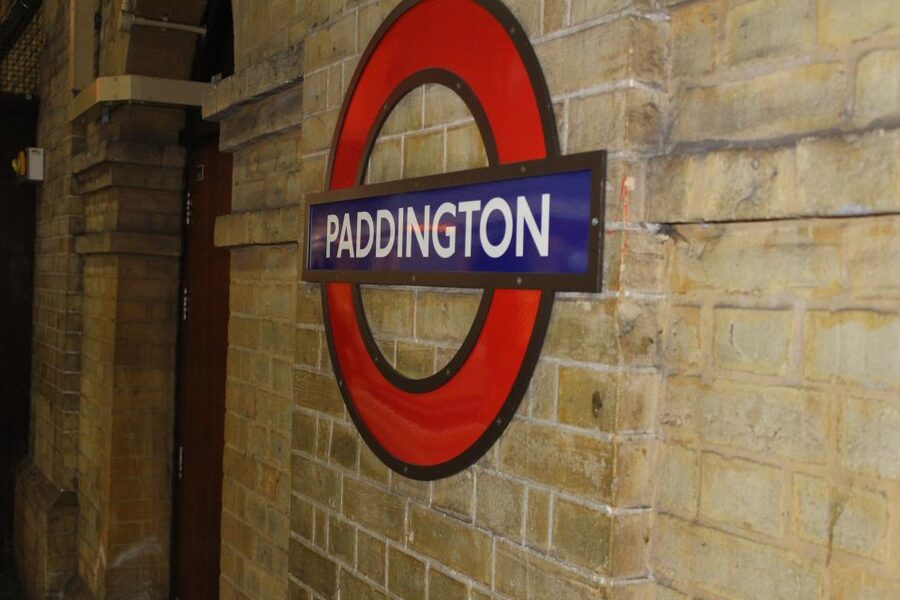
- Start beneath Paddington’s Platform 1 clock, an easy meeting point inside one of London’s best-known stations.
- Travel along London’s oldest stretch of railway line while learning how the Underground began in 1863.
- Visit famous, deep, unusual, and beautiful stations, with the exact route adjusted when network improvement work affects access.
- Hear about rival railway companies, the switch from steam to electric trains, and the story behind today’s Tube network.
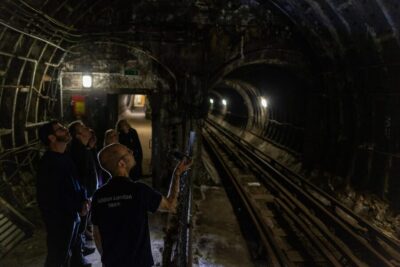
- Explore ghost stations and overlooked details that most passengers pass without noticing.
- Allow 165 minutes, and bring a Zone 1 travel card or an Oyster card with at least £7 of pay-as-you-go credit.
Starting beneath Paddington’s Platform 1 clock
The tour begins underneath the clock on Platform 1 at Paddington Station. This is a sensible meeting point, but Paddington is a large station, so give yourself time to find the right platform and clock. You will need to arrive with your own Zone 1 travel card or an Oyster card loaded with at least £7 of pay-as-you-go credit.
From the first few minutes, the subject is bigger than trains. The Underground opened in 1863, at a time when London’s streets were struggling with congestion and rapid growth. The early railway was a bold attempt to move people below the city, and the system that grew from it now forms one of the world’s major urban rail networks.
I like beginning at Paddington because it gives the guide a natural place to explain how London’s Tube was built in pieces. Different lines were once controlled by rival companies, each with its own plans, engineering choices, and commercial interests. What looks like one unified system today began as a collection of competing railways.
Your guide may be Rory, Fiona, Jericho, Chris, or another member of the guiding team. The strongest feature of the tour is the personal explanation. Rory is described as particularly entertaining and attentive, while Fiona made one birthday outing feel relaxed and easy from the start. Jericho and Chris are also praised for making the subject clear and engaging.
More London Underground and Tube Tours:
- London: Secrets of the London Underground Walking Tour
★ 4.6 · 211 reviews - Aldwych: Hidden Tube Station Guided Tour
★ 4.8 · 54 reviews - London: Hidden Baker Street Tube Station Tour
★ 4.7 · 51 reviews
Following the oldest Underground railway
One of the tour’s central features is travel along London’s oldest stretch of railway line. This is where the age of the system becomes more than a date in a history book. You are moving through a railway that has been altered, expanded, electrified, and adapted for more than a century and a half.
The guide explains how London first received its Underground and why the earliest trains were not electric. Steam engines were used in the beginning, which created obvious problems in enclosed tunnels. The move to electric trains changed the practical limits of underground travel and helped make a much larger network possible.
The tour does not treat engineering as a dry technical subject. You will hear how ownership shaped the lines, why routes do not always follow the logic of a modern transport plan, and how old decisions still affect the way you move through London today.
This part will suit anyone who has wondered why Tube lines seem to join, split, curve, or change character without much warning. You do not need a special interest in railways. The stories connect the trains to London’s growth, transport needs, and changing technology.
Seeing famous stations with new eyes
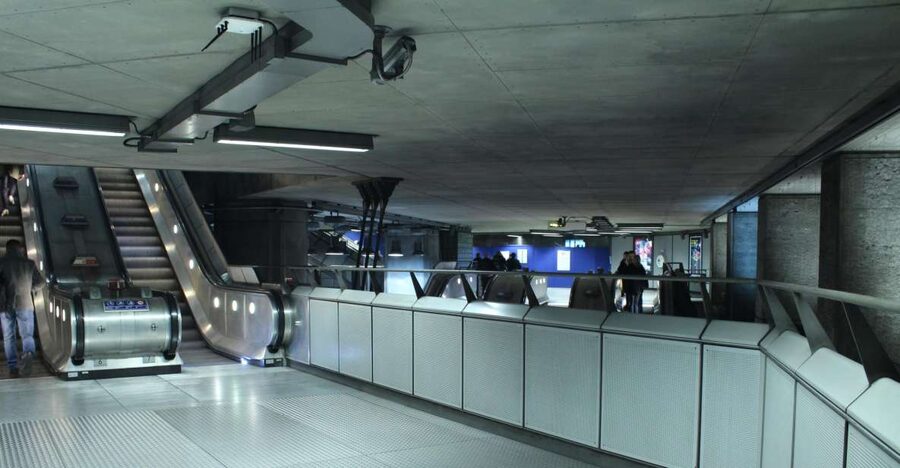
The route takes you to some of London’s most famous, deepest, beautiful, and peculiar Underground stations. The exact path can change slightly when improvement work is taking place, so you should think of the tour as a guided exploration of the network rather than a fixed checklist of stops.
That flexibility is useful. The Underground is a working railway, not a preserved attraction. Stations close sections for repairs, entrances change, and routes can be affected by improvement projects. A guide who adjusts the plan can keep the experience moving instead of treating the published route as more important than the railway itself.
At each station, the point is to notice what regular passengers miss. You might examine how a station’s design reflects its age, how different railway companies left their mark, or how the Tube map simplifies the real distance between places.
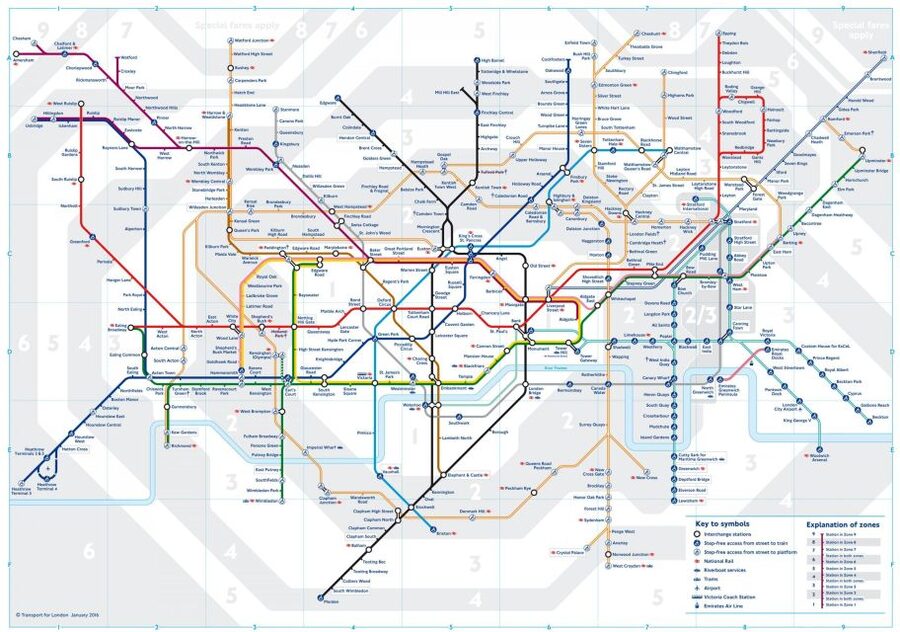
The map discussion is especially helpful. London’s Tube map is famous because it is easy to read, not because it shows the city exactly as it is. Its clean lines and simplified spacing help you plan journeys, but they can also make nearby places look farther apart or distant places seem close. The guide uses this familiar object to show how the Underground is both a physical network and a carefully designed piece of communication.
The Circle line question
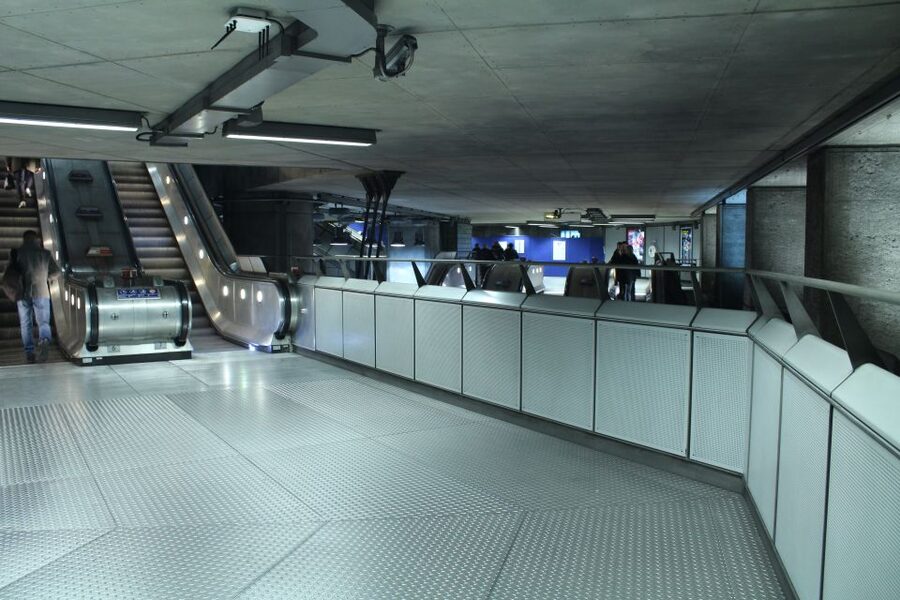
One of the tour’s more unusual subjects is why it was once important to know which way you were travelling on the Circle line. Today, many passengers think of the line as a simple loop, but its history and operation are less tidy than the diagram suggests.
This is the sort of detail that makes the tour worthwhile. You probably use the Tube by following colored lines, station names, and signs. The guide adds the backstory behind those choices, explaining why a route works the way it does and why a basic question about direction once mattered.
I like this material because it changes how you read the network after the tour. You begin to see the Tube map as a record of old companies, old track, and later changes, rather than a perfect picture of London. Familiar journeys can suddenly look like small pieces of transport history.
More Private:
- The Premier Classic London: Private 4-Hour Tour in a Black Cab
★ 5.0 · 2,737 reviews - Stonehenge Inner Circle Private Tour from London with Bath Visit
★ 5.0 · 1,909 reviews - London: Tower of London Entry & Beefeater Private Audience
★ 4.4 · 1,441 reviews - Private Tour: Black Taxi Tour of London
★ 5.0 · 1,153 reviews
Finding London’s ghost stations
The tour also introduces London’s ghost stations. These are former or unused stations and areas that no longer serve passengers in the ordinary way. The subject adds a sense of mystery, but the value is not just spooky atmosphere. Ghost stations show how the Underground changes as neighborhoods, passenger numbers, engineering needs, and railway plans shift.
Some of these places may be glimpsed only through explanation or from the passing route, depending on the day’s plan and network conditions. The tour description does not promise entry into every abandoned station, so you should not book expecting a theatrical underground expedition. The appeal is learning what is there, what disappeared, and why the system no longer uses certain spaces.
This is also where the guide’s storytelling matters. A list of closed stations would be forgettable. A well-told explanation connects each abandoned space to the larger story of London’s transport network.
What the 165 minutes feel like
The advertised duration is 165 minutes, or two hours and 45 minutes. That is long enough to cover several parts of the Underground without turning the tour into a rushed dash between platforms.
You should expect a mix of walking, station visits, waiting for trains, and short Tube journeys. The experience is not a seated museum talk. Comfortable shoes will help, and you should be ready for the ordinary movement of a busy railway station.
There is no scheduled toilet stop mentioned. One participant specifically found the lack of a loo break inconvenient, particularly as an older woman. I would plan ahead and use facilities before meeting the guide, especially because the tour lasts close to three hours.
The tour ends at Westminster Station according to the route description. However, the meeting information also says the activity ends back at the meeting point. Those details do not match, so confirm the final location when booking. This matters if you have theater tickets, a dinner reservation, or a connection to catch.
Why a private guide changes the experience
A private group gives you a more personal format than a large shared walking tour. You can ask why a particular line developed, stop for clarification, or spend more time on the subjects that interest you most.
That flexibility appears to be one of the tour’s strongest points. Rory is described as willing to continue beyond the planned time because the group had many questions. That does not guarantee an extended tour every day, but it suggests that the format allows a real conversation rather than a fixed speech.
Fiona is also singled out for creating a warm, comfortable start and making familiar stations feel new. Jericho is praised for combining information with a pleasant pace, while Chris is described as enthusiastic and clear. Guide assignments can change, so you cannot select a particular personality unless the provider confirms it.
The private format is best for couples, families with older children, or small groups who want to ask questions freely. It is less useful if you prefer to wander alone, dislike public transport, or want a short sightseeing stop with no walking.
Price, Tube fare, and overall value
The price is $84.86 per person, before your Tube travel costs. For a 165-minute private experience, that is not a budget attraction, but the value depends heavily on your group size and interest in the subject.
If you are booking for several people together, the private format can feel more reasonable because you are paying for a dedicated guide rather than simply joining a large crowd. The guide’s interpretation is the main product. You are paying for access to stories, context, and details that you would not get by riding the Tube with a map or guidebook.
You also need to budget for transport separately. A Zone 1 travel card or Oyster card with at least £7 of credit is required. The exact amount you spend can depend on your card and the journeys made during the tour, so treat the $84.86 as the tour price, not the full cost of the outing.
The value is strongest if you have used the Underground before and want to understand it better. If you are only looking for a cheap way to see London landmarks, a standard Tube ride will cost much less. If you enjoy urban history, transport systems, architecture, or odd corners of familiar places, the private guide adds real substance.
Access, comfort, and practical limits
This is not a suitable activity for wheelchair users or parents with prams. Baby carriages are not allowed, and the stations visited may include stairs, narrow passages, or other access problems.
The tour takes place within the working Underground system, so conditions can change. Network improvement work may alter the route, and the experience is not a controlled museum environment. You should be comfortable walking through stations and transferring between lines.
English is the tour language. Since the activity is private, it can be a good fit for an English-speaking family or small group that wants to ask detailed questions without competing with a large crowd.
Cancellation is flexible up to 24 hours before the tour for a full refund, and you can reserve now and pay later. Those terms are useful if your London plans are still shifting, but the key practical decisions are still your Tube fare, mobility needs, and ability to walk for nearly three hours.
Who should book this Underground tour?
I would choose this tour if you want London history in an active setting rather than inside a museum. It is especially good for people who already know the basic Tube lines and want to understand why the network looks and operates as it does.
It also suits a repeat visitor. You may have passed through Paddington, Westminster, or other central stations many times, yet still miss the details that explain their design and history. The guide helps you slow down and look around.
Families with older children can enjoy it if they are interested in trains, tunnels, inventions, or strange city stories. The private format makes it easier to keep the discussion at the right level and answer a child’s unexpected question.
I would be cautious if you have limited mobility, need a guaranteed toilet break, or have a tight schedule afterward. The route can change, the tour uses public transport, and the final meeting information should be clarified because Westminster and Paddington are both mentioned as the ending point.
Should you book it?
Book this tour if you want to turn an everyday Tube journey into a story about engineering, rivalry, technology, and London’s growth. The strongest reasons are the private guide, the access to lesser-known details, and the chance to learn about ghost stations and the Circle line in a clear, conversational way.
Skip it if you want a landmark-heavy tour above ground or if you prefer a low-cost activity with no extra transport fare. For an Underground enthusiast, a curious first-time visitor, or a small group that likes asking questions, the $84.86 price can be fair value. Just arrive ready to walk, load your Oyster card, plan a toilet stop, and confirm where the tour finishes.
FAQ
Where does the London Underground tour begin?
It begins underneath the clock on Platform 1 of Paddington Station.
Where does the tour end?
The route description says the tour concludes at Westminster Station. The meeting information also says the activity ends back at the meeting point, so confirm the final location when booking.
How long does the tour last?
The tour lasts 165 minutes, or two hours and 45 minutes.
What language is the tour in?
The live tour is conducted in English.
Is this a private tour?
Yes. It is offered for a private group.
Do I need to pay for Tube travel separately?
Yes. Travel costs are not included. You need a Zone 1 travel card or an Oyster card with at least £7 of pay-as-you-go credit.
Is the tour wheelchair accessible?
No. It is not suitable for wheelchair users because of the nature of the locations visited.
Can I bring a pram or baby carriage?
No. Baby carriages are not allowed, and the tour is not suitable for parents with prams.
Can I cancel for a refund?
Yes. You can cancel up to 24 hours in advance for a full refund. You can also reserve now and pay later.
Just added around London
- London: “Queen” Highlights Walking Tour★ 4.3 · 48 reviews
- Couple’s photo: Romantic photoshoot in London★ 4.8 · 22 reviews
- London 1- or 2-Hour Professional Photo Shoot★ 4.9 · 6 reviews
- London: Private Tour with Locals – Highlights & Hidden Gems★ 5.0 · 8 reviews
- Luxury Private Tour in London with Lunch★ 5.0 · 7 reviews
- London: Private Black Cab Night Tour with Hotel Pick Up★ 5.0 · 11 reviews
- London: Christmas Lights Tour – With Christmas Music★ 4.8 · 9 reviews
- London: Private Pub Tour★ 4.5 · 4 reviews
London Underground and Tube Tours, compared.
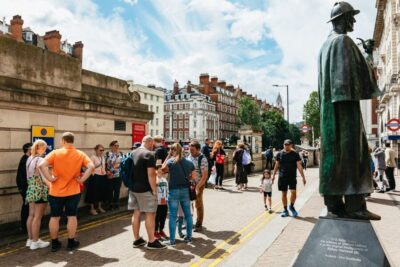
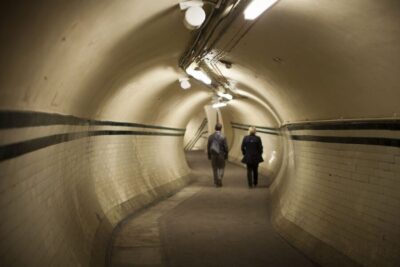



Guided Tour of Hidden Tube Station at Charing Cross
Read our review →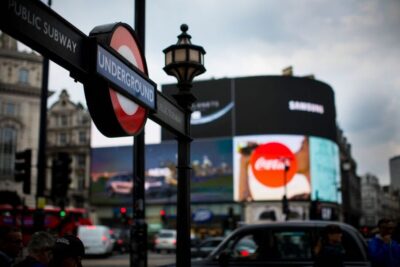
Hidden Tube Tour – Piccadilly Circus: The Heart of London
Read our review →
Browse the lists this tour appears in