
Reviewed · LONDON UNDERGROUND AND TUBE TOURS
Hidden Tube Tour – Piccadilly Circus: The Heart of London
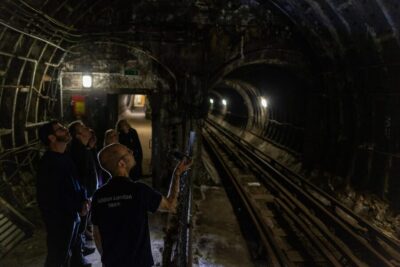
Beneath Piccadilly Circus, one of London’s busiest spots, is a quieter world of sealed passageways, old lift shafts, and station spaces closed to passengers since 1929. This 75-minute tour gives you access to parts of the Underground that ordinary Tube passengers never see.
I like the strong historical focus, especially the stories of Londoners who sheltered here during wartime. I also like the chance to see original Edwardian design features instead of only modern platforms and signs. The main drawback is practical: you’ll climb stairs, walk over uneven ground, and spend time in low light, so this is not a good choice if you have claustrophobia or mobility limits.
Key points to know before you go
- Enter through Exit 4: Meet at the bottom of the stairs at the corner of Shaftesbury Avenue and Coventry Street, beside the Criterion Restaurant.
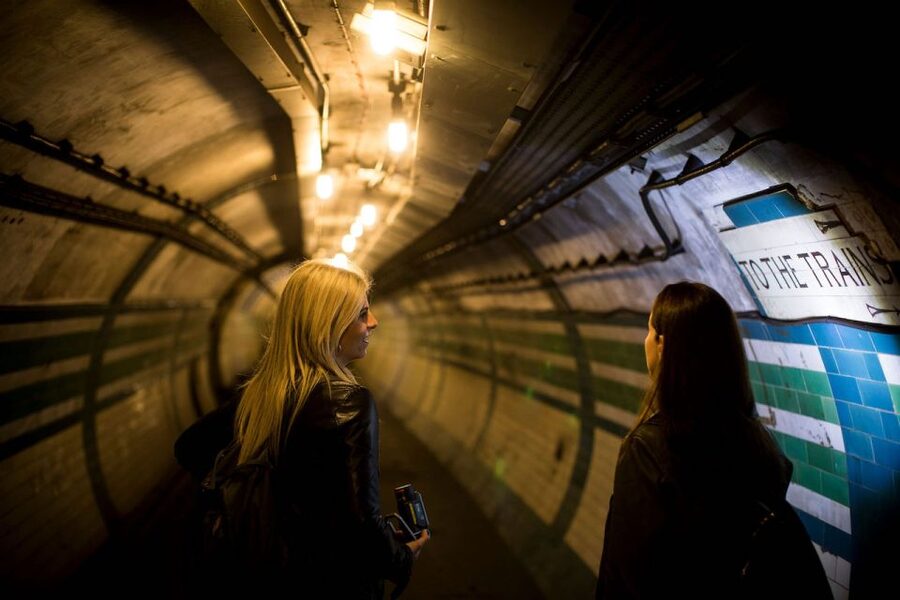
- See areas closed since 1929: The route includes disused passenger tunnels and lift shafts that no longer serve the public.
- Hear wartime stories: The guide explains how people used the station for shelter during wartime.
- Look for Edwardian details: The original station design gives the tour much of its character.
- Plan for stairs and low light: There is no elevator, and the route includes uneven surfaces.
- Bring identification, not luggage: You need a passport or ID card, while large bags, food, drinks, and open-toed shoes are not allowed.
Why Piccadilly Circus has a secret side
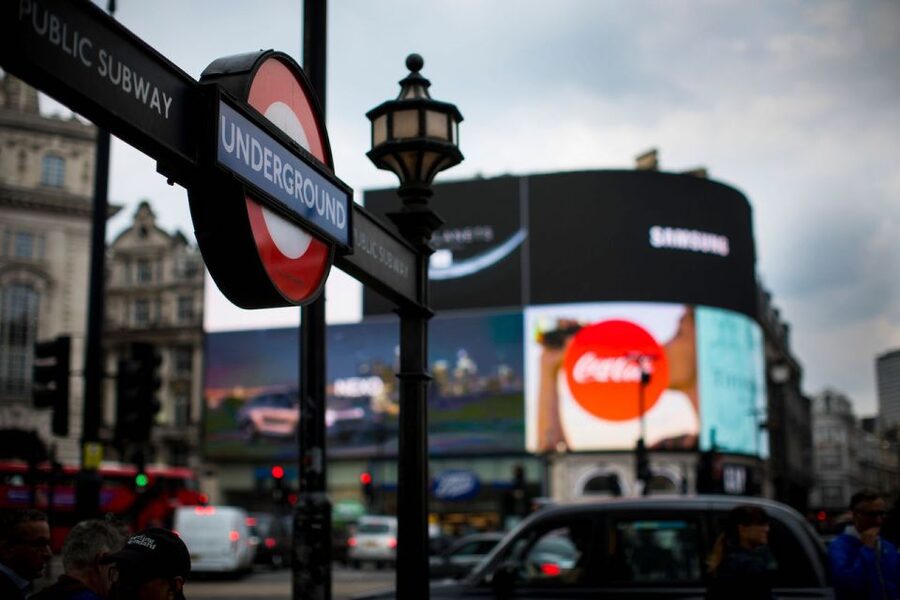
Piccadilly Circus is one of the most recognizable places in London. Above ground, you have bright advertising screens, traffic, theatres, shops, and the familiar statue at the center of the junction. Below ground, Piccadilly Circus Underground station has a much older story.
The station opened in 1906, serving the Bakerloo and Piccadilly lines. London was growing quickly, and the Tube had to keep adjusting to larger crowds. Between 1925 and 1928, Piccadilly Circus received major upgrades to cope with passenger demand.
That work created much of what makes the station interesting today. The Underground was not built once and left alone. It was altered, expanded, redirected, and repurposed as London changed. On this tour, you see the leftover spaces created by that process.
I find that idea more useful than a simple collection of old rooms. The closed passageways show how a working transport system evolves. A corridor that once helped passengers reach a platform can later become surplus space, a wartime shelter, or a place for secure storage.
The tour is run by London Transport Museum, and its guides use material drawn from the museum’s archive and collection. That gives the visit a clear historical purpose. You are not simply walking through an abandoned tunnel. You are learning why the spaces existed and how their role changed.
More London Underground and Tube Tours:
- London: Secrets of the London Underground Walking Tour
★ 4.6 · 211 reviews - Aldwych: Hidden Tube Station Guided Tour
★ 4.8 · 54 reviews - London: Hidden Baker Street Tube Station Tour
★ 4.7 · 51 reviews
Starting beside the Criterion Restaurant
Your meeting point is easy to describe, but Piccadilly Circus can be confusing when you are moving through a crowded central London junction. Go to Piccadilly Circus Underground station and find Exit 4. The meeting point is at the bottom of the stairs, at the corner of Shaftesbury Avenue and Coventry Street, next to the Criterion Restaurant.
Give yourself enough time to find the correct exit. Piccadilly Circus has several exits, and arriving at the wrong one can mean crossing busy streets or searching around the junction. The tour ends back at this same meeting point.
The price is about $60.61 per person. That is not cheap for a 75-minute activity, especially if you are comparing it with a standard museum admission. The value comes from the restricted access. You are paying for a guided visit to parts of a major station that are not open for ordinary sightseeing.
That price makes the tour a better fit for someone with a strong interest in London, transport, architecture, or wartime history than for someone looking for a general introduction to the city. If your schedule is tight, the short duration helps. You get a focused experience without giving up half a day.
The tour is offered in English with a live guide. The published rating is 4.4 from 15 ratings, and the praise focuses on guides who are informative, enthusiastic, kind, pleasant, and humorous. That matters here. Closed tunnels can be visually plain, so the guide’s storytelling does much of the work.
Behind the secret doors
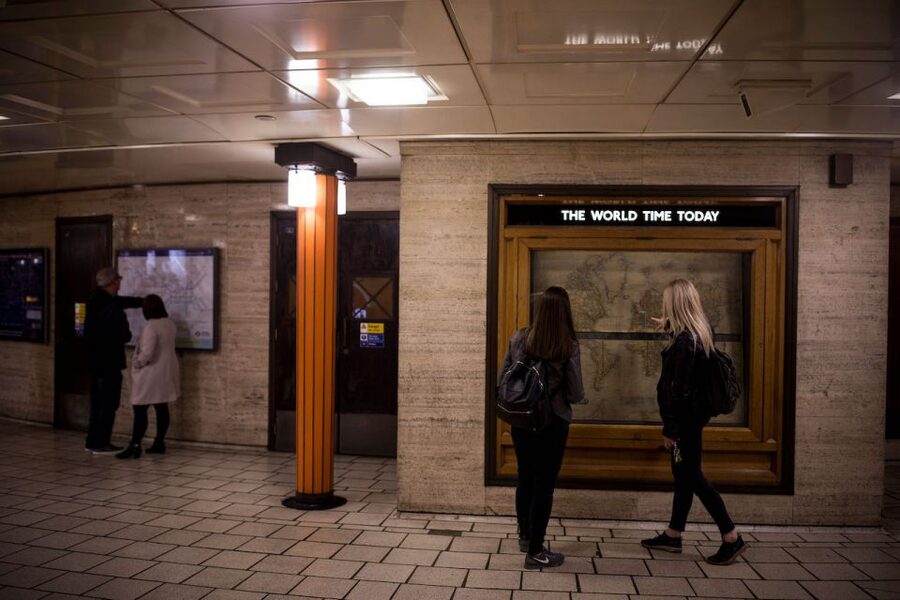
After meeting the guide, you head into parts of Piccadilly Circus station that are normally off limits. The route includes passageways and lift shafts closed to the travelling public since 1929.
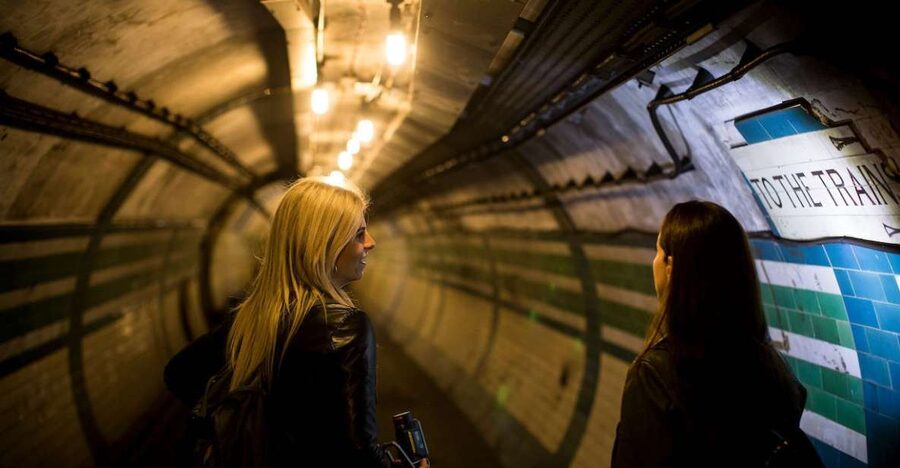
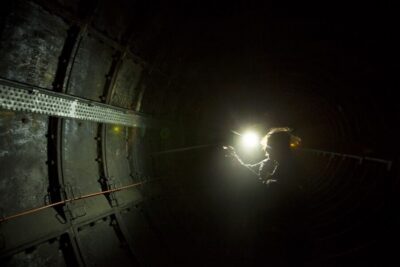
Do not expect a smooth, polished attraction. The appeal is precisely that these are working Underground spaces from another era, not rooms rebuilt for a modern exhibition. You may notice worn surfaces, tight passages, subdued lighting, and the practical feel of infrastructure designed for function rather than display.
The original Edwardian features help you picture the station when it was new. Edwardian design in public transport was often both decorative and practical, and the surviving details offer clues to the standards London once expected from a major station.
Your guide will point out what you are seeing and explain how the station’s layout changed. Without that context, a sealed corridor might look like little more than an old tunnel. With the story attached, it becomes evidence of a particular stage in London’s growth.
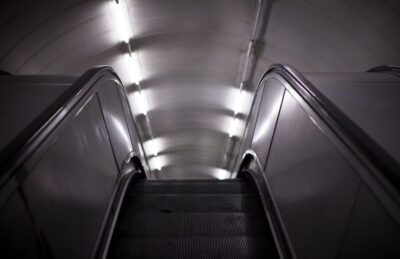
The route is not step free. You will walk up and down flights of stairs, and there is no elevator. The information also warns of uneven ground and low lighting. Wear sturdy shoes with closed toes, and choose clothing that lets you move comfortably.
Wartime shelter stories below London
One of the most human parts of the tour is the story of wartime sheltering. During wartime, Tube stations served more than transport needs. People took refuge underground, using the depth and structure of the system for protection.
Piccadilly Circus offers a direct way to understand that part of London’s past. The station was built to move people, but in a crisis it also became a place where people sought safety. Your guide explains how wartime shelterers used the station and places those events within the wider life of London.
This is where the tour moves beyond architecture. Old tiles, tunnels, and lift shafts show how the station was built. The shelter stories show how Londoners used it under pressure.
You should not expect a recreated shelter scene or a theatrical performance. The strength is in the location itself and the guide’s explanation. You are standing in the same underground station that had to serve a very different purpose during a dangerous period.
For me, this is likely to be the most memorable part for anyone interested in everyday history. It connects a famous London landmark with people who depended on the Underground in a practical and urgent way.
A different sort of day out in London altogether:
- From London: Harry Potter Warner Bros Studio Tour
★ 4.7 · 26,588 reviews - London: Westminster to Greenwich River Thames Cruise
★ 4.5 · 22,836 reviews - Magical London: Harry Potter Guided Walking Tour
★ 4.7 · 22,044 reviews - London: Madame Tussauds London
★ 4.6 · 20,915 reviews
Lift shafts, closed tunnels, and changing Tube design
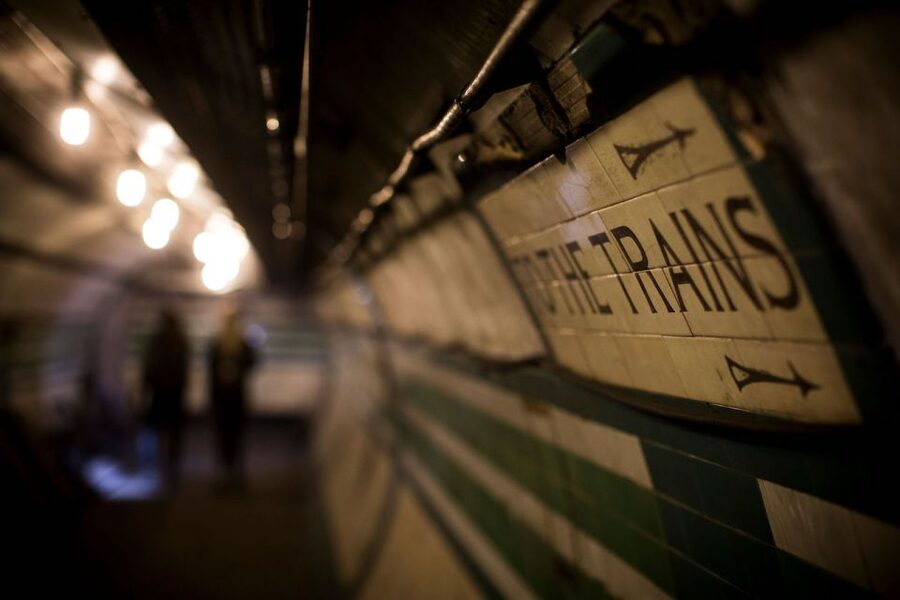
The disused passenger tunnels are a major reason to book. They have been closed to the public since 1929, which gives the visit a clear sense of access beyond the normal Tube network.
The tour also includes old lift shafts. These spaces help explain how passengers once moved through the station before later changes reshaped the route. The Underground is often pictured as platforms and trains, but stations also depend on stairs, lifts, passageways, ticket areas, and circulation routes hidden from view.
Piccadilly Circus had to handle increasing passenger numbers after opening in 1906. The improvements made between 1925 and 1928 show how engineers responded to that pressure. The changes were not just cosmetic. They affected how people entered, exited, and moved through the station.
This makes the tour useful for visitors who like engineering. You will not receive a general lecture about every London Underground line. Instead, you get one station as a case study in expansion and adaptation.
The physical conditions are part of the experience, but they also limit it. Low lighting can make details harder to see, and uneven ground requires attention. If you enjoy old infrastructure, those conditions may add to the sense of place. If you want an easy walk with clear floors and plenty of room, choose a different activity.
How priceless artefacts found a home underground
The station also has a connection with top-secret storage of priceless artefacts. Your guide explains how parts of the Underground were used for secure storage, adding another layer to the building’s story.
That detail changes the way you think about empty station space. A closed tunnel was not necessarily useless. It could be protected, controlled, and separated from the public while still offering a secure location in central London.
The attraction here is the unexpected change in purpose. Piccadilly Circus station began as a transport facility, later changed to meet passenger needs, sheltered people in wartime, and supported secure storage. The same underground setting could serve different public and official needs across the decades.
You will want to listen closely during this section. A few old features may be easy to overlook, but the guide’s explanation gives them meaning. The tour depends on interpretation, not on a large number of display objects.
What the 75-minute format does well
Seventy-five minutes is a sensible length for this type of visit. It is long enough to explore several disused areas and cover the station’s main stories, but short enough to fit into a busy day in central London.
You will spend the time walking rather than sitting. There are stairs, uneven ground, and low lighting, so the physical effort is more important than the clock suggests. Wear comfortable, sturdy footwear from the start.
The compact format also keeps the subject focused. You are not touring the entire London Underground. You are examining one important station and its changes over more than a century.
I like that focus. Piccadilly Circus is familiar to almost anyone visiting London, yet the tour gives you a new way to understand it. You can see the famous junction above ground before or after the visit, then connect it with the less visible station below.
Because the tour is guided in English, you should be comfortable following spoken historical explanations. The published comments about the guides point to an engaging, informative style, with humor used along the way. Still, the exact experience will depend on the guide and on how well you can hear in enclosed spaces.
Who should book this experience
I would recommend the tour to:
- People interested in London Underground history
- Visitors who enjoy old engineering and urban infrastructure
- Architecture fans looking for original Edwardian details
- Anyone curious about wartime life in London
- Repeat visitors who have already seen the usual central London sights
- Families with children aged 10 to 15 who can manage the walking and stairs
Children under 10 are not permitted. There can be a maximum of four children aged 10 to 15 for each adult, so families should plan around that rule.
This is less suitable for anyone with claustrophobia. The route includes enclosed spaces, low light, and areas that may feel tight. It is also not suitable for people with mobility impairments because the tour is not step free and has no elevator.
You must bring a passport or ID card. Leave large bags at your accommodation because there is no cloakroom, and luggage is not allowed. Food and drinks are also prohibited, as are open-toed shoes.
Practical value at about $60.61
At about $60.61 per person, this is a specialist tour rather than a budget sightseeing stop. I would not book it simply because you have a free hour in London. The subject needs to interest you.
For the right person, the cost is easier to justify. You receive a live guided visit to closed parts of a famous Underground station, historical interpretation from London Transport Museum, and access to spaces that have not been open to ordinary passengers since 1929.
The tour also adds something that a normal Tube ride cannot. You are not only travelling through London. You are looking at the infrastructure itself and learning how it served passengers, shelterers, engineers, and secure storage needs over time.
Free cancellation up to 24 hours before the tour and the option to reserve now and pay later make planning less risky. These policies do not reduce the price, but they help if your London schedule is still changing.
Should you book the Piccadilly Circus Hidden Tube Tour?
Book it if you want a close look at London’s underground past and you are comfortable with stairs, low light, and uneven surfaces. The best reasons are the closed tunnels, original Edwardian features, wartime shelter stories, and guides who bring the spaces to life with clear information and a friendly tone.
Skip it if you need step-free access, dislike enclosed spaces, or prefer a broad overview of London’s landmarks. At $60.61, it asks you to care about the subject.
For an architecture or transport enthusiast, this is a strong use of 75 minutes. For everyone else, consider your interests first. Above Piccadilly Circus, London puts on a bright show. Below it, this tour explains how the city built, changed, and reused the machinery beneath the streets.
FAQ
Where does the Piccadilly Circus Underground tour begin?
Meet at the bottom of the stairs at Exit 4 of Piccadilly Circus Underground station. Exit 4 is at the corner of Shaftesbury Avenue and Coventry Street, next to the Criterion Restaurant.
How long does the tour last?
The guided tour lasts 75 minutes. Starting times vary, so check availability when booking.
What language is the tour in?
The tour is conducted in English with a live guide.
Can children join the tour?
Children under 10 cannot join. Children aged 10 to 15 are allowed, with a maximum of four children in that age range per adult.
Is the tour accessible for people with mobility impairments?
No. The route is not step free, includes flights of stairs, and has no elevator. It also includes uneven ground and low lighting.
What should I bring and wear?
Bring a passport or ID card and wear sturdy, closed-toe shoes with suitable clothing. Open-toed shoes, food, drinks, luggage, and large bags are not allowed, and there is no cloakroom.
Just added around London
- London: “Queen” Highlights Walking Tour★ 4.3 · 48 reviews
- Couple’s photo: Romantic photoshoot in London★ 4.8 · 22 reviews
- London 1- or 2-Hour Professional Photo Shoot★ 4.9 · 6 reviews
- London: Private Tour with Locals – Highlights & Hidden Gems★ 5.0 · 8 reviews
- Luxury Private Tour in London with Lunch★ 5.0 · 7 reviews
- London: Private Black Cab Night Tour with Hotel Pick Up★ 5.0 · 11 reviews
- London: Christmas Lights Tour – With Christmas Music★ 4.8 · 9 reviews
- London: Private Pub Tour★ 4.5 · 4 reviews
London Underground and Tube Tours, compared.
Guided Tour of Hidden Tube Station at Charing Cross
Read our review →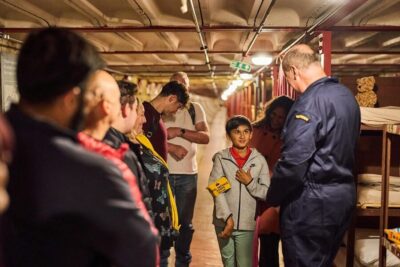
Browse the lists this tour appears in