
Reviewed · MUSEUMS
London: The Moonwalkers: A Journey with Tom Hanks Exhibition
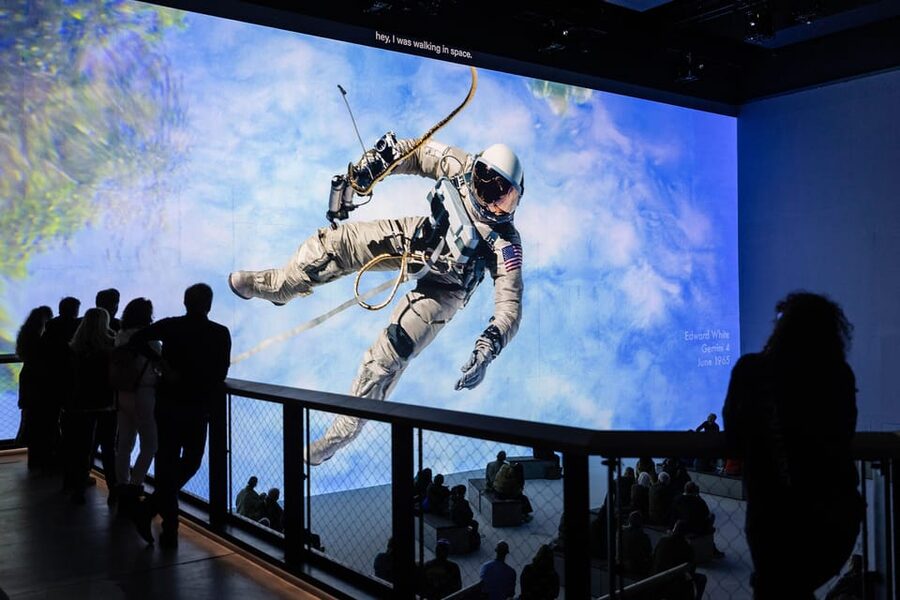
The Moonwalkers turns London’s Lightroom into a giant screen for the story of human travel to the moon. Tom Hanks provides the narration, while huge projections, interviews, archive film, and Anne Nikitin’s original score carry you from Apollo’s first steps toward the planned Artemis missions.
I like the scale of the presentation and the clear link between past and future. I also like the rare chance to hear Hanks narrate a space film he co-wrote with Christopher Riley. The main drawback is simple: this is a 50-minute audio-visual screening, not a hands-on museum exhibition, and some visitors may find the price high for the running time.
Key points to know
- Tom Hanks narrates and co-writes the film, with Christopher Riley, a double BAFTA-nominated writer-director known for space programmes.
- The Apollo missions get the main historical treatment, presented through archive footage, interviews, projection, and sound.
- The Artemis programme adds a modern edge, including behind-the-scenes material and conversations between Hanks and Artemis astronauts.
- Lightroom’s large projection space changes the scale, making familiar moon footage feel broader and more cinematic than a standard screen.
- The presentation lasts 50 minutes, though you should allow about an hour for the full visit.
- Comfort is worth considering, since one review praised the show but wished the seating had backrests.
A 50-minute journey from Apollo to Artemis
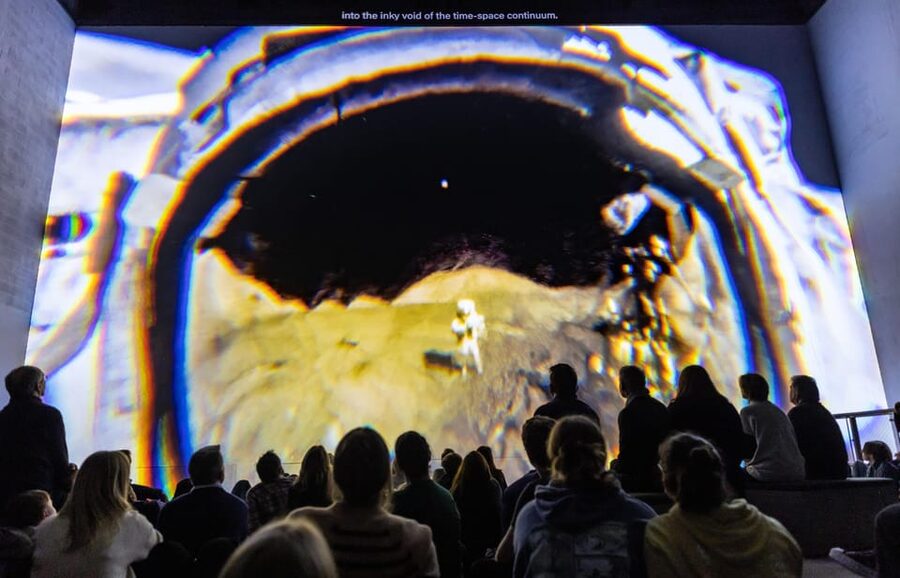
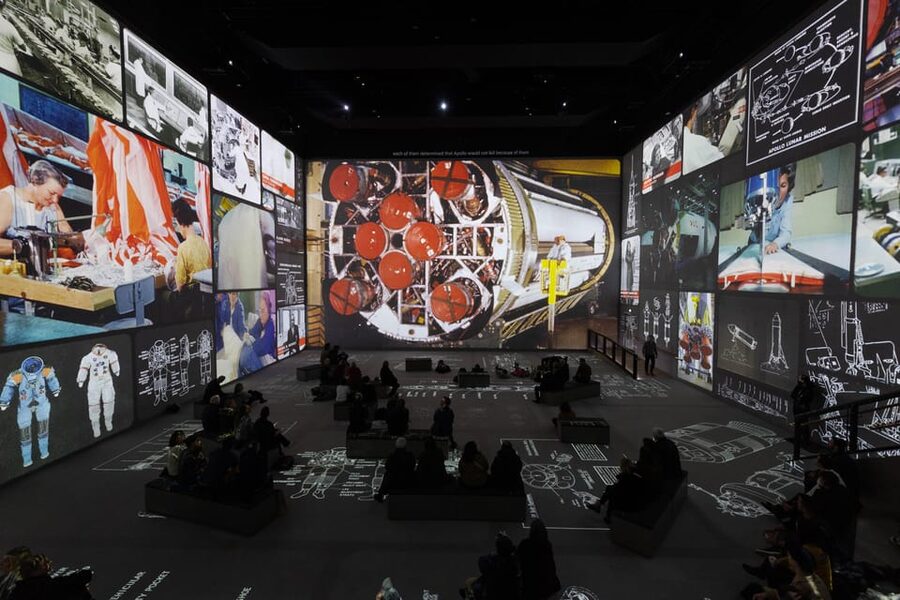
The Moonwalkers is built as a film rather than a traditional exhibition. You do not move through rooms of spacecraft, touch equipment, or read rows of display panels. Instead, you watch the story unfold across Lightroom’s powerful projection system, with sound filling the room around you.
The film begins with the Apollo missions and tells their story in close detail. That gives the production a useful sense of purpose. It is not just a collection of famous moon images. The focus is on the missions as a human undertaking, with the risks, planning, technical work, and people behind the public spectacle.
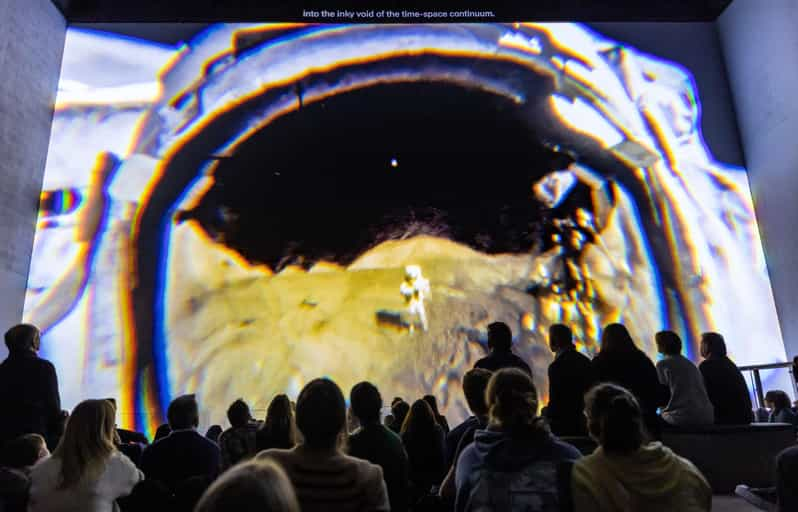
The large-scale image matters here. A normal television can show Apollo footage, but Lightroom gives it room to breathe. Rocket launches, lunar surfaces, spacecraft, and astronauts appear across a much larger field of view. The effect is designed for atmosphere and scale, not for the kind of close inspection you would get from a museum object.
I would approach this as a cinematic presentation about space, not as a lecture. Tom Hanks supplies the voiceover, giving the film a familiar Hollywood presence without requiring a live guide. Christopher Riley co-wrote the production with Hanks, bringing experience from major space films and television programmes made for the BBC, Netflix, and PBS.
More British Museum Tours:
- Tower of London and Crown Jewels Exhibition Ticket
★ 4.5 · 6,677 reviews - London: Chelsea Football Club Stadium and Museum Tour
★ 4.8 · 4,576 reviews - Chelsea FC Stadium Tours and Museum
★ 5.0 · 1,908 reviews
Apollo footage presented on a giant canvas
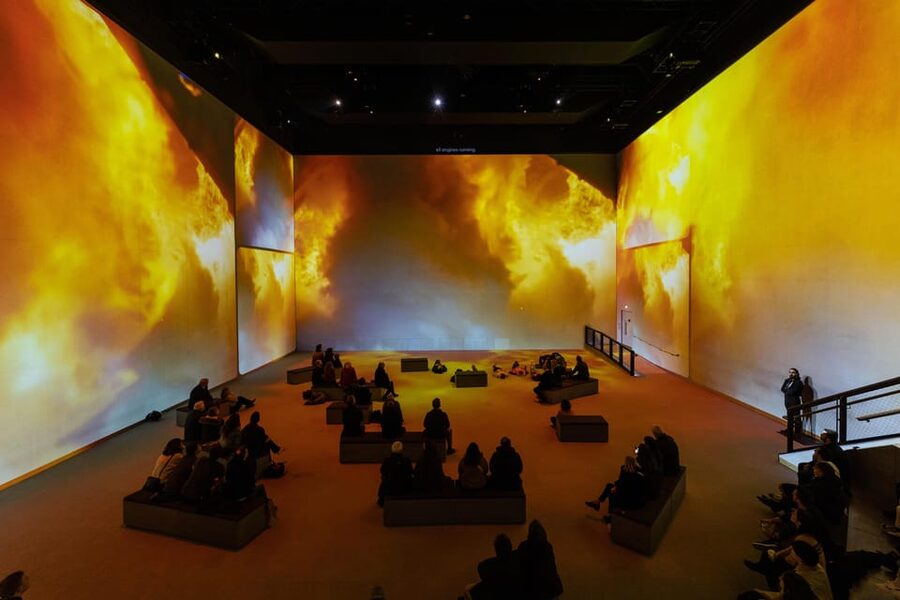
The Apollo section is the heart of the show. It revisits the missions that carried people to the moon, using archive material and a large projection environment to make the story feel immediate.
You will see the Apollo programme treated as a sequence of connected achievements rather than one isolated landing. The presentation aims to show the scale of the effort behind those missions, from the machinery and flight planning to the astronauts’ work on the lunar surface.
That distinction matters if you already know the famous images. The value is less about discovering a new fact at every turn and more about seeing familiar moments arranged into a single dramatic account. The giant images and original music give the material a strong emotional pull.
The score by Anne Nikitin is an important part of the production. A show like this could easily become a straightforward archive reel with narration laid over the top. The music gives it shape and pace, helping connect the quiet, human moments with the larger spectacle.
Still, you should set your expectations correctly. The production does not include a physical collection of moon artefacts, and the supplied details do not promise interactive displays or live demonstrations. If your ideal space visit involves hardware, technical diagrams, or a science centre full of exhibits, this may feel limited.
If you prefer a polished film with a strong soundtrack and a large visual field, the format should suit you better. The show is especially easy to understand if you are new to the Apollo story, while space fans may appreciate the presentation even when the basic history is familiar.
Artemis brings the story into the present
The production does not stop with Apollo. Its second major concern is the return of crewed surface missions through NASA’s Artemis programme.
This gives the show a useful forward direction. Apollo can sometimes feel sealed in the past, a remarkable chapter that ended decades ago. Artemis presents the moon as part of an unfinished story, with future crews preparing to return to the surface.
The Artemis material includes behind-the-scenes coverage and interviews between Tom Hanks and Artemis astronauts. Those conversations add a human voice to the modern programme. Rather than treating Artemis as a distant technical project, the film connects it to the people who may take part in the next stage of lunar exploration.
I like this contrast between archive material and current interviews. Apollo supplies the historic drama, while Artemis gives the film a reason to look ahead. You get a clear sense of the changing era, from the early race to the moon to a programme focused on returning there with new plans and new crews.
The exact balance between Apollo and Artemis is not specified, so I would not book this expecting equal time for each. The Apollo missions are described in the greatest detail, while Artemis provides the modern continuation and future-facing material.
Lightroom’s projection and sound do the heavy lifting
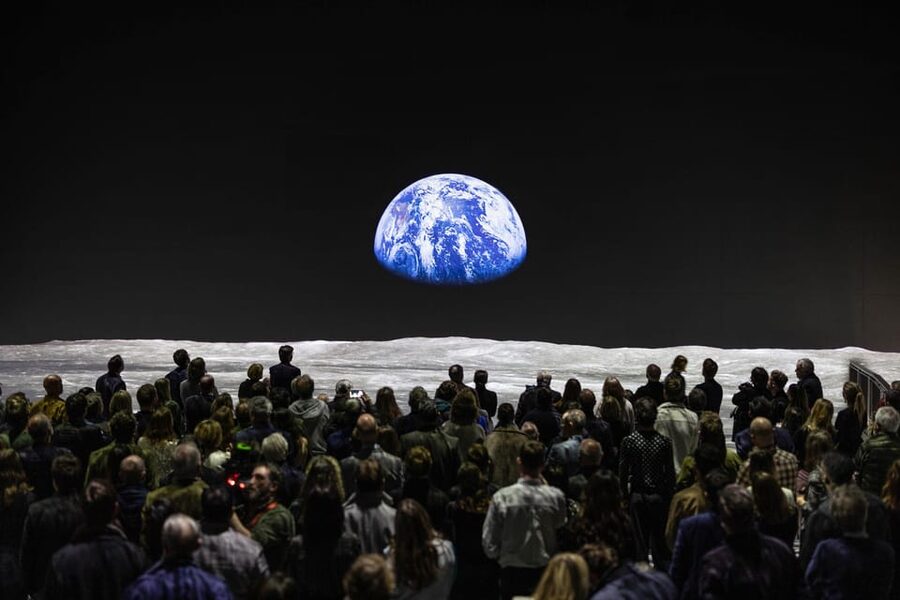
Lightroom’s technology is central to the visit. The venue uses large-scale projection and audio to transform its immense interior into a setting for the film.
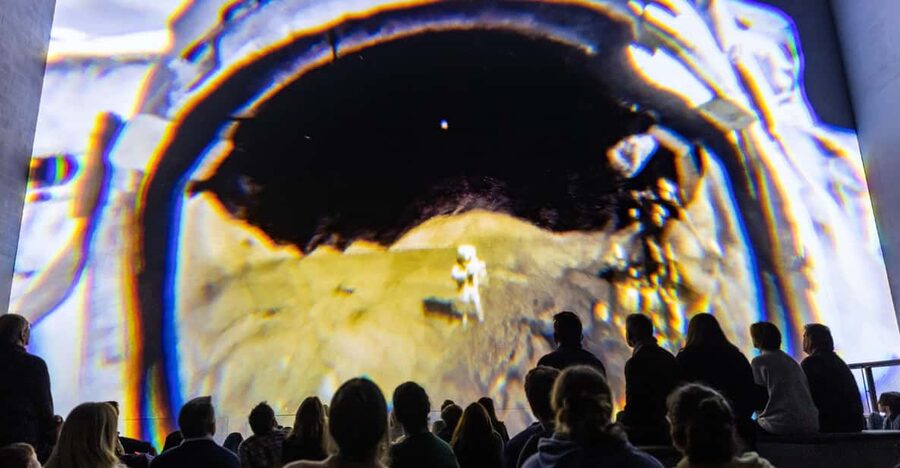
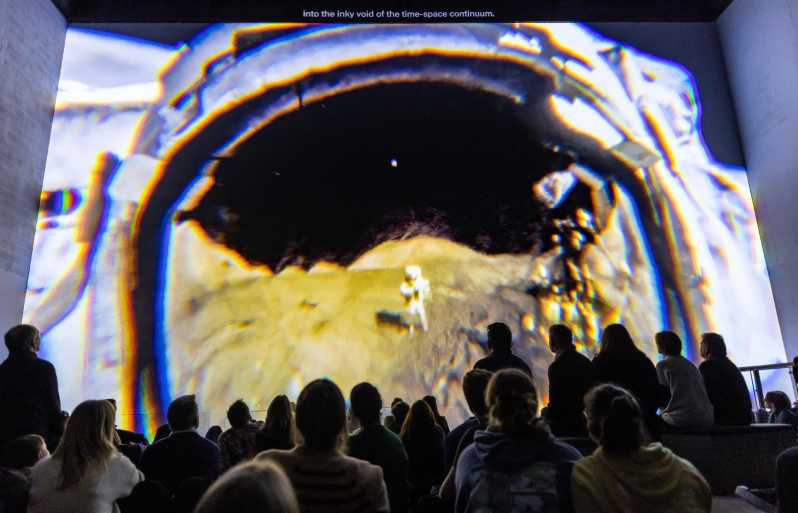
That means you are not watching a small rectangle from a fixed distance. Images can fill the room, while the soundtrack gives the programme a physical presence. This is the main reason to see The Moonwalkers in this format rather than simply watch a space documentary at home.
The scale also changes how archive film feels. Small details from old footage can become part of a much wider visual scene. A rocket, astronaut, or lunar view does not sit alone in the centre of a screen. It becomes part of an environment that surrounds your field of vision.
The trade-off is that this format places more weight on presentation than on new content. If you are judging the ticket only by the amount of information delivered, 50 minutes may feel short. If you are paying for the combination of narration, music, projection, and sound, the calculation is different.
One practical point concerns seating. A direct comment on the experience praised the show but wished the seats had backrests. That is worth noting if you need firm support or expect to sit comfortably for the full presentation. The available information does not describe the exact seating layout, so I would not assume cinema-style seats.
Flash photography is not allowed. That makes sense in a projection-based show, where bright flashes would distract from the presentation and affect the room’s carefully controlled lighting.
A different sort of day out in London altogether:
- From London: Harry Potter Warner Bros Studio Tour
★ 4.7 · 26,588 reviews - London: Westminster to Greenwich River Thames Cruise
★ 4.5 · 22,836 reviews - Magical London: Harry Potter Guided Walking Tour
★ 4.7 · 22,044 reviews - London: Madame Tussauds London
★ 4.6 · 20,915 reviews
Tom Hanks gives the production its human voice
Tom Hanks is not just attached as a celebrity narrator. He co-wrote The Moonwalkers with Christopher Riley, which gives his role more weight than a simple voiceover credit.
Hanks has long been associated with popular accounts of the Apollo era, so his involvement fits the subject. His voice helps guide you through complex events without making the film feel like a technical manual.
Christopher Riley’s contribution is also significant. His work includes major space films and television programmes for the BBC, Netflix, and PBS, and he is a double BAFTA-nominated writer-director. That background suggests a production designed to tell a clear story while keeping the science and human drama together.
You should still think of the narration as part of a crafted film, not as a personal appearance. There is no indication that Hanks attends the screening or speaks live. You hear his recorded voice as the film moves through Apollo and Artemis.
Anne Nikitin’s score completes the creative team. Her music is not a small background detail. In a room built for projection and sound, the score helps establish mood, momentum, and contrast between the danger of the early missions and the promise of future flights.
What the ticket includes, and what it leaves out
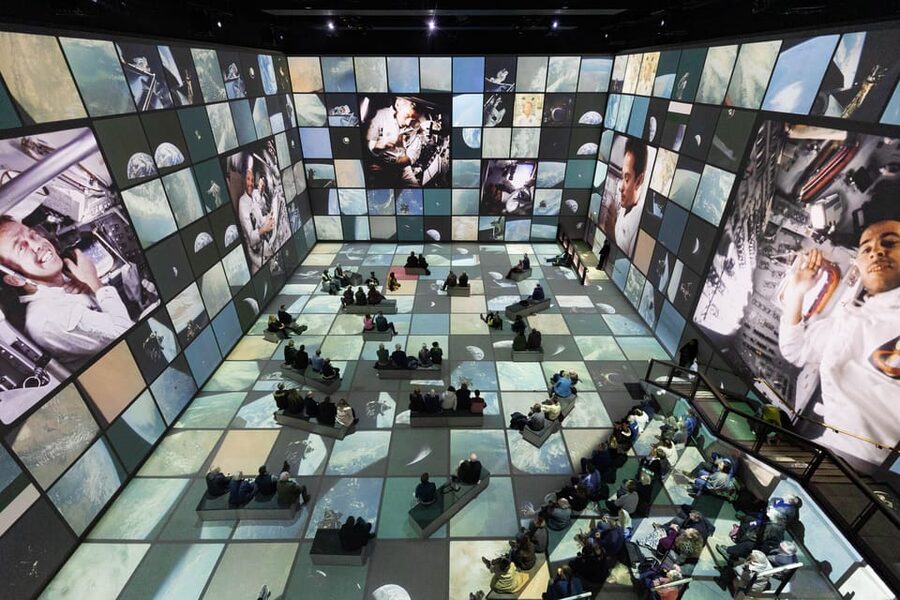
Your ticket includes entry to The Moonwalkers at Lightroom and the 50-minute audio-visual presentation. Food, drinks, and merchandise are not included, so any extras will be separate purchases.
The listed price is $33.67 per person. One response to the experience judged the roughly £25 cost too high for a 50-minute cinema-style presentation, suggesting that around £10 would feel more comfortable. That is a useful warning, even if your view of the value may differ.
I would judge the price by asking what you want from the visit. For a conventional museum exhibit, 50 minutes and no included refreshments may feel expensive. For a large-format film with original music, Tom Hanks narration, giant projection, and a special venue, the ticket may make more sense, particularly if you enjoy space documentaries and cinematic presentation.
The best comparison is not a free museum gallery. It is a premium film or visual event. If you are already in London and want a focused space-themed activity lasting about an hour, the price may fit your plans. If you are travelling on a strict budget, you may want to compare it with free science and history displays elsewhere in the city.
The show is also a better choice for a planned visit than an all-day attraction. You know the main presentation lasts 50 minutes, and starting times vary, so you can fit it around other London plans.
Who will get the most from The Moonwalkers
I would recommend this most strongly to:
- People who enjoy Apollo documentaries and want to see the story on a very large screen.
- Visitors curious about the Artemis programme and the return of crewed missions to the moon.
- Families or groups looking for a short, accessible introduction to lunar exploration.
- Film fans interested in Tom Hanks, Christopher Riley, and Anne Nikitin’s work.
- Anyone who values sound, music, and visual scale as much as museum objects.
It may be less suitable for you if you want a long, interactive visit. The production is also not the best match if you dislike sitting through narrated films or expect a live presentation.
The small-group information says the experience is limited to nine participants. That is an unusually small number for a large projection show, though the format itself remains a shared audio-visual presentation rather than a private tour. Wheelchair access is available, which makes it a practical option for visitors who need an accessible venue.
Timing, flexibility, and practical planning
The stated duration is one hour, with the actual audio-visual presentation lasting 50 minutes. Check the available start times before booking, since the exact schedule is not fixed in the information provided.
Free cancellation is available up to 24 hours in advance for a full refund. You can also reserve now and pay later, which helps if your London plans are still taking shape.
I would avoid building a packed schedule around the exact end time. The film itself is 50 minutes, but you may need a little extra time for arrival and departure. Since food, drinks, and merchandise are not included, plan those separately.
The no-flash rule is the main stated restriction. No special equipment or preparation is listed, and the venue is wheelchair accessible.
Should you book The Moonwalkers?
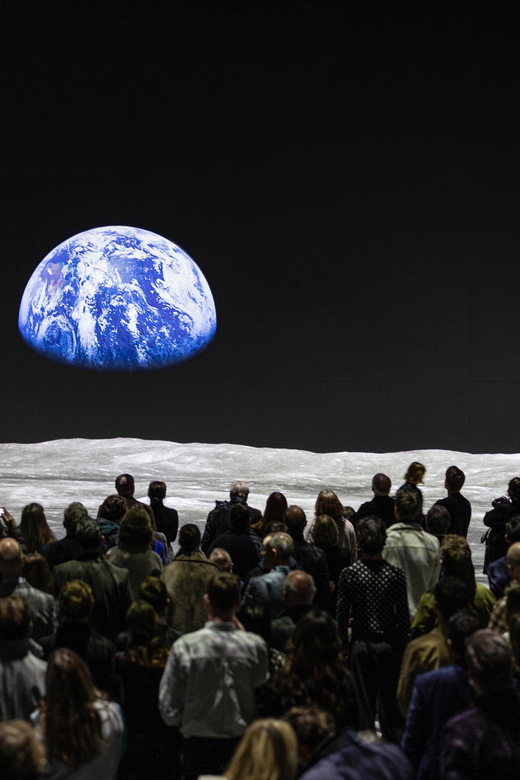
Book it if you want a short, polished space film with Tom Hanks narration, large projections, Anne Nikitin’s score, and a clear connection between Apollo and Artemis. The giant presentation gives the material a sense of size that ordinary home viewing cannot match.
Think twice if the $33.67 price feels high for 50 minutes or if you want physical exhibits and interactive science displays. The seating may not have backrests, so comfort could also affect your decision.
My practical verdict: this is best treated as a premium visual screening at Lightroom, not a full museum exhibition. For the right audience, especially Apollo fans and visitors curious about the next moon missions, it offers a focused and memorable hour. For budget-minded visitors, the value depends on how much you care about the large-scale projection and cinema presentation.
FAQ
How long does The Moonwalkers experience last?
The activity lasts about one hour, with the audio-visual presentation running for 50 minutes.
Who narrates The Moonwalkers?
Tom Hanks provides the voiceover. He also co-wrote the production with Christopher Riley.
What space programme does the presentation cover?
It tells the story of the Apollo missions and also looks ahead to NASA’s Artemis programme and the return of crewed surface missions.
Are Artemis astronauts included in the film?
Yes. The production includes interviews between Tom Hanks and Artemis astronauts, along with behind-the-scenes material about the Artemis programme.
Is wheelchair access available?
Yes. The experience is wheelchair accessible.
Can I cancel my booking?
Yes. You can cancel up to 24 hours in advance for a full refund.
Is food or merchandise included?
No. Food, drinks, and merchandise are not included in the ticket price.
Just added around London
- Kensington Palace VIP Garden Tour with Royal High Tea★ 4.5 · 71 reviews
- Up at The O2:Twilight Climb with Guided Tour with Panoramic Views★ 5.0 · 50 reviews
- Private Chauffeur-London Heathrow from/to Southampton Cruise Port★ 5.0 · 9 reviews
- Up at The O2: Sunset Climb with Guided Tour with Panoramic Views★ 5.0 · 110 reviews
- Secrets of the London Underground Small Group Walking Tour★ 4.5 · 38 reviews
- Urban Canvas: Exploring Shoreditch’s Vibrant Street Art★ 5.0 · 36 reviews
- Ultimate introduction to photography in Central London★ 5.0 · 19 reviews
- Full-Day Self-Guided Paris Tour from London by Eurostar with Seine River Cruise★ 3.5 · 22 reviews
Museums, compared.

Tower of London and Crown Jewels Exhibition Ticket
Read our review →
Chelsea Football Club Stadium and Museum Tour
Read our review →


Official tickets: Moco Modern & Contemporary Art Museum
Read our review →
British Museum London Guided Tour Semi-Private 8ppl Max
Read our review →
British Museum Audio Tour & Priority Entrance Ticket
Read our review →Browse the lists this tour appears in