
Reviewed · BRITISH MUSEUM TOURS
British Museum London Guided Tour Semi-Private 8ppl Max
The British Museum can swallow half a day before you have found the Rosetta Stone. This small-group tour of eight or fewer gives you a clear route through its greatest objects, with a guide explaining why they matter rather than leaving you to read labels in a daze.
I like the efficient 2.5-hour format, which suits a packed London schedule. I also like the human scale: guides such as Ivo, Jake, Laurence, James, Steph, and Guy have been praised for turning difficult subjects into lively stories and for answering questions with care. The drawback is that this is a highlights tour, not a full museum visit, and the $108.44 price is much higher than the cost of entering the museum on your own.
Key points to know before booking
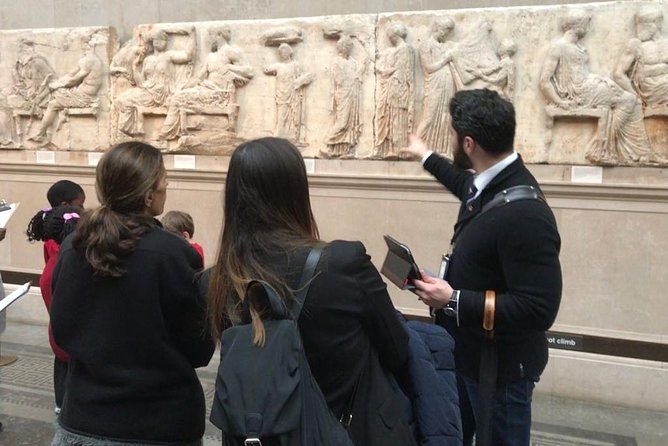
- The group never exceeds eight people: This is small enough for questions and easier movement through crowded galleries.
- The route covers major treasures: Expect the Rosetta Stone, Mummy of Katebet, Lewis Chessmen, Parthenon sculptures, and Assyrian lion-hunt reliefs.
- The guide adds the missing context: You get stories about purpose, power, religion, empire, and the way objects entered the collection.
- The tour lasts about 2.5 hours: It is a useful first look if your London plan is already full.
- The museum entry is included, but temporary exhibitions are not: You will need a separate plan for special displays.
- Comfort matters: Wear good walking shoes, carry only a small bag, and arrive on time at the British Museum entrance on Great Russell Street.
Why a small group helps inside the British Museum
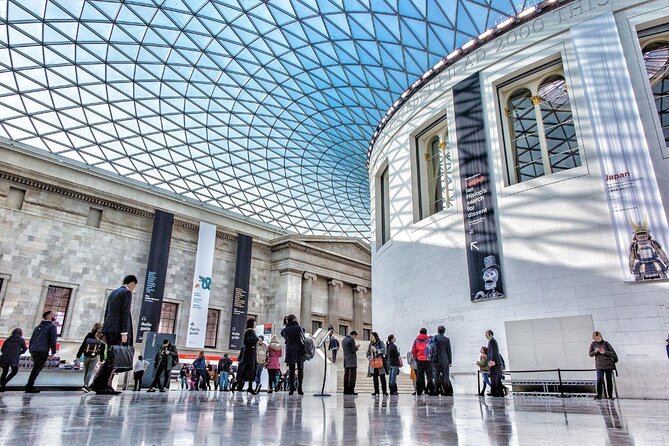
The British Museum contains about eight million objects spanning 6,000 years of human history. That number sounds impressive, but it also explains the problem: you cannot sensibly see everything in one visit.
A self-guided wander can work if you have a full day and a firm plan. With only a few hours, you may spend more time finding the right rooms than looking at the objects. A guide gives you a route and a sense of proportion. You learn which pieces deserve ten minutes, which deserve one quick look, and which can wait for another visit.
The maximum group size of eight is the central selling point. You are not standing behind a large crowd trying to hear a voice from the front. You can ask a question, move closer to an object when allowed, and keep track of the guide as the group moves between rooms.
Small does not mean private, though. You may share the tour with up to seven other people, and the minimum is two. If you want the guide entirely to yourself, a private option is available at booking, but the price may differ.
More British Museum Tours:
- London: British Museum Guided Tour
★ 4.3 · 1,182 reviews - London: Tour of the British Museum
★ 4.1 · 678 reviews - London: British Museum Audio Tour & Priority Entrance Ticket
★ 4.5 · 631 reviews
Meeting your guide on Great Russell Street
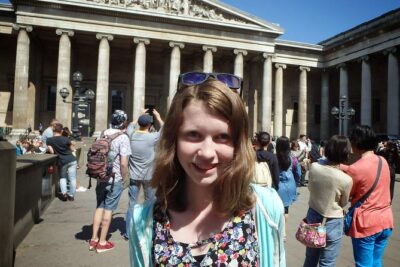
The tour starts at the British Museum, Great Russell Street, London WC1B 3DG. It finishes back at the meeting point, so you are not dropped at another part of London.
Choose a departure time when booking. Several start times are offered, which is useful if you are fitting the museum between Westminster, the West End, St Paul’s Cathedral, or an evening reservation. The museum is near public transport, but hotel pickup and drop-off are not included. An Uber or taxi is suggested for those who want door-to-door transport.
Arrive on time. One practical note from the tour experience is especially worth taking seriously: do not be late, and bring an umbrella if London’s weather looks uncertain. You will be outside before entry, and the meeting point is not a place to improvise a long search for your guide.
Security rules matter, too. Large bags and suitcases are not allowed inside. Only a handbag or small, thin backpack can pass through security. Pack lightly, and leave shopping bags at your hotel if possible.
The British Museum in a focused 2.5-hour route
The tour opens with a short introduction to the museum and its enormous collection. This helps you understand the building as more than a storehouse of famous objects. Its displays cover ancient Egypt, Assyria, Greece, medieval Europe, Asia, and many other parts of the world.
The exact order of the galleries can vary. Crowds, room access, museum operations, and changing collections may affect the route. Still, the purpose remains consistent: see a carefully chosen set of important objects and understand their setting, use, and meaning.
The best guides do not simply recite dates. James, for example, has been praised for combining famous objects with less familiar parts of the collection, especially the Assyrian section. Steph has been noted for shaping the visit into a connected story, beginning with the Rosetta Stone. Those details matter because the museum works best when the objects feel connected rather than isolated.
The Rosetta Stone and the problem of one famous object
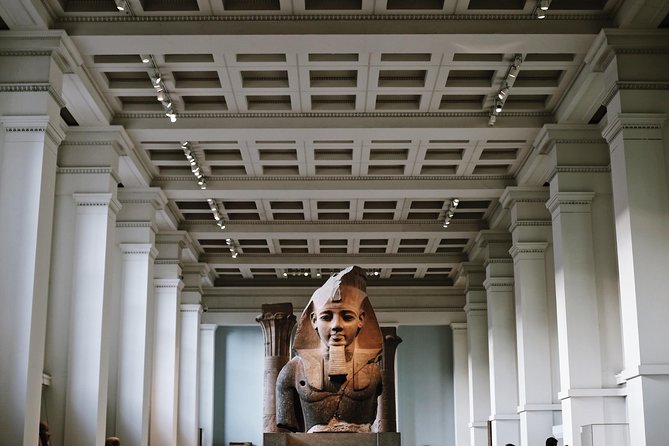
The Rosetta Stone is usually the first object people want to see. It is not the language-learning company, of course, but the actual stone that helped scholars understand Egyptian hieroglyphs.
Your guide explains why the stone matters and how its inscriptions offered a key to reading an ancient writing system. You get more from it than a photograph and a quick glance. The object becomes an example of how historians piece together the past from surviving evidence.
It is also a useful starting point for discussing the museum itself. The collection is filled with objects that came to Britain through excavation, purchase, military action, colonial power, and other complicated routes. Jake has been praised for addressing those issues directly instead of treating the collection as free of controversy.
That frank approach is valuable. You can admire the skill and age of an object while still asking how it was removed from its original setting. Eleisha, who led one group of six adults, was also appreciated for answering difficult questions honestly and bringing a modern perspective to conversations about disputed objects.
A different sort of day out in London altogether:
- From London: Harry Potter Warner Bros Studio Tour
★ 4.7 · 26,588 reviews - London: Westminster to Greenwich River Thames Cruise
★ 4.5 · 22,836 reviews - Magical London: Harry Potter Guided Walking Tour
★ 4.7 · 22,044 reviews - London: Madame Tussauds London
★ 4.6 · 20,915 reviews
Mummy of Katebet and the human side of ancient Egypt
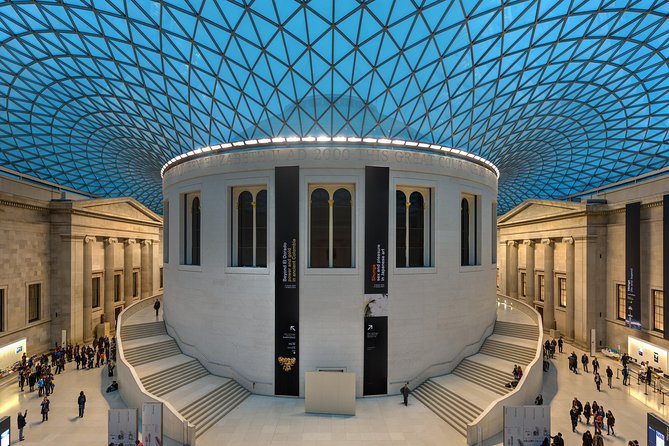
The Mummy of Katebet is one of the Egyptian highlights selected for the tour. A mummy can be easy to reduce to a spectacle, especially in a museum packed with gold, stone, and royal symbols. A good explanation gives the person behind the object more weight.
Your guide places Katebet within the beliefs and customs of ancient Egypt, explaining what the burial tells us about status, religion, and hopes for life after death. The value here is not just seeing an old body. It is learning how an entire society thought about identity and the future.
The tour does not promise every Egyptian gallery or every major mummy. That is an important limit. You will see selected highlights, not a complete study of ancient Egypt, so anyone with a particular interest in the subject should allow time to return independently.
The Lewis Chessmen and medieval life
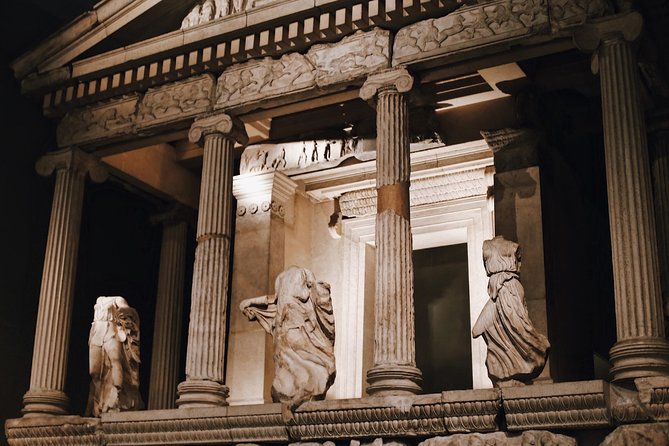
The 12th-century Lewis Chessmen provide a welcome change of pace. Instead of a monumental relief or royal burial, you see a compact set of carved game pieces with expressive faces and strong personalities.
Your guide can use them to make medieval life feel more immediate. The chess pieces raise questions about craftsmanship, leisure, trade, status, and the spread of games across Europe. They are small objects, but they often hold a group’s attention because they look surprisingly human.
This is one reason a guide helps. On your own, you might pass the Lewis Chessmen while searching for something larger. With an explanation, the pieces become one of the tour’s memorable stops. The route mixes objects of different sizes and purposes, keeping the visit from becoming a parade of massive stone carvings.
Assyrian lion hunts and the power of storytelling
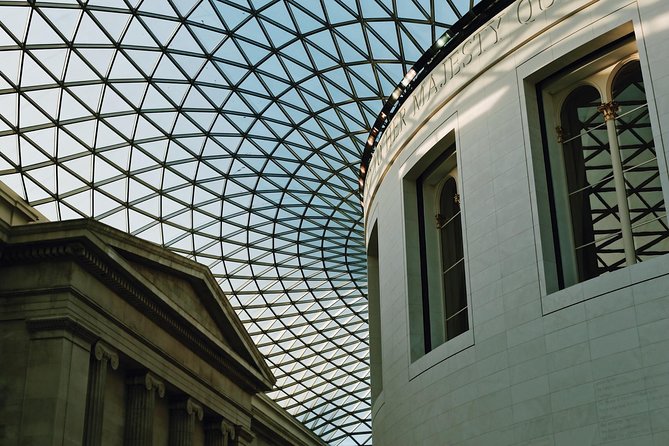
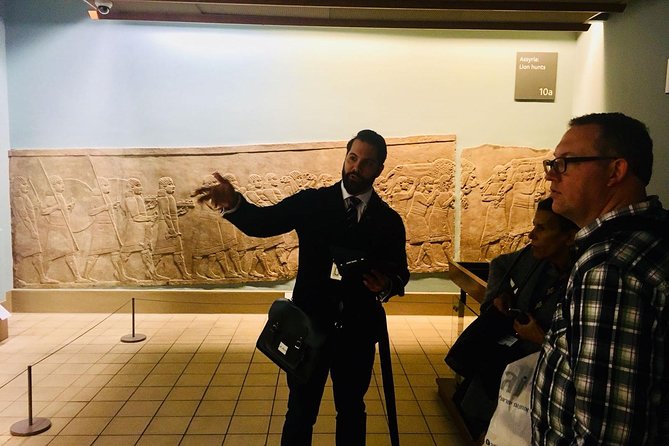
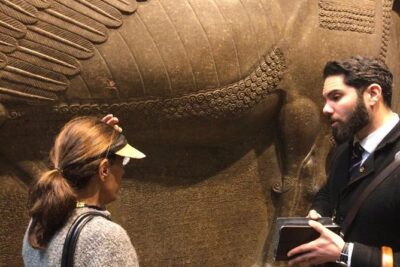
The Assyrian lion-hunt reliefs are among the most dramatic pieces on the route. They date from the 7th century BC and show the power of the Assyrian court through scenes of hunting, violence, ritual, and royal control.
James has been praised for including this section alongside the better-known objects. That is good museum guiding. The Rosetta Stone is essential, but the less expected galleries can become the part you remember best.
A guide can point out details that are easy to miss in a crowded room, then explain how the reliefs served political purposes. These were not simply hunting pictures. They helped present the ruler as brave, powerful, and in control of the natural world.
Expect the tone to remain serious but approachable. The tour description promises discussion of fallen empires and early societies, yet the guides also bring wit and energy. Guy, for instance, has been praised for holding the attention of teenagers with humor and clear explanations.
Parthenon sculptures and difficult museum questions
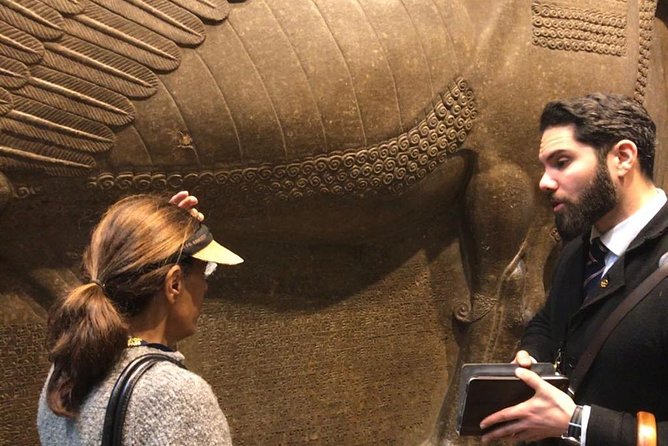
The tour may also include the Parthenon sculptures, another major draw for first-time visitors. These ancient Greek works are visually powerful, but their presence in London raises questions about ownership, removal, and the responsibilities of modern museums.
You should not expect a full legal or political seminar in the middle of a highlights route. You can expect the subject to be part of a wider conversation about the collection and its origins. That is one of the better features of the guiding approach described by the tour: admiration does not require silence about contested objects.
The route’s value increases when your guide connects beauty with history. You are not only looking at marble figures. You are thinking about the building they came from, the people who made them, the people who later removed them, and the institutions that now display them.
What the guides add to the experience
The individual guide can shape the tour more than any printed itinerary. Ivo has been praised for making detailed explanations engaging and for following up with useful material. Jake has been valued for answering questions and discussing the museum’s history as well as its objects.
Laurence is known for covering the museum’s major sights efficiently in 2.5 hours. Darcy has been praised for being both entertaining and well informed, then offering suggestions for other London activities. Matilda has been described as so engaging that you may wish the tour lasted all day.
These comments point to a consistent strength: the guide is not there only to lead you from room to room. The guide interprets the objects, manages the pace, and helps you decide what deserves your attention. If you have a particular interest, say so early. Eleisha was able to adjust the tour to questions and interests, and another guide continued with areas of interest after the main route.
Still, the guide will not erase the museum’s crowds. Andy was appreciated for moving a family through busy areas and keeping the key sights in view, but popular rooms can remain crowded. A small group improves the experience, but it cannot create empty galleries.
Is $108.44 good value?
At $108.44 per person, this is a premium way to visit a museum that is generally free to enter. You are paying for the guide’s time, a planned route, a maximum group size of eight, and help making sense of a huge collection.
The price makes the most sense in three situations. First, you have only a morning or afternoon and want to see the major objects without wasting time. Second, this is your first visit and you want someone to provide the basic map of the museum. Third, you care about historical context and questions of ownership, not just quick photographs.
The price is harder to justify if you have already visited several times, enjoy reading labels at your own pace, or can spare a full day for the museum. A free self-guided visit gives you more freedom and costs much less. You can also use the paid tour as an introduction, then return later on your own.
Group discounts are listed as a feature, and a private upgrade is available. Check the final price for your date and group before booking, since the supplied price is per person and the private option may have different terms.
Practical limits you should know
The tour requires a moderate level of physical fitness. It is not available to people with walking disabilities or those using a wheelchair. The museum’s galleries require movement on foot, and the tour does not offer hotel transport.
Temporary exhibitions are not included. If you have your eye on a special exhibition, treat that as a separate visit and check its admission requirements.
The museum can close rooms or delay opening without advance warning. If the opening is delayed by more than one hour, an alternative is offered, but a refund or discount is not promised in those circumstances. Some rooms also require very quiet behavior or restrict speaking, so your guide may explain the rules before you enter.
Free cancellation is available up to 24 hours before the start time. Cancellations or changes inside that window are not refunded or accepted. The tour also needs at least two people to run. If that minimum is not reached, you are offered another option or a full refund.
Who should book this British Museum tour?
I would choose this tour for a first visit, a family with older children or teenagers, or anyone with a tight London schedule. The small group is particularly useful if you want to ask questions without competing with a large crowd.
It also suits you if you want a thoughtful account of the museum’s collection. Guides have addressed colonial-era acquisition, disputed objects, and the history of the institution without letting those subjects overwhelm the main route.
I would skip it if your priority is total freedom or a slow look at one specialist collection. The tour moves through highlights, so you will not control every stop or see every gallery. The $108.44 cost also requires you to value interpretation and time savings.
Should you book it?
Book it if you want the British Museum to feel manageable rather than endless. In 2.5 hours, you can see the Rosetta Stone, Katebet’s mummy, the Lewis Chessmen, Assyrian reliefs, and possibly the Parthenon sculptures, while hearing the stories that connect them.
The strongest reason to go is the small group and the quality of the guiding. The strongest reason to hesitate is the cost, especially since museum admission itself is free. For a first London visit with limited time, the convenience can be worth it. For a repeat visit or a specialist, self-guided time may offer better value.
FAQ
How long is the British Museum tour?
The tour lasts approximately 2 hours and 30 minutes.
What is the maximum group size?
The semi-private tour has a maximum of eight people. A private option is also available.
Is museum admission included?
The semi-private museum tour and professional guide are included. Temporary exhibitions are not included.
Where does the tour start?
It starts at the British Museum, Great Russell Street, London WC1B 3DG, United Kingdom.
Where does the tour finish?
The activity ends back at the British Museum meeting point.
What objects are included on the route?
The selected highlights include the Mummy of Katebet, the 12th-century Lewis Chessmen, and the Rosetta Stone. The route may also include Parthenon sculptures and Assyrian lion-hunt reliefs.
Is hotel pickup included?
No. Hotel pickup and drop-off are not included. Uber or a taxi is recommended for those who want private transport.
Can I bring a large suitcase?
No. Large bags and suitcases are not allowed inside the museum. Only handbags or small, thin backpacks are permitted through security.
Is the tour suitable for wheelchair users?
No. The tour is not available for people with walking disabilities or those using a wheelchair. A moderate level of physical fitness is required.
What happens if the tour does not reach its minimum number?
The tour requires at least two people. If it is canceled because that minimum is not met, you will be offered an alternative or a full refund.
Just added around London
- London: “Queen” Highlights Walking Tour★ 4.3 · 48 reviews
- Couple’s photo: Romantic photoshoot in London★ 4.8 · 22 reviews
- London: Private Tour with Locals – Highlights & Hidden Gems★ 5.0 · 8 reviews
- Luxury Private Tour in London with Lunch★ 5.0 · 7 reviews
- London 1- or 2-Hour Professional Photo Shoot★ 4.9 · 6 reviews
- London: Private Black Cab Night Tour with Hotel Pick Up★ 5.0 · 11 reviews
- London: Christmas Lights Tour – With Christmas Music★ 4.8 · 9 reviews
- London: Private Pub Tour★ 4.5 · 4 reviews
British Museum Tours, compared.
British Museum Audio Tour & Priority Entrance Ticket
Read our review →
The British Museum London – Exclusive Guided Museum Tour
Read our review →
British Museum & National Gallery of London Semi-Private 8ppl Max
Read our review →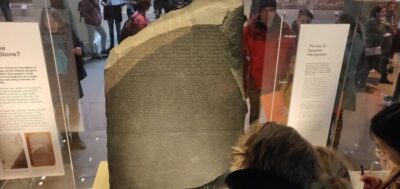
British Museum Archaeology Course and Guided Tour
Read our review →Browse the lists this tour appears in