
Reviewed · BRITISH MUSEUM TOURS
London: British Museum’s English Audio Tour with Free Reservation
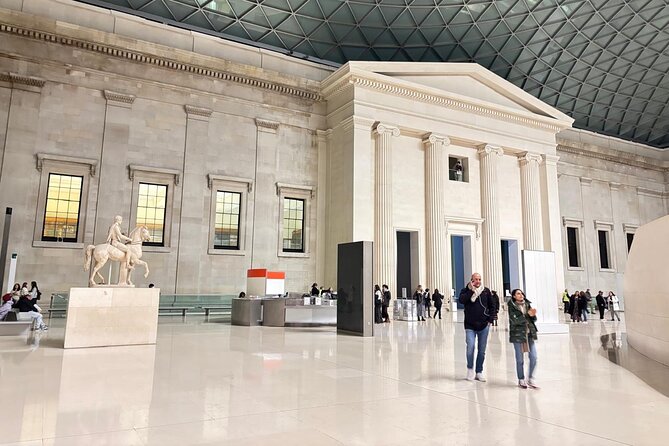
The British Museum holds more objects than you can sensibly see in one visit, so this English audio tour aims to give your visit some order. For $11, you get a phone-based guide and a free timed reservation, with suggested access to headline pieces such as the Rosetta Stone and Parthenon friezes.
I like the wide choice of entry times, which helps you fit the museum around the rest of your London day. I also like the practical setup: the museum offers free Wi-Fi, so you do not need mobile data once inside. The catch is important: admission is free, and you are paying mainly for the audio tour and reserved time slot. Some visitors also had trouble when they showed the booking voucher instead of the actual PDF ticket.
Key points before you book
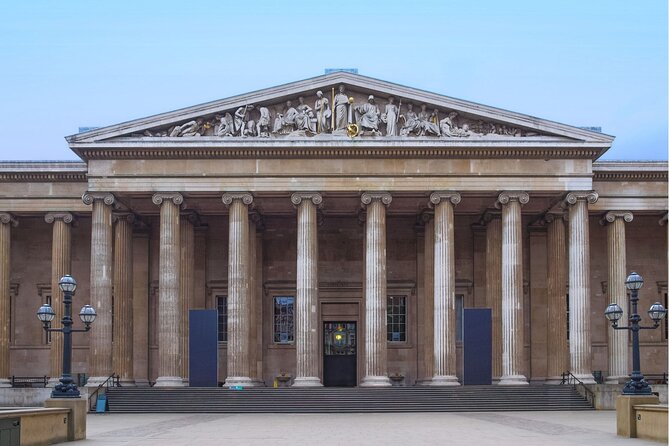
- The $11 price covers the audio tour and reservation, not admission: The British Museum itself is free to enter.
- Your actual PDF ticket matters: The booking confirmation voucher is not accepted at the entrance.
- The tour uses your phone: You access the English audio guide through a separate app or link sent by email and WhatsApp.
- The Rosetta Stone and Parthenon friezes are key stops: The route also points you toward Egyptian, Roman, Islamic, Chinese, and other collections.
- Plan for two to five hours: The museum is large, and a short highlights visit feels very different from a longer wander.
- Large luggage is forbidden: Bags over 40 by 40 by 50 centimeters or heavier than 8 kilograms cannot enter.
What you are really buying for $11
The first thing to understand is the pricing. The British Museum has free admission, so this is not a traditional paid museum ticket. Your $11 buys access to an English audio tour and a timed reservation intended to help you enter at a chosen hour.
That distinction is easy to miss during booking. If you only want to walk through the museum, you can reserve free entry directly. The value here rests on two things: the convenience of having a planned arrival time and the wish for commentary without joining a live group.
I can see the appeal on a crowded London day. The museum is popular, and free time slots can fill. A reserved time gives you a firmer plan, especially if you have booked a theatre show, restaurant, or another attraction afterward.
Still, the price is not automatically a bargain. The museum has its own free information options, and the supplied feedback includes several people who felt the audio guide did not justify the extra cost. Before paying, ask yourself a simple question: do you want a ready-made phone tour enough to pay $11 for it?
More London Self-Guided and Audio Tours:
- London: Emirates Stadium Entry Ticket and Audio Guide
★ 4.7 · 5,513 reviews - Westminster Abbey Entrance Ticket Including Audio Guide
★ 4.0 · 661 reviews - London: British Museum Audio Tour & Priority Entrance Ticket
★ 4.5 · 631 reviews
Finding the right entrance document
This is the most important practical point. The Viator booking confirmation is not the museum ticket. You need the actual PDF entry document sent separately by email and WhatsApp, along with the link for the audio tour.
If you arrive with only the first booking voucher, the entrance staff may not accept it. That has already caused serious trouble for some people, particularly when the museum was full and no same-day entry was available.
I would check both your email inbox and WhatsApp before leaving your hotel. Open the PDF, confirm the date and time, and keep the audio link easy to find. Take a screenshot as a backup, though you should still follow the provider’s instructions and bring the proper document.
This extra checking is a small task, but it makes a big difference. The experience provider says the reservation is supplied to help secure entry, not to sell you a museum admission ticket. That arrangement only works if you present the right file.
Entering the British Museum at your chosen time
The British Museum is near public transportation, making it relatively easy to add to a day of central London sightseeing. Entry is timed, so you should arrive with enough room for security checks.
Bags, packages, rucksacks, and personal items may be searched. Large suitcases and other luggage over 40 by 40 by 50 centimeters, or heavier than 8 kilograms, are not allowed on the premises. Wheeled suitcases are specifically excluded under the luggage rule.
A cloakroom is located by turning left immediately after the main entrance. It operates during museum hours, but its capacity and rules are worth treating seriously. Do not arrive assuming that a large suitcase can simply be stored. The safest plan is to leave substantial luggage at your hotel or another suitable storage point before coming.
The museum opens daily from 10:00 to 17:00, with Friday opening until 20:30. Last entry is 16:45 on most days and 20:15 on Fridays. The late Friday hours can be useful if you have a full daytime schedule, but check that your selected reservation matches the opening period.
The Egyptian galleries and the Rosetta Stone
The Egyptian collections provide one of the clearest reasons to use an audio guide. Mummies, sculpture, and objects connected with pharaonic Egypt can look familiar from books or television, but a good explanation helps you understand what you are actually seeing.
The Rosetta Stone is the headline object. It is famous because its inscriptions helped scholars interpret Egyptian hieroglyphs, and it gives the museum visit an immediate sense of purpose. You may find this area crowded, so the audio commentary is useful because you can listen while waiting for a clear view.
Do not expect the Rosetta Stone alone to fill a visit. The Egyptian galleries contain far more than one celebrated slab. Allow time for the surrounding objects, and use the tour as a way to decide which displays deserve your attention rather than racing from name to name.
The main drawback is that an audio track cannot respond to your questions or adjust its pace. If the explanation moves too quickly, you must pause it yourself. If a display is crowded, you may need to step aside and return later.
More British Museum Tours:
- London: British Museum Guided Tour
★ 4.3 · 1,182 reviews - British Museum London Guided Tour Semi-Private 8ppl Max
★ 5.0 · 984 reviews - London: Tour of the British Museum
★ 4.1 · 678 reviews - The British Museum London – Exclusive Guided Museum Tour
★ 5.0 · 555 reviews
Greek and Roman sculpture, including the Parthenon friezes
The Greek and Roman rooms bring a different mood, with marble sculpture and architectural pieces that connect art, religion, politics, and daily life. The Parthenon friezes are among the museum’s most debated and recognizable holdings.
An audio explanation is especially helpful here because the friezes are not always easy to read at a glance. Their original setting, subject matter, and movement across the gallery can be difficult to grasp without context. The guide gives you a starting point, then you can look more closely at individual figures and details.
The tour may also direct you toward Roman material, where portraits and objects show how Greek artistic ideas were adapted for Roman use. I like this part of the route because it keeps the visit from becoming a parade of isolated masterpieces.
The museum’s scale is the challenge. You might spend longer than expected in the classical galleries, then have little time left for other regions. If the Parthenon friezes are your priority, listen to that section early and note where you want to return.
Islamic ceramics, Chinese calligraphy, and collections beyond Europe
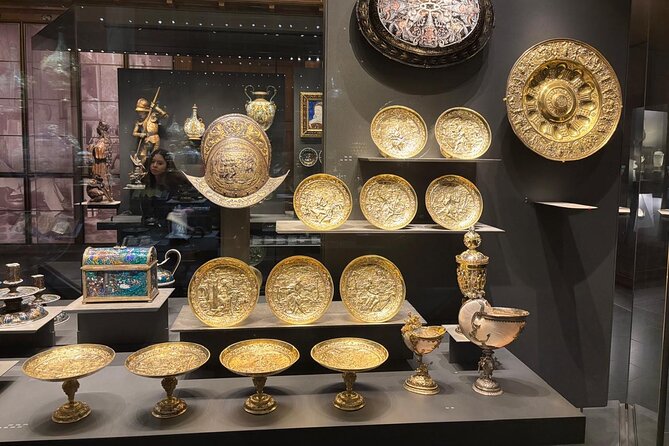
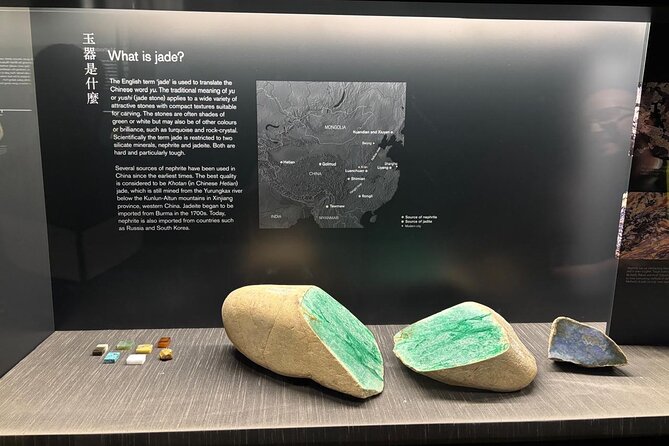
The British Museum is not limited to Egypt, Greece, and Rome. Its holdings include Islamic ceramics, Chinese calligraphy, and objects from many parts of the world. These rooms can give you a welcome change from the better-known western collections.
The audio tour is meant to help you connect objects to the wider collection. That matters because unfamiliar pieces can be easy to pass without context. A short explanation may tell you what an object was made for, how it was used, or why its design mattered.
At the same time, the supplied experience description does not provide a full stop-by-stop route or a complete list of objects. You should think of this as a highlights guide, not a guaranteed catalog of every major work in the building.
One significant criticism is that the audio guide may skip exhibits you expected it to cover. If you want detailed commentary on a specific object, check the app once you are inside and use the museum’s own labels as a second source. The guide works best as a framework, not as your only source of information.
How the phone audio tour works
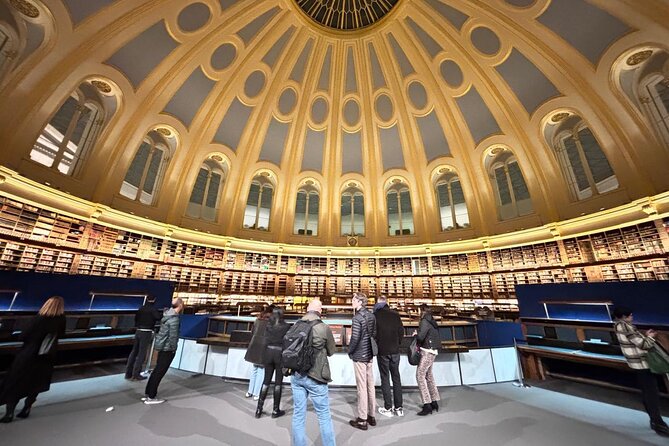
You access the English guide through a separate mobile app or link. The instructions say to click the shared link and follow the steps, using the museum’s free Wi-Fi rather than your own data connection.
That is convenient for visitors with limited roaming data. It also means you should bring a charged phone and headphones. The supplied information does not promise that headphones are provided, so plan to use your own if you want to listen comfortably.
The system is self-guided. You control the pace and can stop for photographs, read display labels, or skip sections. I prefer that freedom to being tied to a live group, especially in a museum where some rooms may hold your attention much longer than others.
The weakness is ease of use. One person described the audio as difficult to operate and incomplete, while another found the museum’s own audio option cheaper. Before entering, open the link and make sure you understand how to start a track. Do not wait until you are in a crowded gallery with a poor signal or a dying battery.
How long should you allow?
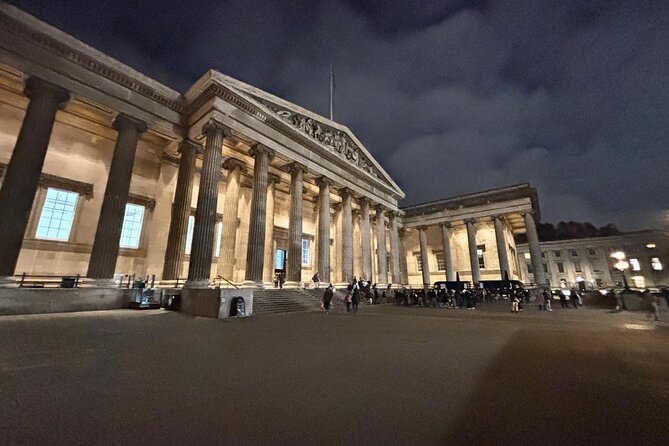
The stated duration is about two to five hours. That range is realistic because the British Museum can support both a fast highlights visit and a long, tiring exploration.
For a quick visit, you can focus on the Egyptian galleries, Rosetta Stone, Greek sculpture, and Parthenon friezes. Two hours will feel brisk, particularly if you need time for security, orientation, and pauses in crowded rooms.
Three hours gives you more breathing room. You can follow the main audio sections and add selected rooms in the Islamic, Chinese, Roman, or other collections. This is the best target if you want substance without turning the museum into an all-day project.
Five hours suits you if you enjoy reading labels and comparing objects across cultures. Remember that museum fatigue is real. A sensible plan is to choose a few main areas, take breaks, and accept that you will not see everything.
The range of departure times is useful here. You can book a morning visit, leave for lunch, or choose Friday evening hours when available. Make sure the time you select fits the museum’s opening hours and last-entry rules.
What the mixed feedback means for your decision
The strongest positive point is the museum itself. Several people found the building and collections worthwhile, and one short assessment described the visit as good while praising the information provided beforehand. The free reservation can also be useful when popular time slots are filling.
The sharpest criticism concerns value. Since museum admission is free, some people felt they paid for something they could arrange independently. Others found the audio guide incomplete or hard to use. One person could not enter because the museum did not accept the document presented at the gate.
These are not minor distinctions. If your main goal is guaranteed access on a busy day, the reservation may have practical value. If you are comfortable arranging free entry yourself and using the museum’s own information tools, the $11 may feel unnecessary.
The experience provider’s explanation is clear: the purchase is for the audio tour, with a free reservation added to help you enter at your chosen time. That means you should not treat this as a normal admission ticket or assume that every exhibit has a recorded stop.
Who should book this experience?
I would consider it for a first visit when you want a simple English route and do not want to plan your own museum notes. It also suits you if a reserved time is important because your London schedule is tight.
It may work well for independent visitors who prefer to walk alone rather than join a guide-led group. You can pause, skip, and return to rooms at your own pace.
I would hesitate if you are focused on saving every pound. The museum is free, and you may find a lower-cost way to obtain information. I would also hesitate if you expect a complete, polished explanation of every major exhibit.
Families and mixed-interest groups may appreciate the flexibility, but each person needs access to the phone audio. The experience is less suitable if you want a live expert to answer questions or keep a group together.
Final verdict: a useful reservation only in the right situation
Book this if you value a chosen entry time, want a self-guided English introduction, and are comfortable paying $11 for convenience rather than admission. The Rosetta Stone, Parthenon friezes, Egyptian galleries, and wider world collections make the museum worth your time.
Skip it if you only need entry. The British Museum is free, and the audio coverage may not include every object you hope to see. If you do book, confirm the actual PDF ticket and audio link before you leave, and arrive with luggage rules in mind.
The best way to view this experience is as a paid planning aid, not a paid museum ticket. That distinction makes the price easier to judge and helps you avoid the most serious mistake at the door.
FAQ
Is admission to the British Museum included?
The museum admission itself is free. The $11 purchase covers the English audio tour and a free timed entry reservation.
What do I need to show at the museum entrance?
You need the actual PDF ticket sent by email and WhatsApp. The Viator booking confirmation voucher is not accepted as the museum entry document.
Is the audio tour in English?
Yes. The included audio-guided tour is in English and is accessed through a separate mobile app or shared link.
Do I need mobile data to use the audio tour?
No mobile data connection is required inside the museum because free Wi-Fi is available for visitors.
How long does the experience take?
The visit usually takes about two to five hours, depending on how many galleries and objects you explore.
Can I bring a large suitcase?
No. Items larger than 40 by 40 by 50 centimeters or heavier than 8 kilograms are not permitted. Wheeled suitcases are also not allowed under the stated luggage rules.
Just added around London
- Up at The O2:Twilight Climb with Guided Tour with Panoramic Views★ 5.0 · 50 reviews
- Private Chauffeur-London Heathrow from/to Southampton Cruise Port★ 5.0 · 9 reviews
- Kensington Palace VIP Garden Tour with Royal High Tea★ 4.5 · 71 reviews
- Up at The O2: Sunset Climb with Guided Tour with Panoramic Views★ 5.0 · 110 reviews
- Secrets of the London Underground Small Group Walking Tour★ 4.5 · 38 reviews
- Urban Canvas: Exploring Shoreditch’s Vibrant Street Art★ 5.0 · 36 reviews
- Ultimate introduction to photography in Central London★ 5.0 · 19 reviews
- Full-Day Self-Guided Paris Tour from London by Eurostar with Seine River Cruise★ 3.5 · 22 reviews
British Museum Tours, compared.

British Museum London Guided Tour Semi-Private 8ppl Max
Read our review →
British Museum Audio Tour & Priority Entrance Ticket
Read our review →
The British Museum London – Exclusive Guided Museum Tour
Read our review →

Private Guided Tour of the British Museum – Tickets Included
Read our review →Browse the lists this tour appears in