
Reviewed · BRITISH MUSEUM TOURS
London: British Museum with Expert Guide.
The British Museum can feel like several museums packed into one building. This 80-minute guided tour gives you a clear path through major objects, including the Rosetta Stone, Egyptian mummies, Parthenon sculptures, Assyrian reliefs, and the Lewis Chessmen.
I like the focus on famous pieces, since you get useful context instead of wandering past priceless objects without knowing why they matter. I also like the guide-led format, especially for families and first-time visitors. One drawback is the short running time: this is a highlights tour, not a full visit, and the museum’s vast collection will need more time afterward.
Key points to know before you book
- The Rosetta Stone anchors the visit: Learn how one carved object helped scholars read Egyptian hieroglyphs.
- The route crosses several civilisations: Expect ancient Egypt, Greece, Assyria, and medieval Scotland in one compact tour.
- Strabo is one named guide: He is described as friendly, funny, clear, and able to handle questions with ease.
- The Parthenon sculptures bring a modern issue into an ancient gallery: They offer great art and a chance to consider the long-running debate over their ownership.
- You finish at the meeting point: Afterward, you can stay and explore the museum at your own pace.
- The price is modest for a guided introduction: At $20.20 per person, the value depends on how much you want direction and explanation.
Why a guide helps inside this enormous museum
The British Museum is not a place where you simply walk in and see everything. Its collections cover objects from many parts of the world and long stretches of human history. Without a plan, you can spend a great deal of time moving between rooms and still miss the pieces you most wanted to see.
This tour solves that problem with a compact route through headline exhibits. You are not left to read every label or guess which objects deserve your attention. A certified guide connects the objects to bigger ideas: writing, religion, kingship, warfare, art, and daily life.
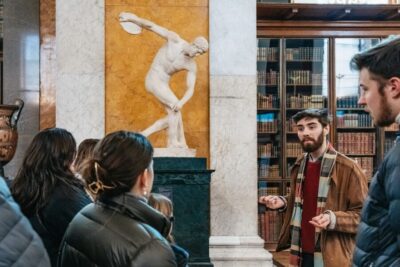
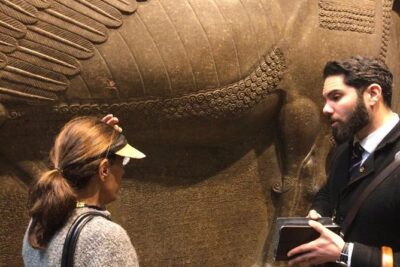
The format also suits different ages. A good guide can explain an Egyptian coffin to an adult, then answer a younger visitor’s question without turning the tour into a lecture. The strongest comments about this experience point to clear explanations, humor, and a light touch. Strabo is the named guide associated with the experience, and his style is described as friendly, engaging, and able to answer questions without losing the group.
That personal connection matters in a museum. A label can tell you an object’s date and place of origin. A guide can help you see why it changed what people knew, what it reveals about power, or how it ended up in a London collection.
More British Museum Tours:
- London: British Museum Guided Tour
★ 4.3 · 1,182 reviews - British Museum London Guided Tour Semi-Private 8ppl Max
★ 5.0 · 984 reviews - London: Tour of the British Museum
★ 4.1 · 678 reviews
Meeting by the Montague Place stone lions
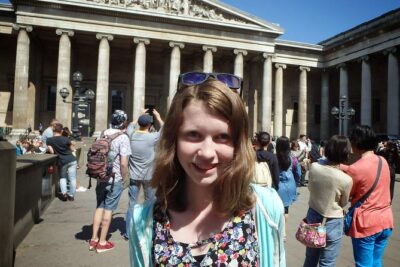
The meeting point is outside the Montague Place entrance, beside the two stone lions. The museum has two entrances, so check your route carefully and do not simply head for the first door you see.
The lions make a useful landmark, but give yourself enough time to find Montague Place. The activity begins and ends at this meeting point, so you do not need to arrange transport between separate sites.
The information provided does not state the group size or whether museum admission is handled separately. I would check the booking details before paying, particularly if you already hold a museum entry arrangement or are planning your day around a fixed schedule.
Once the group is together, expect an English-language tour led by a live guide. The stated duration is 80 minutes. That is long enough for a brisk, focused introduction, but not long enough to cover the museum in detail.
The Rosetta Stone and the power of written language
The Rosetta Stone is the natural first star of this kind of visit. It carries the same decree in three forms of writing, including Egyptian hieroglyphs. Its importance comes from the way the texts could be compared, helping scholars make progress in reading hieroglyphs.
A guide adds value here by explaining the problem scholars faced before the stone became useful. Ancient Egyptian inscriptions were visible, but their meaning was not available to modern readers in the same way. The stone helped connect a known language with the older scripts.
This is a good early stop because it gives you a simple idea to carry through the rest of the tour: objects are not only beautiful. They can change what people know about the past.
The area around famous objects can be busy, and the museum’s major pieces draw plenty of attention. A guide helps you focus your time and hear the main points rather than trying to read everything while looking over other people’s shoulders.
Egyptian mummies, coffins, and life after death
The Egyptian section shifts the subject from writing to belief. You will see mummies and coffins while learning about ancient Egyptian ideas concerning death and the afterlife.
The useful part of a guided visit is the explanation of process and purpose. Mummification was not simply a way to preserve a body for display. It was tied to religious beliefs, ritual practice, and the hope that a person could continue into another form of existence.
Coffins also carry information. Their decoration, shape, and inscriptions could express identity and belief. You might notice details that would be easy to miss while walking through the gallery alone.
This section may be especially effective for families because it gives younger visitors a strong visual subject and plenty of questions to ask. Some people may find the human remains and death-related material intense, so it is worth keeping that in mind if you are choosing an outing for very young children.
A different sort of day out in London altogether:
- From London: Harry Potter Warner Bros Studio Tour
★ 4.7 · 26,588 reviews - London: Westminster to Greenwich River Thames Cruise
★ 4.5 · 22,836 reviews - Magical London: Harry Potter Guided Walking Tour
★ 4.7 · 22,044 reviews - London: Madame Tussauds London
★ 4.6 · 20,915 reviews
Parthenon sculptures and the debate behind the beauty
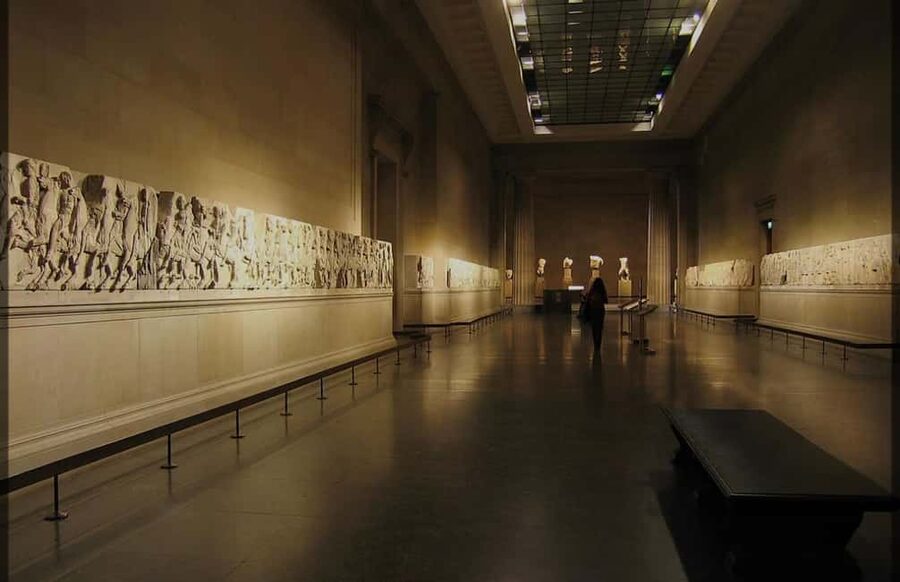
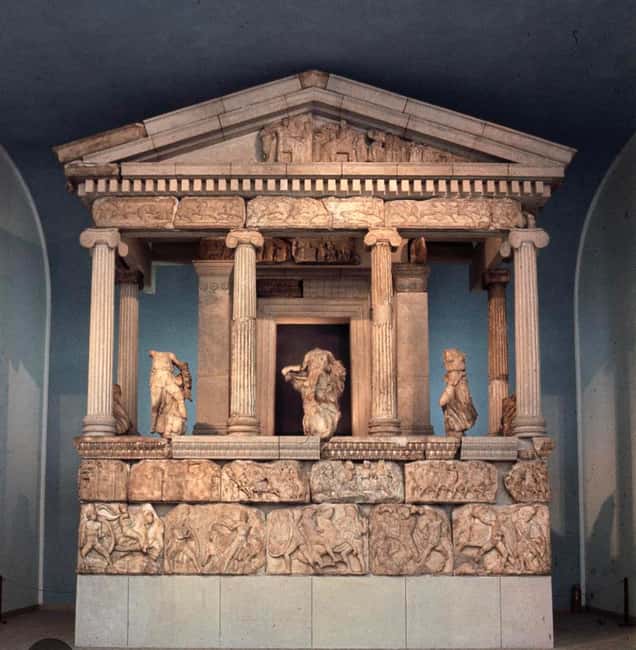
The tour then reaches the sculptures associated with the Parthenon in Athens, often called the Elgin Marbles. Dating from the fifth century BCE, they show scenes connected with Greek mythology and the artistic ideals of ancient Greece.
You will see why these sculptures are so admired. Their figures, movement, and carved detail show the ambition of classical Greek art. Yet this is not only an art stop. The sculptures also raise questions about removal, ownership, cultural heritage, and the right place for major works of art.
The supplied tour details do not promise a long discussion of the modern dispute, so do not expect a full debate. Still, the location offers a useful chance to ask your guide about the issue if time allows. One of the strengths of a live tour is that you can bring your own question rather than relying only on the wall text.
For me, this is one of the most rewarding stops because it joins visual pleasure with a current cultural question. You can admire the workmanship while also thinking about how museums acquire and present objects from other countries.
Assyrian lion hunts and royal power
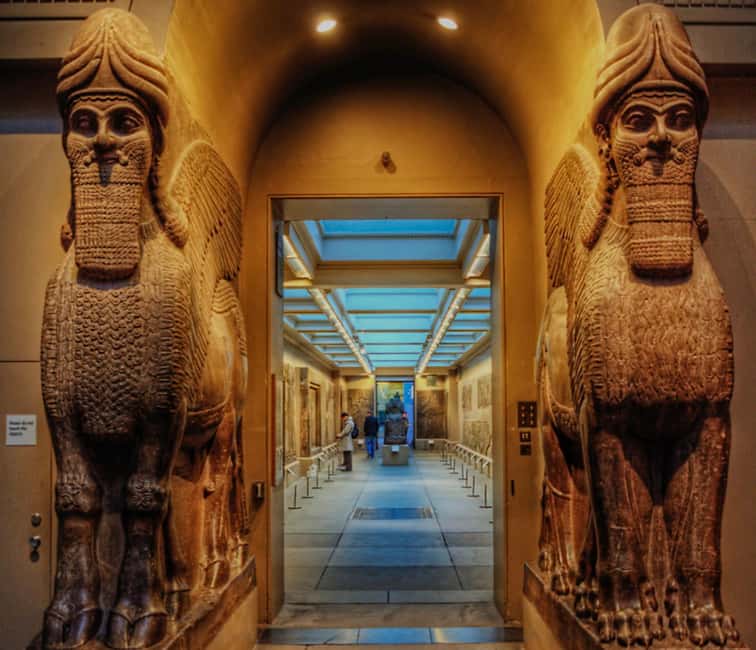
The Assyrian section offers a change of mood. The lion hunt reliefs show royal power through detailed carved scenes of rulers, animals, weapons, and controlled violence.
These panels are not just records of a hunt. They present the king as strong, skilled, and able to control danger. A guide can point out how the images support the message of empire and authority.
Look closely at the carving of the lions. The animals are shown with force and drama, which makes the reliefs memorable even if you know little about Assyrian history. You also get a sense of how art could serve a political purpose long before modern posters, newspapers, or film.
This stop helps prevent the tour from becoming an Egypt and Greece greatest-hits package. Assyria brings another civilisation into view and shows how rulers used public art to shape the way power was understood.
The Lewis Chessmen and a medieval mystery
The Lewis Chessmen provide a smaller, more intimate finish to the main object list. These carved medieval chess pieces were found on the Isle of Lewis in Scotland and are linked to Viking culture.
Their faces and poses make them unusually easy to connect with. Kings, queens, bishops, knights, and other pieces seem to have individual personalities, which helps explain why they remain so popular.
The set also carries a sense of mystery. The pieces were discovered in Scotland, yet their style points toward the Norse world. A guide can place them within the movement of people, trade, and ideas across the medieval North Atlantic.
This is a smart contrast with the huge stone reliefs and monumental sculptures seen earlier. You move from imperial art to a small game set that tells a story about status, culture, and leisure.
What the 80-minute schedule really means
Eighty minutes is a useful length if you want structure without spending half a day in a museum. It gives you a compact introduction and leaves room for other London plans.
The tradeoff is depth. You will not have time to study every gallery, compare every object, or pause for long at each exhibit. The guide needs to keep moving, especially if the group is interested in different parts of the collection.
Think of this as a guided orientation rather than a complete British Museum visit. The best plan is to stay with the tour through the key stops, then remain afterward for the rooms that caught your attention.
The post-tour freedom is important. You are not rushed out when the 80 minutes end, and the experience ends back at the meeting point. You can continue with Egyptian objects, Greek art, Assyrian reliefs, or other sections that were not part of the route.
Is $20.20 good value?
At $20.20 per person, the price is reasonable if you want a live explanation and a reliable path through the museum’s major objects. You are paying for the guide’s time, selection, and ability to answer questions, not just for access to rooms.
The value is strongest for a first visit. If you already know the museum well, or prefer to read labels at your own speed, you may get more from an independent visit. On the other hand, a first-time visitor can lose a lot of time simply finding the most important galleries.
The tour also makes sense for a short London break. You get a concentrated history lesson without committing a whole morning or afternoon. Add your own museum time afterward if the collection captures your interest.
Because the details do not clearly state how museum admission is arranged, check the booking information before assuming the $20.20 covers every entry requirement. That is the one practical point I would confirm before booking.
Small details that make the visit easier
The museum allows photography, but flash photography is not allowed. Your best approach is to keep the camera ready without using flash, and remember that stopping for pictures can slow a moving group.
Food and drinks are not allowed inside the exhibition rooms. Have refreshments before the tour or use suitable areas outside the galleries.
The museum is wheelchair accessible, although some areas may be difficult to navigate. If you use a wheelchair, contact the provider or museum in advance if you need route-specific guidance.
The tour is offered in English. If you need another language, this particular activity will not meet that need.
Cancellation is free up to 24 hours before the start time, and the reserve-now, pay-later option lets you hold a place without paying immediately. Those terms are useful when your London schedule is still changing.
Who should choose this British Museum tour?
I would choose it for a first-time museum visitor, a family with teenagers, or anyone who wants the main objects explained without reading every panel. It is also a good fit for someone with limited time who wants to see the Rosetta Stone, Egyptian material, Parthenon sculptures, Assyrian reliefs, and Lewis Chessmen in one sitting.
The tour suits curious visitors who like to ask questions. Several of the strongest comments about the guide style focus on clear answers, humor, and explanations that avoid burying people in facts.
I would be more cautious if you want a specialist tour devoted to one civilisation. The route covers many subjects, so each stop receives only part of the 80 minutes. Serious Egyptology, Greek art, or Assyrian history fans may prefer a longer visit with extra time for their own research.
Should you book it?
Book this tour if you want a friendly English-speaking guide to give shape to the British Museum’s biggest sights. The Rosetta Stone, mummies, Parthenon sculptures, Assyrian lion hunts, and Lewis Chessmen make a strong route, and the chance to stay afterward adds useful flexibility.
Skip it if you prefer complete independence or already have a detailed museum plan. At $20.20, though, it is a practical way to get your bearings fast, ask questions, and avoid spending your first hour wandering in search of the museum’s best-known objects.
FAQ
Where does the British Museum tour meet?
Meet outside the Montague Place entrance, by the two stone lions. The museum has two entrances, so make sure you go to Montague Place.
How long does the guided tour last?
The guided tour lasts 80 minutes. The activity ends back at the meeting point, and you can continue exploring the museum afterward.
Which objects are included on the route?
The route includes the Rosetta Stone, Egyptian mummies and coffins, Parthenon sculptures, Assyrian lion hunt reliefs, and the Lewis Chessmen. The guide may also discuss other objects if time and group interest allow, but these are the main listed highlights.
Who leads the tour?
The activity is led by a certified, professional English-speaking guide. Strabo is the named experience provider and guide associated with the tour.
Is the tour wheelchair accessible?
The museum is wheelchair accessible, although some areas may be challenging to navigate. If you need detailed route information, check with the provider before the visit.
Can I take photographs inside the museum?
Photography is allowed, but flash photography is prohibited. Food and drinks are not allowed inside the exhibition rooms.
Just added around London
- London: “Queen” Highlights Walking Tour★ 4.3 · 48 reviews
- Couple’s photo: Romantic photoshoot in London★ 4.8 · 22 reviews
- London: Private Tour with Locals – Highlights & Hidden Gems★ 5.0 · 8 reviews
- Luxury Private Tour in London with Lunch★ 5.0 · 7 reviews
- London 1- or 2-Hour Professional Photo Shoot★ 4.9 · 6 reviews
- London: Private Black Cab Night Tour with Hotel Pick Up★ 5.0 · 11 reviews
- London: Christmas Lights Tour – With Christmas Music★ 4.8 · 9 reviews
- London: Private Pub Tour★ 4.5 · 4 reviews
British Museum Tours, compared.
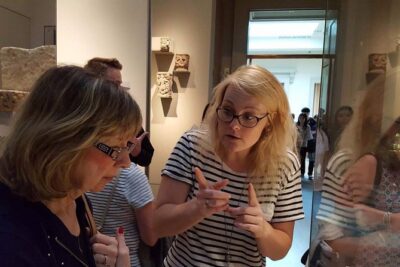
British Museum London Guided Tour Semi-Private 8ppl Max
Read our review →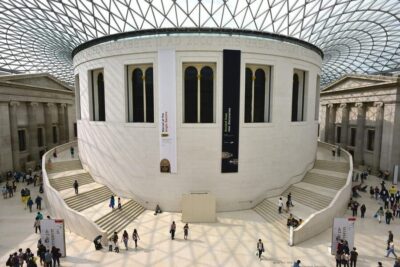
British Museum Audio Tour & Priority Entrance Ticket
Read our review →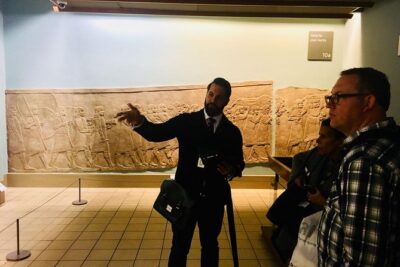
The British Museum London – Exclusive Guided Museum Tour
Read our review →
British Museum & National Gallery of London Semi-Private 8ppl Max
Read our review →Browse the lists this tour appears in