
Reviewed · BRITISH MUSEUM TOURS
London: British Museum Archaeology Course and Guided Tour
The most unusual thing about this British Museum visit is that it is not simply a greatest-hits tour. You follow the story of human civilization from early stone tools through Egypt, Assyria, Greece, Rome, the Vikings, and the Aztecs, while learning how archaeologists work out what an object means.
I like the archaeological approach and the way the tour connects famous objects to the people who made, found, and interpreted them. I also like the chance to play the Royal Game of Ur, an ancient Mesopotamian board game whose rules were worked out by British Museum scholars. The main drawback is the length: five and a half hours is a lot of standing and concentrated listening, even with breaks.
- A full human story: Follow civilization from early Africa to the ancient empires and beyond.
- A real archaeologist as guide: Rossa explains artifacts, dating, excavation, and the deciphering of lost scripts.
- Famous objects with context: See the Rosetta Stone, Parthenon Marbles, Sutton Hoo Helmet, and Lewis Chessmen.
- More than display cases: Learn how Egyptian hieroglyphs and Sumerian cuneiform were read again.
- A hands-on moment: Try the Royal Game of Ur during the session.
- Useful practical touch: Folding stools are available at the entrance, and a planned lunch break helps break up the long day.
A five-hour story of human civilization
The British Museum can be overwhelming. You enter with thousands of objects in front of you and no obvious way to connect a Sumerian tablet, an Egyptian coffin, a Greek sculpture, and a Viking chess piece.
This course gives those objects a clear order. You begin with humanity’s earliest origins in Africa, move into the first settled communities, then follow the rise of cities, writing, states, and empires. That structure is the real value of the experience.
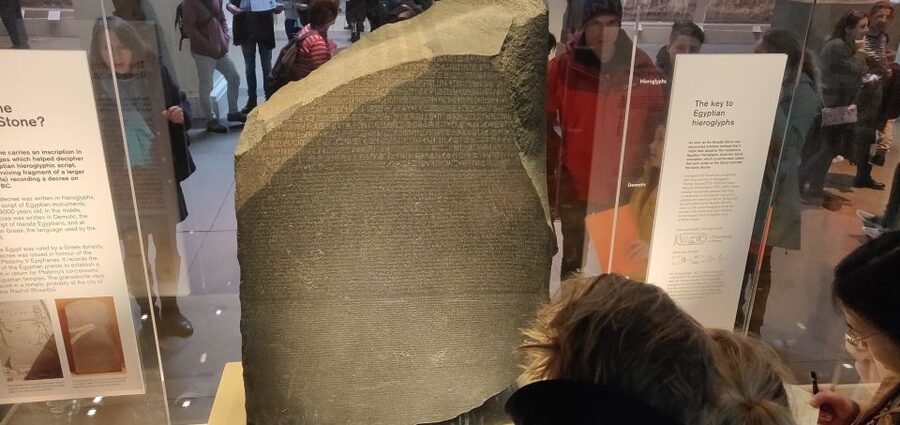
I would choose this tour if you want more than a quick parade of famous objects. You are not just told that the Rosetta Stone is important. You learn how a stone carrying the same text in different scripts helped scholars read Egyptian hieroglyphs again.
The experience is conducted in English and lasts five and a half hours. That makes it closer to a compact archaeology class held inside a museum than to a standard two-hour sightseeing walk.
Meeting at Russell Square
You meet the guide outside Russell Square Station, where the local partner’s name is displayed on an iPad. Arrive 10 minutes early. From the station, it is about a five-minute walk to the British Museum.
This is a sensible meeting point. Russell Square is easy to reach, and starting outside gives the group a clear place to gather before entering the museum. The short walk also means you are not spending the opening part of the day on transport.
The tour ends at the British Museum, so you can continue looking around afterward if the building is still open and you still have energy. The museum is enormous, and the guided portion covers only a small part of it, even though it covers a large stretch of human history.
More British Museum Tours:
- London: British Museum Guided Tour
★ 4.3 · 1,182 reviews - British Museum London Guided Tour Semi-Private 8ppl Max
★ 5.0 · 984 reviews - London: Tour of the British Museum
★ 4.1 · 678 reviews
From early tools to the first cities
The opening section deals with early human origins and the first tools. Instead of treating archaeology as a hunt for pretty objects, the guide explains how small clues can reveal changes in diet, technology, settlement, and social life.
You then move toward Mesopotamia, where the story of cities and writing becomes central. This is one of the strongest parts of the course because it shows that civilization did not appear fully formed. It developed through farming, permanent settlements, administration, trade, and the need to record information.
The focus on Sumerian cuneiform gives the section a practical edge. You learn about the world’s earliest written language and the work required to interpret wedge-shaped marks pressed into clay.
I like this approach because it turns writing from an abstract school subject into a tool used by real communities. A tablet is not just an old object. It can point to taxes, trade, law, food supplies, or government.
Egyptian hieroglyphs and the Rosetta Stone
The Egyptian galleries provide one of the tour’s headline moments. The Rosetta Stone is famous, but the guide gives you the missing piece: why this particular object mattered so much.
The stone carried the same decree in three forms of writing. That made comparison possible and helped scholars connect the known Greek text with Egyptian scripts. The course uses this story to show how archaeology often advances through patient comparison rather than one dramatic discovery.
Egypt is also presented as part of a wider human story. You look at the state, belief, writing, art, and burial practices, then compare them with developments elsewhere. This keeps the gallery from becoming a string of isolated facts.
If you have a teenager with you, the deciphering stories should help hold attention. Helen, who attended with her 13-year-old, found that the guide kept both of them engaged for the full session. Another parent described the day as both instructive and fun for a daughter of the same age.
Assyria, Greece, and the power of empires
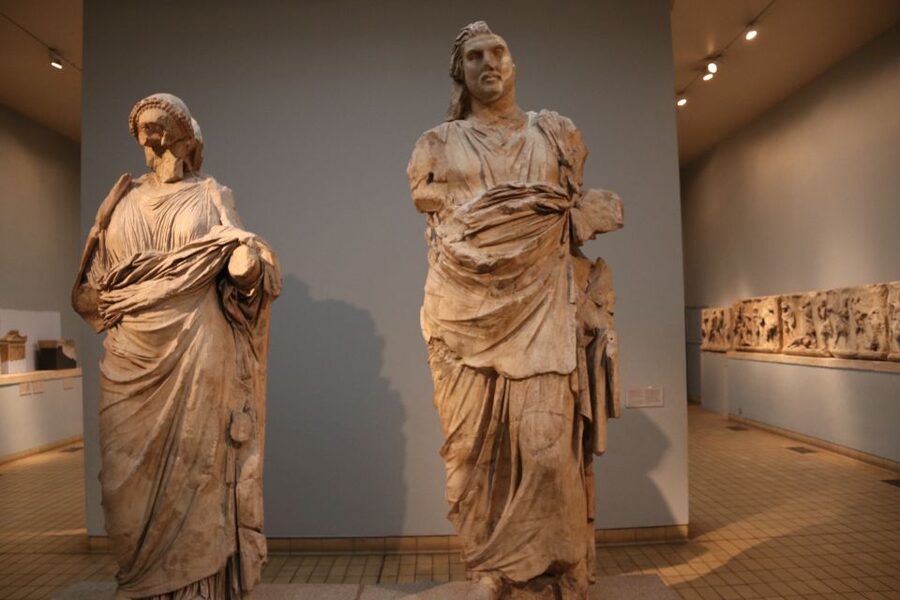
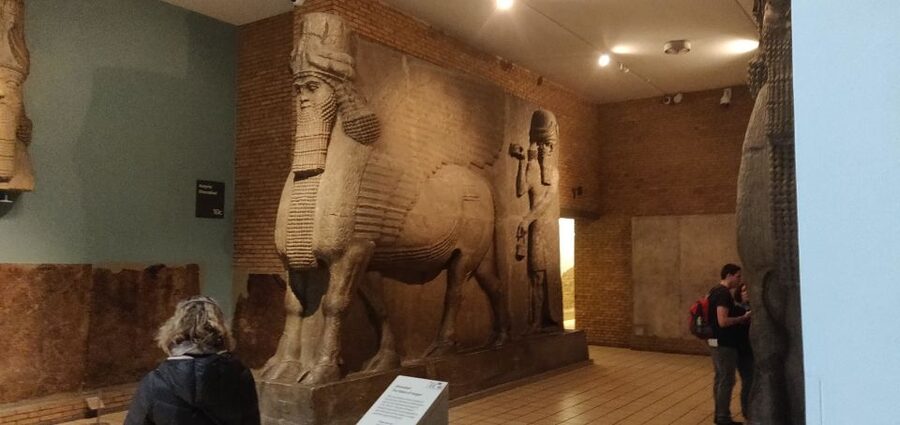
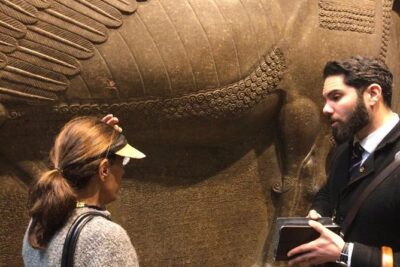
The Assyrian section adds a look at imperial power, warfare, royal imagery, and the way rulers wanted to be remembered. It helps you see museum objects as political statements, not just works of art.
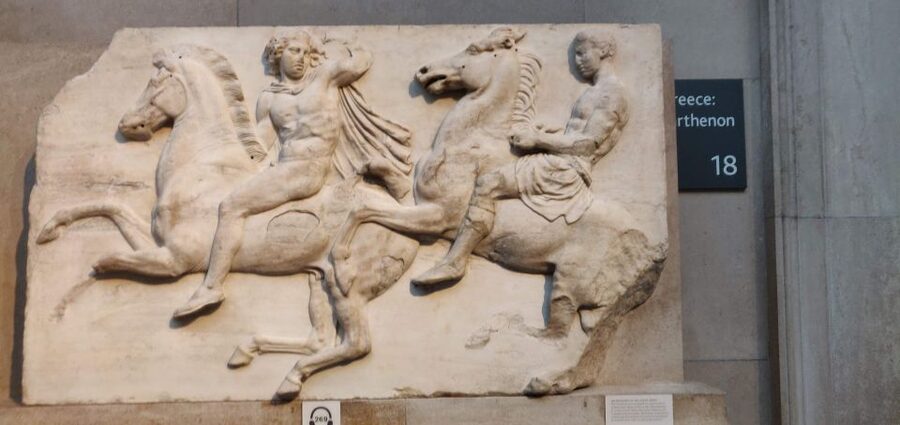
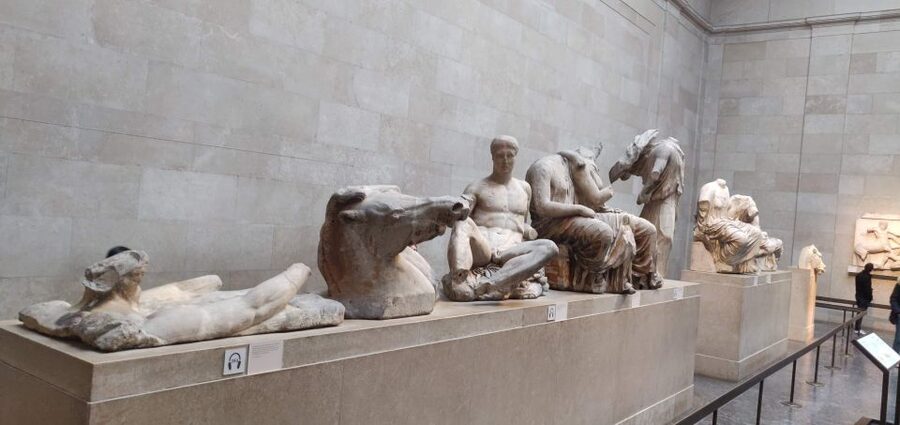
Ancient Greece and Rome then widen the story again. The tour includes the Parthenon Marbles and uses the galleries to explain how Greek and Roman societies shaped later ideas about art, government, architecture, and empire.
You should not expect to study every room or every object. The guide has to make hard choices, and the tour concentrates on pieces that help explain broad changes in human society. That is useful if you are visiting the museum for the first time, but less suitable if you already have a personal list of ten specific objects you want to examine at length.
The guide’s voice matters in these crowded galleries. One Saturday group found the museum very busy but had no trouble hearing Rossa. A clear speaking voice and strong storytelling are practical advantages here, not small extras.
A different sort of day out in London altogether:
- From London: Harry Potter Warner Bros Studio Tour
★ 4.7 · 26,588 reviews - London: Westminster to Greenwich River Thames Cruise
★ 4.5 · 22,836 reviews - Magical London: Harry Potter Guided Walking Tour
★ 4.7 · 22,044 reviews - London: Madame Tussauds London
★ 4.6 · 20,915 reviews
Vikings, the Aztecs, and what happens after Rome
The tour moves beyond the classical empires to include the Vikings and the Aztecs. These sections keep the course from presenting history as a straight line that ends with Greece and Rome.
The Sutton Hoo Helmet gives you a way into early medieval Britain. The Lewis Chessmen offer a different kind of evidence, showing how play, craft, trade, and social status can all appear in a small object.
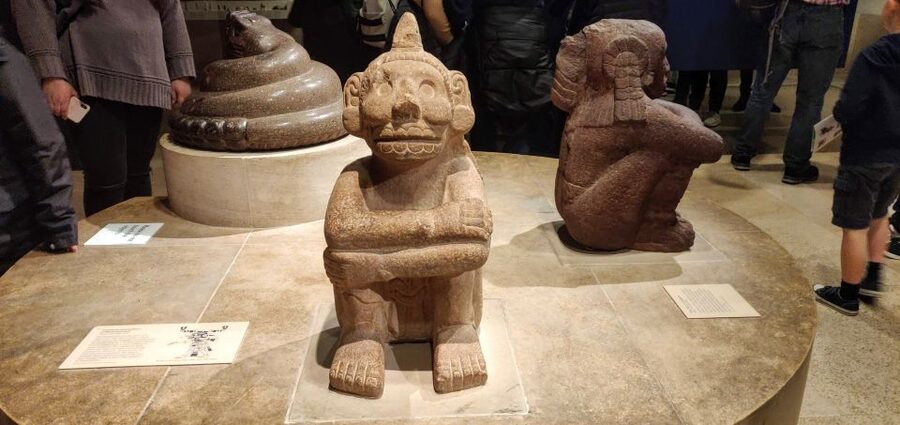
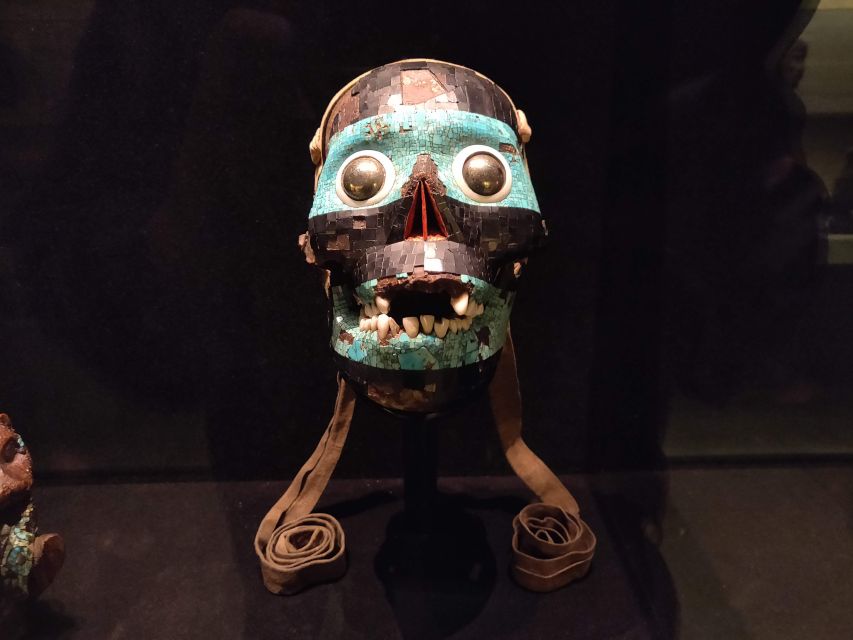
The Aztec material adds another major culture and reminds you that complex societies developed in different parts of the world. I appreciate that range because it prevents the day from becoming too focused on the Mediterranean and Near East.
The guide also addresses what happened after major empires collapsed. That is important. Political systems can disappear while technologies, languages, religious ideas, and artistic styles continue in new forms.
Playing the Royal Game of Ur
The Royal Game of Ur is the tour’s most playful feature. You get to try one of the world’s oldest known board games, with rules reconstructed by British Museum scholars.
This short activity gives the long course a welcome change of pace. Instead of only listening and looking, you take part in a small piece of ancient life. It also raises a good archaeological question: how can scholars work out the rules of a game played thousands of years ago?
The game fits the larger purpose of the course. Archaeology is not only about rulers, temples, and treasure. It can also reveal how ordinary people spent time, competed, and entertained themselves.
How archaeologists date and interpret objects
The final part focuses on the science behind archaeology. You learn how sites become buried, how objects are dated, and why some questions remain open.
That scientific foundation is valuable because museum displays can make the past look certain and tidy. In reality, archaeologists often work with incomplete evidence. They compare objects, examine layers of soil, study materials, and test ideas against new discoveries.
The course also gives you a better sense of how museum collections were formed. You hear about archaeologists, explorers, and relic hunters who acquired objects, along with the risks and difficulties involved in their work. The subject is not presented as a simple adventure story. It also raises questions about collecting and the route ancient objects took before reaching London.
If you enjoy asking how anyone knows what they claim to know about the past, this section may be your favorite. It turns the museum from a collection of answers into a place where evidence is still being examined.
The pace, breaks, and physical demands
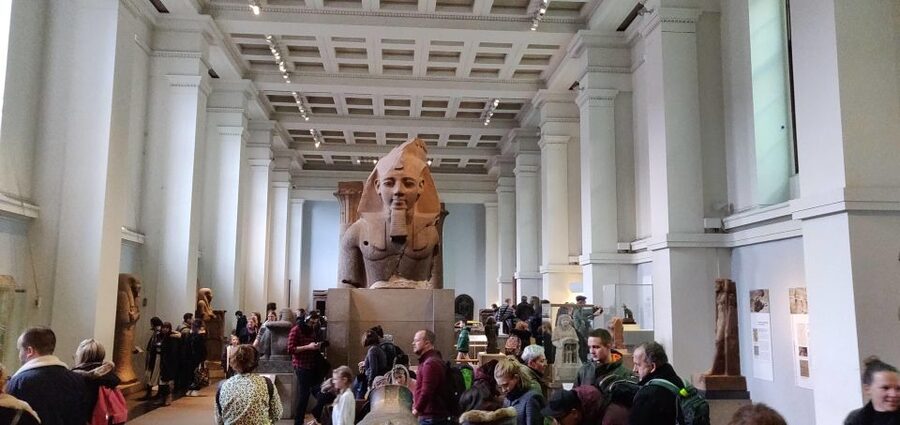
Five and a half hours requires planning. You will spend much of the session walking or standing in galleries, then stopping for explanations. The course includes breaks, with about 40 minutes available for lunch according to the practical guidance given during the experience.
Lunch is not included, so bring food or plan to buy something at one of the museum’s food outlets. The break can pass quickly, especially if you need to eat, use the facilities, and find your way back to the group.
Wear comfortable shoes and carry water. A folding stool can make a real difference, and stools are available near the entrance. This is especially useful for older visitors or anyone who finds prolonged standing tiring.
Large bags and luggage are not allowed. A small day pack is noted as acceptable, but keep your belongings light and manageable.
The tour is wheelchair accessible and suitable for people with limited mobility. If you have specific needs, contact the provider in advance. The long duration remains the main consideration, even for visitors who can use the museum without difficulty.
Is $81 good value?
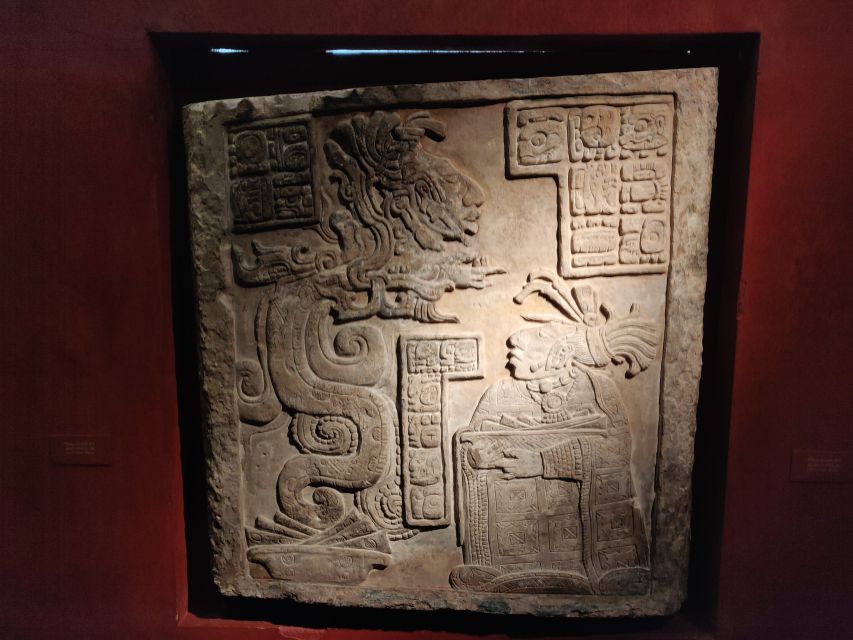
The price is $81 per person. The British Museum itself has free general admission, so you are paying for the qualified archaeologist, the guided structure, the long teaching session, and the separate entrance arrangement rather than for a museum ticket.
That can be good value if you would otherwise spend hours trying to make sense of the galleries on your own. A guide who connects objects across different civilizations can save you time and give you a stronger grasp of what you are seeing.
The value is less clear if you prefer wandering at your own pace. Five and a half hours is a major commitment, and you will not have unlimited time to stop at every display. You may also want to return later, since the museum contains far more than one course can cover.
The tour has a 4.7 rating from 113 reviews, and the strongest praise centers on Rossa’s subject knowledge, energy, and storytelling. Several people describe him as an archaeologist who makes complex subjects easy to follow. One person even hoped for a second course because the first day left more to explore.
Who should book this British Museum course?
I would recommend it to first-time museum visitors who want a clear route through the collection. It is also a strong choice for families with older children and teenagers, especially those who like stories about discovery, ancient languages, and puzzles.
History students, museum fans, and people curious about archaeological methods should get the most from it. The course is also useful if you have visited the British Museum before but felt that the objects lacked context.
I would think twice if you dislike long guided sessions, need to move at your own speed, or mainly want modern art and temporary exhibitions. This is an English-language class with a fixed route and a large amount of information.
The guide’s personal style is important. Most of the available feedback names Rossa and praises his enthusiasm, clear explanations, and ability to answer questions. The experience appears to work best when you arrive ready to listen, ask questions, and follow a long chronological story.
Small details that improve the day
Arrive early at Russell Square Station so you are not searching for the group at the last moment. Look for the iPad displaying the local partner’s name.
Bring comfortable shoes, water, and a packed lunch if you want to avoid spending part of the break finding food. Pick up a free museum map at the entrance, and take a folding stool if standing for long periods is difficult.
Keep your bag small. Luggage and large bags are not allowed, and carrying less will make the walk between galleries easier.
You can cancel up to 24 hours before the start for a full refund, and the reserve-now, pay-later option gives you some flexibility while planning a London trip. Check the available start times before booking, since the course runs for most of a day.
Should you book it?
Book this British Museum archaeology course if you want the museum to tell you a connected story rather than hand you a list of famous objects. The Rosetta Stone, Parthenon Marbles, Sutton Hoo Helmet, and Lewis Chessmen are excellent anchors, but the real strength is learning how archaeologists read evidence and rebuild the past.
The $81 price is reasonable for a five and a half hour guided class, provided you value expert interpretation and do not mind a fixed pace. Bring lunch, water, comfortable shoes, and patience. If you want a relaxed solo wander, choose the museum on your own. If you want human civilization explained object by object, this is a strong way to spend half a day in London.
FAQ
Where does the British Museum archaeology tour meet?
Meet your guide outside Russell Square Station. The guide will hold an iPad displaying the local partner’s name. Arrive 10 minutes before the start time.
How long does the experience last?
The course and guided museum visit last five and a half hours. The walk from Russell Square Station to the British Museum takes about five minutes.
Is museum admission included?
General entrance to the British Museum is free, and the experience includes entrance through a separate entrance along with the guided tour and archaeology course.
Is lunch included?
No. Lunch is not included. You can bring a packed lunch or buy food at one of the British Museum’s food outlets. A break of about 40 minutes is provided.
Is the tour suitable for people with limited mobility?
The experience is wheelchair accessible and suitable for people with limited mobility. Contact the provider in advance if you have special requirements. Comfortable shoes are recommended, and folding stools are available at the entrance.
What languages are available?
The live tour guide and course are provided in English.
Just added around London
- London: “Queen” Highlights Walking Tour★ 4.3 · 48 reviews
- Couple’s photo: Romantic photoshoot in London★ 4.8 · 22 reviews
- London: Private Tour with Locals – Highlights & Hidden Gems★ 5.0 · 8 reviews
- Luxury Private Tour in London with Lunch★ 5.0 · 7 reviews
- London 1- or 2-Hour Professional Photo Shoot★ 4.9 · 6 reviews
- London: Private Black Cab Night Tour with Hotel Pick Up★ 5.0 · 11 reviews
- London: Christmas Lights Tour – With Christmas Music★ 4.8 · 9 reviews
- London: Private Pub Tour★ 4.5 · 4 reviews
British Museum Tours, compared.
British Museum London Guided Tour Semi-Private 8ppl Max
Read our review →
British Museum Audio Tour & Priority Entrance Ticket
Read our review →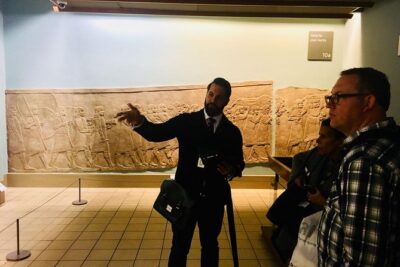
The British Museum London – Exclusive Guided Museum Tour
Read our review →
British Museum & National Gallery of London Semi-Private 8ppl Max
Read our review →Browse the lists this tour appears in