
Reviewed · WESTMINSTER AND BIG BEN TOURS
London: Westminster WW2 Tour & Churchill’s War Rooms Ticket
Churchill’s War Rooms are more than a museum. They are a preserved underground command center, where maps, messages, kitchen duties, and Churchill’s wartime conversations all occupied the same cramped maze. The experience begins above ground with a Westminster walk that explains why these familiar buildings mattered during the Blitz.
I like the way the walking tour gives the War Rooms a proper setting, and I like the freedom to explore the bunker at your own pace afterward. Guides such as Paul, Maggie, Michael, and Lee have earned praise for mixing sharp historical detail with humor. The main drawback is practical: you will be on your feet for much of the tour, and the underground rooms can feel crowded and tight.
Key points to know before booking
- The tour starts outside Westminster Station, not at Churchill’s War Rooms, so allow time to find the correct exit and meeting spot.
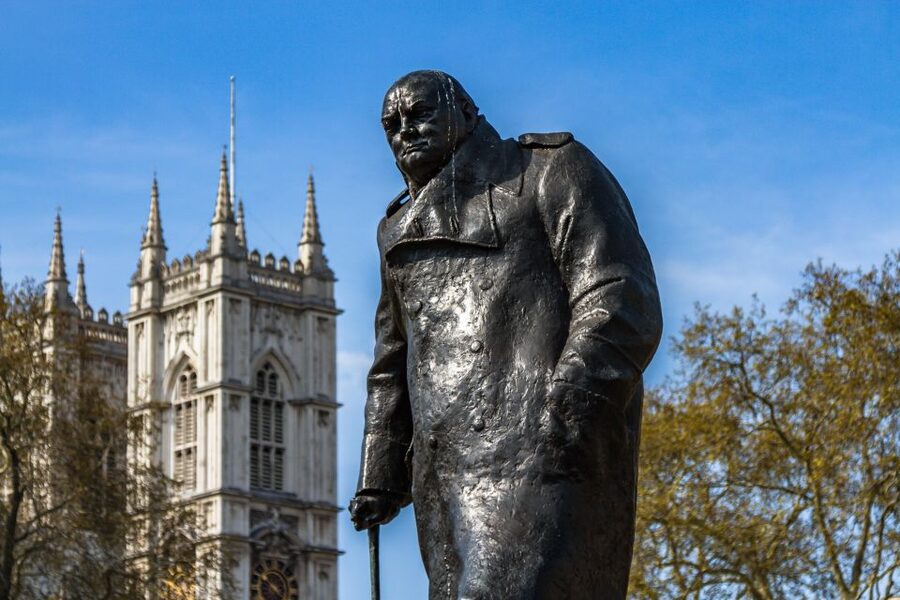
- The one-hour Westminster walk comes first, with stops near Big Ben, Parliament, Westminster Abbey, Downing Street, Churchill’s statue, and the Cenotaph.
- The War Rooms portion is self-guided, using the museum’s audio guide after your walking guide leaves you at the entrance.
- The bunker is wonderfully preserved but cramped, with narrow rooms, heavy visitor traffic, and plenty of displays to read.
- You can spend longer than the listed two and a half hours, especially if you listen to the speeches and study the Churchill Museum.
- Comfortable shoes matter, and the experience is not suitable for wheelchair users, people with mobility impairments, or baby strollers.
Why the Westminster walk improves the museum visit
The tour starts outside Westminster Station, at the top of the stairs near the statue of Boadicea on a chariot. Use Exit 2, marked Victoria Embankment. This detail matters because the meeting point is not at the Churchill War Rooms, and arriving at the museum first will put you in the wrong place.
Your guide then leads a roughly one-hour walk through the center of British government. Westminster can feel like a parade of grand buildings if you see it without context. The guide’s job is to connect those buildings to the wartime decisions made below street level.
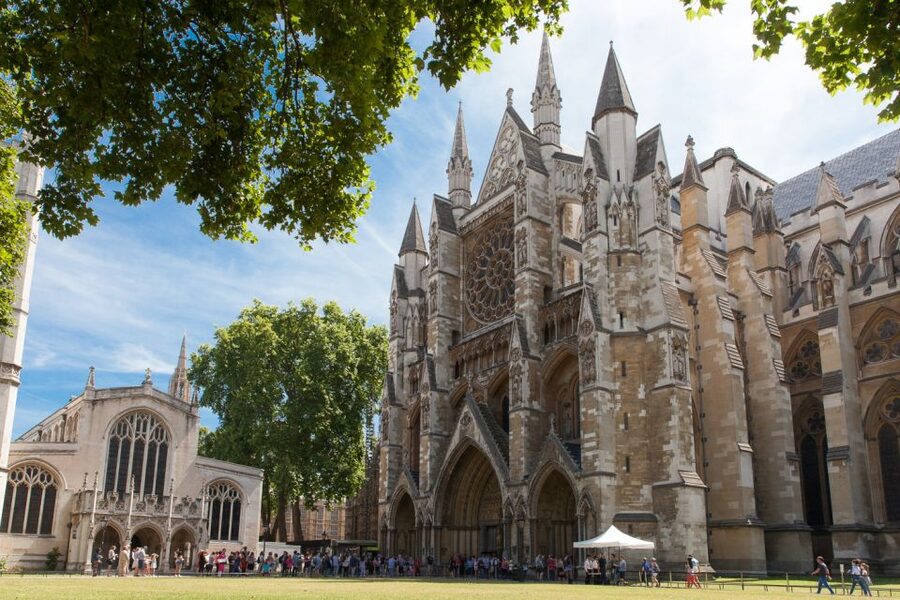
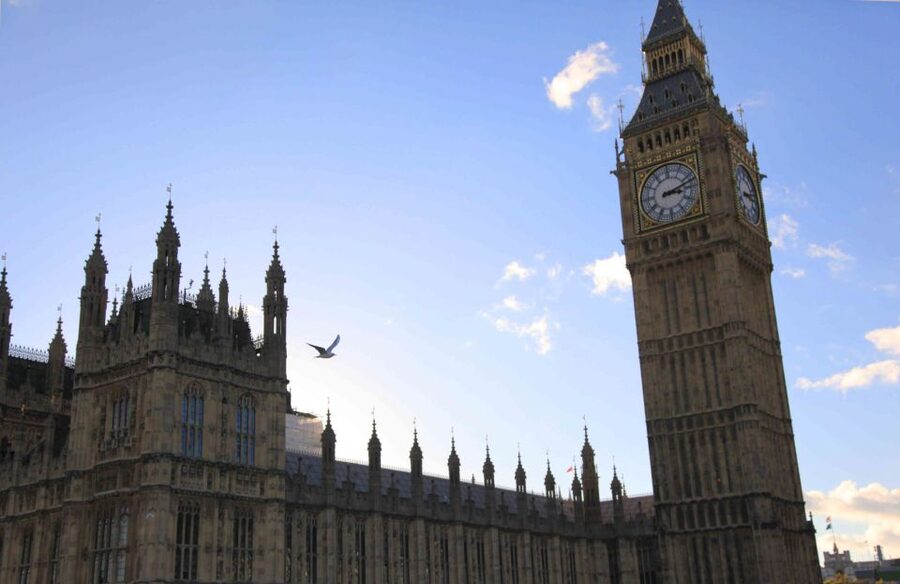
You pass Big Ben and the Houses of Parliament, usually with time for photographs. The stops are brief, so you should not expect an interior visit to Parliament or Westminster Abbey. Westminster Abbey is seen from outside only, and the tour does not include admission.
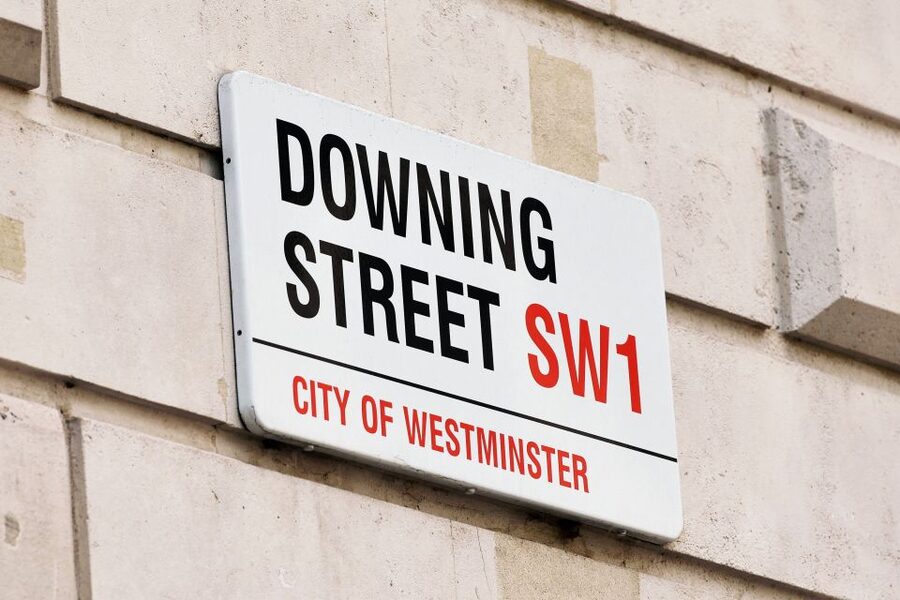
The walk also passes 10 Downing Street, the prime minister’s official residence. One of the most interesting Churchill details comes later inside the museum, where you can see the original door he used after becoming prime minister. That small object helps connect the famous public figure to the working offices beneath Whitehall.
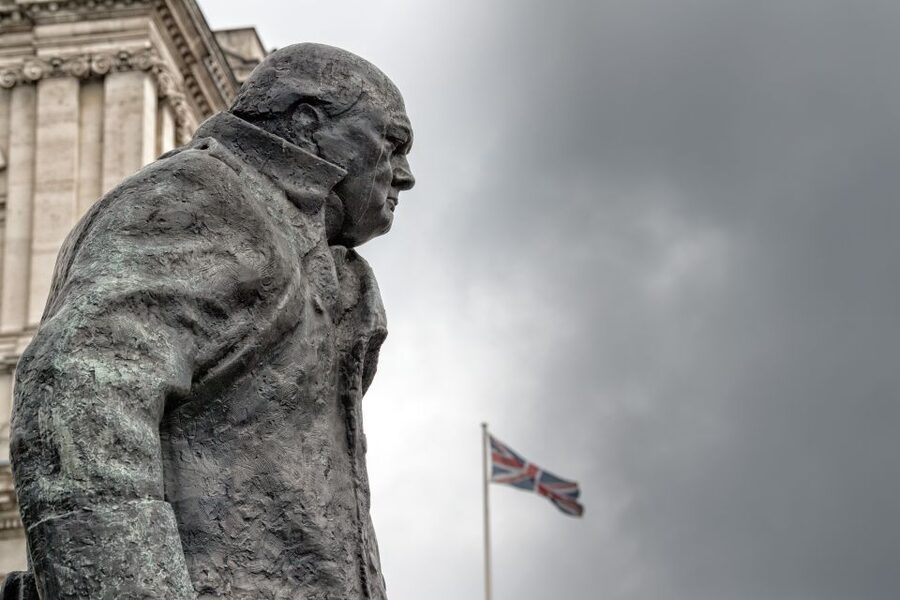
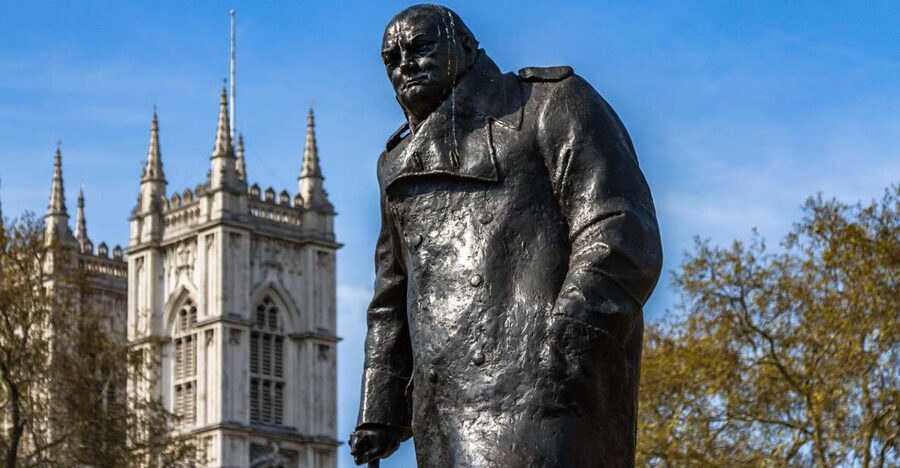
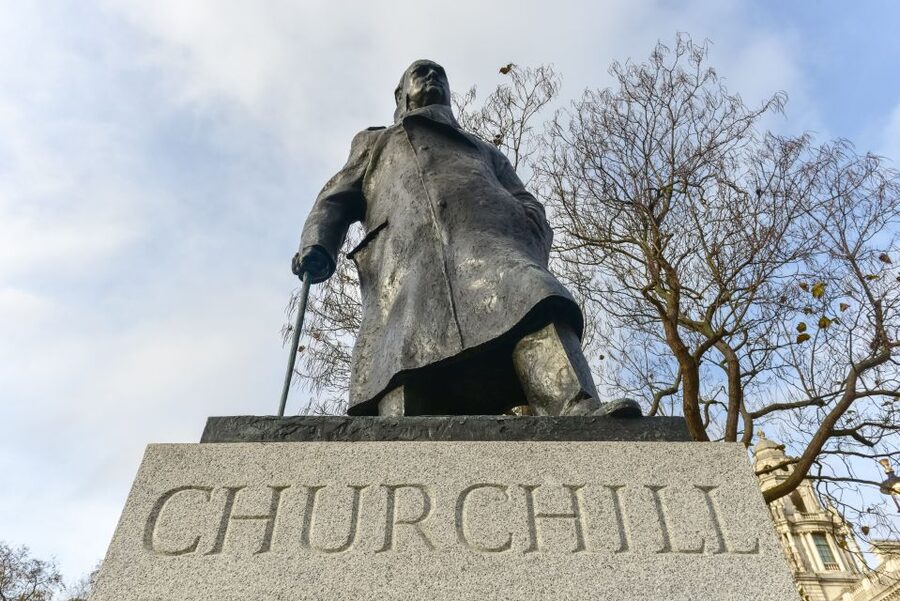
The route finishes at the Cenotaph, Britain’s main national war memorial. It was built to honor the dead of the First World War, but it now carries a wider national meaning. Along the way, you also see Churchill’s statue and the Women of World War II memorial, which broadens the story beyond generals and politicians.
More Churchill War Rooms Tours:
- Westminster 3 Hour Walking Tour and Visit of Churchill War Rooms
★ 5.0 · 967 reviews - WW2 London Walking Tour & Churchill War Rooms Entrance Ticket
★ 4.5 · 933 reviews - London in WW2 Walking Tour with Churchill War Rooms Visit
★ 5.0 · 721 reviews
Governments in exile and wartime Westminster
The strongest part of the outdoor walk is its political setting. When Germany occupied much of Europe, governments and monarchs forced out of their own countries gathered in London. Westminster became a place where exiled leaders continued to represent their nations, plan resistance, and work with Britain and its allies.
That gives the neighborhood a different feel. The grand streets were not simply ceremonial routes. They were crowded with officials, diplomats, military planners, code specialists, journalists, and people involved in espionage.
The guide also explains how badly Westminster suffered during the German bombing campaigns. You hear about the pressure placed on government offices and the need to carry on public work while air raids threatened the city.
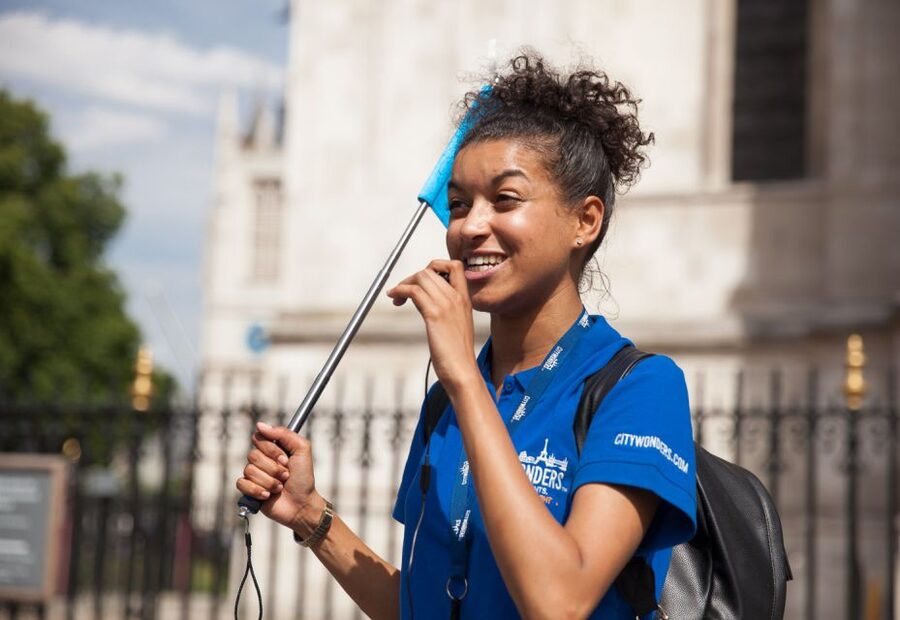
The best guides use humor without making light of the subject. Paul has been praised for bringing Churchill and the period to life, while Michael has been singled out for a lively, witty delivery. Other guides, including Maggie, Lee, Andy, Dave, Peter, and Flora, have been praised for clear explanations and an easy way with questions.
You cannot choose a particular guide with certainty, but the tour depends heavily on the person leading it. The headsets help a great deal, especially beside busy roads or in a large group. One practical warning: the audio devices have occasionally needed troubleshooting. If you cannot hear, ask the guide to check the channel before the group gets too far along.
Big Ben, Parliament, and the short photo stops
The Westminster landmarks are familiar, but the guide gives them a wartime purpose. Big Ben and the Houses of Parliament are not simply postcard views. They represent the visible side of government while the real planning often took place below ground.
The photo stops are short, usually about 10 to 15 minutes at each major landmark. That is enough for pictures and a focused explanation, but not enough for a leisurely photography session. If you want detailed photographs of every facade, arrive early or plan to return later.
The walking route may also include an unexpected sight, depending on timing. One guide added a view of preparations for the changing of the guard, while another group saw the ceremony area near Wellington Barracks. Treat this as a bonus rather than a guaranteed part of the tour.
The walk is held outdoors in all normal conditions. On hot days, the guide may search out shade for explanations. On rainy days, the pace and stopping points may change. Wear shoes that can handle pavement and expect to walk continuously before reaching the museum.
Entering Churchill’s underground headquarters
At the Churchill War Rooms, your walking guide helps you reach the entrance and explains how the audio guide, toilets, and cafe work. The guide does not accompany you through the museum. From this point on, you explore independently.
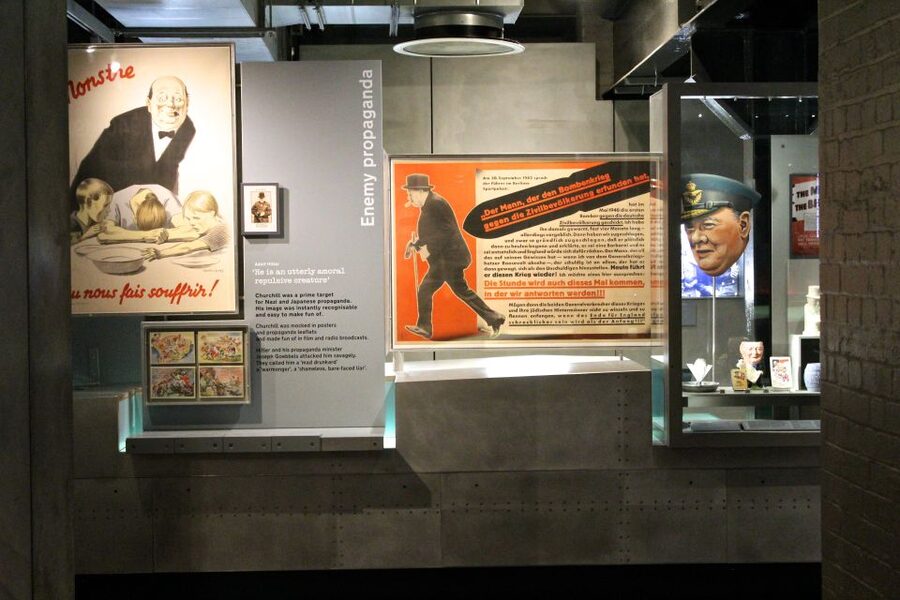
The bunker was used by Churchill and his government during the Second World War. The rooms have been preserved as they were when the lights were switched off in 1945. Signs showing the weather outside help recreate the strange separation between life underground and the city above.
You move through offices, map rooms, work areas, and private spaces. Staff had to interpret enemy communications, track army movements, update maps, and pass information between departments. The displays show how much of this work depended on paper, telephones, messengers, and people working long hours in tight quarters.
This is not a polished palace or a spacious military museum. The corridors and rooms can be narrow, and the attraction may feel cramped when busy. One visitor found the audio system difficult to match with the correct room. Take your time, look for the relevant number or display before starting each track, and do not feel pressured to follow the audio at speed.
More Westminster and Big Ben Tours:
- London: Westminster to Greenwich River Thames Cruise
★ 4.5 · 22,836 reviews - London: Westminster to Tower Bridge River Thames Cruise
★ 4.5 · 6,127 reviews - Westminster to Greenwich Sightseeing Thames Cruise in London
★ 4.5 · 2,969 reviews - London: Westminster and Changing of the Guard Tour
★ 4.5 · 2,171 reviews
The Transatlantic Telephone Room and Churchill’s kitchen
Some of the most memorable rooms involve ordinary details. The Transatlantic Telephone Room was used for highly private conversations between Churchill and President Roosevelt. It gives you a sense of how much political and military work depended on secure communication.
The kitchen offers a different view. Churchill’s wartime headquarters needed meals, supplies, and domestic routines, even while the wider war consumed every conversation. Seeing the kitchen beside rooms handling top-secret business reminds you that the bunker was a workplace and a temporary home, not just a command post.
The staff working below ground faced long hours and limited daylight. Primitive sun lamps were used to provide needed vitamin D. Families of some workers did not even know what their relatives did for a living. Those details make the bunker feel less like a set of famous rooms and more like a difficult workplace occupied by many people whose names are not famous.
The Churchill Museum and the man behind the speeches
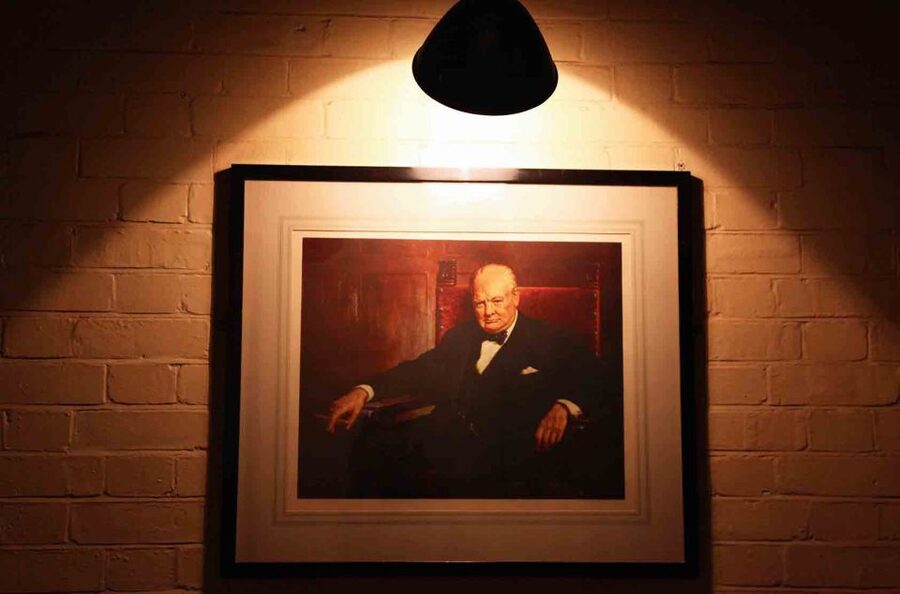
The Churchill Museum adds a biographical layer to the War Rooms. You learn about his public career, private life, political setbacks, wartime leadership, and relationship with his wife. The displays also cover his connection with Roosevelt, a partnership that shaped the Allied war effort.
Authentic recordings of Churchill’s speeches are a major reason to spend time here. Hearing his voice in the rooms where decisions were made gives the speeches more force than reading a transcript on a wall.
The museum does not present Churchill as a simple hero. His legacy is complicated, and the displays cover both the public leader and the private man. If you already know the broad outline of his life, the original objects and recordings still provide useful detail.
You will also see the original door associated with 10 Downing Street after Churchill became prime minister. It is a modest object, but it ties together the outdoor walk and the underground museum in a satisfying way.
How long to allow, and what the $59 price means
The advertised duration is two and a half hours: about one hour for the guided walk and about 90 minutes inside the War Rooms. At $59 per person, the price includes the English-speaking guide, the Westminster walk, entry to Churchill’s War Rooms, the reservation fee, headsets, and the museum audio guide.
The value depends on how much context you want. A War Rooms admission by itself gives you access to the bunker, but this tour adds a guided explanation of the surrounding buildings and wartime Westminster. The extra cost is easiest to justify if you want the city streets explained before entering the museum.
You can also stay longer inside. Some people finish in around 90 minutes, while others spend several additional hours listening to the recordings, reading the Churchill displays, and stopping for lunch at the cafe. The official schedule is 2.5 hours, but your day can become much longer if you take advantage of the open-ended museum visit.
Do not book a tight appointment immediately afterward. The walk may run at a steady pace, and the museum is large enough to reward patience. If you are interested in military history, political history, or Churchill himself, I would allow at least another hour beyond the scheduled time.
Who will enjoy this tour most
I recommend it most strongly to adults and older children who enjoy political and military history. One guide described the content as unsuitable for young children because it is heavily political and historical. That is fair. The experience is built around decisions, governments, communications, and wartime leadership rather than hands-on entertainment.
It suits first-time visitors who want to connect major Westminster sights with the Second World War. It also works well for people who already know London but want a focused historical route. One long-time London resident learned new details from the walk, which shows that the tour is not only for first-time visitors.
You should be comfortable walking outdoors and standing for much of the route. The War Rooms are underground and can be tight, so this is not suitable for wheelchair users or people with mobility impairments. Baby strollers are not allowed.
The tour can work as a private or group experience, depending on the option selected. A private booking may suit families or small parties who want more control over questions and pace. A group tour offers the usual advantage of a lower shared cost, but crowded pavements and busy museum rooms may make the experience less personal.
Practical tips for a smoother visit
Meet outside Westminster Station, using Exit 2 toward Victoria Embankment. Look for the guide at street level near the Boadicea statue, and remember that the meeting point is not the War Rooms entrance.
Wear comfortable shoes. This sounds obvious, but the outdoor walk, photo stops, and underground museum add up to a lot of time standing. Bring weather-appropriate clothing because the first part takes place outside.
Keep your expectations clear about Westminster Abbey. You will see it as part of the walking route, but admission is not included. The same applies to the Houses of Parliament and 10 Downing Street, which are viewed from outside.
Use the headsets during the walk. London traffic can make a guide hard to hear, and the equipment lets you stay with the group without crowding around the speaker. If the sound cuts out, ask for help at once.
Inside the War Rooms, slow down. The museum rewards careful reading, and you may want to replay sections of the audio guide. Do not assume the scheduled 90 minutes is enough if Churchill’s speeches, private life, and wartime maps interest you.
Should you book the Westminster and War Rooms tour?
I would book this tour if you want more than a ticket to Churchill’s War Rooms. The guided Westminster walk gives purpose to the buildings and memorials, while the preserved bunker supplies the close-up detail. The combination feels more complete than visiting the museum without any street-level context.
I would skip it if you dislike walking, crowded indoor museums, or political history. I would also choose a simple museum admission if you already know Westminster well and prefer to explore entirely on your own.
For most history-minded visitors, the $59 price is fair because it combines a live guide, reserved museum entry, headsets, and an audio guide. Just start at the correct station exit, wear good shoes, and leave extra time after the official two and a half hours. The real value comes from lingering underground, where the maps, telephones, kitchens, speeches, and narrow corridors show how a government functioned under pressure.
FAQ
Where does the tour meet?
Meet outside Westminster Station. Use Exit 2 toward Victoria Embankment, then go up the stairs to street level. The group meets near the statue of Boadicea on a chariot.
Does the tour start at Churchill’s War Rooms?
No. The meeting point is outside Westminster Station, not at Churchill’s War Rooms. The tour walks through Westminster before reaching the museum.
How long does the experience last?
The scheduled duration is two and a half hours. This includes about one hour of guided walking and about 90 minutes for the self-guided War Rooms visit.
Is the Churchill War Rooms entry included?
Yes. The price includes the entry ticket and reservation fee for Churchill’s War Rooms, along with the museum audio guide.
Does a guide accompany me inside the War Rooms?
No. Your English-speaking guide leads the Westminster walk and takes you to the museum entrance. You then explore Churchill’s War Rooms independently with the audio guide.
Is Westminster Abbey included?
No. Westminster Abbey is a photo stop on the walking route. Admission to the abbey is not included.
What should I bring?
Bring comfortable shoes. The tour includes outdoor walking and time on your feet inside the underground museum.
Is the tour suitable for wheelchair users or baby strollers?
No. The experience is not suitable for wheelchair users or people with mobility impairments, and baby strollers are not allowed.
Just added around London
- London: “Queen” Highlights Walking Tour★ 4.3 · 48 reviews
- Couple’s photo: Romantic photoshoot in London★ 4.8 · 22 reviews
- London 1- or 2-Hour Professional Photo Shoot★ 4.9 · 6 reviews
- London: Private Tour with Locals – Highlights & Hidden Gems★ 5.0 · 8 reviews
- Luxury Private Tour in London with Lunch★ 5.0 · 7 reviews
- London: Private Black Cab Night Tour with Hotel Pick Up★ 5.0 · 11 reviews
- London: Christmas Lights Tour – With Christmas Music★ 4.8 · 9 reviews
- London: Private Pub Tour★ 4.5 · 4 reviews
Westminster and Big Ben Tours, compared.
Westminster to Greenwich River Thames Cruise
Read our review →
Westminster to Tower Bridge River Thames Cruise
Read our review →
Westminster to Greenwich Sightseeing Thames Cruise in London
Read our review →
Westminster Abbey, Big Ben & Buckingham Guided Tour
Read our review →
London’s Palaces & Parliament Tour (See Over 20+ London Top Sights)
Read our review →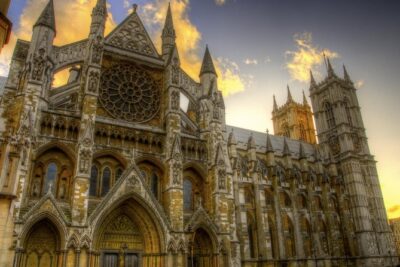
Westminster Guided Walking Tour with Abbey Entry
Read our review →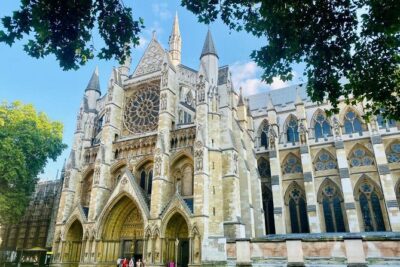
Walking Tour of London Westminster Abbey, Big Ben, Buckingham
Read our review →Browse the lists this tour appears in