Reviewed · PRIVATE
Law in London Private Tour
London’s legal quarter is one of the city’s best places for a guided walk. Behind the grand stone fronts, you’ll find working courts, barristers’ chambers, old gardens, law bookshops, and streets tied to centuries of English justice. This tour brings that world into focus with an English-speaking guide who is presented as a lawyer.
I like the chance to sit in on an actual court case, subject to court access and the day’s proceedings. I also like the finish at the Old Cheshire Cheese Pub, where your half pint of ale or soft drink gives the afternoon a relaxed ending. The main consideration is that this is a walking tour with a legal theme, not a private legal consultation. One past booking found the guide friendly but unable to answer many specific law questions.
Key points
- Royal Courts of Justice access: Begin inside one of London’s grandest Victorian public buildings.
- Working legal district: Walk through the Inns of Court, the Rolls Building area, Temple Gardens, and streets used by barristers.
- Courtroom atmosphere: You may sit in on a live case, depending on court schedules and access rules.
- Literary and film connections: See Temple Church, linked with The Da Vinci Code, and hear about famous cases such as Lady Chatterley’s Lover.
- Private format: Your guide can adjust the pace and emphasis for your group.
- Pub and Magna Carta finish: End with a half pint of ale or a soft drink and a reproduction copy of the 1215 Magna Carta.
Starting at the Royal Courts of Justice
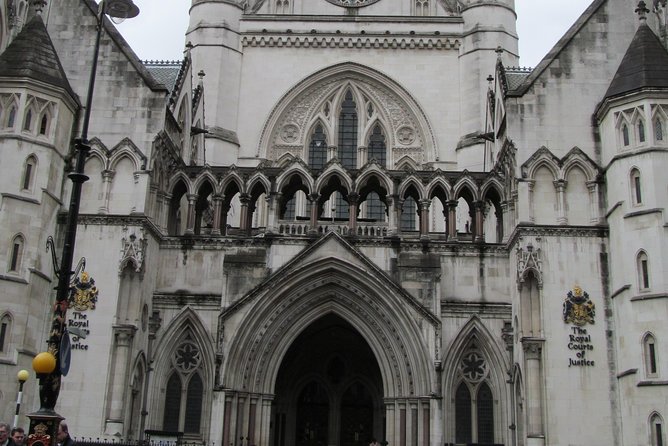
Meet at 1:30 p.m. in front of the Royal Courts of Justice on the Strand. This is an easy place to recognize, with its ornate Gothic exterior and long connection to the English court system. The tour ends around 5 p.m., so allow the full three and a half hours.
The opening visit gives you more than a photo stop. You go inside this Victorian building and see the setting where legal arguments are heard. The architecture is a major part of the experience, with grand public spaces that help explain the ceremony and formality of British courts.
You may also sit in on an actual case. That possibility is one of the strongest reasons to choose a specialist tour rather than simply walk past the building. Court access can depend on the day’s schedule and practical restrictions, so treat it as a valuable possibility rather than a guaranteed performance.
A little patience helps here. Courtrooms are working places, not tourist attractions, and proceedings may be formal, quiet, or difficult to follow without legal training. Your guide’s commentary is important because it can help you understand what you are seeing and why the room operates as it does.
More Private:
- The Premier Classic London: Private 4-Hour Tour in a Black Cab
★ 5.0 · 2,737 reviews - Stonehenge Inner Circle Private Tour from London with Bath Visit
★ 5.0 · 1,909 reviews - London: Tower of London Entry & Beefeater Private Audience
★ 4.4 · 1,441 reviews
Old Bailey and famous cases
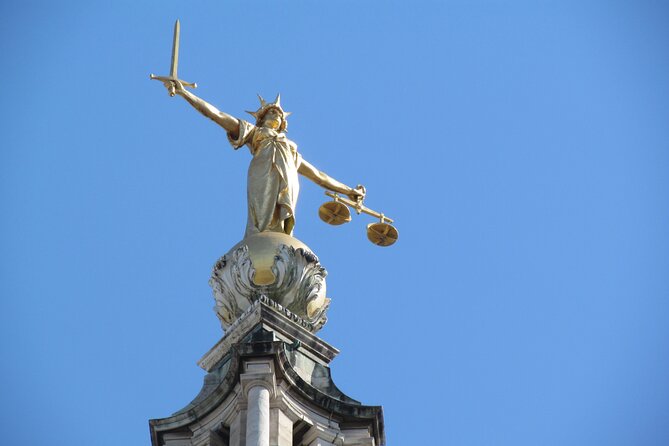
From the Royal Courts of Justice, the walk continues toward the Old Bailey, often described as one of the world’s best-known criminal courts. The name carries a strong place in British popular culture, especially for anyone who enjoys Rumpole of the Bailey or old courtroom television.
The Old Bailey is tied to major legal cases, including the famous obscenity trial involving Lady Chatterley’s Lover. That connection gives the stop a useful cultural angle. English law is not only about court procedure. It has also shaped publishing, public morality, political debate, and daily life.
You should not expect a museum-style display at every stop. Much of the interest comes from being shown where things happened and learning how the legal quarter functions today. A guide can point out details you would probably miss while walking alone, then connect a building or street with a wider change in British law.
The tour suits people who enjoy stories and context as much as formal legal facts. If you want a detailed explanation of current British law, ask your guide early what level of technical discussion is possible. The experience works best as a London history and architecture walk with a legal focus.
The Law Society and a well-timed break
The route includes a stop at the British Law Society, with time for tea or coffee in its impressive building. This pause matters because the tour covers several hours on foot and includes a lot of information.
It also gives you a look at the professional side of the legal world. The Old Bailey and Royal Courts of Justice show the public face of law. The Law Society stop helps you see the institutions and spaces where the profession organizes itself.
The exact rhythm of the afternoon may vary. A private tour gives the guide room to respond to your interests, and one past booking specifically praised the way the guide adjusted the walk to suit the group’s abilities and priorities. That flexibility is useful if you have already seen central London’s major sights and want something more focused.
The break is not a full meal, so eat before the tour if you need more than tea or coffee. The final drink at the pub is also light rather than a substitute for dinner.
The Rolls Building and modern disputes
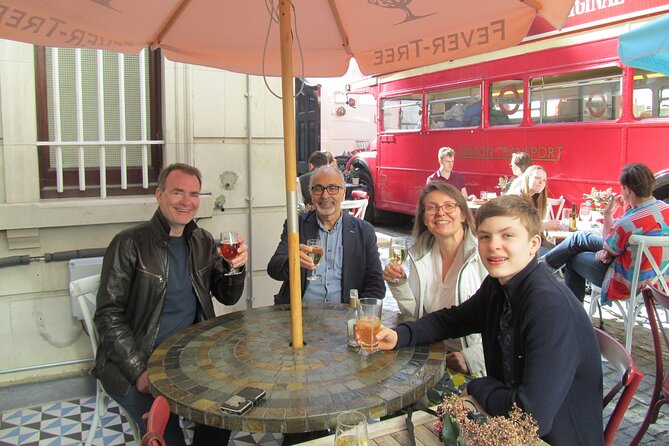
The Rolls Building brings the tour into the present day. It is increasingly important for major commercial disputes, including cases involving wealthy international business figures. The visit helps balance the older buildings and traditions with the modern work of English courts.
This contrast is one of the tour’s better features. You are not only looking at old stone, carved details, and historic chambers. You also see where current legal disputes are handled. The result is a clearer picture of English law as a living system, not just a subject from a history book.
For a general visitor, the building may be less visually dramatic than the Royal Courts of Justice or Temple Church. Its value comes from the explanation. If your interests lean toward business, international disputes, or how courts serve modern commerce, give this stop your attention.
If you are mainly seeking famous film locations, this will probably be a quieter part of the afternoon. That is not a flaw, but it is worth knowing before you book. The tour gives equal weight to working institutions and famous sights.
A different sort of day out in London altogether:
- From London: Harry Potter Warner Bros Studio Tour
★ 4.7 · 26,588 reviews - London: Westminster to Greenwich River Thames Cruise
★ 4.5 · 22,836 reviews - Magical London: Harry Potter Guided Walking Tour
★ 4.7 · 22,044 reviews - London: Madame Tussauds London
★ 4.6 · 20,915 reviews
Inns of Court and Tony Blair’s former chambers
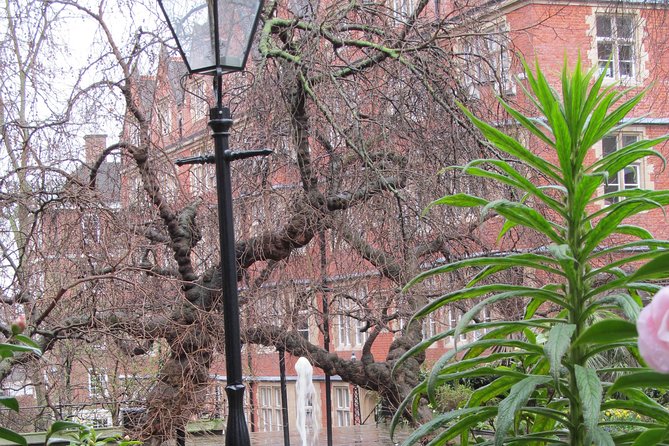
The walk through the Inns of Court is where the legal quarter gains much of its character. These historic institutions are linked with barristers and legal training, and their courtyards and passages offer a calmer side of central London.
You pass the place where former Prime Minister Tony Blair had his chambers before entering politics. This is a small detail, but it gives the area a human scale. The legal district has been used by people who later shaped national politics, yet it is also a collection of working offices and everyday professional spaces.
The guide can explain how barristers’ chambers fit into the British legal system and how the profession differs from the role of solicitors. This is a good point to ask questions, though keep in mind the important limitation: the guide may be a lawyer or presented as one, but that does not guarantee an answer to every specialized legal question.
One booking from Canadian lawyers praised the chance to see barristers wearing wigs and gowns. That detail may be especially interesting if you come from a legal system with similar courtroom dress but different rules. The same booking noted that Canadian lawyers wear gowns in superior courts but do not wear wigs, which shows how small differences can make the British setting feel distinct.
Temple Gardens and Temple Church
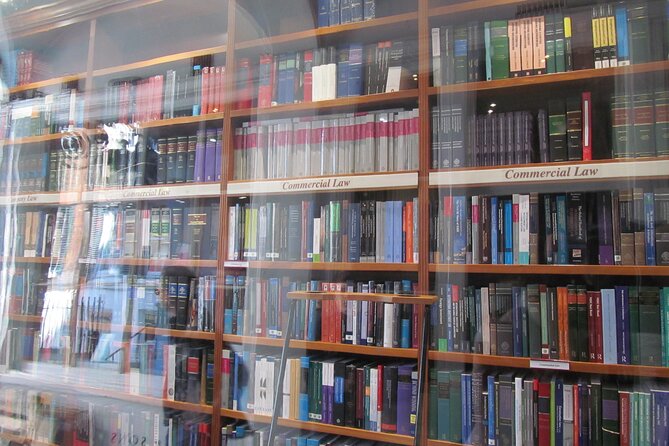
Temple Gardens provide a welcome change of pace. After court buildings, office areas, and city streets, the gardens offer a quieter setting connected with the legal quarter.
Temple Church is the major attraction here. It is known to many people through Dan Brown’s The Da Vinci Code, and the film used the church as a location. You do not need to be a fan of the book or film to appreciate the stop. The church adds religious, architectural, and literary interest to a tour otherwise centered on courts and legal institutions.
Access to historic buildings can sometimes depend on opening arrangements, so the guide’s role is important. You get more from the visit when someone explains why the church matters within the surrounding legal district rather than treating it as an isolated sight.
This part of the route also helps prevent the afternoon from becoming too technical. The tour moves between law, architecture, literature, film, and London history. That mix makes it a better choice for a couple or family group with different interests.
Law bookshops and the atmosphere of the district
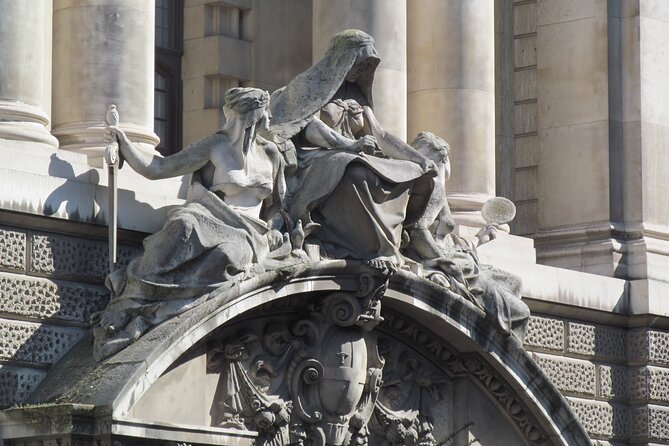
The itinerary includes law bookshops, another detail that makes this different from a standard London sightseeing walk. You see the practical world around the courts, where legal professionals find the texts and material needed for their work.
For most people, these shops will be more interesting as a glimpse into a specialist profession than as places to browse for souvenirs. You may find the books highly technical, but the setting helps explain how much written material supports the English legal system.
The whole afternoon depends on atmosphere. Narrow passages, formal buildings, court entrances, chambers, gardens, and bookshops create a strong sense of place. You do not simply hear that London has a legal quarter. You walk through it and see how several institutions sit close together.
That is also why the private format matters. With only your group and the guide, you can pause for questions, move at a comfortable pace, or spend more time on court architecture, famous cases, legal customs, or political connections. The experience is less useful if you want a fast checklist of landmarks.
A half pint at the Old Cheshire Cheese
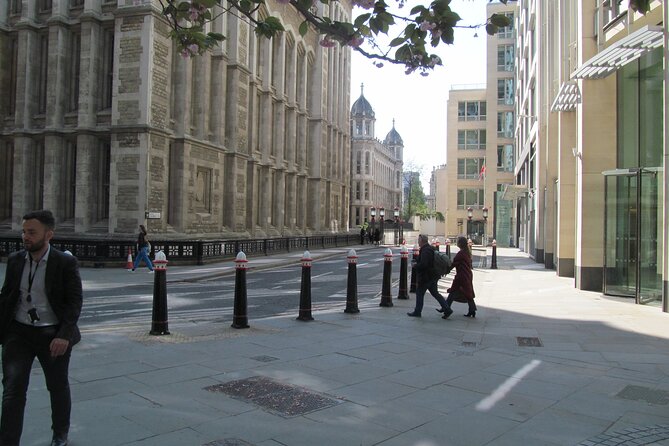
The tour ends at the Old Cheshire Cheese Pub, where you receive a complimentary half pint of ale or a soft drink. This is a fitting close to an afternoon spent hearing about barristers, courtrooms, and old London institutions.
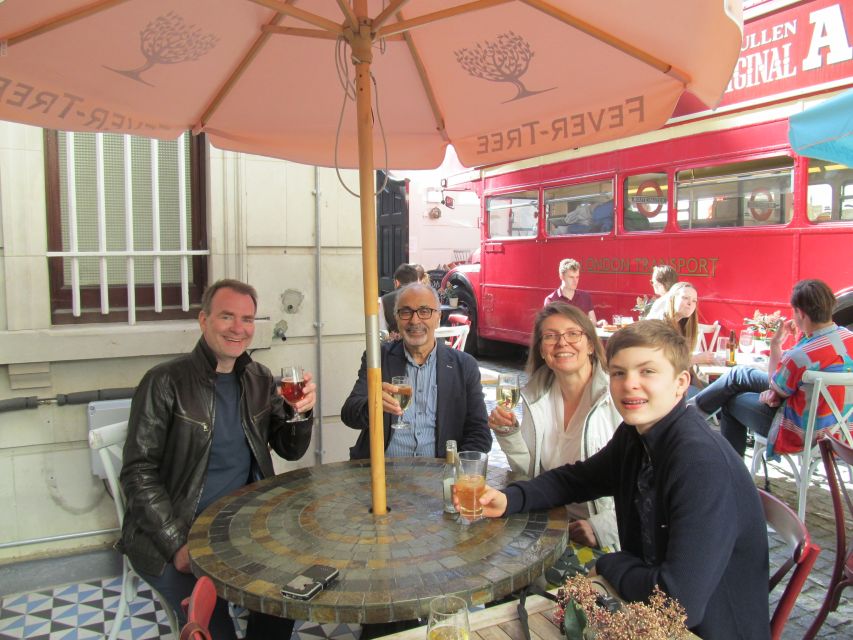
The drink is included in the price, and the pub gives you a chance to discuss what you have seen. One booking specifically praised the drinks afterward, while another group wished it could have stayed longer but had a dinner cruise to catch. If you have plans immediately afterward, leave some flexibility rather than scheduling a tight connection.
The half pint is modest, but it is a pleasant extra rather than a major part of the value. You are paying for the private guiding, admissions, and focused access to the legal quarter. The pub simply gives the experience a more social ending.
A soft drink is available, so you do not need to drink alcohol to enjoy the finish. Tips are not included, and you should budget separately if you want to thank the guide.
Price, group size, and overall value
The published pricing information gives two figures: $364 per person and £225 per person for a couple, with the per-person cost dropping as more people join. Because currencies and group sizes can change the final amount, check the price for your exact date and party before booking.
At first glance, this is expensive for a three and a half hour walking tour. The value improves if you are traveling as a couple or small private group and would otherwise pay for several separate admissions and a specialist guide. You are not paying only for a route between buildings. You are paying for interpretation, court access when available, and the ability to shape the afternoon around your interests.
The price is harder to justify if you only want exterior photos or a general walk through central London. You can see many of these buildings from public streets without booking a tour. The extra cost makes sense for people who want the legal background, an inside visit to the Royal Courts of Justice, and the chance to observe British courtroom customs.
Children aged five and under go free. The tour runs Monday through Friday only, from 1:30 p.m. to 5 p.m., which limits its usefulness for weekend visitors. Moderate fitness is required because this is a guided walking tour, and comfortable shoes are sensible.
Free cancellation is available up to 24 hours ahead, and you can reserve now and pay later. Those terms help if your London schedule is still shifting, but they do not change the need to confirm current opening arrangements and the exact meeting instructions.
Who should book this London legal walk

I would choose this experience for a visitor who has already seen the basic London sights and wants a more unusual afternoon. It is especially suitable for lawyers, law students, fans of British courtroom dramas, history-minded visitors, and families with English-speaking teenagers.
It can also work well for people who enjoy architecture and local stories but do not want another large museum. The guide connects the buildings, cases, professions, and public figures, giving you a focused way to explore a part of London that many people pass without understanding.
I would be cautious if your main goal is personal legal advice. The description presents a lawyer guide, but one booking found that the guide could not answer many law-specific questions. Ask broad questions about British legal institutions and traditions, but do not treat the tour as a consultation.
Should you book it?
Book this tour if you want working London law alongside historic buildings, and if a private guide, possible courtroom viewing, and a pub finish appeal to you. The strongest parts are the Royal Courts of Justice, the Inns of Court, Temple Church, and the way the private format lets you set the emphasis.
Skip it if you want a weekend activity, a short sightseeing loop, or guaranteed answers to technical legal questions. For the right audience, this is a thoughtful and atmospheric way to see London beyond the usual royal palaces and famous squares.
FAQ
Where does the Law in London Private Tour meet?
Meet at the front entrance of the Royal Courts of Justice on the Strand.
How long does the tour last?
The tour lasts 3.5 hours, running from 1:30 p.m. to 5 p.m.
What days does the tour operate?
The tour operates Monday through Friday only.
Is this a private tour?
Yes. It is offered as a private group experience with an English-speaking live guide.
What places are included?
The route includes the Royal Courts of Justice, the Inns of Court, Temple Church, the Rolls Building, law bookshops, the Old Bailey area, and the Old Cheshire Cheese Pub.
Is a drink included?
Yes. You receive a complimentary half pint of British ale or a soft drink at the Old Cheshire Cheese Pub.
Do I receive anything to take home?
Yes. The tour includes a reproduction copy of the Magna Carta of 1215.
Just added around London
- London: “Queen” Highlights Walking Tour★ 4.3 · 48 reviews
- Couple’s photo: Romantic photoshoot in London★ 4.8 · 22 reviews
- London: Private Tour with Locals – Highlights & Hidden Gems★ 5.0 · 8 reviews
- Luxury Private Tour in London with Lunch★ 5.0 · 7 reviews
- London 1- or 2-Hour Professional Photo Shoot★ 4.9 · 6 reviews
- London: Private Black Cab Night Tour with Hotel Pick Up★ 5.0 · 11 reviews
- London: Christmas Lights Tour – With Christmas Music★ 4.8 · 9 reviews
- London: Private Pub Tour★ 4.5 · 4 reviews
Private, compared.
The Premier Classic London: Private 4-Hour Tour in a Black Cab
Read our review →
Stonehenge Inner Circle Private Tour from London with Bath Visit
Read our review →
Tower of London Entry & Beefeater Private Audience
Read our review →

Private London Arrival Transfer – Airport to Hotel / Accommodation
Read our review →
British Museum London Guided Tour Semi-Private 8ppl Max
Read our review →
London Sightseeing Private Black Cab Tour with Hotel Pick Up
Read our review →