
Reviewed · MUSEUMS
London: Museum of Brands Skip-the-Line Ticket
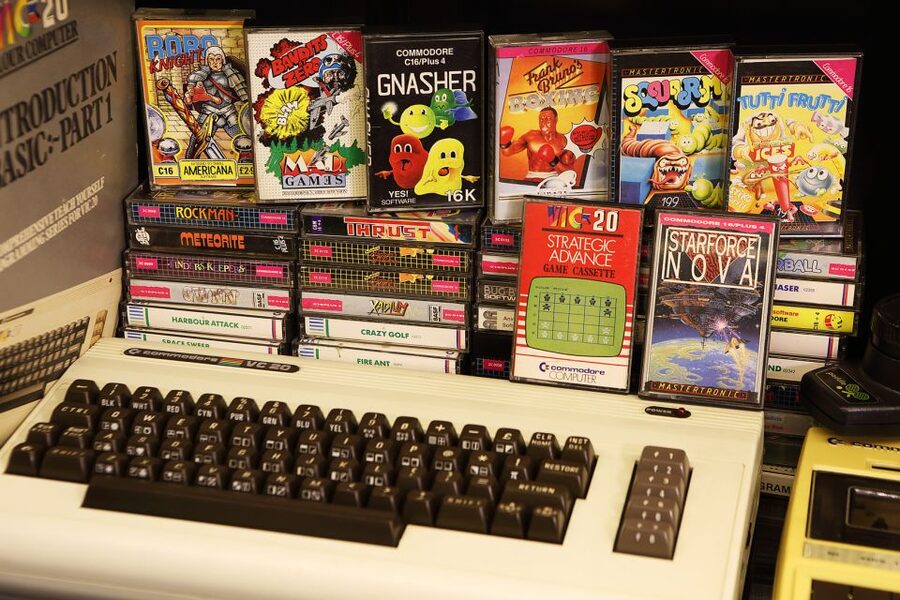
A biscuit tin, chocolate wrapper, or old television advert can take you back faster than any formal history lesson. At London’s Museum of Brands, more than 12,000 objects turn ordinary shopping items into a record of changing tastes, technology, politics, and daily life.
I like the chronological Time Tunnel, which lets you connect familiar brands with events such as royal coronations, two world wars, the moon landing, and the arrival of the digital age. I also like the location, just five minutes from Portobello Road Market, making this an easy add-on to a Notting Hill afternoon.
The main drawback is focus. If you want grand paintings, famous sculptures, or a traditional London museum experience, this collection may feel narrow. It is best for people interested in everyday life, advertising, design, family memories, and the way products reflect society.
Key Points to Know
- 12,000-plus objects: See packaging, toys, advertisements, tins, and familiar products from around 200 years of consumer culture.
- Chronological Time Tunnel: Follow changes from the Victorian era through the railway age, motor cars, air travel, television, and the digital period.
- Five minutes from Portobello Road: Combine the museum with the market, shops, cafés, and streets of Notting Hill.
- Temporary displays: Past themes have included 1950s toys, London punk, chocolate brands, and biscuit tins.
- Garden and café stop: Finish with the award-winning memorial garden, where you can buy cake, coffee, or Prosecco.
- Flexible booking: The ticket is valid for one day from first activation, with cancellation allowed up to 24 hours before the visit.
Why Familiar Packaging Tells London’s Social Story
This museum makes a simple point well: the objects people buy can reveal how they live. A product wrapper shows more than a logo. It can reflect printing methods, household habits, popular colors, changing ideas about children, new transport links, or the way companies responded to major events.
The collection covers roughly 200 years, beginning in the Victorian period and continuing into the digital age. That long span gives you a useful frame for looking at objects that might otherwise seem too ordinary to preserve.
You may recognize brands from childhood, family cupboards, television commercials, or holidays. That recognition is part of the appeal. The museum does not depend only on famous masterpieces. It asks you to look at the packages and advertisements that passed through homes, shops, cinemas, railway stations, and living rooms.
This is also why the experience can work well for several generations together. A parent may know one product from childhood, while a younger visitor sees it as an old-fashioned design object. You can compare how packaging, slogans, colors, and characters changed over time.
More Skip the Line:
- Skip the Line Tower of London & Westminster Tour and River Cruise
★ 5.0 · 730 reviews - London: Westminster Abbey Skip-the-line Entry & Guided Tour
★ 4.9 · 368 reviews - London: Natural History Museum Private Tour & Skip the line
★ 5.0 · 42 reviews
Following the Time Tunnel from Victorian Britain to the Digital Age
The main route is the Time Tunnel, arranged in chronological order. That layout matters. You are not simply moving from one display case to another. You are watching consumer culture shift as transport, communications, entertainment, and household life change.
The Victorian section sets the scene for the early part of the collection. From there, the displays connect products with the inventions and social changes that altered how people moved and received information.
The railway receives particular attention because it changed access to goods, travel, and leisure. The motor car and airplane later widened that reach again. These developments helped shape the modern world of national brands and mass advertising.
The route also looks at entertainment. Cinema, radio, and television changed how companies reached the public and how people spent their free time. A product was no longer promoted only in a shop window or printed advert. It could become part of a much larger shared culture.
As you continue, the displays place familiar brands beside major events. Royal coronations, two world wars, and the moon landing provide reference points that help you understand the period around each object. The digital age brings the story closer to the present, showing how quickly communication and consumer habits have changed.
I find this approach more useful than a room full of unrelated memorabilia. The museum gives you a thread to follow. You can see how packaging and advertising responded to new technology, new forms of entertainment, and changing expectations at home.
The Collection: 12,000 Objects and Plenty of Recognition
The collection contains more than 12,000 items, so you should expect visual variety rather than a small display of carefully selected luxury goods. Packaging and advertising are central, with products presented in their wider social setting.
You may see objects connected with food, toys, household life, leisure, music, travel, and entertainment. The supplied details do not list every brand or product, so I would not arrive expecting a specific favorite item to be guaranteed. The strength is the overall range and the chance of recognition.
The collection also gives you a good reminder that design is not only about appearance. A tin, carton, label, or wrapper may have been made to catch attention, signal quality, appeal to children, or suggest modern living. Over time, those choices change, and the museum lets you compare them.
For some people, this will feel personal. A childhood brand can bring back a particular era, and the museum is designed to make those connections. A public rating of 4.7 from 53 ratings also points to strong overall satisfaction, while the clearest personal response is simple: the displays can remind you of childhood.
That emotional response is a real part of the visit, but it is not the only reason to come. The museum is also useful if you enjoy design, marketing, popular culture, social change, or the story of ordinary objects.
Temporary Displays Add a Reason to Return
After the main Time Tunnel, look for the temporary displays. Their themes have included 1950s toys, the London punk scene, chocolate brands, and biscuit tins.
These subjects show how wide the museum’s collection can be. One exhibition may appeal to anyone interested in childhood and play. Another may focus on music and youth culture. A chocolate or biscuit display may seem light, but it can reveal changing packaging, advertising styles, and ideas about treats and family life.
The temporary displays are also the part most likely to change between visits. If you are planning a return trip, check the current theme before booking, since the named examples are past subjects rather than a promise about the display on your date.
Do not expect a large museum of art or a full-scale exhibition complex. The appeal lies in close-looking and comparison. You will get more from the temporary rooms if you pause over how a product or style fits its period instead of rushing past familiar objects.
More British Museum Tours:
- Tower of London and Crown Jewels Exhibition Ticket
★ 4.5 · 6,677 reviews - London: Chelsea Football Club Stadium and Museum Tour
★ 4.8 · 4,576 reviews - Chelsea FC Stadium Tours and Museum
★ 5.0 · 1,908 reviews - London: British Museum Guided Tour
★ 4.3 · 1,182 reviews
Vintage Television Adverts Complete the Story
Once you finish the Time Tunnel, you have the chance to watch television adverts from the past. This is a useful change of pace after the display cases, because moving images show how products were presented to the public in a way a package alone cannot.
The adverts connect directly with the museum’s interest in entertainment and mass communication. Television helped bring brands into living rooms, and old commercials can show the language, humor, music, and visual style of their period.
This part may be especially appealing if you enjoy old television or advertising. It is also a good point to slow down. The main route contains a lot to look at, so the advert viewing gives you a seated, screen-based part of the visit.
The exact selection and running time are not specified, so plan it as an included extra rather than a scheduled show with a fixed duration.
A Quiet Garden Near the End
The memorial garden offers a calmer finish. After the bright packaging, dense displays, and moving images, an outdoor pause can help you reset before continuing around Notting Hill.
The garden is award-winning, though the supplied information does not give its design details or size. You can sit there and take a break, then buy cake with coffee or a glass of Prosecco at your own expense.
Food and drinks are not included in the ticket, so budget separately if you want to use this stop. The café element is convenient, but it should not be the reason you book. The museum itself is the main experience, while the garden works as a pleasant place to finish.
The gift shop extends the same theme with souvenirs connected to the collection and edible treats. It is a natural place to look for a small present if you enjoy vintage packaging or want something less ordinary than a standard museum postcard.
Combining the Museum with Portobello Road
The museum is on Lancaster Road in the heart of Notting Hill, about five minutes from the world-famous Portobello Road Market. That location makes the ticket easier to justify than a visit requiring a special journey across London.
You can pair the museum with the market, then return to the museum for a quieter change of pace. The combination works particularly well because both places relate to objects, design, buying, and the character of London neighborhoods, though in very different ways.
Plan your route around opening times. From Monday to Saturday, the museum is open from 10:00 a.m. to 6:00 p.m. On Sundays and bank holidays, it opens from 11:00 a.m. to 5:00 p.m.
The museum is closed on August 27, 28, and 29, December 24, 25, and 26, and January 1. Check your date carefully, especially if you are visiting around Christmas or a bank holiday.
Is the $18 Ticket Good Value?
At $18 per person, this is a reasonably priced London museum visit, especially if you enjoy the subject. Your ticket covers entry to the museum, the temporary displays, and the garden. The television adverts are part of the visit, while food, drinks, and personal purchases cost extra.
Value depends on your interests more than on the size of the building. You are paying for a large collection and a carefully ordered story about consumer culture, not for a full day of major galleries. The visit is valid for one day from first activation, but no fixed visit length is provided.
I would consider it good value if you like design, vintage products, advertising, social history, toys, or popular culture. It is also a smart choice for a rainy London day near Portobello Road.
If your main goal is free art, famous objects, or a huge national museum, spend your budget elsewhere. This ticket rewards curiosity about ordinary things.
The skip-the-line feature can save some waiting, although the supplied information does not give typical queue times. Reserve now and pay later is available, and you can cancel up to 24 hours in advance for a full refund. Those terms are useful if your London plans are still changing.
Who Will Enjoy This Museum Most?
I would recommend the museum to adults who remember older packaging, families comparing different generations, and anyone interested in how advertising shapes daily life.
It also suits visitors who want something beyond the usual London sights. The location makes it easy to fit between Portobello Road and other Notting Hill plans, and the garden gives the visit a slower ending.
Children may enjoy the bright colors, toys, familiar characters, and television adverts, though the experience is not described as a hands-on children’s attraction. If you are visiting with young children, keep that distinction in mind.
The museum is wheelchair accessible, and the host or greeter speaks English. The listed language for the experience is English, so do not book it expecting guided commentary in another language.
Should You Book the Museum of Brands?
Book it if you want to understand London and modern life through packaging, advertising, entertainment, travel, and everyday purchases. The Time Tunnel gives the visit a clear structure, while the temporary displays, old television adverts, garden, and shop add variety.
Skip it if your time is very limited and you only want London’s biggest historic sights. The collection is specialized, and its appeal depends on your interest in familiar objects rather than grand architecture or fine art.
For $18, this is a sensible Notting Hill choice, especially when paired with Portobello Road Market. Give yourself enough time to look closely, and you may leave thinking differently about the products that usually disappear into the recycling bin.
FAQ
Where is the Museum of Brands located?
The museum is on Lancaster Road in Notting Hill, in South East England. It is about five minutes from Portobello Road Market.
What does the ticket include?
The ticket includes entrance to the Museum of Brands, the temporary displays, and the garden.
Does the ticket include food and drinks?
No. Food and drinks are not included. You can buy cake, coffee, or Prosecco in the garden area at your own expense.
How long is the ticket valid?
The ticket is valid for one day from the time you first activate it.
What are the museum’s opening hours?
From Monday to Saturday, the museum is open from 10:00 a.m. to 6:00 p.m. On Sundays and bank holidays, it is open from 11:00 a.m. to 5:00 p.m.
When is the museum closed?
The museum is closed on August 27, 28, and 29, December 24, 25, and 26, and January 1.
Is the museum wheelchair accessible?
Yes. The experience is listed as wheelchair accessible.
What language is available?
The listed language is English, and the host or greeter is English-speaking.
Can I cancel the booking?
Yes. You can cancel up to 24 hours in advance for a full refund.
Can I reserve now and pay later?
Yes. The booking option allows you to reserve your place and pay nothing at the time of booking.
Just added around London
- London: “Queen” Highlights Walking Tour★ 4.3 · 48 reviews
- Couple’s photo: Romantic photoshoot in London★ 4.8 · 22 reviews
- London: Private Tour with Locals – Highlights & Hidden Gems★ 5.0 · 8 reviews
- Luxury Private Tour in London with Lunch★ 5.0 · 7 reviews
- London 1- or 2-Hour Professional Photo Shoot★ 4.9 · 6 reviews
- London: Private Black Cab Night Tour with Hotel Pick Up★ 5.0 · 11 reviews
- London: Christmas Lights Tour – With Christmas Music★ 4.8 · 9 reviews
- London: Buckingham Palace & Big Ben & Abbey Private Tour★ 5.0 · 7 reviews
Museums, compared.
Tower of London and Crown Jewels Exhibition Ticket
Read our review →
Chelsea Football Club Stadium and Museum Tour
Read our review →
Official tickets: Moco Modern & Contemporary Art Museum
Read our review →
British Museum London Guided Tour Semi-Private 8ppl Max
Read our review →
British Museum Audio Tour & Priority Entrance Ticket
Read our review →Browse the lists this tour appears in