
Reviewed · WEST END THEATRE TICKETS
West End and South Bank Theatre Walking Tour in London
London’s theatre district is far larger than the bright signs around Leicester Square suggest. On this 25-stop walking tour, you trace the West End from the London Coliseum through Covent Garden, then cross to the National Theatre and Shakespeare’s Globe. I like the unusually wide range: famous musicals, old playhouses, actors’ stories, music-hall history, and a few theatrical ghost tales. I also like the small group, capped at 12, which gives guide Charlie Tantam room to answer questions.
The main drawback is simple: this is a long street walk, not a theatre-entry tour. The advertised time is about three and a half hours, though the route can run close to four hours, and you need comfortable shoes. If you want to sit inside a theatre or catch a performance, this is not that kind of outing.
Key points to know before booking
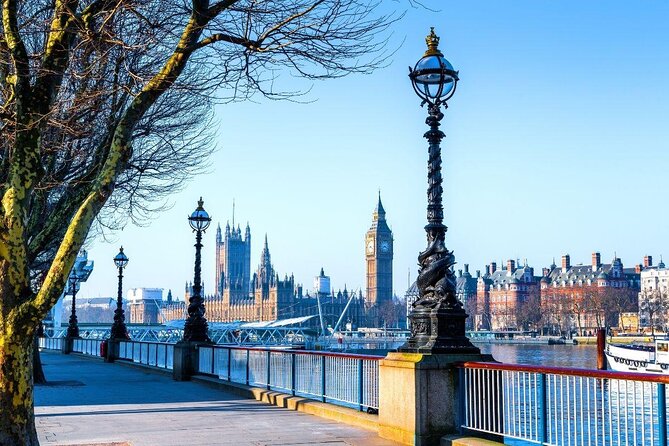
- Twenty-five theatre landmarks in one walk: The route covers the West End, Covent Garden, the South Bank, and Shakespeare’s Globe.
- Charlie Tantam leads the tour: His commentary focuses on theatre history, actors, productions, scandals, and unusual stage stories.
- A true small-group experience: The group limit is 12 people, useful on crowded central London pavements.
- Mostly an exterior tour: You see the buildings and hear their stories, but no general theatre admission is included.
- The route ends by Shakespeare’s Globe: The finish is near London Bridge and Blackfriars, with food, drink, and transport nearby.
- Plan for a serious walk: The tour lasts about three and a half hours and may take nearly four, so good footwear matters.
Why this theatre walk is different from a standard London tour
Many London sightseeing walks give you a quick look at a theatre before moving on to a palace, church, or famous square. This one keeps theatre at the center from start to finish. The buildings are the subjects, not just convenient stops along a larger city tour.
That focus lets Charlie connect places that you might otherwise see as separate. The London Coliseum introduces the scale of the West End. Leicester Square brings in discount tickets and former music halls. Shaftesbury Avenue shows how several major theatres were gathered along one road. By the time you reach Covent Garden and the South Bank, you have a clearer sense of how London’s stage world grew across the city.
I also like the balance between celebrated productions and lesser-known details. You hear about The Phantom of the Opera, Les Miserables, The Lion King, The Mousetrap, The Book of Mormon, and Harry Potter and the Cursed Child. At the same time, the walk includes actors’ debuts, tragic deaths, old theatre sites, disputed legends, and a rumoured haunting.
The group size matters here. With no more than 12 people, Charlie can keep the commentary personal instead of shouting to a large crowd. The route is still busy and urban, but the small group should make it easier to stay together and ask about a particular actor or production.
More West End Theatre Tickets:
- London West End Musical Silent Disco Walking Tour Top 1% Rated
★ 5.0 · 1,057 reviews - London Theatre: Wicked the Musical
★ 4.5 · 316 reviews - London Theatre: Moulin Rouge! The Musical
★ 4.5 · 272 reviews
From the London Coliseum to Leicester Square
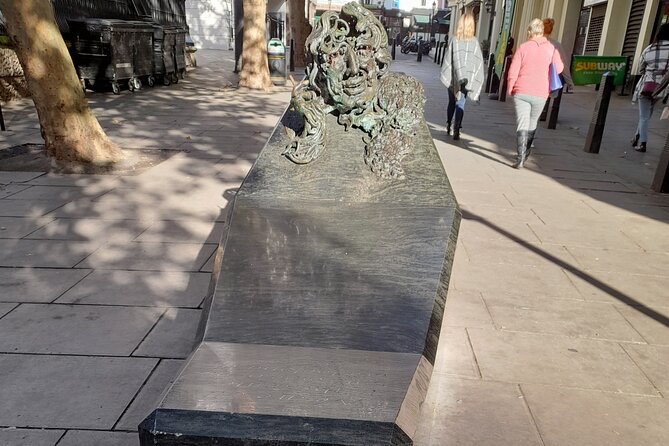
Meet at 10:30 am by the Oscar Wilde statue at 3 Adelaide Street. The first stop is the London Coliseum, the largest theatre in the West End. Five minutes may sound brief, but the point is not to tour the auditorium. You are getting the building’s place in London’s theatre story before moving deeper into the district.
The Duke of York’s Theatre follows, with attention to stars who made their debuts there. Peter Pan is part of the story, giving this stop a link to one of the best-known characters in stage and popular culture.
At the Noel Coward Theatre, the discussion turns to major productions and the unusual fact that two important theatre figures shared its stage. The nearby Wyndham’s Theatre has its own visual clue: a bust of Shakespeare on the front, described as the only one of its kind in the West End.
These early stops set the tone. You are not simply photographing façades. You are learning to look at names, statues, entrances, and architectural details as evidence of each theatre’s past.
Leicester Square adds a practical note. The area has a discount ticket booth, and Charlie explains how you might find West End seats at lower prices. That advice could be useful if you hope to attend a performance during your London stay, though the tour itself does not include a show ticket.
The square also recalls earlier music-hall venues, including the Alhambra and the Empire. That broadens the story beyond today’s long-running musicals. London theatre has always included comedy, variety, music, spectacle, and popular entertainment.
Haymarket, His Majesty’s Theatre, and the West End’s big names
The Haymarket Theatre Royal is next. It has been favored by Sir Ian McKellen and Dame Judi Dench, and it comes with a haunting rumor. This is the sort of stop that works well on foot because the story adds a little character to a handsome old building without requiring a formal guided visit inside.
His Majesty’s Theatre brings one of the route’s biggest names. It occupies the second-oldest active theatre site in London and is home to The Phantom of the Opera, the second-longest-running musical. You get both architectural context and a sense of how a single production can shape the identity of a theatre for decades.
At the Harold Pinter Theatre, which opened in 1881, the focus shifts to famous performers, including Marilyn Monroe. The Prince of Wales Theatre offers another change of mood. Today it is home to The Book of Mormon, while its past includes comedy and musical productions associated with The Beatles, Peter Sellers, and Barbra Streisand.
These stops are especially useful if you are choosing a theatre show. You begin to see that the venue has its own personality, shaped by the productions and performers associated with it. The outside of a theatre can look modest, but the stories attached to it may be enormous.
Shaftesbury Avenue and five major theatres
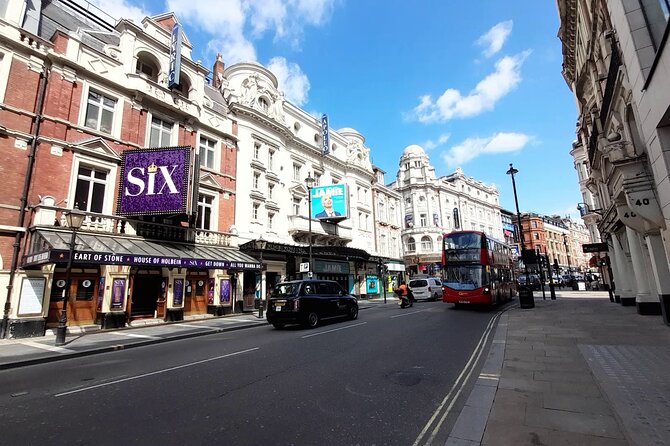
Shaftesbury Avenue gets its own longer stop because it contains more theatres than any other London road. Charlie covers the avenue’s history and points out the Lyric, Apollo, Gielgud, Sondheim, and Palace theatres.
The Lyric Theatre is the oldest surviving theatre on Shaftesbury Avenue. Its story also includes the tragic death of a British comedy icon, a reminder that theatre history is not all applause and opening nights.
The Apollo Theatre opened in 1901 as London’s first Edwardian theatre. The tour connects it with a legendary production, giving you another example of how a building can become linked to a single moment in stage history.
The Gielgud Theatre, named for Sir John Gielgud, has hosted several West End debuts, including that of the actor who played Harry Potter. The Sondheim Theatre brings the focus to Les Miserables, the world’s longest-running musical, along with performers who made their debuts there in the 1980s.
At the Palace Theatre, you hear about its earlier life as a music-hall venue and its current connection with Harry Potter and the Cursed Child. The phrase bring the house down is also tied to this theatre’s story. The Palace is the one stop specifically marked as not including admission, so plan to view it from outside unless you separately arrange a performance or visit.
This section is likely the most concentrated stretch of the tour. You see many major theatres in quick succession, but the tradeoff is pace. If you want time for long photographs or close architectural study, you may need to do your own return visit later.
More London Walking Tours:
- Magical London: Harry Potter Guided Walking Tour
★ 4.7 · 22,044 reviews - London: The Original Jack the Ripper Walking Tour
★ 4.7 · 7,833 reviews - Tour for Muggles The Ultimate Harry Potter Walking Tour in London
★ 5.0 · 4,684 reviews - London Jack The Ripper Guided Walking Tour
★ 5.0 · 3,131 reviews
Covent Garden’s actors, markets, and old theatres
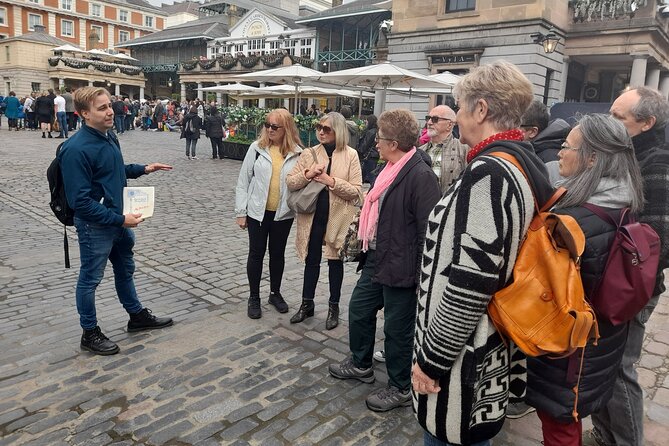
The Ambassadors Theatre can look unremarkable from the street, yet its stage has hosted important debuts, including Vivien Leigh and Paul Robeson. That contrast is one of the useful lessons of the walk: appearance does not always tell you much about a theatre’s importance.
St. Martin’s Theatre is home to The Mousetrap, the world’s longest-running play. Its success is an unlikely theatrical story, and Charlie explains how this production became such a durable part of London’s stage life.
The Arts Theatre is the smallest theatre in the West End and was once associated with one of the most controversial plays ever staged. Again, the stop is short, but the detail gives you a reason to notice a venue you might otherwise pass without a second glance.
Covent Garden then opens the route into a wider neighborhood. You see the famous market, London’s official Actors’ Church, places associated with street theatre, and two of the oldest theatre sites in the city. This is a good point to appreciate the connection between formal theatre and public performance. London’s stage culture has never been confined to ticketed auditoriums.
Royal Opera House, Drury Lane, and the Lion King
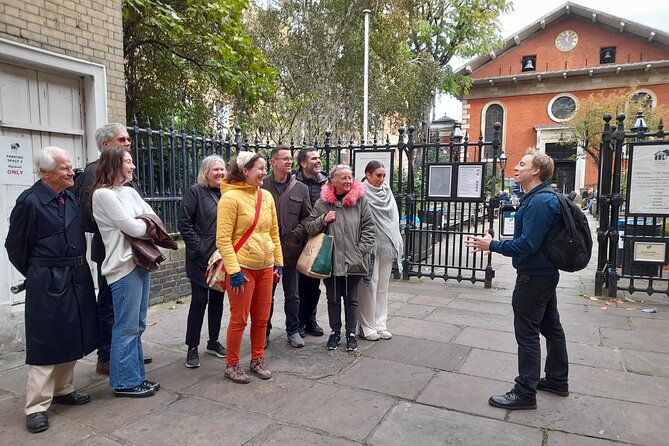
The Royal Opera House dates its theatre site to 1732 and is now home to the Royal Opera and Royal Ballet. This stop adds opera and dance to a tour that otherwise leans heavily toward plays and musicals.
The Theatre Royal Drury Lane is the oldest active theatre site in the West End. Its stage has helped launch famous careers, and its age gives the route a useful sense of time. You are not only seeing venues that opened in the nineteenth or twentieth centuries. You are following a theatre tradition that reaches much farther back.
At the Lyceum Theatre, the focus returns to a current hit, The Lion King, which has been running there since 1999. Charlie also covers the Victorian stars Sir Henry Irving and Dame Ellen Terry, who once dominated the Lyceum stage, along with the beginnings of a famous Gothic horror creation.
This is another strong section for visitors who want more than musical trivia. The tour connects present-day productions with Victorian performance, famous actors, and the development of horror on stage. It makes the West End feel like a living chain of ideas rather than a collection of show posters.
Crossing to the National Theatre and Shakespeare’s Globe
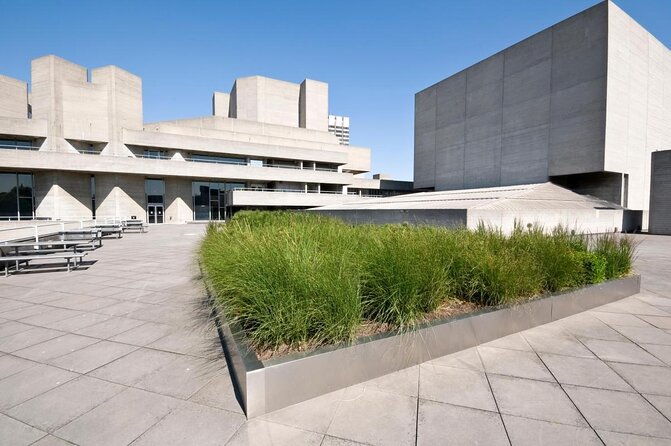
The walk’s final section crosses the Thames toward the South Bank. At the National Theatre, you hear how the institution began and about its founder, Laurence Olivier, who famously stated the opposite of the theatre’s own position on a particular matter. The supplied details do not spell out the full joke, so expect the story to make more sense in Charlie’s spoken explanation.
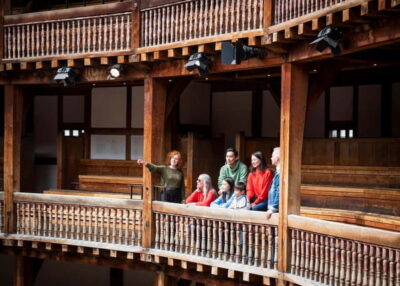
The route ends at Shakespeare’s Globe on Bankside. Here the subject turns to the district where Shakespeare made his name, the famous reconstruction of the Globe, and a final secret theatre location.
This ending gives the walk a satisfying change of setting. The West End portion is dense, commercial, and packed with signs. The South Bank section places theatre within a broader riverside setting and brings the story back to Shakespeare, whose work still shapes London’s theatre identity.
The meeting point is easy to locate by the Oscar Wilde statue. The finish at 21 New Globe Walk is close to Shakespeare’s Globe, with food and drink nearby and good transport connections through London Bridge and Blackfriars. That makes it practical to continue sightseeing or stop for lunch after the walk.
What the $38.39 price gets you
At $38.39 per person, the value depends on how much you want context rather than entry tickets. You are paying for about three and a half hours of guided commentary across 25 theatre landmarks, not for a performance or backstage access.
For a theatre lover, that can be a fair price. A single West End ticket can cost far more, while this tour gives you a useful orientation to many venues before you decide what to see. The discount-ticket advice at Leicester Square may also help you think about buying a show later, though no savings are guaranteed.
The value is weaker if you prefer short sightseeing stops, dislike long walks, or want to go inside each theatre. Most stops last about five minutes, with longer pauses at Shaftesbury Avenue, Covent Garden, the National Theatre, and Shakespeare’s Globe. The pace keeps the route moving, but it does not leave time for a full architectural inspection of every building.
The group limit of 12 improves the experience. It gives Charlie a better chance to explain details and respond to questions, which matters on a subject where your interests may be specific. One person may want Victorian actors, another may care about musicals, and another may be interested in ghosts and scandals.
Who should book this walk
I would choose this for someone who already likes theatre, wants the backstory behind London’s famous stages, or is planning a West End show and wants orientation first. It also suits history-minded visitors who enjoy linking buildings to actors, productions, and changing neighborhoods.
Families with older children may find the mix of Harry Potter, The Lion King, The Phantom of the Opera, ghosts, and unusual stage stories appealing. The route is still long, so younger children may tire before the Globe.
You should think twice if you need frequent seated breaks, want to avoid central London crowds, or have limited time between other bookings. The walk covers a lot of ground, and the actual duration may approach four hours. Wear comfortable footwear and keep the rest of your schedule open.
The activity is offered in English, uses a mobile ticket, allows service animals, and requires a moderate level of physical fitness. It also depends on good weather and a minimum group size. If weather or numbers force cancellation, a different date or experience, or a full refund, is offered. You can cancel for a full refund up to 24 hours before the start time.
Should you book the West End and South Bank Theatre Walking Tour?
Book it if you want theatre stories, not just theatre photographs. Charlie Tantam’s route packs London’s major stages, forgotten venues, famous debuts, long-running shows, and old theatrical legends into one focused outing.
Skip it if you want to tour the interiors, attend a performance, or keep your sightseeing easy and brief. For the right audience, the $38.39 cost is sensible because the tour gives you a strong theatre map of central London and finishes at Shakespeare’s Globe, a useful place to continue exploring on your own.
FAQ
Where does the theatre walking tour start?
The tour starts at the Oscar Wilde statue, 3 Adelaide Street, London WC2N 4HZ.
What time does the tour begin?
The scheduled start time is 10:30 am.
Where does the tour end?
It ends at Shakespeare’s Globe, 21 New Globe Walk, London SE1 9DT.
How long does the tour last?
The tour is scheduled for approximately three hours and 30 minutes. It may run closer to four hours based on the pace of the walk and commentary.
How many people can join the tour?
The group is limited to a maximum of 12 travelers.
Is admission to the theatres included?
The tour includes guided stops at the theatre landmarks, but general theatre admission is not included. The Palace Theatre is specifically marked as having admission not included.
Is the tour offered in English?
Yes. The experience is offered in English.
What level of fitness is needed?
A moderate level of physical fitness is recommended because this is a long walking tour through central London.
Can I cancel for a refund?
Yes. You can cancel up to 24 hours before the start time for a full refund. Poor weather or failure to meet the minimum number of participants may also lead to a different date, another experience, or a full refund.
Just added around London
- Up at The O2:Twilight Climb with Guided Tour with Panoramic Views★ 5.0 · 50 reviews
- Private Chauffeur-London Heathrow from/to Southampton Cruise Port★ 5.0 · 9 reviews
- Kensington Palace VIP Garden Tour with Royal High Tea★ 4.5 · 71 reviews
- Up at The O2: Sunset Climb with Guided Tour with Panoramic Views★ 5.0 · 110 reviews
- Secrets of the London Underground Small Group Walking Tour★ 4.5 · 38 reviews
- Urban Canvas: Exploring Shoreditch’s Vibrant Street Art★ 5.0 · 36 reviews
- Ultimate introduction to photography in Central London★ 5.0 · 19 reviews
- Full-Day Self-Guided Paris Tour from London by Eurostar with Seine River Cruise★ 3.5 · 22 reviews
West End Theatre Tickets, compared.
London West End Musical Silent Disco Walking Tour Top 1% Rated
Read our review →

Pasta Making with Unlimited Prosecco in London’s West End
Read our review →
London Theatre: TINA – The Tina Turner Musical-Closes Sept 2025!
Read our review →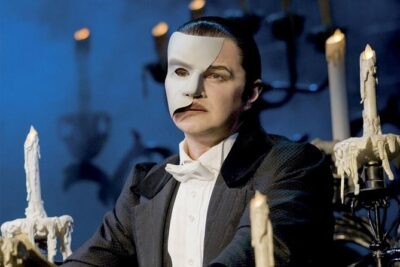
Browse the lists this tour appears in