
Reviewed · THAMES RIVER CRUISES
Run the Thames Bridges
London is at its best from the river, and this route lets you see the city the way a runner does: bridge by bridge, landmark by landmark. You start near Tower Hill and follow a GPS-triggered audio guide toward Putney, passing Tower Bridge, Shakespeare’s Globe, Big Ben, Waterloo Bridge, Battersea Power Station, and the Tate galleries.
I like the freedom to set your own pace and the way the route keeps you pointed toward the interesting side of the river. I also like the audio format, with Vanessa and Josh combining clear directions with engaging facts. The main drawback is simple: this is a long urban run, with exposed stretches and a non-refundable booking, so you need to be ready for both the distance and London’s weather.
Key points at a glance
- GPS directions that react to your location: The audio prompts guide you along the route and help you return if you wander off course.
- A full sweep of riverside London: You pass Tower Bridge, London Bridge, Shakespeare’s Globe, Big Ben, the Houses of Parliament, Waterloo Bridge, Tate Modern, Tate Britain, Battersea Power Station, and Battersea Park.
- Run, walk, or mix the two: You control the pace and can stop to look around.
- Flexible scheduling: You can complete the route in one outing or break it across several days.
- Private and self-guided: Only your group takes part, with no need to keep up with a live running leader.
- A route with real physical demands: Moderate fitness is advised, and hot weather can make exposed sections tiring.
Why this route works for seeing London
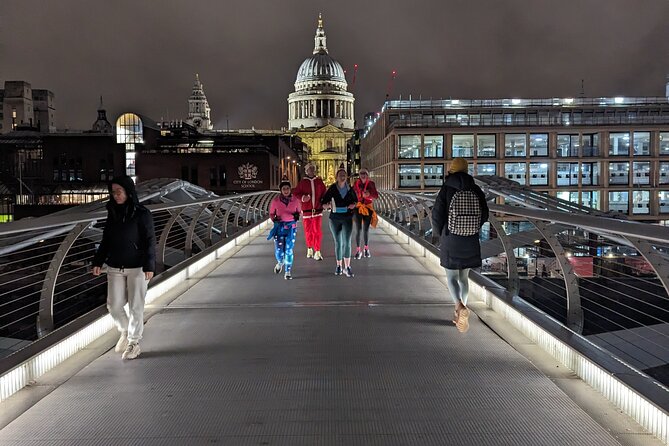
The Thames is London’s best natural guide. Follow it and the city’s major sights come in a useful order, from the medieval heart near the Tower to the grand government buildings around Westminster, then west toward Battersea and Putney.
That matters because London sightseeing can easily become a zigzag across busy streets. Here, the bridges do the organizing for you. Each crossing gives you a new view of the river, while the audio keeps the run from feeling like a silent exercise session.
You are not locked into a group pace. If you are a strong runner, you can keep moving. If you prefer a jog-walk rhythm, you can slow down without holding anyone up. You can also pause when a building or riverside view catches your eye.
The audio content is one of the best reasons to choose this experience over simply downloading a running route. The directions are triggered by GPS, so you do not need to keep checking your phone at every corner. One voice handles route guidance while another provides facts and background, a useful arrangement when you are moving and do not want long stretches of silence.
You should still begin with your phone and headphones fully charged. The route depends on GPS and audio playback, and the practical joy of the experience comes from not having to stop every few minutes to work out where you are.
More Thames River Cruises:
- London: Westminster to Greenwich River Thames Cruise
★ 4.5 · 22,836 reviews - London Big Bus Hop-On Hop-Off Tour with Optional River Cruise
★ 3.5 · 10,803 reviews - London: Westminster to Tower Bridge River Thames Cruise
★ 4.5 · 6,127 reviews
Starting at Tower Hill and Tower Bridge
The meeting point is the sundial at Tower Hill, London EC3N 2LY. This places you beside one of London’s most important historic areas, with the Tower of London nearby and the Thames a short distance away.
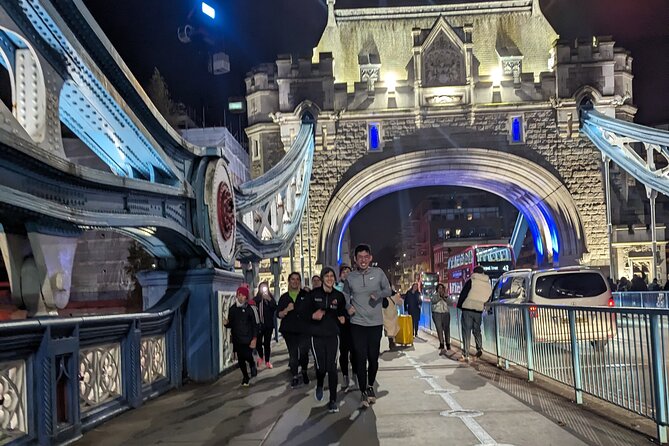
The run begins around Tower Bridge, the unmistakable suspension bridge with its two high towers. You also see the Tower of London from this part of the route. It is a strong opening because the setting gives you a quick sense of London’s long connection with the river, trade, defense, and transport.
Tower Bridge is also one of the route’s most photogenic crossings. If you stop here, remember that the audio tour is designed to keep you moving, so save longer sightseeing for a pause rather than blocking the footway.
The route then takes you over London Bridge. Although London Bridge is less ornate than its famous neighbor, its position is important. You are near the old City of London, where the river, markets, commerce, and transport have shaped the city for centuries.
This early section may feel crowded, especially around major crossings and transport connections. That is part of the trade-off of running through central London. You gain famous sights and easy public transport access, but you should expect other people, traffic, and occasional interruptions to your rhythm.
Shakespeare’s Globe and the South Bank
From the bridge section, you run past Shakespeare’s Globe. The theatre’s rounded form and riverside position make it easy to recognize, and the surrounding South Bank gives you a change of mood from the commercial City.
The audio adds context as you move, which is useful here because the South Bank is full of sights that can blur together when you pass at running speed. You can pause if you want a closer look, but the point is to experience the area as part of a longer river route rather than as a single museum visit.
You also pass Tate Modern. The gallery is a major landmark on the river, and its large former power-station building is hard to miss. The route does not include entry, so consider this a useful marker and possible future stop rather than part of the paid experience.
This section is a good example of the tour’s value. You do not pay separate admission for the landmarks, and you are not being rushed through a fixed sightseeing schedule. You pay for the planned route, the audio directions, and the background that connects the sights.
Big Ben, Westminster Bridge, and Parliament
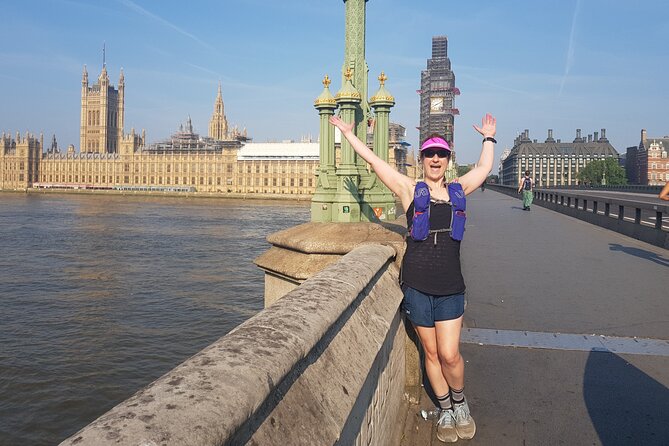
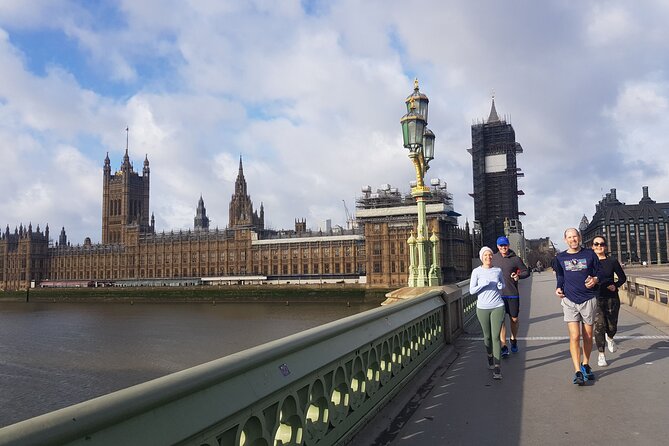
The route continues toward Westminster Bridge, where you run past Big Ben. From the bridge, you get the classic view of the clock tower and the Houses of Parliament across the river.
This is one of the most rewarding parts of the run visually, but it may also be one of the busiest. Westminster Bridge is a major sightseeing corridor, so you will need to share space and adjust your pace. A steady jog may become a careful walk for short stretches, depending on conditions.
The Houses of Parliament remain visible as you continue along the South Bank. Seeing them from across the Thames gives you a broad view that is often better than standing directly outside the building, where the scale can be harder to appreciate.
The route’s audio format helps here because you can take in the setting without stopping to read a guidebook or search for information. If you are interested in London’s political and architectural landmarks, this section provides a useful change from the older bridges near the Tower.
A different sort of day out in London altogether:
- From London: Harry Potter Warner Bros Studio Tour
★ 4.7 · 26,588 reviews - Magical London: Harry Potter Guided Walking Tour
★ 4.7 · 22,044 reviews - London: Madame Tussauds London
★ 4.6 · 20,915 reviews - Stonehenge, Windsor Castle, and Bath from London
★ 4.5 · 18,662 reviews
Waterloo Bridge and Southbank views
You then cross Waterloo Bridge and continue through the nearby Southbank area. Waterloo Bridge is one of the route’s major crossings and gives you another broad river view, with central London spread along both banks.
The crossing also breaks up the route nicely. Instead of following one long stretch beside the water, you repeatedly move from one bank to the other. That creates changing views and keeps the run visually varied.
The Southbank section can feel lively and full of things to notice. You are near theatres, galleries, public spaces, and river views, but the experience remains a run rather than a guided walking tour. You should not expect a long stop at each attraction.
If you want to make a day of it, the flexible format helps. You can complete one section, pause for food or sightseeing, and continue later. The supplied schedule allows the run to be broken across several days, all on your own timetable. That is especially useful if you are treating the route as a sightseeing challenge rather than a race.
West toward Battersea Power Station
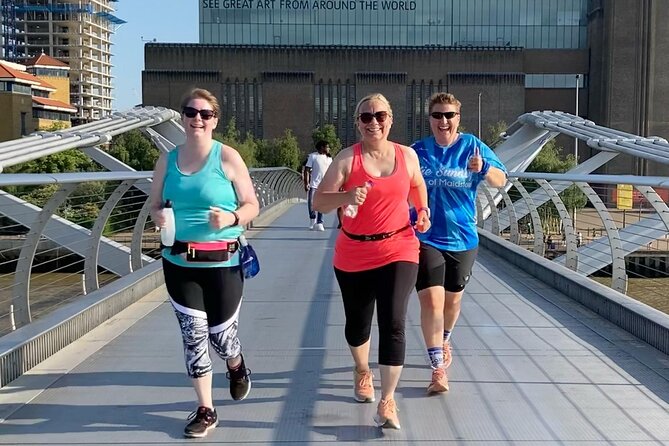
After central London, the route heads west toward Battersea Power Station. The famous brick building and its chimneys now form the center of a major new development, so this part of the run shows a different side of the city.
The area gives you a sharp contrast with the Tower and Westminster sections. Instead of medieval defenses or government buildings, you see a large former industrial site being brought back into active use.
The route allows about 20 minutes around Battersea Power Station. That is enough to take in the setting as you pass, but not enough for an extensive visit inside the development. If you want to shop, eat, or explore the buildings in detail, you will need extra time beyond the stated tour duration.
The run also brings Battersea Park into view from across the Thames as you continue along the north bank. The park adds greenery and open space after the denser central sections. It is a welcome visual break, though the route remains an urban run with stretches where shade may be limited.
One useful point comes from the physical nature of the course: a hot day can make the exposed parts punishing. If the weather is warm, set a sensible pace and use the freedom to stop. The route is not a race, and the GPS guide does not require you to finish quickly.
Tate Britain and the approach to Putney
The route passes Tate Britain, giving you another major gallery marker before the final stretch toward Putney. Tate Britain and Tate Modern are on opposite sides of central London’s cultural corridor, so seeing both in one route helps you understand the river’s role in linking the city’s galleries and neighborhoods.
You finish outside Putney Station on Putney High Street, London SW15 1RT. This is a practical ending because you can reach public transport immediately after the run. It also gives the route a clear finish rather than leaving you somewhere along the river with more navigation still required.
The overall timing is listed as roughly two to three hours, with travel time included. Your actual experience can take longer if you stop, walk sections, explore landmarks, or split the route across different days. The GPS format gives you that choice, but it also means the tour is only as fast as your own schedule.
What the $23.31 price really covers
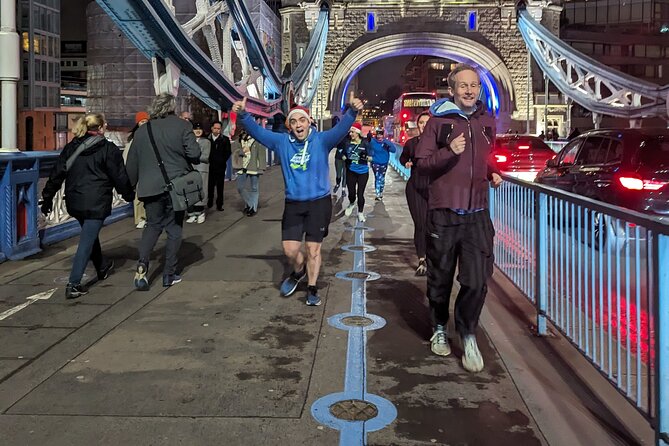
At $23.31 per person, the price is reasonable if you want a planned route and historical audio without paying for separate attraction entry. You are not paying for a live guide, refreshments, transport, or admission tickets. You are paying for the route design and self-guided audio experience.
That makes the value strongest for runners who would otherwise spend time planning a river route, checking bridge crossings, and trying to stay on the correct side of the Thames. A carefully planned route can prevent the common problem of arriving at the wrong bank or missing the best view.
The price is also attractive for a private group. Only your group participates, so friends can run together at a shared pace without joining strangers or being tied to a scheduled group departure.
The value is weaker if you want a traditional sightseeing tour with a person explaining each landmark in real time. It is also less useful if you already know London well, have your own route, and do not care about audio facts.
How demanding is the run?
You should have a moderate level of physical fitness. The route is long enough to require planning, and the stated duration includes travel time between stops. You will also deal with bridges, city streets, crowded areas, and weather.
The experience works well for mixed-ability groups because you can run, walk, pause, and continue without a leader waiting for you. A group of friends can also split the route over more than one day if a single long outing does not suit everyone.
The route is not designed only for serious runners. One person completed the half marathon version by running and walking, enjoying the freedom to stop and explore. That is the right mindset here: treat it as an active sightseeing route, not a timed event.
Wear suitable running or walking shoes, and think carefully about your start time. The listed operating hours are 5:00 AM to 10:00 PM, Monday through Sunday, for the stated date range. Early starts may give you a quieter city, while later starts may provide more activity around the main sights. The information provided does not promise a particular crowd level, so choose based on your own comfort and schedule.
The practical details before you book
The tour is offered in English. GPS-triggered audio is central to the experience, so bring a charged phone and headphones. The route guidance is designed to tell you where to go and can direct you back if you leave the route.
Service animals are allowed, and the start and finish are near public transportation. The start is at the sundial near Tower Hill, while the finish is immediately outside Putney Station. Since the route does not end where it begins, plan your journey home from Putney rather than from Tower Hill.
The experience is non-refundable and cannot be changed after booking. That makes weather and fitness important considerations before you pay. If you are unsure about completing the full route, the option to walk or split it across several days helps, but it does not remove the booking restriction.
The supplied information gives an overall rating of five from seven reviews. The strongest praise focuses on three things: the route being carefully planned, the GPS prompts arriving at the right time, and the audio mixing useful directions with entertaining historical facts. One runner also appreciated the different voices for navigation and factual content, since the format stayed engaging without interfering with movement.
Who should book this London run?
Book it if you want an active way to see major London landmarks and prefer independence over a fixed group tour. It suits runners, joggers, walkers, charity groups, friends, and visitors who like to choose their own speed.
It is especially good for people who want a half-day challenge with a clear start and finish. You can also use it as a sightseeing framework, stopping at places such as Tate Modern or Battersea Power Station if you are willing to add time.
Think twice if you want a relaxed walking tour, a live guide, or a route with guaranteed shade and quiet paths. Central London crossings can be busy, and hot weather can make the exposed sections hard work.
Should you book Run the Thames Bridges?
I would book this if you want to combine exercise, London views, and audio storytelling in one self-guided outing. The carefully planned route removes much of the hassle of city navigation, while the GPS prompts let you keep your phone in your pocket more often than you might expect.
The best reason to choose it is the combination of freedom and structure. You get a route that links London’s major river landmarks, but you are not forced to match someone else’s pace. Just remember that it is a real urban run, not a gentle stroll, and that the booking cannot be refunded or changed.
FAQ
Where does Run the Thames Bridges start?
It starts at the sundial at Tower Hill, London EC3N 2LY, near the Tower of London and Tower Bridge.
Where does the tour finish?
It ends immediately outside Putney Station on Putney High Street, London SW15 1RT.
How long does the experience take?
The approximate duration is two to three hours, including travel time between stops. It can take longer if you stop or split the route across several days.
Can I complete the route over more than one day?
Yes. The route can be broken up across several days according to your schedule.
Is the tour guided by a person?
No. It is a self-guided GPS audio tour. The experience is private, so only your group participates.
What language is the audio tour offered in?
The tour is offered in English.
What landmarks does the route include?
The route includes Tower Bridge, London Bridge, Shakespeare’s Globe, Big Ben, Westminster Bridge, the Houses of Parliament, Waterloo Bridge, Tate Modern, Tate Britain, Battersea Power Station, and views of Battersea Park.
Do I need to be very fit?
A moderate level of physical fitness is recommended. You can run, walk, pause, or split the route across several days.
Are service animals allowed?
Yes, service animals are allowed.
Is the booking refundable or changeable?
No. The experience is non-refundable and cannot be changed for any reason.
Just added around London
- Up at The O2:Twilight Climb with Guided Tour with Panoramic Views★ 5.0 · 50 reviews
- Private Chauffeur-London Heathrow from/to Southampton Cruise Port★ 5.0 · 9 reviews
- Kensington Palace VIP Garden Tour with Royal High Tea★ 4.5 · 71 reviews
- Up at The O2: Sunset Climb with Guided Tour with Panoramic Views★ 5.0 · 110 reviews
- Secrets of the London Underground Small Group Walking Tour★ 4.5 · 38 reviews
- Urban Canvas: Exploring Shoreditch’s Vibrant Street Art★ 5.0 · 36 reviews
- Ultimate introduction to photography in Central London★ 5.0 · 19 reviews
- Full-Day Self-Guided Paris Tour from London by Eurostar with Seine River Cruise★ 3.5 · 22 reviews
Thames River Cruises, compared.
Westminster to Greenwich River Thames Cruise
Read our review →
London Big Bus Hop-On Hop-Off Tour with Optional River Cruise
Read our review →
Westminster to Tower Bridge River Thames Cruise
Read our review →
London Eye, River Cruise, & Hop-on Hop-off Bus Tour
Read our review →
Tootbus Hop-on Hop-off with optional River Cruise
Read our review →
Thames River Cruise with Optional London Eye Ticket
Read our review →
Big Bus Hop-on, Hop-off with Optional River Cruise
Read our review →Browse the lists this tour appears in