
Reviewed · LONDON
Make a Fascinator Hat with a Designer in London
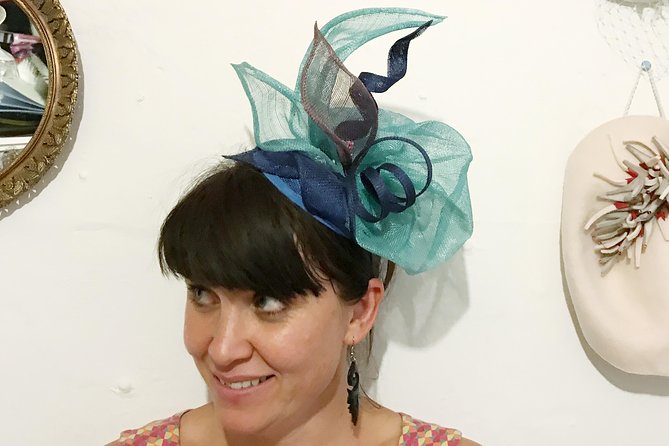
The best part of this London workshop is that you do not simply decorate a ready-made hat. You build a fascinator from its base, shape sinamay straw, add wire and veiling, and finish the piece by hand with designer Elena Shvab guiding you through each step. In about three hours, you leave with a wearable souvenir and a new set of millinery skills.
I like the small class size, capped at six, because hat making calls for close help. I also like the personal choice built into the session: you select colors and trims, then create something tied to your own taste or a special event. The main consideration is time. Three hours is enough for one finished fascinator, but not for a full course in advanced millinery.
Key points to know before booking
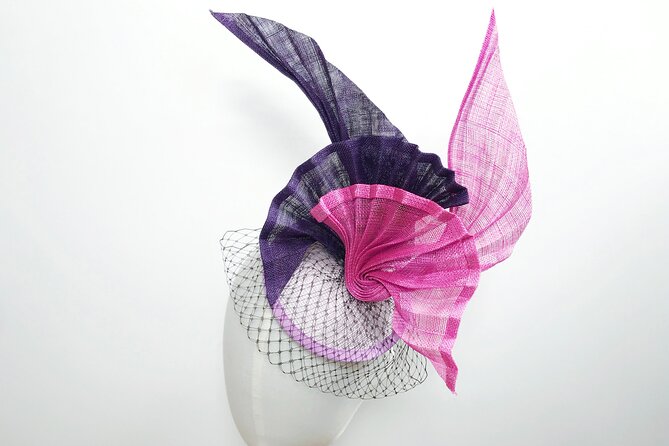
- You make the fascinator from its base: The class covers traditional hat-block work, wired edges, shaping, and decoration.
- Elena Shvab teaches every step: Her patient, practical instruction suits beginners, including people who do not see themselves as artistic.
- Sinamay is the star material: You learn to roll, fold, steam, and shape this light straw used in formal millinery.
- The group has no more than six people: That gives you a better chance to ask questions and get hands-on help.
- All materials and tools are included: You only need to arrive ready to work with your hands.
- You finish with a personal keepsake: Your fascinator is made for you, not pulled from a souvenir shop shelf.
Why this hat-making class feels different from a standard London tour
London offers plenty of grand buildings, famous museums, and guided walks. This class gives you a different kind of connection to the city. You spend part of your day in a working studio, handling the materials and techniques behind the sculptural hats often seen at weddings, formal events, and British race meetings.
The class takes place at Make Space Studios on Newnham Terrace in London SE1 7DR. It begins at 11:00 a.m. and ends back at the studio after roughly three hours. The setting is described as cozy, which matters here. Hat making is a hands-on craft, and a smaller, more relaxed room is better suited to watching a demonstration, choosing materials, and getting corrections as you work.
The workshop is especially appealing if you want a souvenir with a story. You might buy a mug, postcard, or piece of clothing in London. Here, you make the object yourself. Each time you wear it, you will remember the choices you made and the process of shaping it.
Other London outings people book alongside this one:
- From London: Harry Potter Warner Bros Studio Tour
★ 4.7 · 26,588 reviews - London: Westminster to Greenwich River Thames Cruise
★ 4.5 · 22,836 reviews - Magical London: Harry Potter Guided Walking Tour
★ 4.7 · 22,044 reviews
Building the base with a traditional hat block
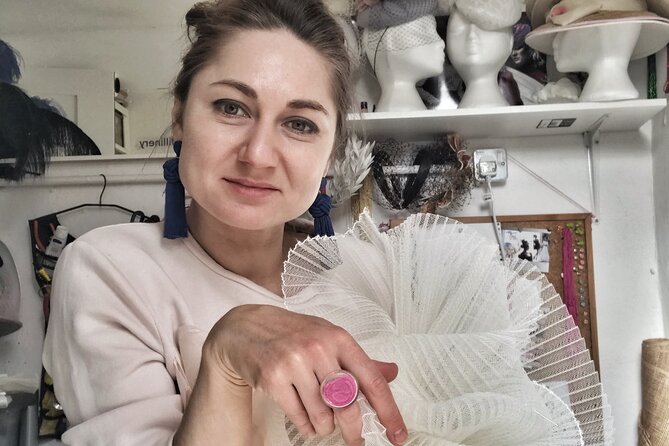
The session begins with a short introduction to hat making, including different hat styles, materials, and trimmings. This opening gives you useful context before you begin. A fascinator can look simple from a distance, but its shape depends on the base beneath the decoration.
You then learn how to form the base with a traditional hat block. This is one of the most valuable parts of the class because it shows you how a flat or flexible material becomes a structured piece of headwear. Elena demonstrates the process, then helps you work through it yourself.
You do not need prior sewing, design, or millinery experience. One particularly useful feature of the instruction is its step-by-step pace. A participant who described herself as not creative still managed to make a cute fascinator with Elena’s help. That is a good sign for beginners who might worry that the class requires a natural artistic touch.
The base also gives you a chance to understand proportion. A fascinator needs enough shape to be interesting without becoming awkward to wear. With a class this small, you can ask for help as your design takes form instead of guessing your way through the early stages.
Shaping sinamay straw with water, steam, and patience
Sinamay is a straw material commonly used in formal hats. During the class, you learn several ways to manipulate it, including rolling and steaming. These techniques let you create volume, curves, folds, and other decorative shapes.
The process is more physical than many craft classes. You work with water, folding, a small amount of glue, and steam. The material does not simply fall into place, so Elena’s demonstrations and corrections are important. You learn to guide the straw rather than force it.
Steaming is also where the class moves beyond a basic souvenir activity. You are not only sticking decorations onto a purchased hat. You are learning how milliners shape and control a material. The techniques are simple enough to try under instruction, but they still give you a genuine taste of the craft.
Expect some trial and error. Your first fold may not look right, and a curve may need reshaping. That is part of the value. You learn how the material responds, then adjust it. Elena’s patient approach is useful here, especially for anyone who asks many questions or wants to understand why a step matters.
Adding wire, veiling, and traditional stitches
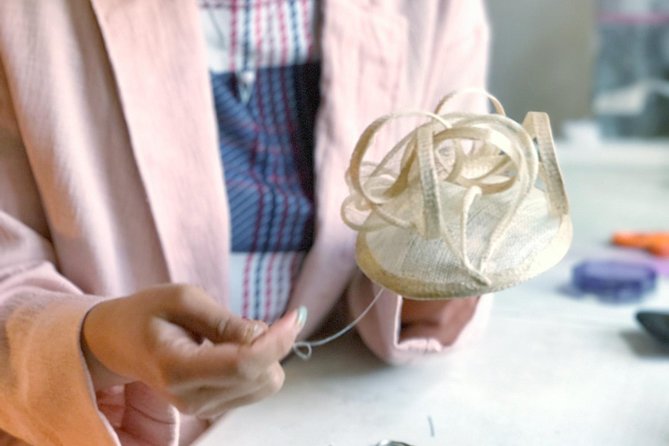
After the base takes shape, the class moves into the details that give a fascinator its structure and finish. You learn how to wire and trim the edges, then work with veiling and other decorations.
Wire helps support the outline of the hat. It is a small technical detail, but it affects the final shape and durability. Learning to place and trim it gives you a better sense of how millinery combines design with construction.
Veiling changes the mood of the piece. It can make a fascinator feel more formal, playful, or dramatic, depending on how you use it. You also learn traditional millinery stitches, giving the session a stronger craft foundation than a simple glue-and-decorate workshop.
The instruction remains practical. Elena demonstrates the process and then helps you apply it to your own design. The class does not promise that you will become a professional milliner in one morning, but you should leave with techniques you can try again at home.
A different sort of day out in London altogether:
- London: Madame Tussauds London
★ 4.6 · 20,915 reviews - Stonehenge, Windsor Castle, and Bath from London
★ 4.5 · 18,662 reviews - London: Warner Bros. Studio Tour with Transfers
★ 4.7 · 17,586 reviews - London: Tower Bridge Entry Ticket
★ 4.7 · 15,560 reviews
Choosing colors and creating a hat for a real occasion
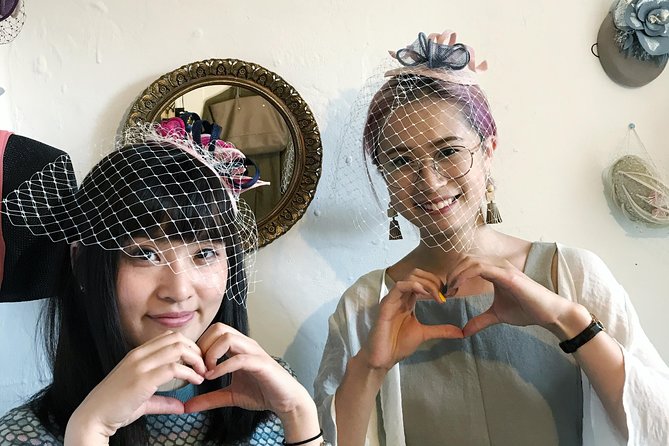
Personal choice is central to the experience. You select your own colors and materials, then decide how much decoration suits your design. This makes the finished piece feel personal rather than mass produced.
Several people have used the class as part of a special trip or to prepare for a special event. That is a smart way to approach it. You can make something that suits a wedding, garden party, formal lunch, or another occasion, though the supplied information does not specify a dress code or guarantee a particular style.
You also get to try on hats during the experience, which can help you think about shape and scale. Seeing a fascinator on your head is more useful than judging it on a table. It gives you a sense of how the piece works with your face and overall look.
Do not expect every finished fascinator to look identical. That is the point. The final result depends on your color choices, the way you shape the sinamay, and the decorations you add. Elena guides the process, but you still have room to make decisions.
A friendly class for mothers, grandmothers, and young makers
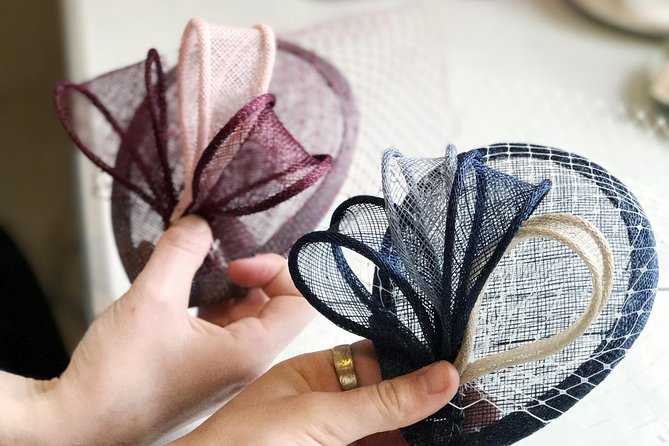
This is a strong choice for a shared activity. A mother and daughter can make matching or contrasting hats. A grandparent and grandchild can spend the morning working side by side. An aunt and niece can turn it into a creative London memory rather than another visit to a major attraction.
Children under eight cannot take part, but older children may be able to join because most people can participate. The class is still best for anyone who can focus on a three-hour craft session and handle materials with care. The experience is not designed as a children’s play activity.
It also works for couples. One couple made fascinators together and received tea and snacks during the session. Those extras are not the main reason to book, and they may not be guaranteed every time, but they fit the relaxed studio mood described for the experience.
You do not have to consider yourself artistic. The teaching is the key safety net. Elena explains each stage, demonstrates the technique, and helps you correct mistakes. The class has attracted both confident crafters and people who needed more reassurance.
What the three-hour schedule gives you
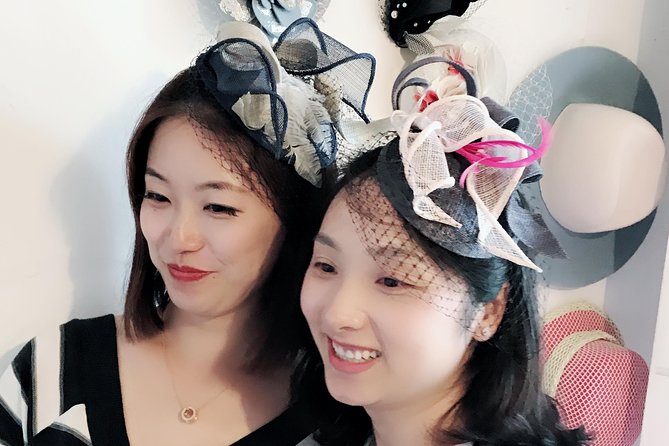
The stated duration is up to three hours. That is enough time for an introduction, demonstrations, construction, shaping, decoration, and finishing. It is also short enough to fit into a London sightseeing day without using the whole afternoon.
The 11:00 a.m. start is practical. You can reach the studio in the morning, take the class, and still have time afterward for another activity. Since the studio is near public transportation, you should have a manageable route to the meeting point, though the supplied details do not identify a specific Underground or rail station.
Do not pack the morning too tightly. Creative work can take longer than expected, especially if you are asking questions or changing your design. The workshop is advertised as lasting up to three hours, so allow room around that estimate before booking a timed attraction or restaurant.
The session returns to the same meeting point. You do not need to carry the unfinished project around London during the class, and you leave from the studio with the completed hat.
The value of the $165.13 price
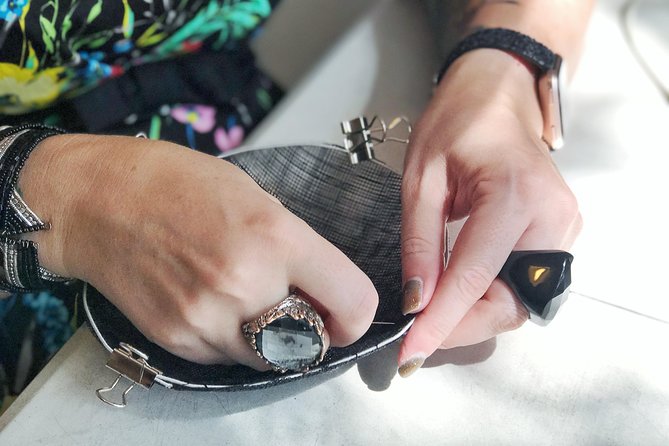
At $165.13 per person, this is not a budget activity. The price makes more sense when you count what is included: a small group, direct instruction from Elena, all materials, all tools, and a finished fascinator to take home.
You are also paying for access to a specialist craft that would be difficult to reproduce from a short online tutorial. The value lies in having someone show you how to handle the materials, spot a problem, and suggest a fix before the shape goes wrong.
For a casual souvenir hunter, the cost may feel high. A ready-made accessory would likely be simpler to buy. For a crafter, fashion enthusiast, or person marking a special trip, the workshop offers more lasting value because you gain both an object and a skill.
The strongest value comes when two people book together. The class becomes a shared event, and the completed fascinators provide a physical reminder of the day. You can also use the techniques at home, although the activity does not promise a full materials list or an advanced follow-up course.
What the high praise tells you about the teaching
The most consistent strength is Elena’s manner as an instructor. She is described as patient, welcoming, thorough, and helpful. Those traits matter more here than a long lecture about fashion because your success depends on clear demonstrations and timely assistance.
The class also seems to handle different ability levels well. A person with little creative confidence was able to complete a pleasing fascinator. Another participant enjoyed the process enough to sign up for a second session. That suggests the workshop can work both as a gentle introduction and as a repeat activity for someone who wants to try a new design.
The small workspace adds to the personal feel, but it may not suit someone seeking a polished, large-scale studio tour. This is a working craft session, not a museum display or a fashion show. You should expect to spend most of the time making, asking questions, and adjusting your piece.
One booking problem did occur when Elena had not been told that a pair was arriving. She still rescheduled and accommodated them that day, but this is a reminder to wait for booking confirmation before treating the session as fixed. Confirmation is sent within 48 hours, subject to availability.
Practical details before you go
The experience uses a mobile ticket and is offered in English. The meeting point is Make Space Studios, Newnham Terrace, London SE1 7DR, with the activity ending at the same location.
All tools and materials are supplied, so you do not need to bring craft equipment. You may want to wear clothes you can work comfortably in, but no special clothing requirement is provided.
The class accepts up to six people. Most people can participate, but children under eight are not suitable for the activity. Since the class involves wire, steam, and craft tools, close attention is sensible for younger participants.
Free cancellation is available up to 24 hours before the 11:00 a.m. start time for a full refund. Changes or cancellations inside that window are not accepted for a refund. The stated policy also says the activity requires good weather and may be rescheduled or fully refunded if poor weather causes cancellation.
The experience is often booked about 29 days ahead. That timing suggests you should reserve it early if your London dates are fixed, especially if you want to attend with family or friends.
Who should book this London fascinator workshop
Book this class if you want a creative activity with a finished result, enjoy fashion or textiles, or need a rainy-day plan that feels more memorable than sitting in a café. It is also a fine choice for a mother-daughter, grandmother-granddaughter, couple, or friends’ outing.
You should have realistic expectations. This is a three-hour introduction, not professional training. You will learn useful foundations, but you will not cover every millinery method or make several hats in one session.
The price may be harder to justify if you are not interested in wearing a fascinator or working with craft materials. You may also prefer a conventional London tour if your priority is seeing major landmarks. But if you want to make something with your own hands and take home a story as well as a souvenir, this workshop is an excellent fit.
FAQ
Where does the fascinator workshop take place?
The class meets at Make Space Studios, Newnham Terrace, London SE1 7DR, UK. The activity ends back at the same meeting point.
What time does the class begin?
The workshop starts at 11:00 a.m.
How long does the experience last?
The session lasts approximately three hours, or up to three hours.
Are materials and tools included?
Yes. All materials and tools are provided, so you do not need to bring your own equipment.
How many people can join the class?
The workshop has a maximum of six participants.
Can children take part?
Most people can participate, but the experience is not suitable for children under eight.
Just added around London
- Up at The O2:Twilight Climb with Guided Tour with Panoramic Views★ 5.0 · 50 reviews
- Private Chauffeur-London Heathrow from/to Southampton Cruise Port★ 5.0 · 9 reviews
- Kensington Palace VIP Garden Tour with Royal High Tea★ 4.5 · 71 reviews
- Up at The O2: Sunset Climb with Guided Tour with Panoramic Views★ 5.0 · 110 reviews
- Secrets of the London Underground Small Group Walking Tour★ 4.5 · 38 reviews
- Urban Canvas: Exploring Shoreditch’s Vibrant Street Art★ 5.0 · 36 reviews
- Full-Day Self-Guided Paris Tour from London by Eurostar with Seine River Cruise★ 3.5 · 22 reviews
- Ultimate introduction to photography in Central London★ 5.0 · 19 reviews