
Reviewed · LONDON MUSIC AND ROCK TOURS
London: The Birthplace of The Rolling Stones Private Tour
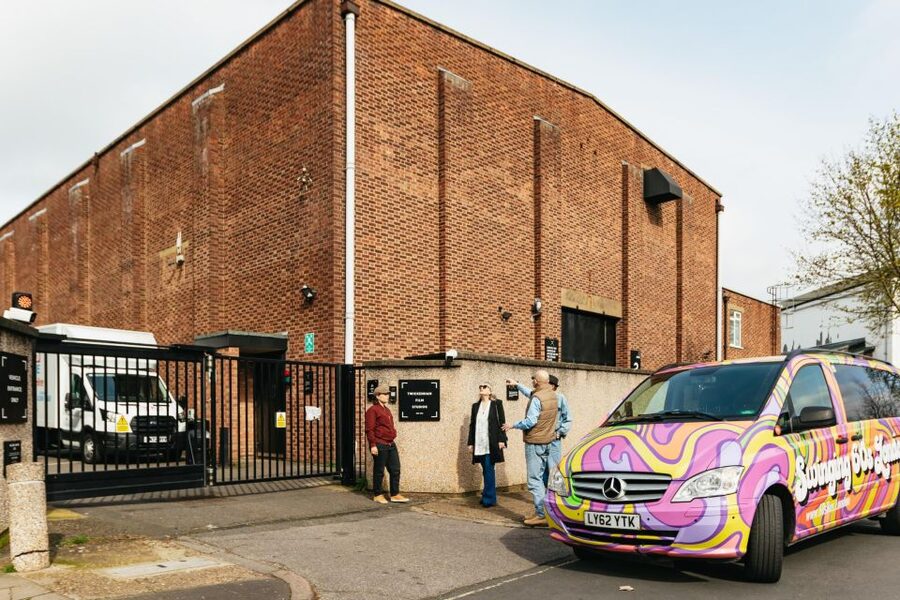
The most useful thing about this tour is its focus on the early Rolling Stones, before the stadium years and famous album covers. You trace the band through Earl’s Court, Putney, Barnes, and Richmond, seeing rehearsal spots, recording sites, pubs, homes, and venues tied to their first break.
I like the small private group and the fact that transport is built in. I also like the human scale of the story: guide Paul has lived in Richmond for more than 45 years and brings personal local knowledge to the places you pass. The main drawback is simple: three hours is short, and some stops are viewed from outside rather than entered.
Key points to know before booking
- Earl’s Court begins the story: Meet outside Earl’s Court tube station, close to the place linked with the band’s name and Bill Wyman’s early audition.
- Richmond is the heart of the tour: See where the Stones lived, socialized, and built their first audience.
- Olympic Studios adds real music history: The Barnes studio is tied to the recording of the band’s first six albums.
- Paul leads the tour: Expect English commentary, early Stones music, photographs, and personal stories.
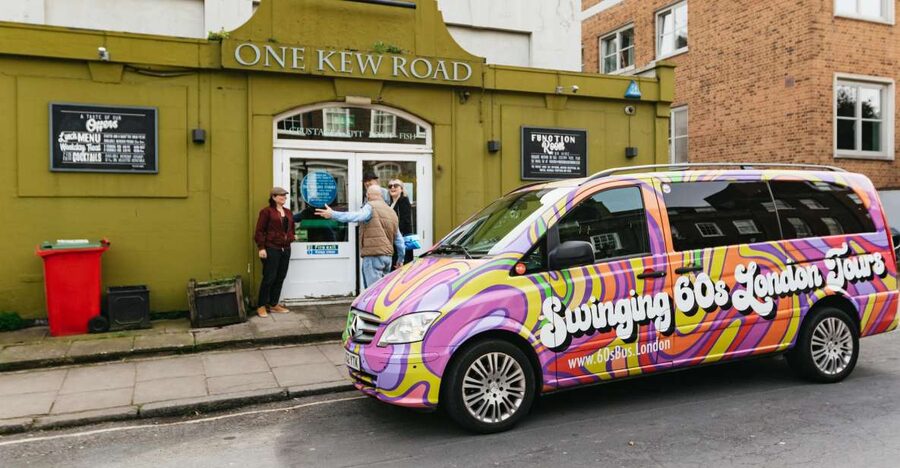
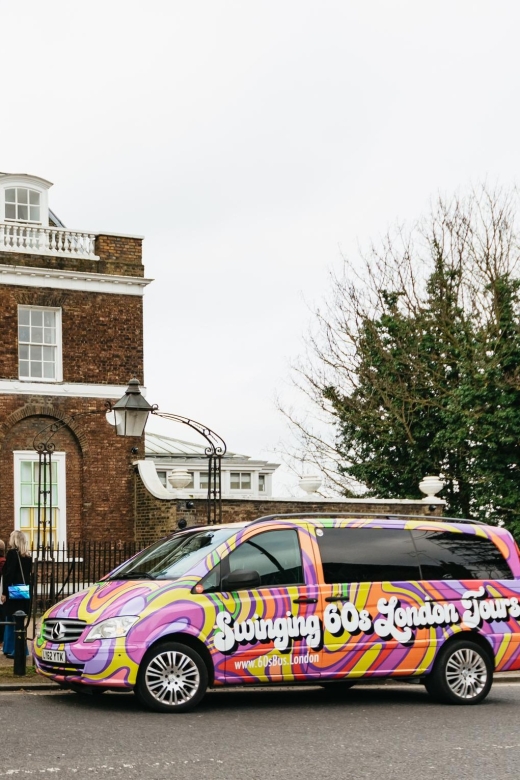
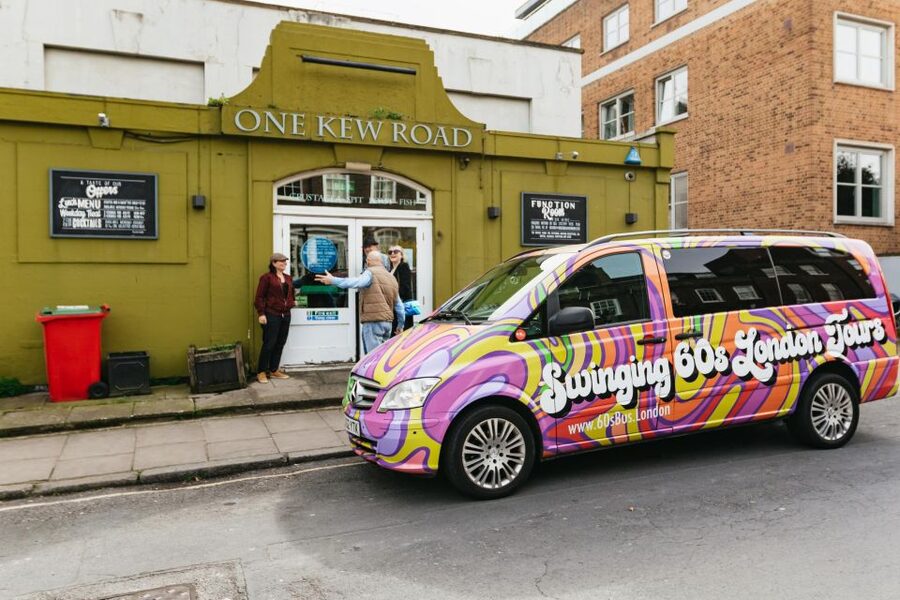
- The private format matters: The psychedelic mini bus carries up to seven people, making it easier to ask questions.
- The price works best for a group: At $485 per group, seven people pay about $69 each, before any currency changes.
Why the early Stones story begins at Earl’s Court
This is not a general London music tour with a quick photo stop at one famous address. It follows the band’s first steps, when names, lineups, and opportunities were still taking shape.
Your meeting point is outside Earl’s Court tube station on Earl’s Court Road. Look for the psychedelic mini bus parked as close to the station entrance as possible. That bright vehicle should make the start easy to spot, but give yourself enough time to find the correct station exit and wait on the street.
Earl’s Court matters because the area is close to where the group was given its name by Brian Jones in 1962. It is also linked with the band’s first rehearsals and with the audition of Bill Wyman. Those details help you see the Stones as a working band still trying to form its identity, not yet the polished act that would fill arenas.
I like this opening because it puts the group’s origin story in ordinary city streets. You are not beginning with a grand monument. You are beginning with the practical business of forming a band, finding players, and getting a name people would remember.
The tour includes early Rolling Stones music during the drive. That matters here. The songs provide a soundtrack while Paul explains what was happening around the band, and the small vehicle should make it easier to hear the guide than on a large coach.
More London Music and Rock Tours:
- London: The Great British Rock and Roll Music Walking Tour
★ 4.9 · 1,783 reviews - The Great British Rock and Roll Walking Tour
★ 5.0 · 1,371 reviews - London: ABBA Voyage Express Bus and Optional Concert Ticket
★ 4.6 · 1,065 reviews
The Ealing Club and the climate of early 1960s London
The Rolling Stones were conceived at the Ealing Club in 1962. The club’s role helps explain the wider setting of the story, even though the published route begins at Earl’s Court rather than promising a full stop at every place mentioned in the band’s origin.
The early 1960s were a period of change in Britain, and the tour connects that mood with the Stones’ birth. The band’s sound, image, and audience did not appear in isolation. They grew from clubs, young musicians, American blues, and a public ready for something less tidy than traditional pop.
You will hear this wider background as part of the narrative. The tour is not only a list of addresses. It aims to show how a group could move from small club performances to a first residency, a record contract, and professional management.
This kind of context is useful if you know the famous songs but not the order of events. You get a clearer sense of cause and effect: the band played, built a following, met important people, and gained access to better venues and studios.
The Half Moon in Putney and the band’s working life
A short visit to the Half Moon pub in Putney gives the tour a more grounded stop. The Rolling Stones performed there as recently as 2000, so the venue connects the early club years with the band’s much longer career.
Do not expect this stop to tell the whole Stones story by itself. Its value is that it shows how the band’s relationship with live venues stretched across decades. The pub is part of the working circuit that helped give the group a following, rather than simply a backdrop for a later photo opportunity.
The visit is described as short, so you should think of it as one piece of the route, not a long pub break. The tour includes no extra entry costs, but the information provided does not promise a meal, a drink, or an extended indoor visit. If you want time to sit down and order something, plan that separately.
For me, the Half Moon is one of the more useful stops for understanding the Stones as a live band. Recording studios explain the albums, but club venues explain how the group learned to hold an audience.
Olympic Studios in Barnes and the first six albums
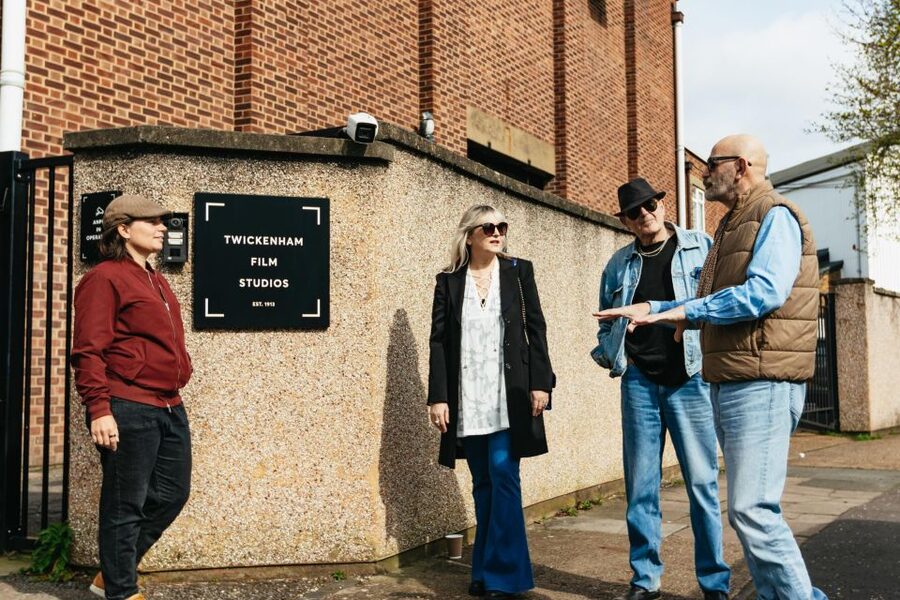
Next comes Olympic Studios in Barnes. The Stones recorded their first six albums there, giving this stop a strong place in the tour even if you only view the site from outside.
Recording studios can be frustrating on a sightseeing route. They are often working buildings, private spaces, or places where you cannot see the room where the music was made. Still, the address has meaning because it represents a major stage in the band’s progress from club act to recording group.
As you stand near Olympic Studios, Paul can connect the location with the early recordings and explain how the band’s sound moved from live venues into the studio. Early Stones music plays during the drive, so the location and the songs reinforce each other.
This is a good example of why the guide matters. A studio building alone may not mean much to someone who is not already a serious fan. With the right explanation, it becomes part of the band’s working story.
The itinerary does not state that you enter Olympic Studios. You should plan on an exterior visit and spoken context, not a studio tour. That is not a complaint, but it is worth knowing before you book.
More Private:
- The Premier Classic London: Private 4-Hour Tour in a Black Cab
★ 5.0 · 2,737 reviews - Stonehenge Inner Circle Private Tour from London with Bath Visit
★ 5.0 · 1,909 reviews - London: Tower of London Entry & Beefeater Private Audience
★ 4.4 · 1,441 reviews - Private Tour: Black Taxi Tour of London
★ 5.0 · 1,153 reviews
Richmond, where the Stones found an audience
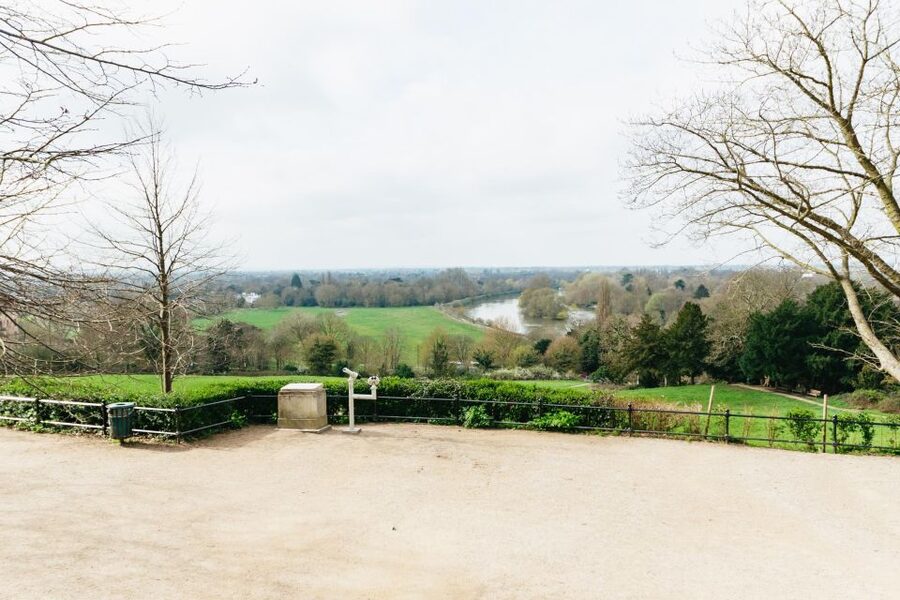
Richmond is the emotional center of the route. You visit places connected with where the band lived, spent time, and found the audience that helped push them forward.
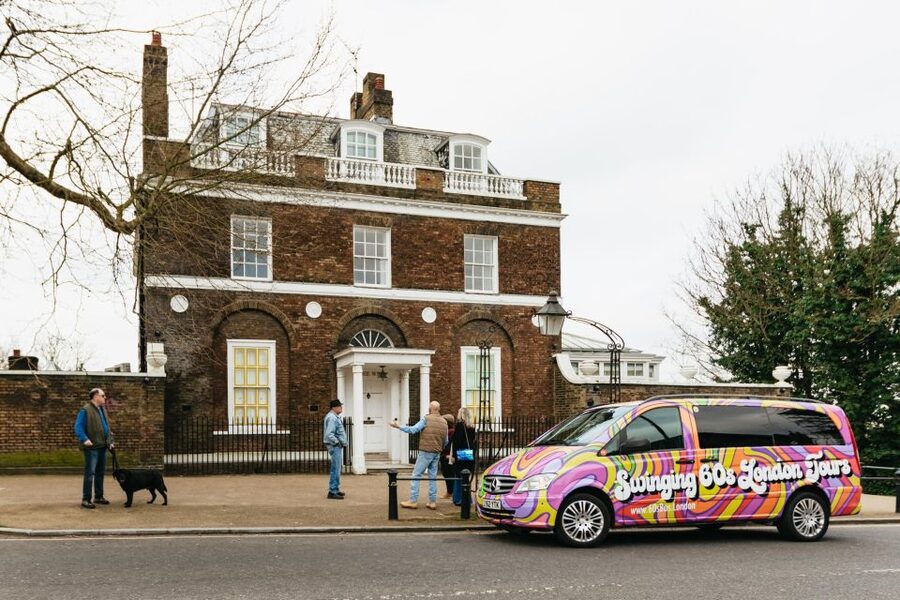
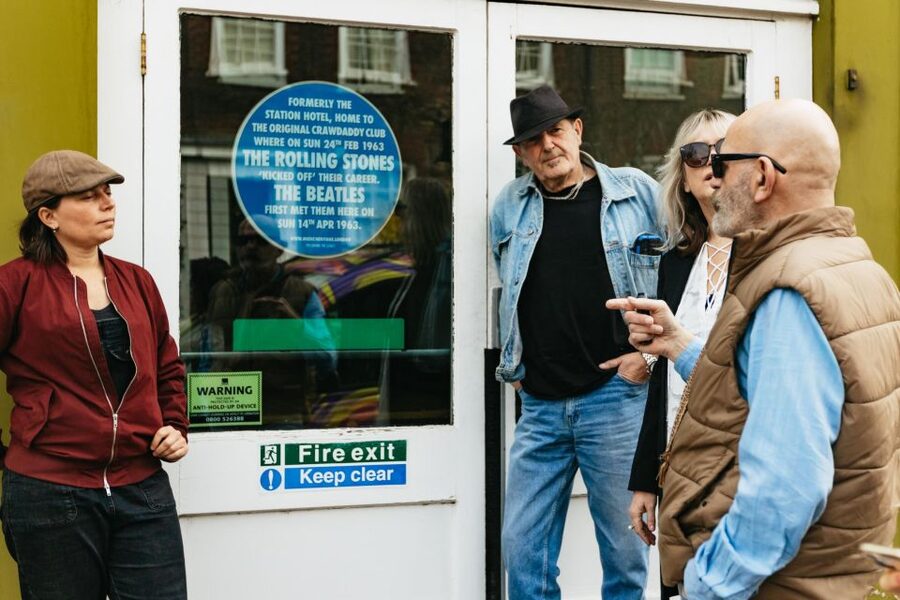
The key setting is the Station Hotel in Richmond, West London. This is where the Stones secured their first residency, met The Beatles for the first time, signed with Decca Records, and came under the management of Andrew Loog-Oldham. Those are major turning points in a single place.
The sequence is what makes the stop valuable. A residency gave the band regular work. Meeting The Beatles placed them in the same changing music scene as Britain’s most famous young group. Decca provided a record deal, and Andrew Loog-Oldham helped shape the public image and career direction that carried the band to a much larger audience.
You also hear about the places where the group lived and hung out. The point is not just to look at old buildings. It is to understand how Richmond functioned as a base where the Stones could perform, meet people, and build a local following.
Paul has lived in Richmond for more than 45 years. That does not turn the tour into a private house visit, and no home interiors are promised. It does mean the Richmond section benefits from someone who knows the area over time and can add local detail to the band’s story.
The Station Hotel and the jump to professional success
The Station Hotel deserves special attention because several important events gathered there. The tour uses the site to explain how the Stones shifted from promising young musicians to a band with serious professional support.
The first residency was especially important. A regular booking gives a band more than a single night on stage. It offers repeated chances to tighten a set, attract regular listeners, and build a reputation. That is the kind of slow progress often lost in a quick celebrity biography.
The Beatles connection also adds a useful piece of timing. The Stones and The Beatles belonged to the same broad period of British pop change, but their identities were different. Hearing that they first met at this Richmond location makes the scene feel more connected and less like two separate stories.
Then came Decca Records and Andrew Loog-Oldham. The tour explains how those links helped move the band toward a larger career. If your interest is in music business history as much as in songs, this may be one of the strongest parts of the afternoon.
The precise route through Richmond can depend on traffic and timing. The tour lasts three hours, so the vehicle lets you cover several places without spending the whole afternoon walking between them.
What the private mini bus adds
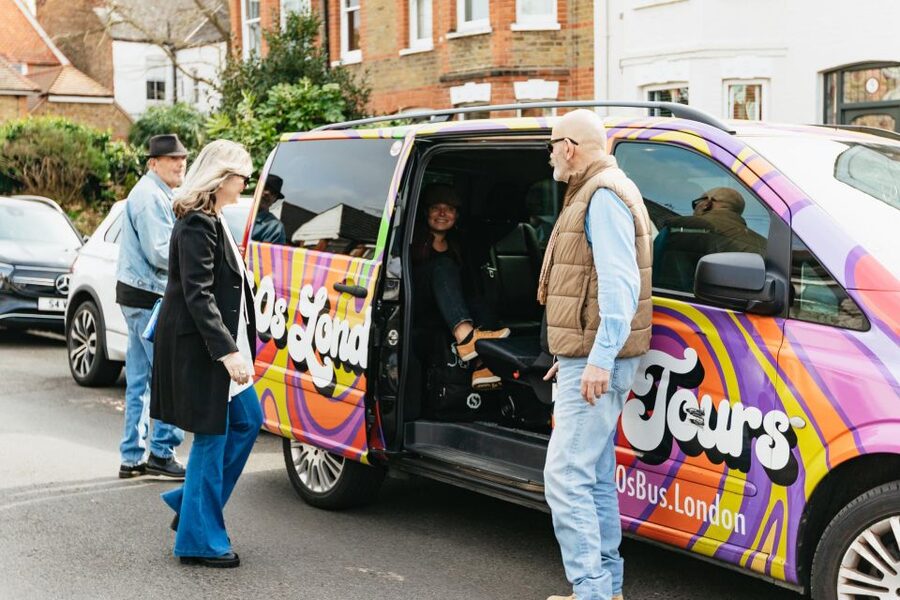
The tour uses an air-conditioned psychedelic mini bus for groups of up to seven people. That is a much different experience from joining a large coach or walking behind a guide through central London.
A private group gives you room to ask questions about particular band members, venues, records, or dates. The guide can spend more time on your interests instead of delivering one fixed speech to a crowd.
The bus also matters because the route covers several parts of southwest and west London. Earl’s Court, Putney, Barnes, and Richmond are not one compact walking area. Having transport included keeps the afternoon moving and makes the three-hour schedule practical.
There are trade-offs. You will spend some time inside the vehicle, and traffic can affect the rhythm of the route. You should not book this expecting a long walk through London or a string of indoor attractions.
The air conditioning should help on a warm day, though you may still want comfortable clothes and shoes for short stops. The tour includes early music in the bus, so the ride itself is part of the presentation rather than dead time between addresses.
Paul’s storytelling and the amount of detail
Paul is the named guide associated with this experience. He is described as an experienced, passionate guide who has lived in Richmond for more than 45 years. The strongest praise attached to the tour focuses on his command of Stones history and related bands from the 1960s through the 1980s.
That is useful information for you because this tour depends heavily on narration. The buildings and streets cannot tell the whole story by themselves. You are paying for the guide’s timeline, explanations, photographs, music, and answers to questions.
The tour includes supporting early photographs of the locations you visit. Old images can help you compare the present-day setting with the club and recording world the band knew at the start. The supplied information does not promise a printed booklet or digital photo pack, so expect the guide to present the material during the tour.
The commentary is in English. If you want a quiet sightseeing ride, this may feel like too much talk. If you want dates, names, connections, and personal stories, the format is a good match.
Is $485 good value for up to seven people?
The price is $485 per private group of up to seven people. A full group pays about $69 per person, which is reasonable for a three-hour private tour with transport, a live guide, early music, and no added entry charges.
The calculation changes if you are only two people. Then the cost is about $242.50 each, making it a much more serious purchase. The best value comes when several friends or family members share the vehicle.
You are also paying for convenience. The route covers multiple areas, and you do not need to arrange separate transport between Earl’s Court, Putney, Barnes, and Richmond. For a fan with limited time in London, that can be more useful than trying to connect the same places independently.
I would compare this price with what you want from the day. If you mainly want a single famous photo location, it is too much. If you want a private, guided account of the band’s beginnings with a local Richmond connection, the cost makes more sense.
Free cancellation is available up to 24 hours before the tour for a full refund, and you can reserve now and pay later. Starting times vary, so check availability before building the rest of your day around it.
Who will enjoy this tour most?
This is best for a serious Rolling Stones fan, a small group of music lovers, or anyone interested in how British rock bands moved from clubs to record contracts. You do not need to know every album, but the more familiar you are with the band, the more the place names will mean.
It also suits visitors who prefer a private vehicle to a large group. The maximum group size is seven, and that makes the experience personal without requiring a full custom itinerary.
Children under 11 are not considered suitable for the tour. Older children and teenagers who already like the Stones may get more from it, but the presentation is built around music history and detailed stories rather than a general family sightseeing program.
You should also be comfortable with mostly exterior viewing. The tour does not list admissions to museums, studios, or historic interiors. Its strength is the connection between streets, venues, music, and storytelling.
Should you book the Rolling Stones birthplace tour?
Book it if you want the early Stones story, not just a quick look at famous London music sites. The route gives you a clear three-hour arc from formation and rehearsal to live work, recording, Richmond residencies, Decca, and professional management.
I would especially recommend it to groups of four to seven people, since the fixed price becomes easier to justify. Paul’s Richmond background, early photographs, music in the bus, and willingness to answer detailed questions add real value.
Skip it if you want to enter recording studios, spend hours inside pubs, or cover the Stones’ entire career. This is a focused tour of beginnings and early growth, with some short outdoor stops and plenty of time in the vehicle.
For the right fan, it offers something better than a checklist of addresses: a practical route through the places where The Rolling Stones became a working band.
FAQ
Where does the tour meet?
Meet outside Earl’s Court tube station on Earl’s Court Road. Look for the psychedelic mini bus parked as close to the station entrance as possible.
How long does the tour last?
The tour lasts three hours.
How many people can join the private tour?
The private mini bus can accommodate up to seven people.
What language is the tour conducted in?
The live tour guide and tour commentary are in English.
Who is the guide?
The guide is Paul. He has lived in Richmond for more than 45 years and shares Stones stories, photographs, music, and personal anecdotes.
Which places does the tour visit?
The route includes Earl’s Court, the Half Moon pub in Putney, Olympic Studios in Barnes, and locations in Richmond connected with the band’s homes, hangouts, venues, and early audience.
Does the tour include entry fees?
There are no additional entry costs listed. The experience includes the guided route and transport in the air-conditioned mini bus.
Is the tour suitable for children?
The tour is not suitable for children under 11.
Can I cancel the booking?
You can cancel up to 24 hours in advance for a full refund. You can also reserve now and pay later.
Just added around London
- Up at The O2:Twilight Climb with Guided Tour with Panoramic Views★ 5.0 · 50 reviews
- Private Chauffeur-London Heathrow from/to Southampton Cruise Port★ 5.0 · 9 reviews
- Kensington Palace VIP Garden Tour with Royal High Tea★ 4.5 · 71 reviews
- Secrets of the London Underground Small Group Walking Tour★ 4.5 · 38 reviews
- Urban Canvas: Exploring Shoreditch’s Vibrant Street Art★ 5.0 · 36 reviews
- Up at The O2: Sunset Climb with Guided Tour with Panoramic Views★ 5.0 · 110 reviews
- Ultimate introduction to photography in Central London★ 5.0 · 19 reviews
- Full-Day Self-Guided Paris Tour from London by Eurostar with Seine River Cruise★ 3.5 · 22 reviews
London Music and Rock Tours, compared.

The Great British Rock and Roll Music Walking Tour
Read our review →

ABBA Voyage Express Bus and Optional Concert Ticket
Read our review →



Browse the lists this tour appears in