
Reviewed · WORKSHOPS
London Street Photo workshop
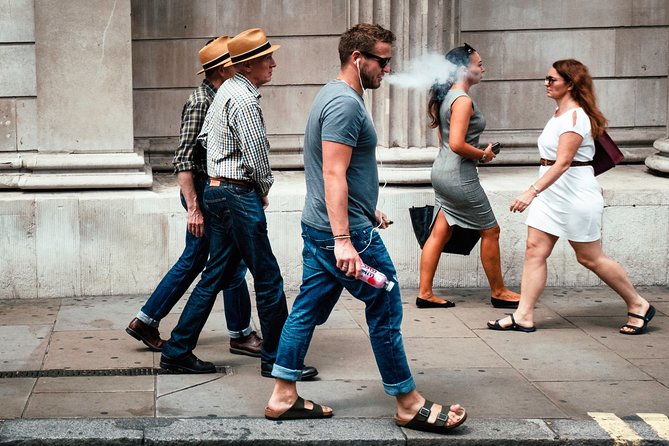
London looks different when you stop treating it as a list of landmarks and start using those landmarks as backdrops for real street scenes. On this three-hour workshop, Ed Fil leads you on foot around London Bridge, Borough Market, the City of London, and Tate Modern, showing you how to frame people, light, and architecture together.
I like the maximum group size of five, which gives the session a personal feel rather than turning it into a lecture. I also like the practical focus: you keep walking and shooting, and you finish with your pictures stored on a complimentary 16-GB SD card.
The main consideration is time. Three hours passes quickly, especially if you want both hands-on instruction and plenty of photographs. This is a focused workshop, not a broad London sightseeing tour, so you should come ready to work with your camera.
Key points before you book
- Small groups of no more than five: You get more direct help with camera settings, framing, and timing.
- A working London route: The workshop connects London Bridge, Borough Market, the City, Tower Bridge, and Tate Modern areas on foot.
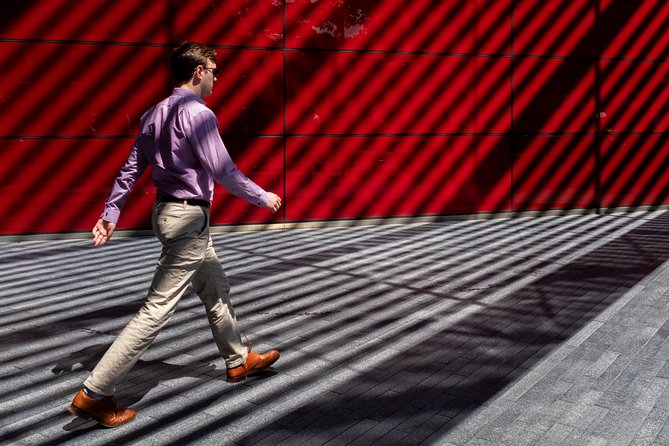
- Street and travel photography together: You learn to place people and city landmarks in the same frame.
- Suitable for different skill levels: Ed adjusts his guidance to your experience, from fairly new photographers to people with several years of street work.
- Practical instruction in real streets: You practice using a camera around moving people, changing light, and busy urban scenes.
- Your images go home with you: A complimentary 16-GB SD card is included.
What this London photography workshop is really about
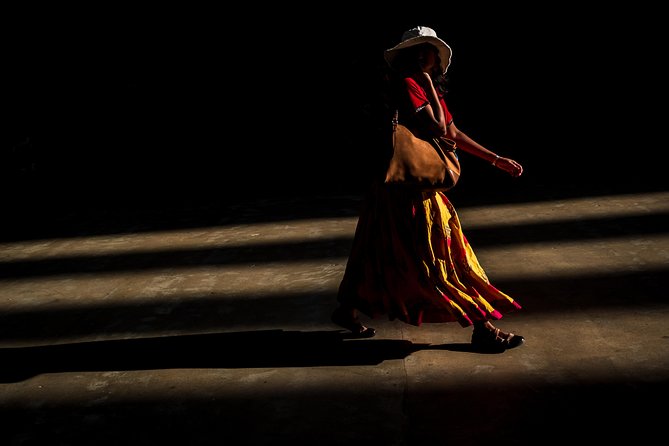
This is not a walking tour with a few photo stops added on. The point is to make you more confident using a camera in public, where subjects move, people pass quickly, and the light may change before you are ready.
Ed’s approach is practical. He shows you how to look for useful light, stronger compositions, and moments that say something about London. You are not simply asked to photograph Tower Bridge or the Thames head-on. Instead, you may work on placing an interesting person in the foreground while an iconic structure gives the image its sense of place.
That mix of street and travel photography is one of the strongest ideas in the workshop. A picture of a landmark alone can feel generic. Add the right person, gesture, colour, or bit of movement, and the image begins to feel tied to the city.
The session is also designed around your existing ability. If you are fairly new to photography, Ed can help you get comfortable and make sensible choices without burying you in technical jargon. If you already shoot street photography, the workshop can give you fresh ways to look at familiar subjects and locations.
More Workshops:
- London: Traditional English Scone Making and Tea Workshop
★ 5.0 · 702 reviews - London: East End Street Art Tour and Spray Painting Workshop
★ 4.8 · 297 reviews - London Traditional English Scone Making and Tea Workshop
★ 5.0 · 271 reviews
Starting at Science Gallery London
You meet at Science Gallery London on Great Maze Pond, in London SE1 9GU. The experience ends back at the same meeting point, which makes planning simpler, especially if you have another London activity later in the day.
From here, the workshop heads into the area around London Bridge and Borough Market. The exact sequence can vary with the group and the shooting conditions, but expect to spend the session on foot rather than sitting through a formal classroom presentation.
You should wear comfortable shoes and bring the camera you plan to use. The workshop is about using a camera in a busy street environment, so this is a good chance to learn with your own equipment and build habits you can repeat after the session.
The meeting point is near public transportation, and confirmation is provided when you book. Service animals are allowed, and most people can take part. Still, remember that the route is a walking workshop and the activity lasts about three hours.
London Bridge and Borough Market: people before postcards
London Bridge and Borough Market give you a useful first lesson in street photography. There is plenty to photograph, but the challenge is deciding what deserves your attention.
You might work on quick reactions, looking for small moments rather than waiting for a grand scene. A person passing beneath a sign, a strong patch of light, a colourful detail, or an unexpected relationship between foreground and background can all make a better photograph than a simple record of the market.
Borough Market is also a useful place to practice photographing the feel of a location. The goal is not to collect pictures of food stalls or crowds without thought. You are learning how to use layers, movement, and composition so that the final picture gives someone a sense of where you were.
Ed’s local knowledge adds value here. He takes you toward less obvious photo positions around Borough Market, London Bridge, Tower Bridge, and the City rather than sticking only to the standard tourist viewpoints. That does not mean the famous sights disappear. It means you use them in a less predictable way.
If you are shy about photographing in public, this part of the workshop may be especially useful. You can ask questions as situations arise, then try the technique immediately instead of waiting until later.
The City of London: finding order in a busy frame
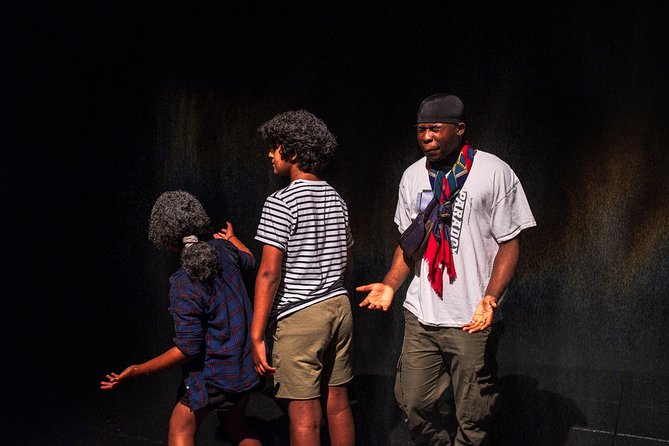
The City of London gives the workshop a different visual character. Here, you can work with architecture, streets, pedestrians, and changing lines.
A major part of street photography is learning to simplify a complicated scene. The City can give you too much at once. Ed’s role is to help you decide what belongs in the frame, where to stand, and when to press the shutter.
This is also where a more experienced photographer may get the most from the session. If you already understand basic exposure and composition, you can concentrate on timing and point of view. Ed has worked with people who have several years of street photography experience, so the instruction is not limited to first-time camera users.
He also uses examples of his own photographs to explain his choices. Seeing how an experienced photographer handles a scene can be more useful than hearing a list of rules. You can compare what you saw with what he noticed, then try another frame with a clearer purpose.
The workshop keeps moving, which is helpful if you prefer learning by doing. It also means you should not expect a long sit-down critique of every photograph. The emphasis is on shooting, adjusting, and shooting again while you are still in the setting.
A different sort of day out in London altogether:
- From London: Harry Potter Warner Bros Studio Tour
★ 4.7 · 26,588 reviews - London: Westminster to Greenwich River Thames Cruise
★ 4.5 · 22,836 reviews - Magical London: Harry Potter Guided Walking Tour
★ 4.7 · 22,044 reviews - London: Madame Tussauds London
★ 4.6 · 20,915 reviews
Tower Bridge and the art of the background
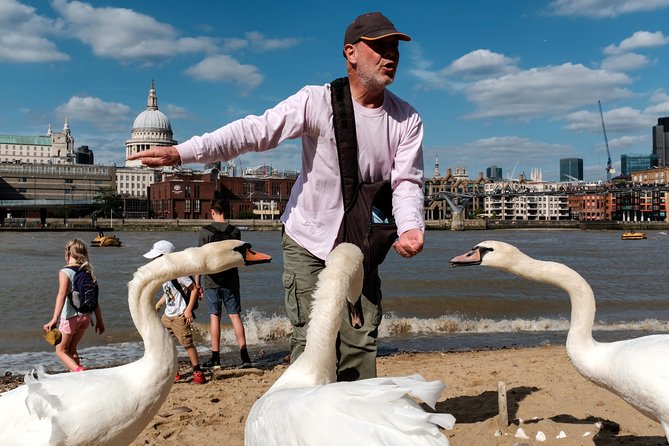
Tower Bridge gives you one of London’s most recognisable subjects, but a famous landmark is not automatically an interesting photograph. The useful lesson is how to make the bridge part of a larger scene.
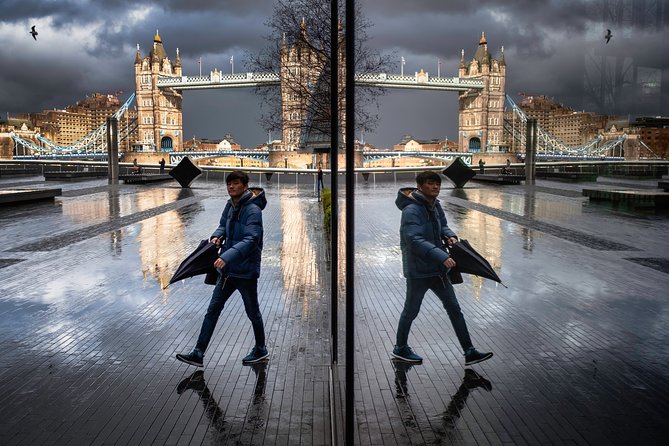
Try thinking of the bridge as a background rather than the entire subject. A person in the foreground can provide scale and human interest. A passing cyclist, a strong coat colour, or a brief gesture may turn a standard travel image into something more specific to the moment.
This is one of the workshop’s most practical ideas because you can use it in almost any city. Put an iconic building behind ordinary life, and the image can show both the place and its mood.
You also learn to watch for light and composition at the same time. The bridge may be in the right position, but the light may be flat. A person may enter the frame, but the composition may feel crowded. The workshop helps you make those quick decisions without freezing up.
There is no promise that every frame will work. That is part of the point. Street photography involves missed moments, awkward backgrounds, and photographs that looked better in your head. Three hours with a guide gives you a chance to test ideas quickly and learn from the results.
Tate Modern and the wider London view
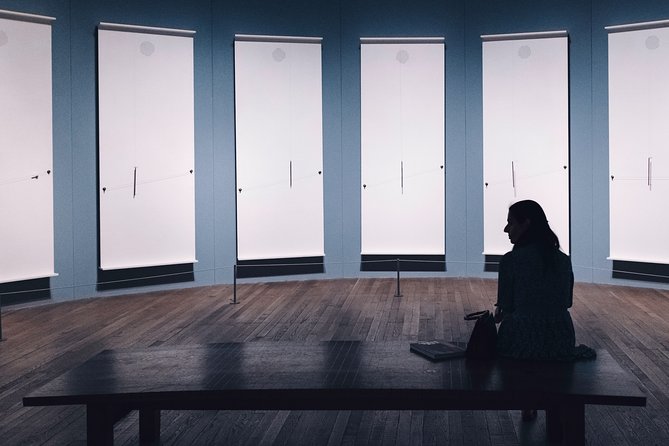
The area around Tate Modern adds another useful layer to the route. It connects major cultural architecture with open public space and city movement, giving you more chances to combine people, buildings, and the river setting.
You should not expect an indoor museum visit as part of the workshop. The activity is focused on photography outdoors around the area, and the value comes from working with the surroundings rather than touring Tate Modern’s galleries.
This part of the walk can help you loosen up if your first photographs were too careful. Street photography often improves when you stop waiting for a perfect scene and begin responding to what is already happening around you.
The route also gives you several ways to photograph London without making every image look like a postcard. You can include a recognisable structure in the frame while keeping the main interest on people, light, or a passing detail.
How Ed Fil teaches
Ed’s teaching style is calm and adaptable. He can meet you at your current level, which matters because a small group may include people with very different experience.
For a beginner, useful instruction may include how to handle the camera in a public setting, how to notice a workable composition, and how to become more assertive about taking a picture. For someone with more experience, the value may come from new shooting locations, alternate viewpoints, and a sharper way to combine street and travel photography.
He also shares photographs he has taken himself to explain what he sees. That gives you a concrete reference for discussions about light, composition, and the character of a scene.
The workshop keeps the balance between explanation and practice. You do not spend the full three hours listening to theory. You walk, stop, shoot, discuss, and move on. That pace suits people who learn best by trying something immediately.
With no more than five people, you should have a better chance to ask about your own photographs and camera choices. The small group also reduces the problem of waiting for a large crowd to catch up.
Is $123.45 a fair price?
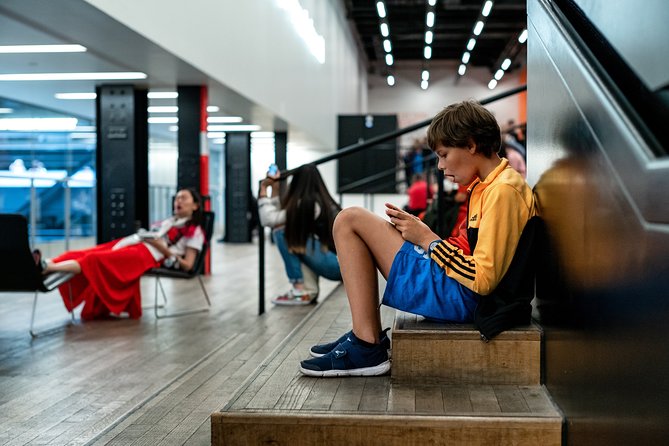
At $123.45 per person, this is not a cheap sightseeing walk. The price makes more sense if you want personal photography instruction rather than a general introduction to London.
You are paying for about three hours with a professional photographer, a small group capped at five, access to selected shooting areas, and a complimentary 16-GB SD card. The value is strongest if Ed helps you change how you photograph after the workshop, not simply if you return with a few attractive pictures.
A private lesson would normally offer more one-to-one attention, but this workshop keeps the group very small while giving you the energy of walking and shooting with others. If two or three people attend, you may get plenty of direct guidance. If the group reaches five, the experience will be less private, though still more personal than a large tour.
The price is easier to justify for photographers who plan to keep practicing in London or at home. The techniques are not tied only to the South Bank. Learning to use a landmark as a background, spot better light, and react to people can improve your photography in many places.
What to bring and how to prepare
Bring the camera you want to learn to use. The workshop is built around camera practice, and you will get more from it if you know how to switch it on, change basic settings, and review an image.
A charged battery is sensible, though no specific equipment list is provided. Wear shoes suitable for walking and dress for London’s weather. You should also leave room in your schedule, since the activity ends back at Science Gallery London but still takes about three hours.
It helps to arrive with one simple goal. You might want to improve composition, become more comfortable photographing people, or learn how to include landmarks without making ordinary postcard images. A clear goal gives Ed something specific to work on with you.
The workshop is offered in English. It is available by mobile ticket, and confirmation arrives at booking.
Who will get the most from this workshop?
This experience suits you if you already have a camera and want to make better street photographs in real conditions. It is especially useful if you know the basic controls but hesitate when people, movement, and public spaces become part of the picture.
It also works for experienced street photographers who want a fresh view of London. Ed’s routes and perspective can take you to places you might not choose on your own, and his examples may prompt you to try a different approach.
It is less suitable if you want a relaxed sightseeing tour with little instruction. You will be walking, stopping to photograph, and thinking about technique. It may also feel too short if you want a full portfolio review or a detailed lesson in every camera setting.
The activity is capped at five people, most people can participate, and service animals are allowed. If you need specific assistance beyond that information, ask before booking.
Cancellation and booking details
You can cancel for a full refund up to 24 hours before the scheduled start time. Changes or cancellations made less than 24 hours before the start are not accepted for a refund, and the cut-off uses London local time.
The experience is often booked about 24 days ahead, so it is sensible to reserve early if your London dates are fixed. The start and finish point is Science Gallery London, Great Maze Pond, London SE1 9GU.
Should you book the London Street Photo workshop?
Book it if you want to return from London with more than standard landmark pictures. The best reason to go is the practical coaching, especially the lesson of placing real people and city life in front of recognisable London architecture.
The small group and Ed Fil’s flexible teaching make this a good match for both fairly new photographers and people who already shoot street scenes. The $123.45 cost is reasonable if you value personal instruction and plan to use the ideas again.
Skip it if you want a passive tour, dislike walking with a camera, or mainly want someone to show you famous sights without asking you to practice. For everyone else, this is a focused way to see London through a camera and become more confident about making pictures in public.
FAQ
How long does the London Street Photo workshop last?
The workshop lasts approximately three hours.
Where does the workshop start?
It starts at Science Gallery London, Great Maze Pond, London SE1 9GU, UK.
Where does the workshop finish?
The activity ends back at the meeting point at Science Gallery London.
What areas does the workshop cover?
The workshop explores areas around London Bridge, Borough Market, the City of London, Tower Bridge, and Tate Modern.
How many people can join the workshop?
The workshop has a maximum of five participants.
Is the workshop suitable for beginners?
Yes. The instruction is adapted to your skill level, and the workshop is designed to improve existing photography skills while helping you become more confident with street photography.
What is included with the experience?
You receive a complimentary 16-GB SD card for taking your pictures home. The workshop is offered in English and uses a mobile ticket.
Just added around London
- Up at The O2:Twilight Climb with Guided Tour with Panoramic Views★ 5.0 · 50 reviews
- Private Chauffeur-London Heathrow from/to Southampton Cruise Port★ 5.0 · 9 reviews
- Kensington Palace VIP Garden Tour with Royal High Tea★ 4.5 · 71 reviews
- Secrets of the London Underground Small Group Walking Tour★ 4.5 · 38 reviews
- Urban Canvas: Exploring Shoreditch’s Vibrant Street Art★ 5.0 · 36 reviews
- Up at The O2: Sunset Climb with Guided Tour with Panoramic Views★ 5.0 · 110 reviews
- Ultimate introduction to photography in Central London★ 5.0 · 19 reviews
- Full-Day Self-Guided Paris Tour from London by Eurostar with Seine River Cruise★ 3.5 · 22 reviews
Workshops, compared.

Traditional English Scone Making and Tea Workshop
Read our review →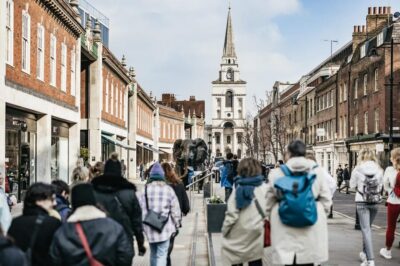
East End Street Art Tour and Spray Painting Workshop
Read our review →London Traditional English Scone Making and Tea Workshop
Read our review →

Street Art Tour and Spray Painting Workshop in London
Read our review →

Browse the lists this tour appears in