
Reviewed · BUCKINGHAM PALACE AND CHANGING OF THE GUARD
London: Household Cavalry Museum Entry Ticket
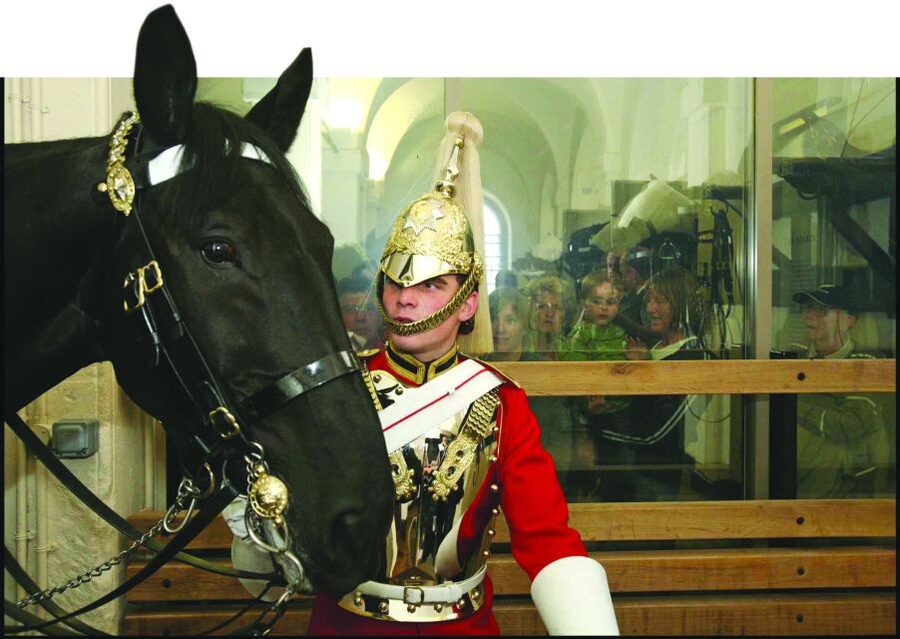
The most unusual part of this museum is not behind glass. Through a large glazed partition, you can watch the working Household Cavalry stables, where troopers and horses still carry out their daily duties. You are looking at an active military workplace, not only a display about the past.
I like the personal accounts from troopers, which put a human face on the demanding training. I also like the chance to explore a building dating from 1750, still used as the headquarters of the Household Division. The main drawback is size: at $14, this is good value for an hour, but it may feel too small if you expect a full-scale military museum or a long horse show.
Key points to know
- Working stables behind glass: See the Household Cavalry horses and troopers in the original 18th-century stable area.
- A 1750 military setting: The museum occupies Horse Guards in Whitehall, a building still tied to active ceremonial duties.
- Personal training stories: First-hand accounts explain the discipline and hard work behind the uniforms.
- Rare objects on display: Some historic items have been made available to the public for the first time.
- Self-guided central London visit: There is no tour guide, and you should allow at least 60 minutes.
- Best for military and family interests: The museum works especially well for anyone curious about British Army traditions, uniforms, horses, and royal guards.
What the Household Cavalry Museum actually offers
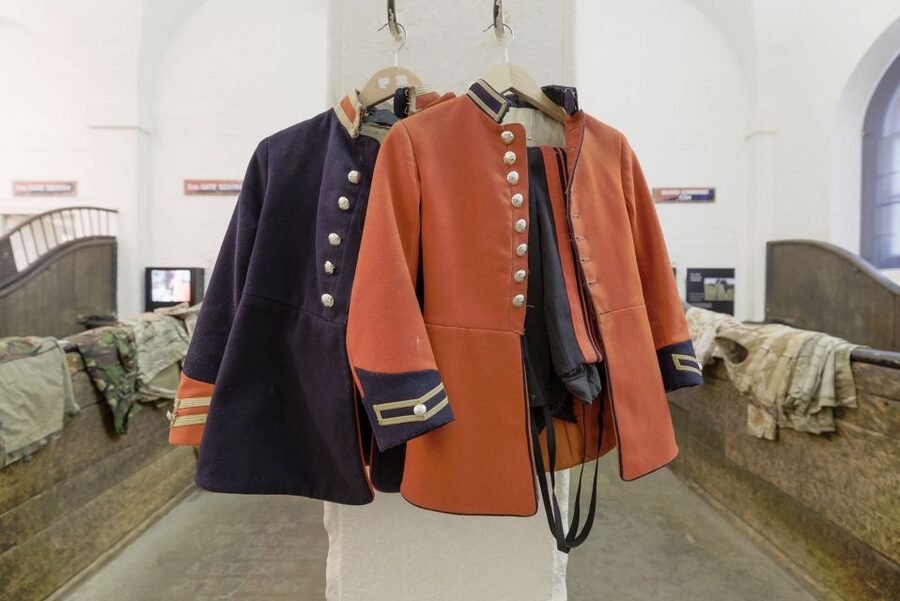
The Household Cavalry Museum gives you a close look at two senior British Army regiments: The Life Guards and the Blues and Royals. Both belong to the Household Cavalry, the mounted soldiers associated with royal ceremonial duties and the Queen’s Life Guard.
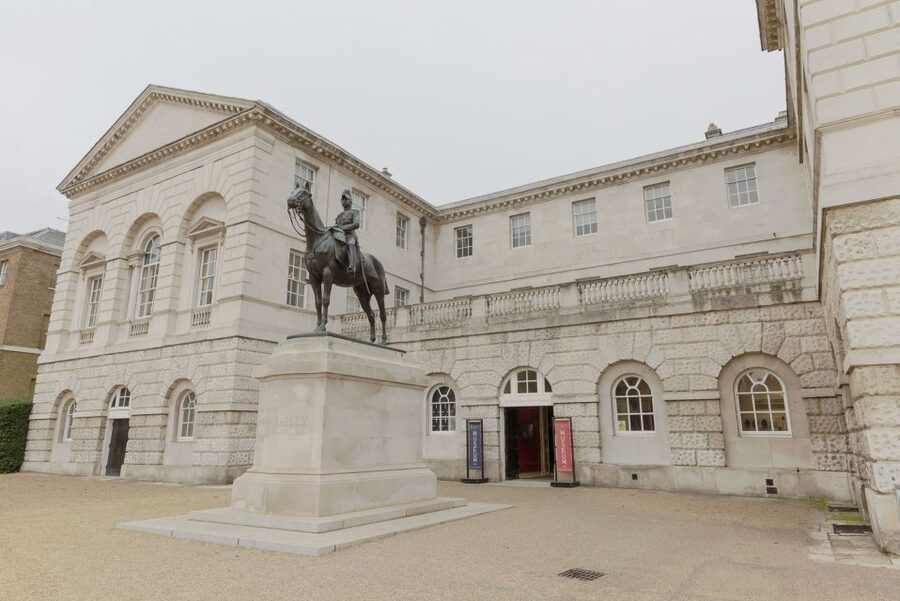
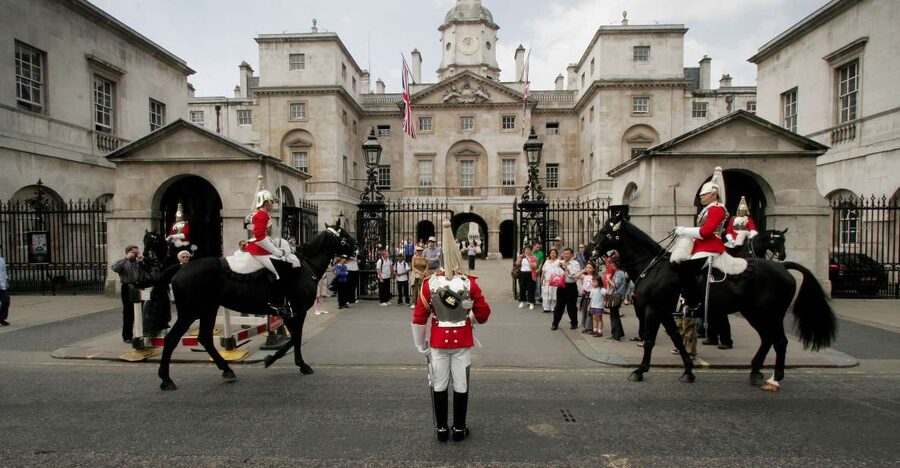
You enter at Horse Guards in Whitehall, central London. The setting matters. This is not a museum placed in a modern visitor center. It occupies a historic building dating from 1750, and the Household Cavalry continues to use the site as the headquarters of the Household Division.
That gives the visit a useful sense of place. You are not simply reading about old uniforms and formal parades. The building remains connected to the work described inside it.
The ticket is valid for one day, so you can fit the museum around other central London plans. A booking does not require a specific visiting slot, according to the practical information available for this experience. That gives you room to visit during the day you choose rather than arranging your whole schedule around a timed entry.
More Buckingham Palace and Changing of the Guard:
- Buckingham Palace: The State Rooms Entrance Ticket
★ 4.6 · 7,395 reviews - London: Buckingham Palace & Changing of the Guard Experience
★ 4.3 · 2,971 reviews - London Sightseeing Tour: Guard Change with Tower of London Option
★ 4.5 · 2,672 reviews
Looking into the original 18th-century stables
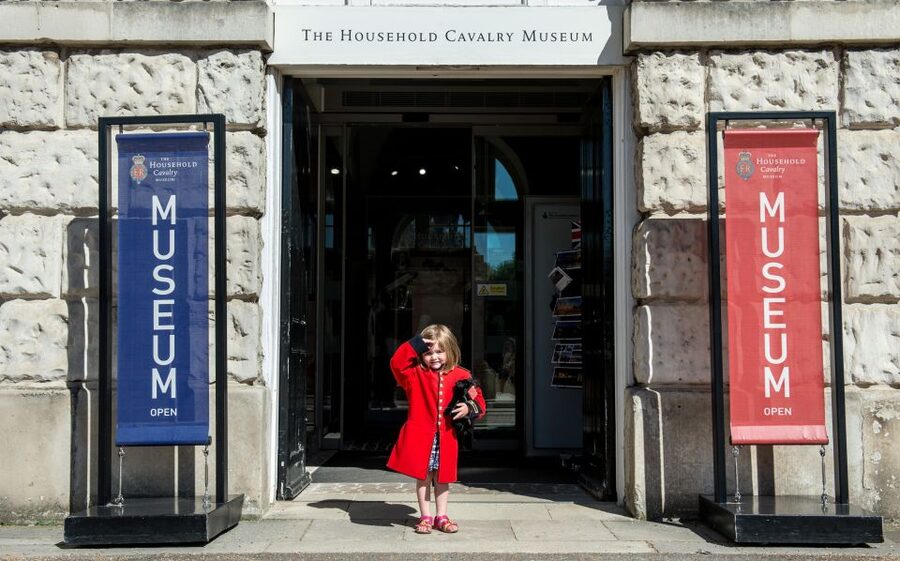
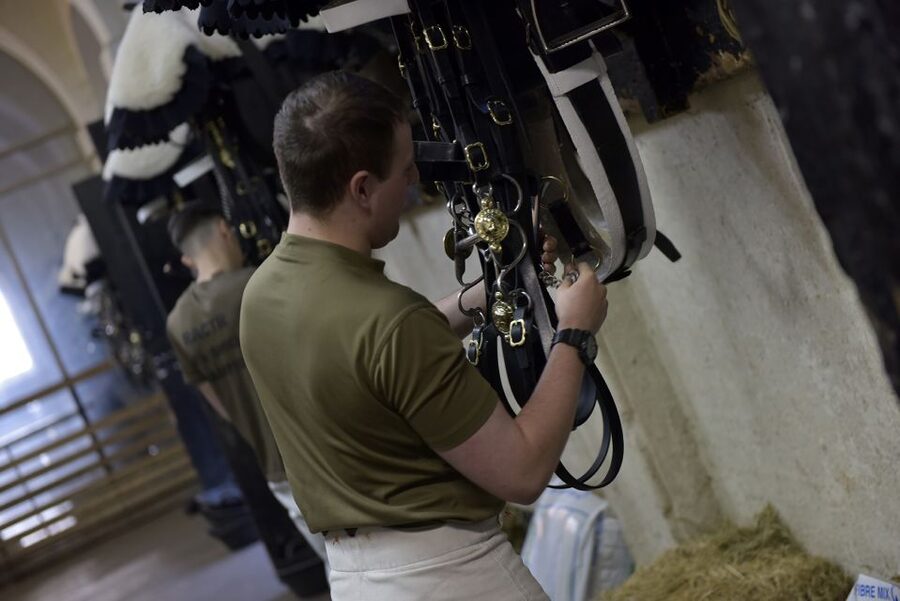
The working stable area is the main reason to choose this museum over a standard military collection. A large glazed partition lets you look into the original 18th-century stables and see the horses and troopers at work.
You should set your expectations correctly. This is a chance to observe the working Household Cavalry, not a scheduled riding performance or a hands-on horse activity. You will not be joining a stable tour with a guide, and there is no promise that a dramatic event will take place during your visit.
Still, the view is special because the stables are active. The horses are part of the Household Cavalry’s present-day duties, while the building and traditions reach back centuries. That mix of daily routine and military ceremony is the museum’s strongest feature.
I would make the stable area the first thing you look for when you arrive. If the horses are visible and activity is taking place, take your time. The museum itself can be read at your own pace, but the working area may look different from one visit to the next.
The stable view also helps families. Children who might lose interest in labels and uniforms have something real to watch. Adults can use the horses as a starting point for understanding why the Household Cavalry still needs specialized training and facilities.
Personal stories behind the uniforms
A uniform can look impressive while telling you very little about the person wearing it. The museum addresses that problem with personal stories and first-hand accounts from troopers.
These accounts explain the rigorous training required for Household Cavalry service. They help connect the polished public image of the guards with the discipline and effort behind it. You get a clearer idea that ceremonial duty depends on repeated practice, physical control, and careful preparation.
I appreciate this human element because it keeps the museum from becoming a room of costumes and military objects. The troopers’ experiences give context to the equipment, uniforms, and duties on display.
The stories also suit visitors with different levels of interest. If you already know British military history, they add personal detail. If the subject is new to you, they provide a simple way into the topic without requiring prior knowledge.
There is no tour guide included, so you will be reading and listening to the material independently. The visit is in English. If you want a live explanation in another language, this may not be the right choice for you.
Rare objects and interactive displays
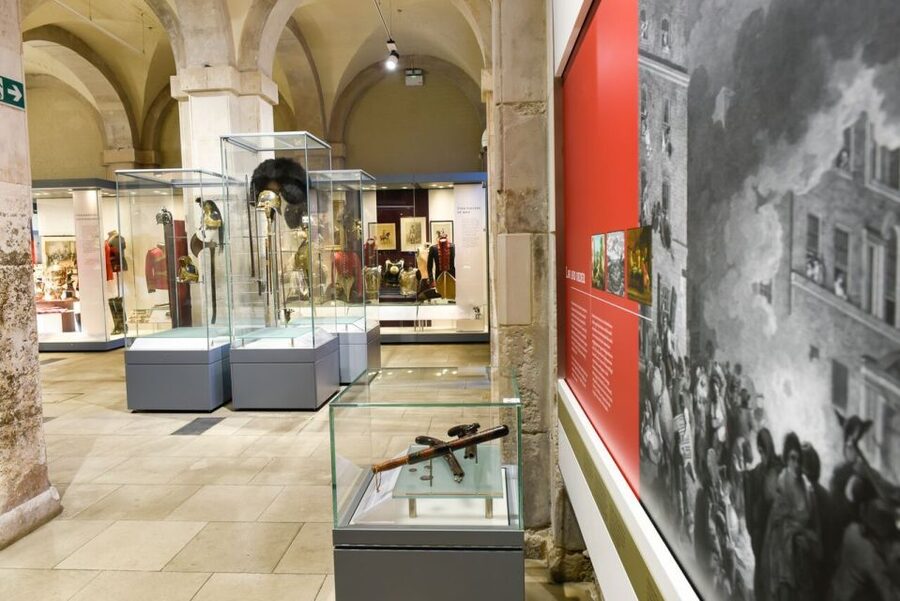
Inside the museum, you will find historic artifacts, including rare objects that have not normally been available for public viewing. The collection helps explain the work of the Household Cavalry and the wider British Army.
The interactive displays are useful because they break up the reading. You can move between objects, personal accounts, and information about the building. The mix gives the visit more variety than a simple corridor of cases.
The subject is broad enough to include military history, royal ceremonial duties, uniforms, horses, and the organization of the Household Division. You will learn about The Life Guards and the Blues and Royals, the two senior regiments connected with the experience.
The museum’s size is important here. One review described it as too small, while other feedback praised its unique collection and good value. Both points can be true. The objects are unusual, but there are not enough of them to fill half a day.
I would plan on about 60 minutes, which is also the minimum time suggested for the visit. If you read every panel carefully and spend time watching the stables, you may want longer. If you move quickly, you could finish sooner.
More British Museum Tours:
- Tower of London and Crown Jewels Exhibition Ticket
★ 4.5 · 6,677 reviews - London: Chelsea Football Club Stadium and Museum Tour
★ 4.8 · 4,576 reviews - Chelsea FC Stadium Tours and Museum
★ 5.0 · 1,908 reviews - London: British Museum Guided Tour
★ 4.3 · 1,182 reviews
Why the 1750 building adds value
The building is part of the story. Dating from 1750, Horse Guards is not merely a backdrop for the museum. It remains linked to the Household Division and its duties.
That connection makes the visit feel more direct than a collection moved into a neutral gallery. The rooms, stable area, and military use of the site help you picture how the Household Cavalry’s public role and private work fit together.
The Household Cavalry has performed the Queen’s Life Guard for more than 350 years. That long span gives the museum a useful focus: it shows how military traditions can survive by adapting to current duties.
You should not expect a complete history of every conflict involving the British Army. The emphasis here is narrower. The museum concentrates on the Household Cavalry, its regiments, its horses, its troopers, and its ceremonial role.
That focus is a strength if you want a compact visit with a clear subject. It is less suitable if you are looking for a large military museum covering weapons, battles, and campaigns from across British history.
How long to stay and how to plan the visit
Allow at least 60 minutes. That gives you enough time to inspect the displays, hear the troopers’ accounts, and look through the glazed partition into the stables without rushing.
The ticket is valid for one day, and the booking information indicates that you can visit freely during the selected day rather than choosing a narrow time slot. This is handy if you are combining the museum with other Whitehall sights.
You meet directly at the Household Cavalry Museum. There is no included guide, so you can set your own pace. I like that freedom for a small museum because you can spend extra time with the stable view and pass quickly through displays that do not interest you.
The museum is wheelchair accessible. Pets are not allowed, although assistance dogs are permitted. These details are worth checking before you set out, especially if you are planning a full day in central London.
Because there is no guided tour, do not arrive expecting a formal presentation or someone to lead you through the collection. The attraction works best as a short, self-guided stop.
Is $14 good value?
At $14 per person, the Household Cavalry Museum offers fair value if you care about military history, royal guards, horses, or unusual London buildings. The price is easier to justify because the ticket includes access to a working stable area, not just a collection of old objects.
The value depends on how you use the visit. If you spend only 20 minutes looking around, the museum may feel expensive for its size. If you allow an hour, read the personal accounts, study the rare objects, and watch activity in the stables, the cost feels more reasonable.
This is not a large attraction with a full-day program. One visitor found it too small and felt it did not deliver enough of a stable experience. That criticism is useful. The phrase Household Cavalry may suggest a major horse-centered attraction, but the experience is primarily a museum visit with a view into working stables.
On the other hand, the compact format is an advantage if your London schedule is crowded. You can learn something specific without giving up half a day. The museum fits neatly between other Whitehall sights, provided you allow at least an hour.
The cancellation terms also reduce the risk of booking ahead. You can cancel up to 24 hours in advance for a full refund, and the reserve-now, pay-later option lets you keep your plans flexible.
Who will enjoy this museum most?
I would recommend it first to anyone with a real interest in British military history. The material about The Life Guards, the Blues and Royals, and the wider Household Division gives the visit a clear purpose.
It is also a good family stop, especially for children who like horses or soldiers. The working stable view gives younger visitors something immediate to watch, while the interactive displays add movement to the museum experience.
The museum suits people who enjoy historic buildings as much as collections. Horse Guards dates from 1750, and its continuing military role gives the visit more atmosphere than a standard indoor exhibition.
You may want to skip it if you are looking for a large attraction, an extended horse show, or a guided tour in another language. There is no tour guide included, and the visit is in English.
It is also not the best choice if you want guaranteed close contact with horses. You look into the stables through a large glazed partition. That provides a safe view into active work, but it is not a petting experience or stable-handling session.
My practical way to visit
I would plan the museum as a focused one-hour stop rather than the main event of your London day. Arrive with enough time to explore without watching the clock, then give the working stable area your full attention.
Start with the historic setting and the museum displays. Use the personal accounts to understand the demands placed on the troopers. Then return to the glazed partition and watch the stable activity with that context in mind.
If you are visiting with children, explain that the horses are working animals and that the stable view is part of an active military site. The experience becomes more interesting when you connect the horses to the training and duties described inside.
If you are visiting alone or with a partner, take time with the rare objects. Their value is not only their age. They help show how the Household Cavalry’s public image was built and maintained.
The museum does not need a complicated plan. Its best qualities are direct access to a working setting, a clear subject, and a central location. Just keep its modest size in mind.
Should you book the Household Cavalry Museum?
Book it if you want a compact, unusual London museum with working horses, military stories, and a historic building still tied to the Household Division. At $14, it is a sensible choice for families and anyone interested in British Army traditions.
Skip it if you expect a large stable complex, a full guided tour, or several hours of entertainment. The museum is small, and the stable view is observational rather than interactive.
For most visitors, the best reason to go is the combination of past and present. You see rare historical objects and hear about centuries of service, then look through the glass at troopers and horses still carrying out their work. That connection gives this short visit its real value.
FAQ
Where is the Household Cavalry Museum?
The museum is at Horse Guards in Whitehall, central London, in South East England.
How long should I allow for the visit?
You should allow at least 60 minutes.
Is a tour guide included?
No. The ticket provides museum entry, but no tour guide is included.
Can I see the Household Cavalry horses?
Yes. A large glazed partition provides a view into the original 18th-century working stables, where you may see troopers and horses.
Is the museum wheelchair accessible?
Yes, the experience is wheelchair accessible.
Are pets allowed?
Pets are not allowed. Assistance dogs are permitted.
Just added around London
- London: “Queen” Highlights Walking Tour★ 4.3 · 48 reviews
- Couple’s photo: Romantic photoshoot in London★ 4.8 · 22 reviews
- London: Private Tour with Locals – Highlights & Hidden Gems★ 5.0 · 8 reviews
- Luxury Private Tour in London with Lunch★ 5.0 · 7 reviews
- London 1- or 2-Hour Professional Photo Shoot★ 4.9 · 6 reviews
- London: Private Black Cab Night Tour with Hotel Pick Up★ 5.0 · 11 reviews
- London: Christmas Lights Tour – With Christmas Music★ 4.8 · 9 reviews
- London: Buckingham Palace & Big Ben & Abbey Private Tour★ 5.0 · 7 reviews
Buckingham Palace and Changing of the Guard, compared.
Buckingham Palace: The State Rooms Entrance Ticket
Read our review →
Buckingham Palace & Changing of the Guard Experience
Read our review →
London Sightseeing Tour: Guard Change with Tower of London Option
Read our review →
Westminster Abbey, Big Ben & Buckingham Guided Tour
Read our review →
Changing of the Guard Guided Walking Tour in London
Read our review →
Buckingham Palace: The Royal Mews Entrance Ticket
Read our review →Browse the lists this tour appears in