
Reviewed · JACK THE RIPPER TOURS
Jack the Ripper: Night Murder Mystery Walking Tour in London
Jack the Ripper’s crimes are still wrapped in clues, disputed names, and dark corners. This night walking tour through Whitechapel turns that famous mystery into a chronological route through Brick Lane, Princelet Street, Gunthorpe Street, Goulston Street, and other locations tied to the case.
I like two things here. First, the route gives the victims more attention than the killer, placing Annie Chapman, Martha Tabram, Catherine Eddowes, and the other women within the hard facts of Victorian poverty. Second, guides such as Tyson, Kory, Hadi, and Dougal add extra London history and competing theories rather than simply reciting dates.
The trade-off is simple: this is a serious walk, not a pub crawl or a seated show. You will spend about two and a half hours outdoors, and one past participant found parts of the commentary difficult to hear when the guide looked away from the group.
Key points before you book
- Seven Whitechapel stops: The route covers Brick Lane, Princelet Street, Puma Court, the Ten Bells, Gunthorpe Street, Goulston Street, and St Botolph without Aldgate.
- A chronological murder story: The guide links locations and events in sequence, which makes the case easier to follow.
- Victims receive real attention: The tour looks at the women’s lives, working conditions, and vulnerability, not only the identity of Jack the Ripper.
- Night adds atmosphere: Narrow streets, low light, and cool weather can make the setting feel closer to the period, though rain and poor hearing can make the walk harder.
- Interactive mystery element: You visit crime locations, consider evidence, and weigh theories about the killer.
- Good value for walkers: At $22.93 per person, the tour offers two and a half hours of guiding in a central London district, with group discounts available.
Why this Whitechapel night walk works
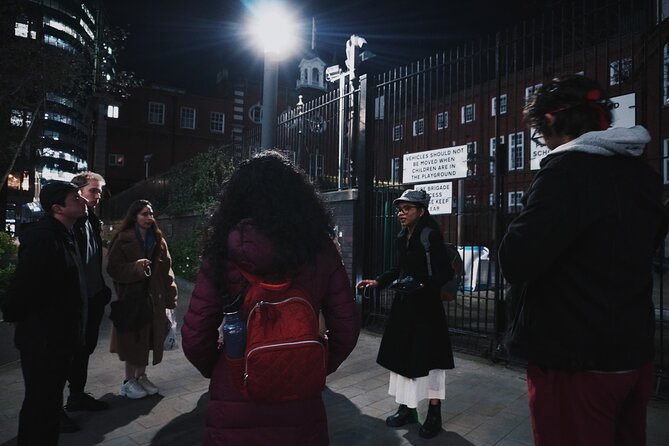
The best part of this experience is its route. You are not simply shown a collection of old buildings while a guide repeats a familiar legend. You move through the district in the order of the murders and clues, so the story gains shape as the evening goes on.
That order matters. Jack the Ripper is often reduced to a list of victims, dates, and grisly details. Here, the route connects those events to the streets where women lived, worked, sought shelter, and moved through Victorian London. The guide also places the murders beside poverty, overcrowding, and the lack of protection available to vulnerable women.
The interactive approach should suit you if you enjoy true crime, local history, or historical puzzles. You will hear established facts, disputed evidence, and theories about who Jack the Ripper may have been. The aim is not to hand you a neat answer. The mystery remains open, and the guide encourages you to think through the clues.
The tone also matters. This subject can easily become tasteless. The strongest guides, including Hadi and Dougal, have handled it with care, giving the women a human place in the story instead of treating their deaths as entertainment. There is room for humor and suspense, but the better moments come when the guide explains the circumstances of the period.
More Jack the Ripper Tours:
- London: The Original Jack the Ripper Walking Tour
★ 4.7 · 7,833 reviews - London Jack the Ripper Guided Tour with Ripper-Vision
★ 4.5 · 4,840 reviews - London: Jack the Ripper Small Group Tour
★ 4.7 · 3,159 reviews
Starting at St Mary’s Whitechapel Church
The meeting point is St Marys Whitechapel Church Memorial on an unnamed road in London E1 1FE. Arrive ready to walk and listen from the first stop, since the group moves through public streets rather than gathering in a private museum or exhibit.
The group can include up to 25 people. That is large enough to create some energy, but small enough for a guide to keep track of the party at street corners and narrow passages. Several guides have been praised for waiting briefly when people were delayed by Tube closures and for making sure nobody was left behind.
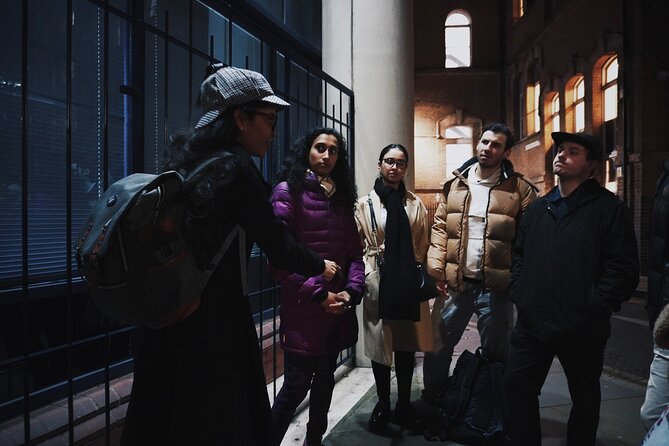
Your guide may be Tyson, Kory, Korhan, Hadi, Lisa, Anahita, Dougal, or another member of the team. The exact guide is not guaranteed, but the experience depends heavily on that person’s delivery. Guides have added old news reports, neighborhood photographs, building details, and personal theories about the case. Kory, in particular, has been noted for extra London history and a strong view on the killer’s identity.
Brick Lane and the poverty behind the crimes
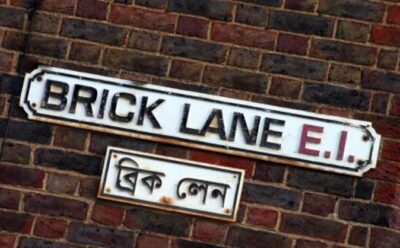
The first stop is Brick Lane, now one of East London’s best-known cultural streets. The tour looks past its present-day character and focuses on its role in Victorian slum life.
This is an important opening because it gives you social context before the murder details begin. The guide explains poverty, overcrowding, and desperation, helping you understand why women could be exposed to danger and why authorities struggled to protect them.
You may find this part more valuable than a simple crime-scene visit. The case did not happen in isolation. It unfolded in a district where poor housing, insecure work, and limited choices shaped daily life.
The stop lasts about 17 minutes, though the full route takes longer because of the walking between locations. Keep your attention on the guide rather than expecting a formal attraction or indoor display. Admission to this stop is free because the tour uses public streets.
Princelet Street and the lives behind the names
Princelet Street is narrow and quiet, with a feel very different from the busier parts of East London. Here, the guide discusses the Ripper’s connection to the area and the living conditions faced by women such as Annie Chapman.
The strength of this stop is its focus on life before the murders. Annie Chapman was not merely a name in a case file. Her story helps the guide discuss the limited choices available to women in Victorian London and the harsh conditions that could push people into unstable work and housing.
I would pay close attention here to the neighborhood details. Several guides have brought the period to life by discussing buildings, newspaper accounts, and the way the district functioned. These additions make the walk useful even if you already know the basic Ripper story.
More London Walking Tours:
- Magical London: Harry Potter Guided Walking Tour
★ 4.7 · 22,044 reviews - Tour for Muggles The Ultimate Harry Potter Walking Tour in London
★ 5.0 · 4,684 reviews - London Jack The Ripper Guided Walking Tour
★ 5.0 · 3,131 reviews - London: Harry Potter Movies Walking Tour (Kids Go Free)
★ 4.7 · 3,071 reviews
Puma Court and the power of a narrow passage
Puma Court has changed very little since the 19th century, according to the tour description. That makes it one of the more atmospheric points on the route.
A narrow passage can say a great deal without any theatrical effects. The guide explains how easily someone could disappear into shadows and why the old street pattern matters when you picture the case. You will not get a staged crime scene, but the physical setting gives the story a stronger sense of place.
This is also where the nighttime schedule earns its keep. In daylight, the street would still be historically interesting. After dark, the limited light and enclosed space can help you imagine how confusing the area might have felt to someone moving through it alone.
The drawback is practical. Narrow streets can make it harder for everyone to stand in a good listening position. Stay near the guide and avoid drifting toward the back of the group.
The Ten Bells and the pub’s connection to the case
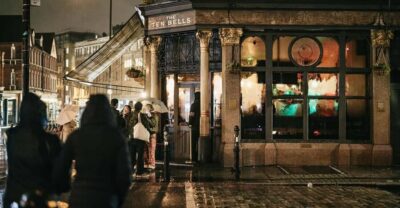
The Ten Bells is one of the most famous names linked with the Whitechapel murders. The tour stops outside the pub to discuss the women believed to have visited it shortly before their deaths and to examine why the building remains tied to the case.
This is a strong storytelling location because it links ordinary social life with the later crimes. The pub was part of the neighborhood, not a spooky set built for tourists. The guide uses it to discuss the final hours of victims and the way later generations attached meaning to a surviving building.
Do not assume that this stop includes a drink, a reserved table, or a long indoor break. The experience is a walking tour, and the Ten Bells section is presented as an outdoor story stop. The wider description says the tour wraps up at the pub, while the listed endpoint is Mitre Square, so treat the Ten Bells as a major stop rather than a guaranteed pub visit.
Gunthorpe Street and Martha Tabram’s disputed place
Gunthorpe Street is described as the place where Martha Tabram was brutally murdered. Her death may have been the Ripper’s first, but experts do not all agree that she belongs on the official victim list.
That uncertainty is one of the more interesting parts of the tour. You get to see how historical cases are built from incomplete records rather than perfect evidence. The guide examines the clues and explains why some people include Tabram while others separate her case from the canonical murders.
This stop also shows why the interactive format works. Instead of treating the case as settled, the guide lets you consider the evidence and the competing interpretations. If you enjoy mystery, you will likely find this more engaging than a fixed script with one final answer.
Goulston Street, the apron, and the chalk message
Goulston Street brings one of the case’s most famous clues into the story. A bloody piece of apron belonging to Catherine Eddowes was found here, and a chalk message nearby created controversy that still fuels theories.
The guide explains what the clue suggested, why the message became important, and how questions about the evidence fed later speculation. This is the point where the evening moves beyond crime locations and into the problem of interpreting evidence.
A good guide will separate what is known from what is guessed. Tyson and other guides have been praised for presenting events in order and explaining which claims are supported by records. That approach helps you keep the dramatic theories in their proper place.
Because this is a public street, modern surroundings will remain visible. That is not a flaw, but it does mean you should expect a historical explanation in a living city, not a preserved 1888 set.
St Botolph without Aldgate and a pause for perspective
St Botolph without Aldgate was known as a place where vulnerable women could seek refuge. The church provides a natural pause in the route, allowing the guide to discuss the social failures that left the women exposed.
This may be the most important stop for anyone who wants more than a murder mystery. The tour asks you to think about the structures around the crimes: poverty, insecure housing, limited support, and the lack of safety available to women living on the margins.
The guides who handle this well use compassion rather than shock. Hadi has been praised for treating the subject with care and placing each event in historical context. That tone can make a major difference, especially if you are uncomfortable with graphic true crime storytelling.
There is no indication of a scheduled seated break here. You will pause in the street, listen, and continue on foot.
Ending near Mitre Square
The route ends at Mitre Square, London EC3A 5DE. The tour information identifies this as the place where Mary Jane Kelly met her end, though the exact historical details surrounding the victims and locations are part of the broader debate the guide explores.
The endpoint gives the evening a clear finish. You have moved from the social setting of Brick Lane through the crime locations and clues, then reached the final area with the case still unresolved.
Think about your onward plans before you start. The tour ends in the City of London rather than returning you to the meeting point. The booking information also says the end point is Mitre Square, so do not rely only on the general phrase about finishing at the Ten Bells.
Guides, group size, and sound quality
The guides are a major reason this experience has earned a 4.9 rating from 80 reviews, with 99 percent of participants recommending it. The most praised qualities are clear storytelling, command of the facts, attention to the group, and an ability to add London history beyond the murders.
Tyson has been described as funny and upbeat, even in heavy rain. Kory and Korey have been praised for detailed knowledge, old neighborhood images, and compelling theories. Dougal has been singled out for creating a vivid picture of 19th-century London, while Hadi has been praised for a calm and respectful style.
You should still manage your expectations. One person found parts of the commentary hard to hear when the guide looked away. A group of up to 25 can also spread out on narrow streets. Stand close enough to see the guide and ask for repetition if you miss a point.
The tour is offered in English. Confirmation arrives at booking, service animals are allowed, and most people can take part. The main physical requirement is steady walking outdoors for about two and a half hours.
Price, timing, and practical value
At $22.93 per person, this is a modestly priced London activity. You are paying for an English-language guide, a structured route, and about 150 minutes of stories and historical explanation. The public locations do not charge admission, but the value lies in the guide’s research and ability to connect them.
The price is especially fair if you enjoy walking tours and would otherwise explore Whitechapel without knowing which streets matter. The route gives you a reason to notice older buildings, passages, churches, and street layouts that you might otherwise pass without a second glance.
The tour is often booked about 33 days in advance, which suggests you should plan ahead if your London dates are fixed. Group discounts are available, and mobile tickets make the booking easy to carry on your phone.
Dress for the forecast. A chilly night or heavy rain can change the experience quickly, and there are no regular indoor stops listed. Comfortable shoes matter more than anything else. You will have limited chances to sit until the end.
Who should book this tour?
I would choose this for anyone interested in dark history, Victorian London, true crime, or unsolved mysteries. It is also a good choice if you want to see an East London district that may not appear on your usual sightseeing route.
You will get the most from it if you like listening, asking questions, and weighing evidence. The tour is not ideal if you want a quiet evening, a museum exhibit, or a short stroll with frequent café breaks.
It also suits repeat visitors to London. The route gives you local stories and street-level context rather than another pass by the city’s major landmarks. Families with older children may find it interesting, but the subject involves murder and vulnerable women, so use your judgment.
Should you book the Jack the Ripper night tour?
Book it if you want a well-priced, atmospheric walk that treats the case as both a mystery and a social history lesson. The strongest feature is the balance between crime clues and the lives of the women involved, supported by guides who add facts, photographs, theories, and wider London context.
Skip it if you dislike grim subject matter, long outdoor walks, or standing in public streets while listening. Also check the endpoint before booking, since the route begins near Whitechapel and ends at Mitre Square.
For most fans of historical mysteries, this is a worthwhile evening activity. Bring comfortable shoes, arrive ready to stay close to the guide, and expect the case to remain unresolved when you reach the end.
FAQ
How long is the Jack the Ripper night walking tour?
The tour lasts approximately 2 hours and 30 minutes.
Where does the tour begin?
It begins at St Marys Whitechapel Church Memorial, on an unnamed road in London E1 1FE, UK.
Where does the tour end?
The listed endpoint is Mitre Square, London EC3A 5DE.
Which places are included on the route?
The route includes Brick Lane, Princelet Street, Puma Court, the Ten Bells, Gunthorpe Street, Goulston Street, and St Botolph without Aldgate.
Is the tour offered in English?
Yes. The tour is offered in English.
What is the cancellation policy?
You can cancel up to 24 hours before the start time for a full refund. Cancellations or changes made less than 24 hours before the start time are not accepted and are not refunded.
More Evening Experiences
- London: London by Night Sightseeing Open-Top Bus Tour
★ 4.5 · 5,516 reviews - London: River Thames Evening Cruise with Bubbly and Canapés
★ 4.4 · 2,493 reviews - London by Night Bus Tour with Christmas Lights and Live Guide
★ 4.5 · 2,040 reviews - London: Jack the Ripper Evening Walking Tour
★ 4.9 · 1,449 reviews
Just added around London
- Up at The O2:Twilight Climb with Guided Tour with Panoramic Views★ 5.0 · 50 reviews
- Private Chauffeur-London Heathrow from/to Southampton Cruise Port★ 5.0 · 9 reviews
- Kensington Palace VIP Garden Tour with Royal High Tea★ 4.5 · 71 reviews
- Up at The O2: Sunset Climb with Guided Tour with Panoramic Views★ 5.0 · 110 reviews
- Secrets of the London Underground Small Group Walking Tour★ 4.5 · 38 reviews
- Urban Canvas: Exploring Shoreditch’s Vibrant Street Art★ 5.0 · 36 reviews
- Ultimate introduction to photography in Central London★ 5.0 · 19 reviews
- Full-Day Self-Guided Paris Tour from London by Eurostar with Seine River Cruise★ 3.5 · 22 reviews
Jack the Ripper Tours, compared.
London Jack the Ripper Guided Tour with Ripper-Vision
Read our review →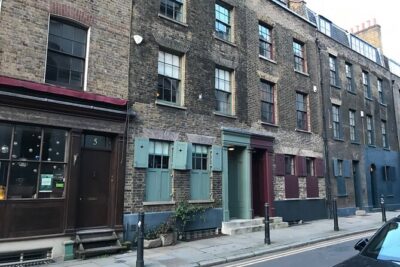
German Language : Original Jack the Ripper Tour
Read our review →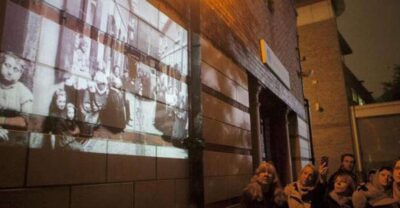
Jack the Ripper Walking Tour – Ripper Vision Tours
Read our review →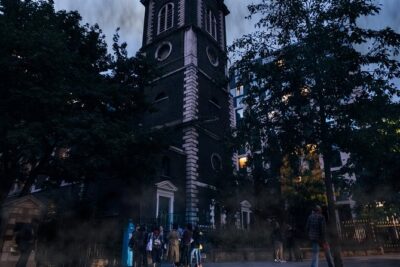
Ultimate Jack the Ripper : Guided Tour of London
Read our review →
Browse the lists this tour appears in