Reviewed · TICKETS
Handel Hendrix House Ticket
Jimi Hendrix’s London flat and George Handel’s Mayfair home share one address, but not the same century, sound, or mood. At Handel Hendrix House, you climb a crooked 250-year-old stairway from the Baroque world of Messiah into the colourful 1960s room where Hendrix lived with Kathy Etchingham. The time contrast is the main attraction. I like the live musical touch, since a harpsichord may be played while you explore, and I like the small domestic details that make Hendrix feel like a person rather than a distant rock legend. The main consideration is size: this is a compact museum, and the Hendrix rooms contain few original furnishings.
The $19 admission is fair if you care about music, London homes, or both. Allow at least one to two hours, and closer to two or three if you read everything and catch a rehearsal. The house is easy to reach from Bond Street Station, but large bags and luggage are not allowed, so plan accordingly.
Key details before you go
- Two musicians, one Brook Street address: Handel lived here for 35 years, while Hendrix made his flat upstairs his first true home.
- Handel composed Messiah here: His rooms include spaces for writing, rehearsing, performing, dressing, and entertaining musical colleagues.
- A harpsichord may provide the soundtrack: Musicians sometimes practise during opening hours, adding a real sound to the old rooms.
- The Hendrix flat is carefully recreated: Kathy Etchingham helped reproduce the domestic details of the room where Hendrix lived in 1969.
- The museum is small but packed with context: Plan one to two hours, or two to three if you want to take your time.
- Saturday music events cost extra: The standard museum ticket does not include event admission.
Handel’s Brook Street rooms and the making of Messiah
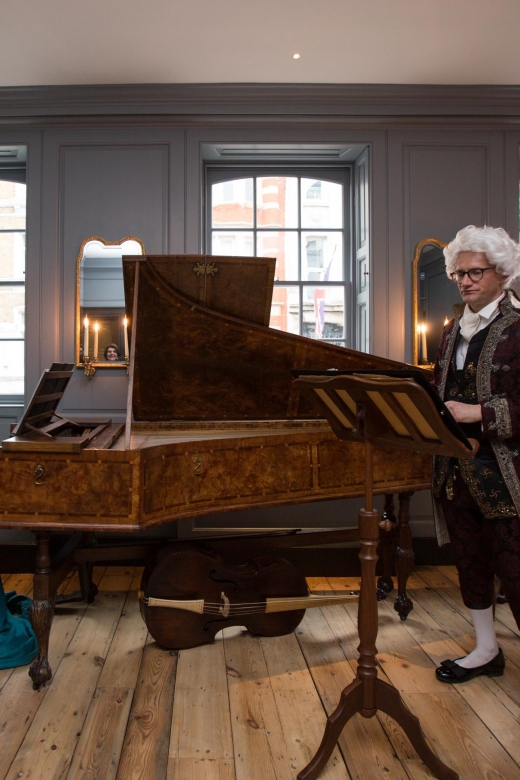
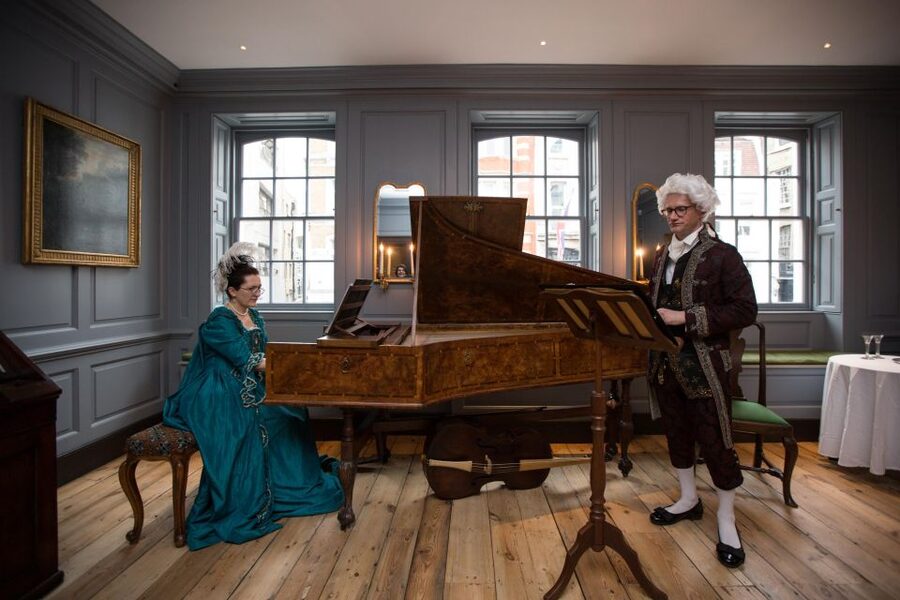
Start with George Handel’s rooms, where the house feels less like a formal museum and more like a preserved working home. Handel lived at 25 Brook Street for 35 years, a long stretch that places this building at the centre of his English court and musical life.
The rooms show the practical side of a composer’s world. This was not only a place to write music. Handel composed, rehearsed, performed, dressed, received people, and talked with leading figures of the Baroque age here. You get a sense of a busy musical household rather than a silent monument.
The most important association is Messiah. Handel composed the work in this house, giving the rooms a clear purpose beyond their age and decoration. If you know the music, this detail gives your visit a strong focus. If you do not, the setting still helps explain how a major composition grew out of ordinary rooms in a London house.
A particularly memorable story concerns the soprano Cuzzoni. When she refused to sing one of Handel’s arias, he threatened to throw her out of the window. You can look toward those windows and picture the scene, though the story also reveals something about the hard-edged working culture of opera in Handel’s time.
The rooms are not enormous. That is part of their value. You are close to the domestic spaces where music was planned and performed, not standing in a large concert hall that separates you from the composer. Volunteers are often available to explain details, and their presence can make the visit more conversational. One useful approach is to ask questions rather than simply read the displays, since guides have extra stories about the house and its occupants.
More Tickets:
- London: Tower Bridge Entry Ticket
★ 4.7 · 15,560 reviews - London: St Paul’s Cathedral Entry Ticket
★ 4.7 · 9,813 reviews - London: London Eye and Madame Tussauds Combo Ticket
★ 4.7 · 7,428 reviews
Let the harpsichord change the mood
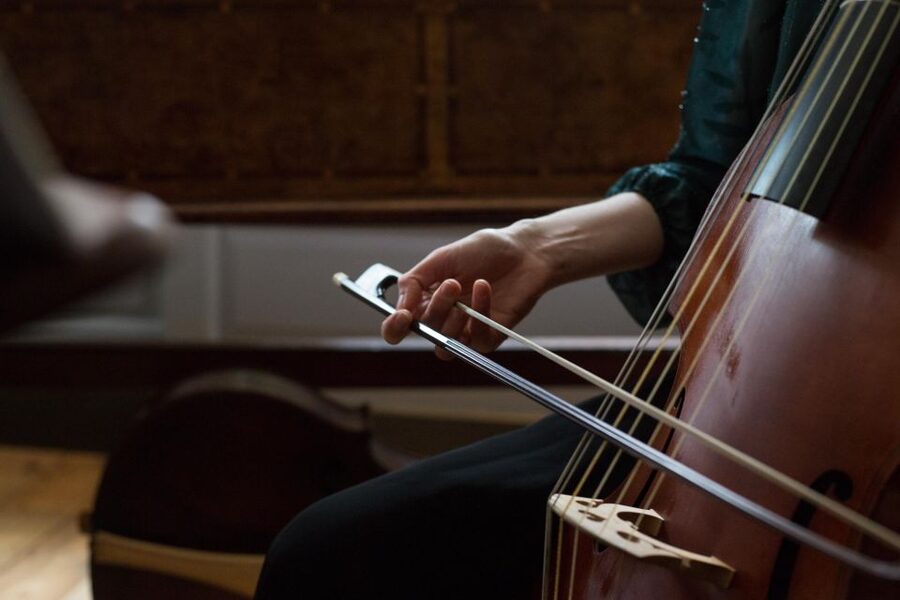
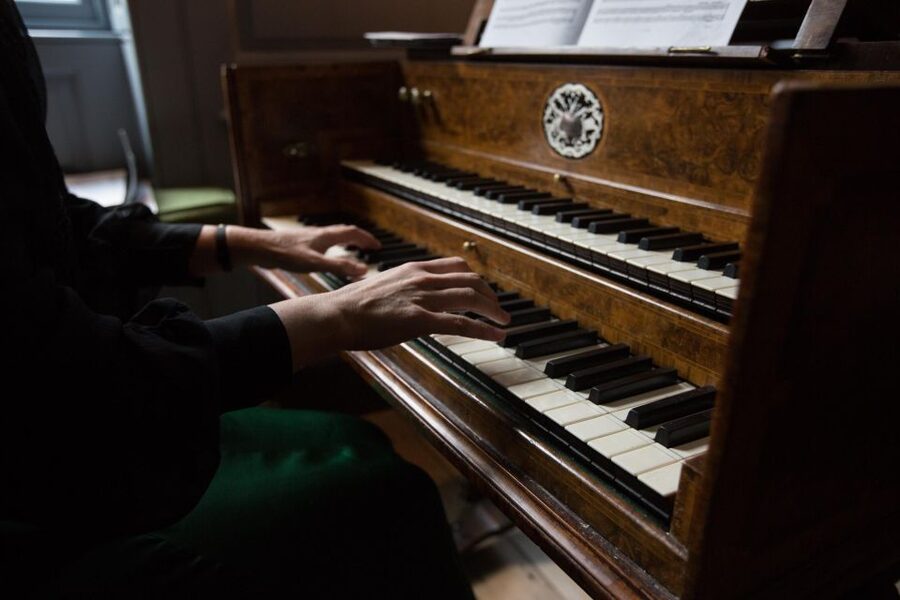
The sound of an antique harpsichord can reshape the whole visit. Musicians are sometimes found practising on one of the instruments, and live rehearsal may take place during the day. That does not happen at every moment, so it is best treated as a welcome possibility rather than a guaranteed performance.
When the instrument is being played, the experience becomes more than a display of rooms and objects. You hear the kind of sound Handel knew, in the sort of spaces where he worked. Even a short rehearsal can help you understand why the house feels connected to music rather than simply dedicated to it.
The harpsichord is also useful for visitors who are less familiar with Baroque music. A label can tell you what an instrument is, but hearing its bright, precise tone gives you a faster understanding. It may not have the power of an orchestra, yet in these close quarters it can be striking.
If live music is important to you, check whether a concert or special event is scheduled. Events are not included with the normal museum admission, so you need to plan for a separate ticket. The regular visit remains worthwhile without a concert, but a performance can turn a short museum stop into a longer musical outing.
Upstairs into Handel’s private life
Continue to the second floor for Handel’s dressing room and bedroom. These rooms shift the focus from public achievement to daily routine. The bedroom is also where Handel died of old age after his long life in London, giving the house a quiet final chapter.
I like this part because it keeps Handel from becoming only a name attached to a famous oratorio. A bedroom, dressing room, and narrow stairway bring the composer into ordinary human scale. You can think about the years spent working, hosting musicians, and living at the centre of English musical life.
The stairway deserves attention in its own right. It is described as wonky and 250 years old, so it adds character but may require care. The property is wheelchair accessible, yet the historic layout and stairs mean you should check with the venue if you need specific access arrangements.
The house is Grade I listed, which helps explain why some areas feel compact and old-fashioned. This is not a modern gallery with wide open rooms and large multimedia installations. The reward is the sense of a real historic interior. The trade-off is that movement can feel tight when several people gather in one room.
Jimi Hendrix’s first real home
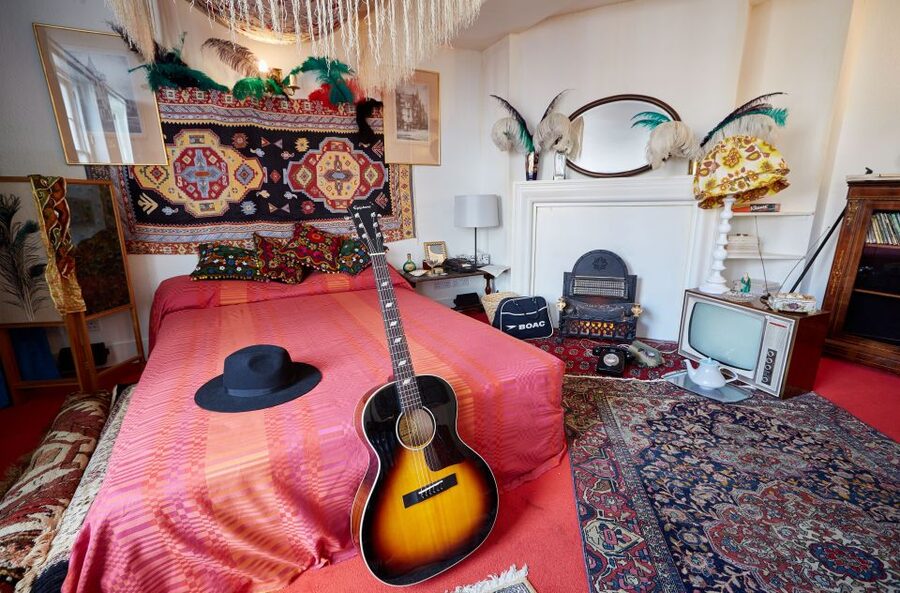
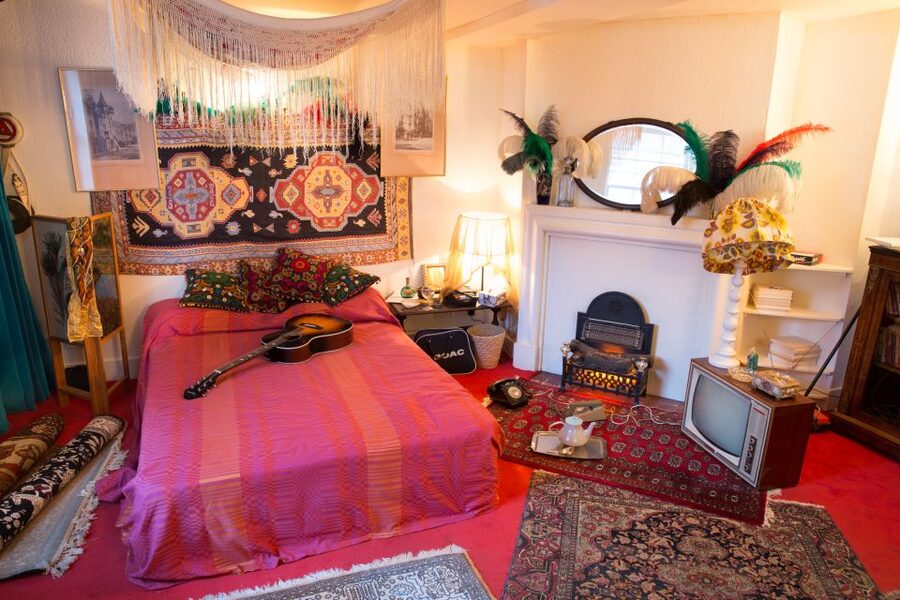
The third floor shifts you from the Baroque period to 1960s London. Hendrix lived at 23 Brook Street with Kathy Etchingham, and he described the flat as the first place he had truly called home. That idea gives the recreation its emotional centre.
The room is presented as a domestic space, not only a shrine to a performer. You see how the flat was arranged and get details about the life Hendrix and Kathy shared there. Intensive research and Kathy’s help informed the recreation, which matters because the room aims to show a lived-in environment rather than a generic 1960s set.
Do not expect a room full of original Hendrix possessions. The recreation contains few authentic pieces connected directly to the flat, with a mirror among the notable original items. That limitation is worth knowing before you arrive. The room can still feel colourful and evocative, but its value comes mainly from the research, arrangement, and personal accounts.
For me, this is where the museum works best for people who want context rather than a large collection of objects. You are not simply looking at a guitar behind glass. You are considering how Hendrix lived in London, where he felt at home, and how quickly that period ended. He died in 1970 at the age of 27, only about a year after the time represented in the room.
A different sort of day out in London altogether:
- From London: Harry Potter Warner Bros Studio Tour
★ 4.7 · 26,588 reviews - London: Westminster to Greenwich River Thames Cruise
★ 4.5 · 22,836 reviews - Magical London: Harry Potter Guided Walking Tour
★ 4.7 · 22,044 reviews - London: Madame Tussauds London
★ 4.6 · 20,915 reviews
Records, pedals, and the sound of Hendrix
The Hendrix displays move beyond the famous image of the guitarist and examine the tools behind his sound. You can see information about the amps and pedals he used to create his distinctive music, along with his acoustic guitar.
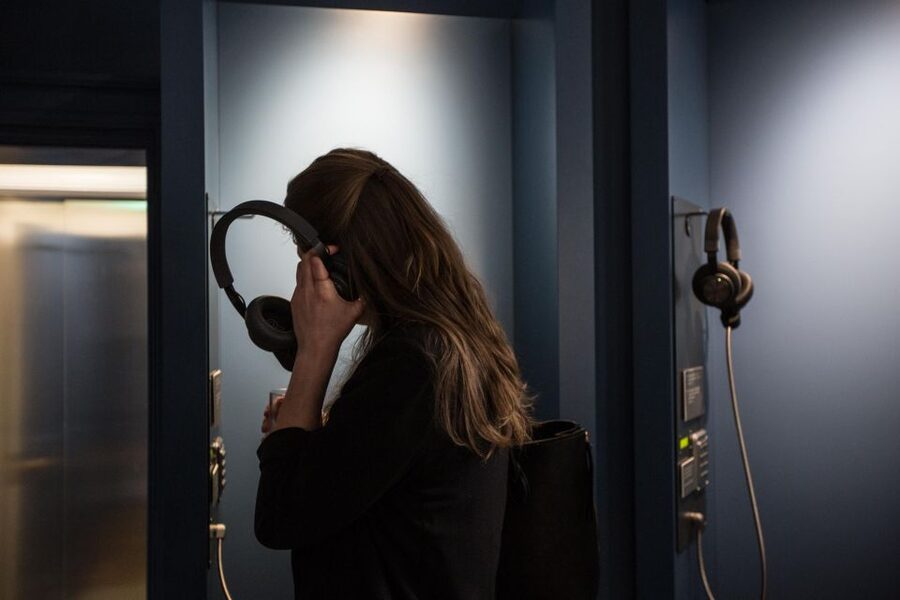
His record collection adds another personal layer. The albums help reveal what he listened to, while anecdotes from Kathy Etchingham connect the records to everyday life. This is a good section to take slowly, especially if you already know Hendrix’s music and want to understand his influences.
The museum also gives you a chance to think about the contrast between acoustic and electric sound. Handel’s musical world centres on the harpsichord and formal composition, while Hendrix’s display focuses on amplification, effects, and experimentation. Both sections show artists working with technology available in their own time.
Hendrix fans may want to begin on the third floor and then return to Handel’s rooms. That order gives you the most immediate connection if Hendrix is your main reason for coming. Still, I would not skip Handel. The whole point of the address is that two very different musicians occupied neighbouring rooms in different eras, and the contrast gives each collection more meaning.
How long the visit takes and who will enjoy it
The advertised visit can take an hour or two, but you can spend two to three hours if you read the information, talk with volunteers, and happen to hear a rehearsal. The museum is small enough for a focused visit, yet there is more to notice than the room count suggests.
I would recommend it most strongly to:
- People who enjoy music history but prefer real rooms to large exhibition halls
- Handel fans who want to see where Messiah was composed
- Hendrix fans interested in his life in London, not only his stage persona
- Visitors looking for a compact Mayfair stop with a clear cultural theme
- Couples or families with different musical tastes, since the two halves feel so different
It may be less satisfying if you want a large collection of original Hendrix objects or a full concert included with admission. The Hendrix flat is a recreation, and the museum’s scale means you will not spend an entire day wandering through galleries.
At $19 per person, I see the ticket as good value for a specialised London museum. You are paying for two distinct historic interiors, the chance of live harpsichord music, staff or volunteer interpretation, and access to a rare combination of musical stories. The value is strongest when you give the visit enough time to move beyond a quick photograph.
Getting to 25 Brook Street in Mayfair
The museum is at 25 Brook Street in Mayfair. Bond Street Station, served by the Central and Jubilee lines, is the nearest Tube stop. The location makes the house easy to fit into a day in central London, especially if you are already visiting Mayfair.
Give yourself a little time to find the entrance and get settled. This is an old house rather than a large modern attraction, so the arrival experience is more residential than grand. Do not bring luggage or large bags, since they are not allowed.
The standard booking includes museum entrance fees but not event admission. The ticket is valid for one day, with starting times subject to availability. You can cancel up to 24 hours ahead for a full refund, and the reserve-now, pay-later option is useful if your London plans are still shifting.
The visit is conducted in English, and the host or greeter is English-speaking. The group is limited to nine participants, which suits a small building and makes it easier to ask questions. Volunteers may be sitting in the rooms and accompanying the visit, so take advantage of that personal contact.
Small details that make the house work
The strongest feature is the combination of scale and contrast. Handel’s rooms feel old, narrow, and tied to courtly music. Hendrix’s room feels like a recreation of a private 1960s flat, full of colour and domestic clues. You move only a short distance, yet the change in period is dramatic.
I also like that the museum does not pretend the two men belonged to the same musical world. The connection is the address, not a forced artistic similarity. One section helps you understand composition and Baroque performance; the other points toward records, pedals, amps, and the culture of London rock.
The volunteer presence can make a real difference. If a guide is available in the Hendrix room, ask about the reconstruction and Kathy Etchingham’s role in getting the small details right. In Handel’s rooms, ask about the harpsichord, the Cuzzoni story, and the use of the rooms for rehearsals and performances.
The gift shop is another small stop, with items related to both artists. It is not the reason to visit, but it can be useful if you want a modest souvenir rather than a generic London keepsake.
Should you book Handel Hendrix House?
Book it if you want an intimate music museum with two sharply different chapters. The strongest reasons are the place where Handel composed Messiah, the possibility of hearing a harpsichord in the historic rooms, and the carefully researched recreation of Hendrix’s London home.
Go with realistic expectations. The museum is compact, the Hendrix room has limited original furniture, and a concert is not part of the basic ticket. If you accept that this is a focused house museum rather than a major national collection, $19 buys a memorable couple of hours in one of London’s most unusual musical addresses.
FAQ
How much does admission to Handel Hendrix House cost?
Admission is $19 per person.
How long should I allow for the visit?
Allow one to two hours for a normal visit. You may want two to three hours if you read the displays carefully, speak with the guides, and hear a live harpsichord rehearsal.
Where is Handel Hendrix House?
It is at 25 Brook Street in Mayfair, London, W1K 4HB. Bond Street Station on the Central and Jubilee lines is the nearest Tube station.
Does the ticket include concerts or other events?
No. The standard ticket includes museum entrance only. Admission to events is not included.
Is the museum wheelchair accessible?
Yes, the activity is listed as wheelchair accessible.
Can I bring luggage or a large bag?
No. Luggage and large bags are not allowed inside.
Just added around London
- Up at The O2:Twilight Climb with Guided Tour with Panoramic Views★ 5.0 · 50 reviews
- Private Chauffeur-London Heathrow from/to Southampton Cruise Port★ 5.0 · 9 reviews
- Kensington Palace VIP Garden Tour with Royal High Tea★ 4.5 · 71 reviews
- Up at The O2: Sunset Climb with Guided Tour with Panoramic Views★ 5.0 · 110 reviews
- Secrets of the London Underground Small Group Walking Tour★ 4.5 · 38 reviews
- Urban Canvas: Exploring Shoreditch’s Vibrant Street Art★ 5.0 · 36 reviews
- Ultimate introduction to photography in Central London★ 5.0 · 19 reviews
- Full-Day Self-Guided Paris Tour from London by Eurostar with Seine River Cruise★ 3.5 · 22 reviews
Tickets, compared.


Buckingham Palace: The State Rooms Entrance Ticket
Read our review →

Tower of London and Crown Jewels Exhibition Ticket
Read our review →