
Reviewed · LONDON
Handel Hendrix House General Admission
George Frideric Handel and Jimi Hendrix lived in neighboring Brook Street homes, two centuries apart. This compact museum lets you climb the same old staircase to Handel’s rooms, then move upstairs into Hendrix’s recreated flat, where the contrast between Baroque London and the 1960s is the whole point.
I like the self-guided pace and the chance to hear live harpsichord, strings, or singing when musicians are rehearsing or performing. I also like that the Hendrix rooms are not treated as a separate pop-culture afterthought. The guitar equipment, room details, and Kathy Etchingham’s input give that part real focus.
The main drawback is size. You can see the core displays in an hour, though music and staff conversations can stretch the visit to two hours. The museum is open Wednesday through Sunday only, and last admission is at 4pm.
Key points to know before you go
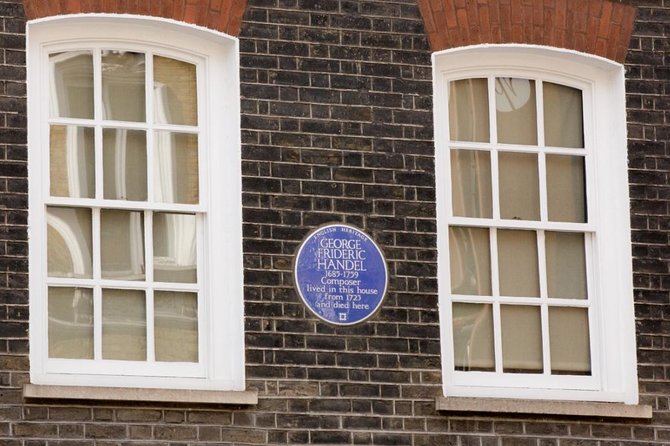
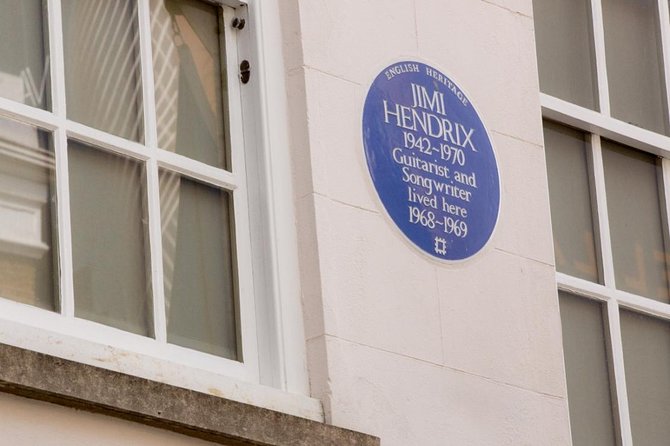
- Two homes, two musical worlds: Handel lived at 25 Brook Street from 1723 to 1759, while Hendrix lived next door at 23 Brook Street from 1968 to 1969.
- Live music may be part of your visit: Harpsichord, strings, and opera singing can sometimes be heard inside Handel’s rooms.
- The staircase is part of the experience: You climb a 250-year-old staircase with an uneven, wonky feel.
- Handel’s Messiah connection: The composer wrote his most famous work in these rooms.
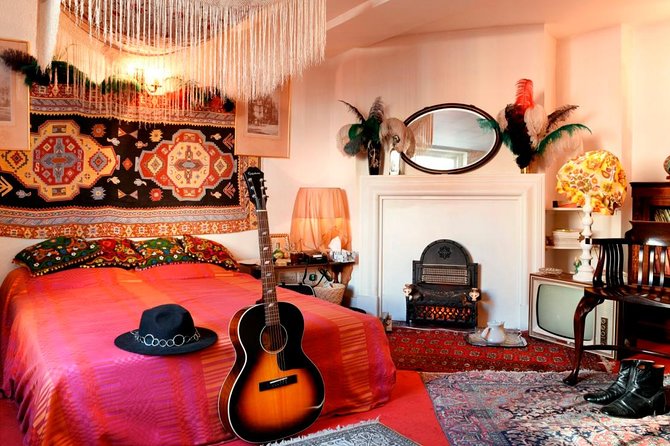
- Hendrix’s home is carefully recreated: The main room reflects how he lived with his girlfriend Kathy Etchingham.
- Best for music lovers with limited time: Plan on one to two hours, then pair it with other central London sights.
Why Brook Street makes such an unusual museum visit
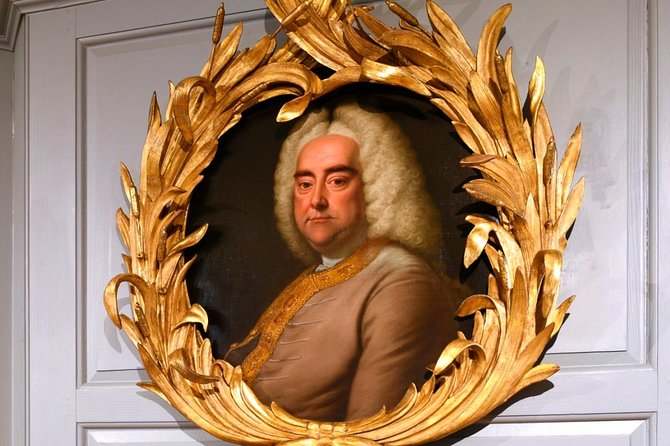
The address is the clever part. At 25 Brook Street, you enter the London home of Handel, a German-born composer who made his career in Georgian England. On the floor above, the story shifts to Jimi Hendrix, the American guitarist who found fame in 1960s London.
These are not two unrelated exhibits placed under one roof. The homes sit next door to each other, and both musicians used London as a place to work, perform, and build a life. Their music could not be more different, but the shared address gives the museum a clear thread.
You do not need to be an expert in Baroque music or rock guitar to enjoy the visit. The rooms provide the setting, while labels and staff help explain the people who used them. If you already know Handel’s operas or Hendrix’s recordings, you will catch more references. If not, the house itself still gives you a strong sense of place.
The museum is in Mayfair, close to busy shopping streets and major central London sights. That makes it easy to add to a day in the West End, though the quiet rooms feel far removed from the traffic and shops outside.
Other London outings people book alongside this one:
- From London: Harry Potter Warner Bros Studio Tour
★ 4.7 · 26,588 reviews - London: Westminster to Greenwich River Thames Cruise
★ 4.5 · 22,836 reviews - Magical London: Harry Potter Guided Walking Tour
★ 4.7 · 22,044 reviews
Climbing Handel’s 250-year-old staircase
Your visit begins in Handel’s former home. You make your own way to Brook Street and enter during the opening hours, rather than joining a fixed-time group. The old staircase is narrow and uneven, so take your time as you go up.
The stairs are not just a route between floors. They immediately make the house feel lived-in and old. You are moving through the same type of domestic space Handel used as he composed, rehearsed, entertained musical colleagues, and managed the practical business of his career.
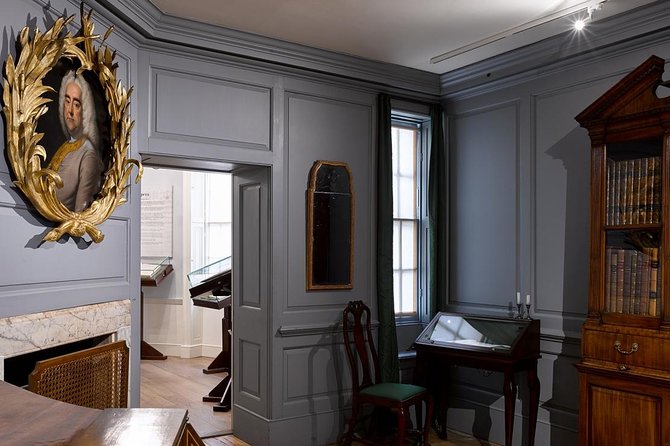
The house has been restored as a series of music rooms and private spaces. You can look at the rooms at your own pace, read about Handel’s London life, and picture musicians gathering here in the Georgian period.
One especially useful detail is the connection to Messiah. Handel composed the famous work in this house, which gives the rooms a direct link to one of the best-known pieces in Western music. You are not simply viewing a composer’s birthplace or a later memorial. You are seeing the place where he worked during his London years.
Inside the rooms where Handel worked
The music rooms are the heart of the first part of the visit. These were places for composition, practice, performance, and conversation. That combination matters because it shows Handel’s working life as more than a solitary composer sitting at a desk.
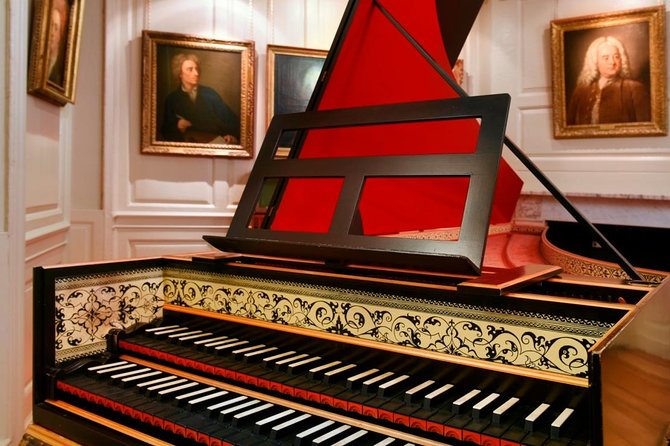
Musicians sometimes play the harpsichords in the house. On some visits, you may also hear strings or an opera singer warming up. The sound carries through rooms built as a home, not a modern concert hall, and that can change the feel of the visit completely.
Do not plan your schedule so tightly that you have to rush away after ten minutes. A rehearsal or performance may be taking place when you arrive, and lingering can be one of the best parts of the experience. The music is not guaranteed, so treat it as a fortunate extra rather than something included at a set time.
The displays also bring out Handel’s forceful personality. One story concerns his threats to throw opera singers out of the window when they refused to sing his arias. It is an entertaining detail, but it also shows how closely the house was tied to the pressures of performance and collaboration.
The restored rooms are not large, so you should expect an intimate visit rather than a grand palace tour. That is part of the appeal, but it also means that a large crowd could make the rooms feel tight.
Handel’s bedroom and final days
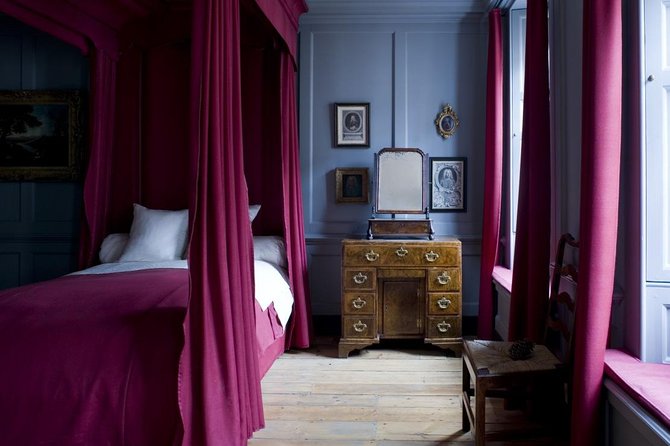
The private rooms add a more personal note. You can see the dressing room and bedroom, including the room where Handel died. These spaces help shift the visit from public composer to private resident.
The difference between the music rooms and the bedroom is useful. In one part of the house, Handel is connected to performers, opera, and composition. In the other, you see the domestic setting where his life ended. The visit does not need a large collection of personal objects to make that change in mood clear.
Temporary displays may add material about Handel, his work, and people around him. What is on show can change, so leave a little time for these additions if you want more than the permanent rooms.
Staff are an important part of the experience. They can add context, answer questions, and point out details you might otherwise miss. The strongest moments may come from a short conversation in a room rather than from reading every label.
A different sort of day out in London altogether:
- London: Madame Tussauds London
★ 4.6 · 20,915 reviews - Stonehenge, Windsor Castle, and Bath from London
★ 4.5 · 18,662 reviews - London: Warner Bros. Studio Tour with Transfers
★ 4.7 · 17,586 reviews - London: Tower Bridge Entry Ticket
★ 4.7 · 15,560 reviews
Moving upstairs to Jimi Hendrix’s 1960s flat

The third floor takes you from Georgian music to late-1960s London. Hendrix lived in the neighboring flat at 23 Brook Street from 1968 to 1969, during the period when London had embraced him as one of the world’s leading guitarists.
The museum presents the main room as a recreation of his home. It shows how Hendrix lived and played there with Kathy Etchingham, who helped advise on the room’s presentation. That input gives the reconstruction a personal link instead of making it feel like a generic 1960s display.
A useful detail is Hendrix’s description of the flat as the first place he had truly called home. You can keep that in mind as you look around. The room is not simply a stage set for a famous musician. It represents a period when Hendrix had a base in the city that helped make him famous.
The Hendrix section is compact, but it has enough detail to reward a careful look. You can learn about his life in the flat, the music scene around him, and the way he used the space. The contrast with Handel’s rooms is direct and sometimes amusing, but the museum keeps both stories connected through music and place.
Guitars, effects, and the details worth stopping for
If you are visiting mainly for Hendrix, pay attention to the display of the Epiphone acoustic guitar and Roger Mayer’s Octavia. The information about Hendrix’s use of effects explains more than simply naming pieces of equipment.
That matters because Hendrix’s sound came from the interaction between his playing and his tools. The Octavia display gives you a way to understand why certain effects mattered, rather than leaving you with a list of famous objects behind glass.
The room recreation and equipment displays work best together. One shows where Hendrix lived; the other helps explain how he created the sound that made him famous. You do not need to be a guitarist to follow the basic idea, but musicians may want extra time here.
The museum also makes an interesting point without needing to state it heavily: both Hendrix and Handel depended on instruments, singers, fellow musicians, and performance spaces. The technology changed, but the working life of a professional musician still involved practice, collaboration, and constant decisions about sound.
How long to allow and when to visit
The advertised visit takes about one to two hours. An hour is enough for a purposeful look at both homes, but I would allow closer to two hours if you want to read the displays, speak with staff, and pause for any music taking place.
The museum opens Wednesday through Sunday from 10am to 5pm. Last admission is at 4pm. Since there is no fixed tour time, you can choose a slot during those hours, but do not arrive near closing and expect a leisurely visit.
The best timing depends on your priorities:
- Arrive earlier if you want more quiet in the rooms.
- Allow extra time if you hope to hear musicians practicing.
- Visit during the middle of the day if you are fitting it between other central London activities.
- Check the opening days carefully if you are planning a short London stay.
The experience is offered in English. The ticket is mobile, and you make your own way to Brook Street. There is no arranged transport or meeting group to manage, which keeps the visit simple but means you should plan your route yourself.
Is $19.98 a fair price?
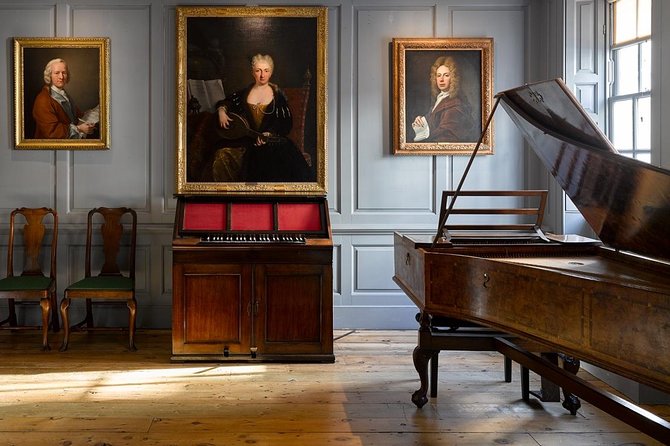
At about $19.98 per person, this is not the cheapest small museum visit in London. The value comes from the unusual combination of two authentic addresses, the preserved domestic rooms, and the chance of live music in Handel’s house.
The price makes more sense if you have a strong interest in either musician. Hendrix fans get his recreated flat, guitar equipment, and personal setting. Handel fans get the rooms where he lived and wrote Messiah. Music lovers who care about both periods get the best value because the museum gives you two distinct experiences in one visit.
If you only want a quick photograph connected with Hendrix, the ticket may feel expensive for a compact museum. Likewise, if you prefer large museums with many objects and long galleries, you may finish sooner than expected.
I would consider it good value for a focused one to two-hour stop in central London, especially if you take time with the staff and happen to hear a rehearsal. The average booking lead time is about 18 days, so popular dates may be worth arranging ahead, particularly if your schedule is tight.
Who will enjoy Handel and Hendrix House?
This experience suits you best if you like music, historic homes, or compact museums with a strong sense of place. It works well for adults, older children, musicians, and anyone curious about how famous artists lived away from the stage.
A musician may spend extra time with the harpsichord displays, the room acoustics, and the Hendrix equipment. A Hendrix fan may come for the third floor but end up enjoying Handel’s side just as much. The two sections are different enough to keep the visit from feeling repetitive.
Families can visit, but children must be accompanied by an adult. The old staircase and small rooms call for sensible pacing and supervision. Most people can take part, and service animals are allowed.
I would not choose this as your only music-related activity in London if you want a full concert or a large collection. It is a museum visit, not a scheduled performance, and live music is not guaranteed. But as a short, atmospheric stop between larger sights, it has a lot going for it.
Practical details that can affect your visit
The ticket includes admission to Handel & Hendrix House. The gift shop is available after the visit, with souvenirs sold separately.
Free cancellation is available if you cancel at least 24 hours before the experience start time. Cancellations made less than 24 hours ahead are not refunded, and changes inside that period are not accepted. The cut-off uses local London time.
You should also allow for the building itself. Handel’s staircase is around 250 years old and described as wonky, so visitors who need step-free access should confirm arrangements before booking. The supplied information confirms that most people can participate, but it does not provide a full step-free access description.
The museum’s limited opening days are the main planning issue. Wednesday through Sunday gives you five days each week, but Monday and Tuesday visits are not available under the stated schedule.
Should you book it?
Book this if you want a close look at two musicians’ homes and prefer a small, focused experience to a large museum. The strongest reason to go is the combination: Handel’s working rooms, the Messiah connection, possible live music, and Hendrix’s carefully recreated flat next door.
I would especially recommend it to Hendrix fans who are willing to give Handel an equal chance. The Handel rooms may surprise you, and the staff can add much to the visit. If you have only one hour, move efficiently through both floors. If you have two, slow down, listen for music, and take time with the guitar equipment and private rooms.
Skip it if your London schedule falls on Monday or Tuesday, or if you want a guaranteed concert rather than a museum visit. For everyone else, the roughly $20 admission buys a distinctive look at two very different musicians who both made Brook Street part of their lives.
FAQ
Where is Handel & Hendrix House located?
The museum is on Brook Street in central London, at the former homes of George Frideric Handel and Jimi Hendrix.
How long does the visit take?
Plan on about one to two hours. You can see the main rooms in less time, but music, displays, and conversations with staff may make you want to stay longer.
What are the museum’s opening hours?
It is open Wednesday through Sunday from 10am to 5pm. Last admission is at 4pm.
Can I visit on Monday or Tuesday?
No. The stated opening schedule runs from Wednesday through Sunday.
Is the ticket mobile?
Yes. A mobile ticket is available.
Is the experience guided?
You make your own way to Brook Street and explore at your own pace. Staff are available inside to provide information and answer questions.
Is live music guaranteed?
No. Musicians sometimes play harpsichords, strings, or other music in Handel’s house, but performances and rehearsals are not guaranteed at every visit.
Can children visit?
Yes, but children must be accompanied by an adult.
What is the cancellation policy?
You can cancel for a full refund up to 24 hours before the experience start time. Cancellations or changes made less than 24 hours before the start time are not accepted for a refund.
Just added around London
- Up at The O2:Twilight Climb with Guided Tour with Panoramic Views★ 5.0 · 50 reviews
- Private Chauffeur-London Heathrow from/to Southampton Cruise Port★ 5.0 · 9 reviews
- Kensington Palace VIP Garden Tour with Royal High Tea★ 4.5 · 71 reviews
- Up at The O2: Sunset Climb with Guided Tour with Panoramic Views★ 5.0 · 110 reviews
- Secrets of the London Underground Small Group Walking Tour★ 4.5 · 38 reviews
- Urban Canvas: Exploring Shoreditch’s Vibrant Street Art★ 5.0 · 36 reviews
- Ultimate introduction to photography in Central London★ 5.0 · 19 reviews
- Full-Day Self-Guided Paris Tour from London by Eurostar with Seine River Cruise★ 3.5 · 22 reviews