
Reviewed · LONDON PHOTOGRAPHY TOURS AND PHOTO SHOOTS
Discover Photography
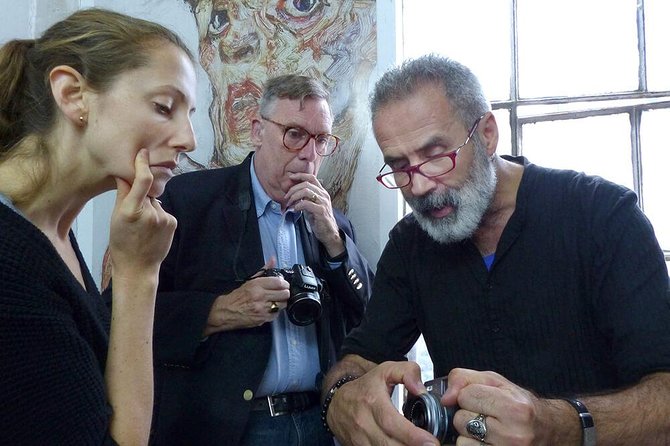
The best thing about Discover Photography is its hands-on approach. You do not just hear definitions for aperture and shutter speed. You work with your own camera and see how each setting changes the picture. Vehbi Koca leads the course, and Pierre has also taught sessions, so the teaching team brings a practical, personal touch.
I like the small group of no more than 12 and the chance to use semi-automatic and manual modes in one class. I also like the practical exercise, which turns camera theory into something you can see on the screen. The main drawback is simple: you need a DSLR or compact camera with manual settings, and the non-refundable booking policy leaves little room for a last-minute change.
Key points at a glance
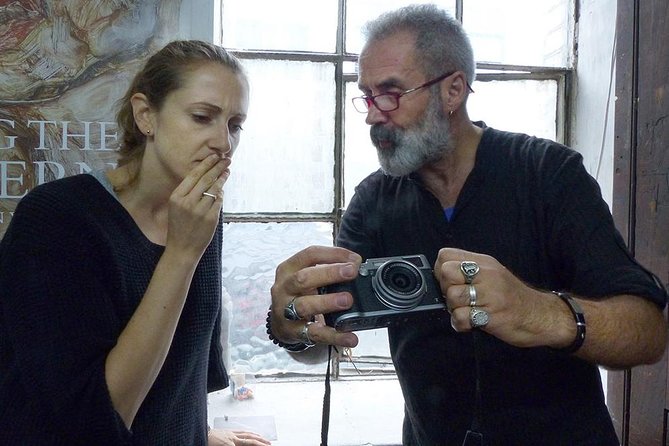
- A 2.5-hour foundation in manual photography: Learn aperture, shutter speed, ISO, exposure, lenses, and white balance in one focused session.
- A small class of up to 12 people: You should have more room to ask questions and get help with your specific camera.
- A practical exercise is built in: Test how aperture and shutter speed alter the final image instead of leaving with only notes.
- Vehbi Koca leads the course: His teaching style is clear, experimental, and aimed at helping you get more from your own camera.
- Meet at Westland Place Studios: The class begins and ends at 11 Westland Place in London, near public transportation.
- Bring the right camera: A DSLR or compact digital camera with manual settings is essential for getting the full benefit.
Why this London photography class is useful
A new camera can feel like a small computer with a lens attached. Automatic mode gets you started, but it also makes many decisions for you. Discover Photography is designed to show you what those decisions are and how to take control.
The class focuses on the basic relationship between aperture, shutter speed, and ISO. These three settings affect brightness, sharpness, movement, and background blur. Once you understand how they work together, you can move beyond simply pointing and pressing the shutter.
That makes this course useful for a beginner who has already bought a camera but still relies on automatic settings. It also suits someone who takes photos on trips and wants more consistent results in changing light.
You should not expect a specialist workshop in portrait lighting, wildlife photography, or advanced editing. The aim is more practical. You learn the controls that form the base of good digital photography, then practice using them.
More London Photography Tours and Photo Shoots:
- London: Private Photoshoot with Video Clip Option
★ 4.8 · 182 reviews - Professional Photoshoot in London Photographer
★ 5.0 · 102 reviews - Private landmarks photoshoot for families and couples
★ 5.0 · 92 reviews
Starting at Westland Place Studios in London
The meeting point is Westland Place Studios3, at 11 Westland Place, London N1 7LP. The experience starts and ends there, which keeps the logistics simple. It is near public transportation, so you do not need to arrange a complicated transfer across London.
The location matters mainly because this is a classroom and practice session, not a walking tour built around famous sights. You will spend your time learning how your camera works rather than moving from one attraction to the next.
Allow enough time to reach the studio without rushing. You will get more from the opening explanation if your camera is ready and you are settled before the course begins. Since the class lasts about two and a half hours, this is easy to fit into a day in London, but it is long enough that you should treat it as a proper workshop rather than a quick demonstration.
The class ends back at the same meeting point. That is handy if you have evening plans or want to continue sightseeing from the same transport area.
Getting comfortable with aperture and shutter speed
The first major task is learning what aperture and shutter speed do. These terms can sound technical, but they become much clearer when you see the effects in a real photograph.
Aperture controls the opening inside the lens. It affects the amount of light reaching the camera and the depth of field, or how much of the image appears sharp from front to back. A wider aperture can help separate a subject from its background. A smaller aperture can keep more of a scene in focus.
Shutter speed controls how long the camera records light. It also affects movement. A faster speed can help freeze action, while a slower speed can show movement as blur. The course includes a practical exercise focused on these changes, so you can compare the results rather than trying to remember abstract rules.
This is where the class earns its keep. You are not simply told to change a dial. You are shown why the image changes and how to make a creative choice.
The course also explains ISO and how it works with aperture and shutter speed. ISO affects the camera’s sensitivity to light. The important lesson is not memorizing isolated definitions. It is learning how to balance all three settings to create the exposure you want.
Moving from automatic to manual modes
The course covers automatic, semi-automatic, and manual operation. That progression should help you avoid the common beginner mistake of treating manual mode as the only serious option.
Semi-automatic modes can be very useful. They let you control one important setting while the camera handles part of the exposure. For example, you might want to choose the aperture for depth of field while allowing the camera to select a suitable shutter speed.
Manual mode gives you full control, but it also asks more of you. The class helps you understand when that extra control is useful and how to make changes without guessing. You should leave with a better sense of when automatic settings are perfectly sensible and when they are getting in the way.
That balance is valuable on a trip. You may want full control for a carefully planned image, but automatic or semi-automatic operation can be quicker when a moment appears without warning. Good photography is not about using one mode all the time. It is about knowing what the camera is doing and deciding when to take over.
The course is taught for beginners, so you do not need to arrive with a technical vocabulary. You do need a willingness to turn dials, check the screen, and try again.
A different sort of day out in London altogether:
- From London: Harry Potter Warner Bros Studio Tour
★ 4.7 · 26,588 reviews - London: Westminster to Greenwich River Thames Cruise
★ 4.5 · 22,836 reviews - Magical London: Harry Potter Guided Walking Tour
★ 4.7 · 22,044 reviews - London: Madame Tussauds London
★ 4.6 · 20,915 reviews
Understanding lenses, focal length, and perspective
Lenses change more than the size of your subject. The course covers focal length, angle of view, and perspective, which are key ideas for understanding why the same scene can look different with different lenses.
Focal length affects how much of the scene fits into the frame. A wider view can include more of your surroundings, while a longer focal length brings a narrower portion of the scene closer. Angle of view describes that visible area in practical terms.
Perspective is related to your position as well as your lens. Move closer, step farther away, or change lenses, and the relationships between objects in the frame can shift. Learning this helps you make better choices instead of simply zooming until the subject looks the right size.
For travel photography, this is particularly useful. You can make a better decision about which lens to use for a street scene, building, person, or detail. The course does not promise to turn you into a specialist, but it gives you a working base for choosing the right tool.
If you own more than one lens, bring the equipment you want to understand. The information provided does not specify a lens limit or a detailed equipment list, so check the booking instructions before arriving with a large kit.
Composition, colour, and white balance
Technical settings are only part of a good photograph. Discover Photography also covers composition, colour temperature, and white balance.
Composition is how you arrange the elements inside the frame. The class should help you think about what belongs in the picture, where the main subject sits, and how lines, shapes, and empty space affect the result. You will get more from this section if you look carefully at your own images and ask what draws your eye first.
Colour temperature describes the character of light. A photograph taken under one type of light can look warm, cool, or slightly unnatural. White balance helps the camera record colours in a way that better matches the scene, or lets you deliberately change the mood.
These settings are easy to overlook because automatic white balance often produces an acceptable result. Still, understanding the control is useful when the camera gets confused or when you want a particular effect. It also helps you understand why two photographs taken in similar conditions may have different colour.
The course links these ideas to the camera rather than treating them as separate art lessons. That keeps the material grounded in decisions you can make before pressing the shutter.
The hands-on exercise is the key part
The most useful section is the practical exercise exploring aperture and shutter speed. This gives you a chance to test what you have just learned and see cause and effect on your own camera.
A good exercise should answer questions such as these: What happens when the aperture changes? How does a slower shutter speed affect movement? What trade-offs appear when you adjust ISO to compensate? The course is set up to address those fundamentals.
You should expect to work with an instructor nearby rather than simply complete a worksheet. Vehbi Koca has been praised for explaining ideas simply, trying different approaches, and helping people with different cameras. Pierre has also been described as attentive during an iPhone-focused session, answering questions and making sure the group kept pace.
The iPhone session is worth noting with care. It shows that the teaching can address camera controls in a phone setting, but the stated equipment requirement for this course is a DSLR or compact digital camera with manual settings. Do not assume any phone will provide the same experience. Check that your device can work with the course content before booking.
What the small group changes
The maximum group size is 12 people. That is not a private lesson, but it is small enough to make questions practical.
Photography instruction often gets bogged down when one person has a completely different camera system from everyone else. A smaller group gives the instructor a better chance to look at your controls, explain where a setting is located, and correct confusion before it becomes a habit.
It also makes the practical work less intimidating. Beginners can ask basic questions without feeling they are holding up a large room. The class is still shared, so the exact amount of individual attention can vary. If you need a private coaching session, this is not described as one.
The teaching style appears to be a major strength. Vehbi Koca is an award-winning photographer, and the course places emphasis on clear explanations and experimentation. That combination matters more than a long list of technical terms. You want an instructor who can show you how an idea works on your camera, not just recite a definition.
Is the $95.80 price fair?
The price is $95.80 per person for about two hours and 30 minutes. That is a serious spend for a beginner class, especially when you are also paying for accommodation, meals, and sightseeing in London.
The value depends on your goal. If you own a manual-capable camera and have been frustrated by confusing settings, the course may save you weeks of trial and error. You receive structured instruction on exposure, lenses, composition, white balance, and camera modes, along with a practical exercise and access to an award-winning photographer in a small group.
It is less compelling if you already understand the exposure triangle, regularly use manual mode, and know how focal length affects perspective. In that case, much of the class may repeat familiar material.
The price also makes the equipment requirement important. You are paying for instruction, not for camera hire. Bring a suitable camera so you can practice the exact controls you will use later.
Who should book this experience
I would choose this class for a beginner who wants to understand a camera rather than simply collect travel snapshots. It is also a good fit for someone who has just moved from phone photography to a DSLR or compact camera with manual controls.
You should be comfortable with a two-and-a-half-hour learning session. This is not a casual photo walk with a few tips between sights. The focus is on settings, lenses, exposure, and practice.
The course also suits people who learn best by doing. If you prefer to turn a dial, take a picture, compare the result, and ask a question, the practical format should work well.
It may not suit children, since the minimum age is 18. The additional information says children must be accompanied by an adult and both must have paid tickets, but the listed minimum age still needs careful checking at booking if you are planning to attend with anyone under 18.
Most people can participate, and the meeting point is near public transportation. Still, confirm the equipment details and arrival instructions before you pay.
Booking cautions and practical details
Confirmation is provided at the time of booking. The experience is non-refundable and cannot be changed for any reason, so check your London schedule before committing.
If the minimum number of participants is not reached and the provider cancels the class, you will be offered another date or experience, or a full refund. That protection applies to a cancellation by the provider, not to a change of mind on your side.
The activity uses a mobile ticket. Keep the booking information available on your phone, and arrive with your camera charged and ready. The supplied details do not specify a required memory card, spare battery, or particular lens, so avoid assuming that extra equipment is provided.
Should you book Discover Photography?
Book it if you want a clear, practical introduction to manual photography and you own a suitable camera. The strongest reasons are the small group, the built-in practice, and the teaching approach associated with Vehbi Koca and Pierre. You should leave with a better grasp of how aperture, shutter speed, ISO, lenses, and white balance affect your pictures.
Skip it if you already work comfortably in manual mode or if you are looking for a photo walk around London’s famous sights. Also think twice if you are not sure your camera has manual settings, since that is central to the course.
At $95.80, this is not a throwaway activity. But for a beginner who wants a useful skill to carry into future trips, it offers more lasting value than another short sightseeing stop.
FAQ
Where does Discover Photography take place?
The course starts and ends at Westland Place Studios3, 11 Westland Place, London N1 7LP, UK.
How long does the photography course last?
The session lasts approximately two hours and 30 minutes.
What camera should I bring?
You need a DSLR camera or a compact digital camera with manual settings to get the most from the course.
How many people can join the class?
The activity has a maximum of 12 participants.
What photography topics are covered?
You will learn about lenses, composition, colour temperature, white balance, semi-automatic and manual modes, depth of field, aperture, shutter speed, ISO, focal length, angle of view, perspective, and exposure.
Can I cancel or change my booking?
The experience is non-refundable and cannot be changed for any reason. If the provider cancels because the minimum number of participants is not reached, you will be offered a different date or experience, or a full refund.
Just added around London
- Up at The O2:Twilight Climb with Guided Tour with Panoramic Views★ 5.0 · 50 reviews
- Private Chauffeur-London Heathrow from/to Southampton Cruise Port★ 5.0 · 9 reviews
- Kensington Palace VIP Garden Tour with Royal High Tea★ 4.5 · 71 reviews
- Up at The O2: Sunset Climb with Guided Tour with Panoramic Views★ 5.0 · 110 reviews
- Secrets of the London Underground Small Group Walking Tour★ 4.5 · 38 reviews
- Urban Canvas: Exploring Shoreditch’s Vibrant Street Art★ 5.0 · 36 reviews
- Ultimate introduction to photography in Central London★ 5.0 · 19 reviews
- Full-Day Self-Guided Paris Tour from London by Eurostar with Seine River Cruise★ 3.5 · 22 reviews
London Photography Tours and Photo Shoots, compared.
Professional Photoshoot in London Photographer
Read our review →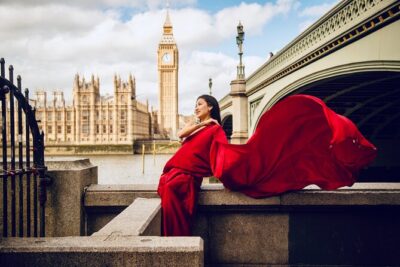
Browse the lists this tour appears in