
Reviewed · LONDON
Booze, Brothels & the Bard: London’s Bawdy Borough
Southwark’s past is not polite, and that is exactly the point. Once beyond the City of London’s control, this riverside district became a place for brothels, bear-baiting, taverns, prisons, and theatres. This two-hour walk brings that rough-edged past to life without losing sight of the area’s churches, markets, and major landmarks.
I like the way the route links ordinary streets to big historical figures, especially Shakespeare and Charles Dickens. I also like the small group limit of 15, which should make it easier to hear the guide and ask questions. The main drawback is that most stops are brief, and the Globe Theatre itself requires a separate ticket if you want to go inside.
Key points at a glance
- A two-mile route through Southwark’s seedy past: Walk from Borough Station to Shakespeare’s Globe in about two hours.
- Prisons, brothels, and medieval power: See remnants of Marshalsea Prison, the Clink, Crossbones Garden, and Winchester Palace.
- A strong guide can make the difference: Tom is praised for clear explanations, good humor, patient answers, and a knack for choosing the best facts.
- History mixed with daily London life: The route passes Borough Market, Southwark Cathedral, London Bridge, and the George Inn.
- Mostly an outdoor walking tour: You view many places from outside, so plan separate visits if you want to enter the Globe, cathedral, or museums.
- Good value at $26: The price is modest for a small-group tour covering more than a thousand years of local history.
Why Southwark earned its bawdy reputation
The title is playful, but the subject is serious. Southwark sat just outside the City of London, and that boundary mattered. Activities restricted or frowned upon inside the City could operate more freely here, making the borough a natural home for taverns, theatres, prisons, and prostitution.
The walk traces that reputation back more than a thousand years. You hear about Roman-era prostitution, medieval sex workers known as the Winchester Geese, and the rough trade that grew around inns, markets, and the river crossing.
I like this approach because it avoids treating London as a collection of grand palaces and famous monarchs. Here, history is found in old walls, street patterns, religious institutions, and the places where poor people, prisoners, actors, merchants, and sex workers lived and worked.
The stories can be bawdy, but this is not advertised as an adult-only nightlife tour. It is a history walk with some frank subjects. Children under 13 are not permitted, which gives you a fair idea of the tone.
Other London outings people book alongside this one:
- From London: Harry Potter Warner Bros Studio Tour
★ 4.7 · 26,588 reviews - London: Westminster to Greenwich River Thames Cruise
★ 4.5 · 22,836 reviews - Magical London: Harry Potter Guided Walking Tour
★ 4.7 · 22,044 reviews
Borough Station to Marshalsea Prison
Meet just outside the Borough Station exit on Borough High Street. Look for the guide holding an Historic London Tours sign. This is a useful meeting point because the route starts close to the heart of old Southwark and quickly moves into the district’s prison and poverty stories.
The first major stop is Marshalsea Prison. Only parts of the old prison remain, but those fragments carry a great deal of weight. Charles Dickens knew the area well, and his father was imprisoned in the Marshalsea for debt. Dickens later used the prison and its surroundings in his writing.
That connection gives the early part of the walk a human focus. You are not simply looking at an old wall. You are considering what debt, imprisonment, and social class meant in nineteenth-century London.
The stop is listed as a short guided visit of about five minutes. That is enough for an introduction, but not a full literary or prison-history lecture. If Dickens is a major interest for you, treat this tour as an orientation and plan extra time elsewhere.
Crossbones Garden and the Winchester Geese
Crossbones Garden is one of the route’s most unusual places. The site is associated with an unconsecrated burial ground for women and children, including the Winchester Geese, the prostitutes licensed by the Bishop of Winchester during the medieval period.
The tour uses this stop to show how Southwark’s sexual history was tied to local authority and money. Prostitution was not simply an underground activity. At times, it was regulated and connected to powerful institutions.
Crossbones also shifts the mood. The jokes and tavern stories give way to questions about poverty, death, and people left outside respectable society. You might find this one of the more affecting stops because it asks you to think about who gets remembered and who does not.
Again, the visit is short. You will hear the main story and view the site, but you should not expect a long period for quiet reflection or independent exploration.
The Hop Exchange, George Inn, and Borough Market
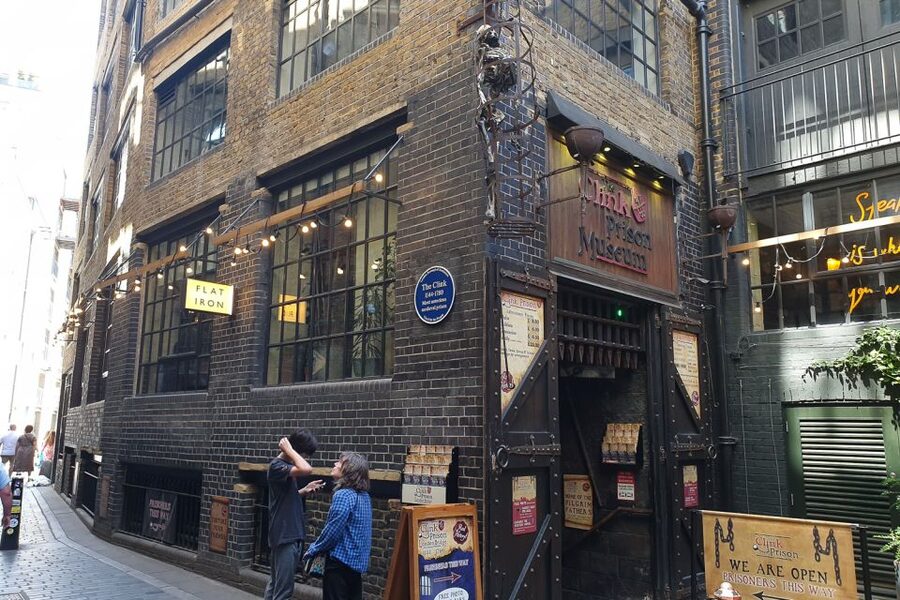
The Hop Exchange helps explain the commercial side of old Southwark. Its name points to the hop trade, which supplied breweries and supported a large network of merchants, carriers, and warehouse workers.
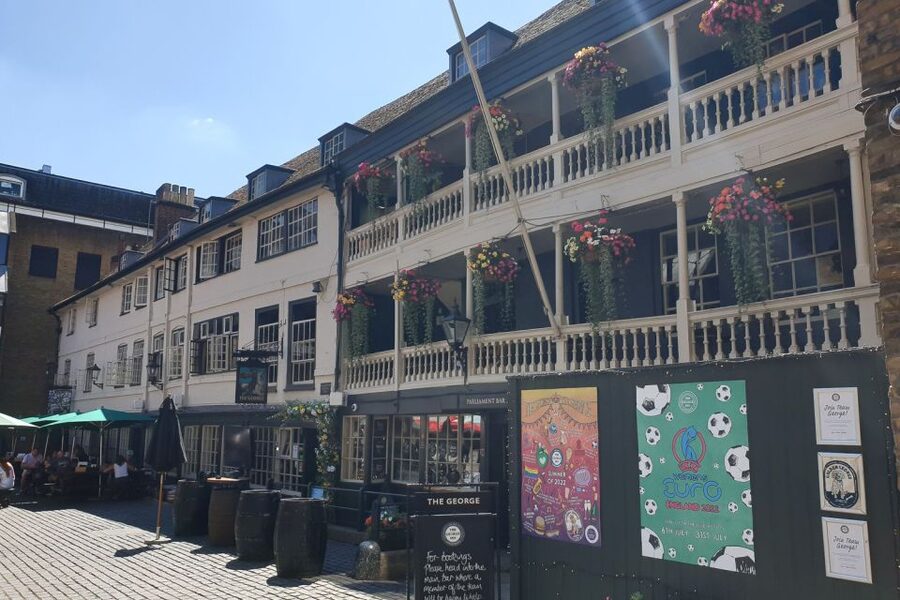
From there, the route reaches the George Inn, one of London’s best-known historic coaching inns. Its connection with old travel, drinking culture, and theatrical London fits the theme perfectly. The inn also helps you picture a time when travel by road was slower, rougher, and closely tied to the pub.
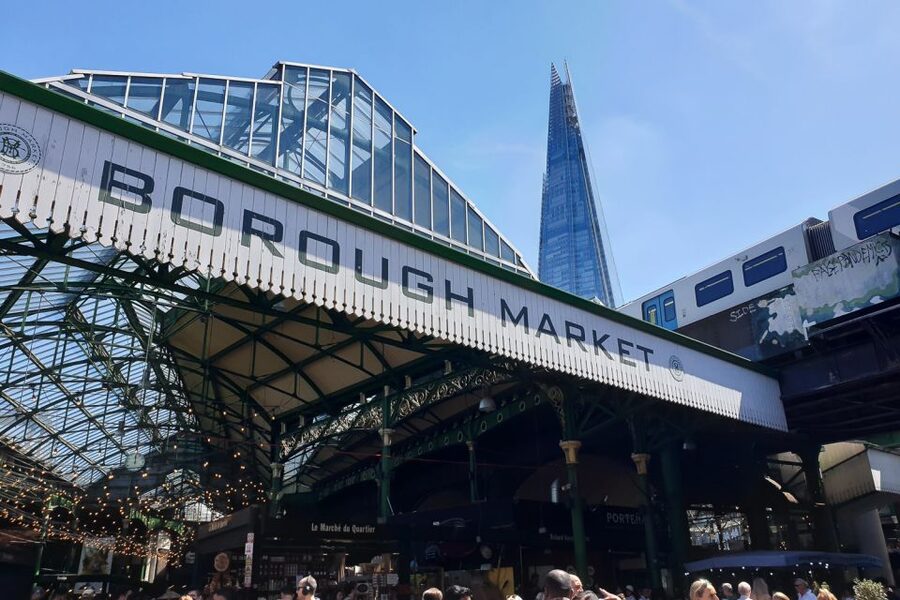
Borough Market follows, and this is where the historic route meets modern London. It is London’s largest and oldest market, and it can be crowded, particularly on a Sunday. The market is still an active place of trade rather than a silent monument, so you see the district working as well as hear about its past.
This is one part of the tour where timing matters. The guide has to keep the group moving through crowds, and you will not have time for a full food crawl. I suggest returning after the walk if you want to browse stalls or eat. One useful tip from the tour experience is to make a note of places that catch your eye, then come back without the group.
A different sort of day out in London altogether:
- London: Madame Tussauds London
★ 4.6 · 20,915 reviews - Stonehenge, Windsor Castle, and Bath from London
★ 4.5 · 18,662 reviews - London: Warner Bros. Studio Tour with Transfers
★ 4.7 · 17,586 reviews - London: Tower Bridge Entry Ticket
★ 4.7 · 15,560 reviews
The Old Operating Theatre and Southwark Cathedral
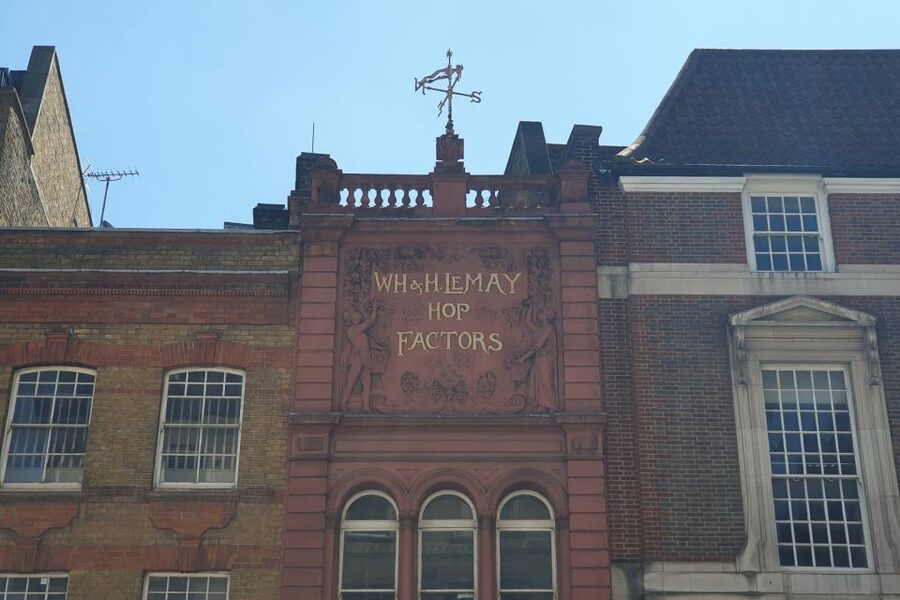
The Old Operating Theatre Museum and Herb Garret adds a medical chapter to the route. The name alone hints at the harsh side of old surgery, when treatment was painful, risky, and carried out without modern methods.
The tour points out the museum, but the walking tour does not include a separate museum visit. If you want to see the interior and exhibits, you will need to arrange that independently and allow extra time.
Southwark Cathedral offers a different view of the borough. The church has a history reaching back roughly a millennium, and its presence helps explain how Southwark developed as more than a district of vice. Religious life, trade, entertainment, and poverty all existed close together.
I like the contrast between the cathedral and the brothel stories. It gives you a fuller picture of the borough instead of presenting it as one long tale of misbehavior. The guide’s short explanation may leave you wanting to step inside, which is possible if you return later with enough time.
London Bridge and the remains of Winchester Palace
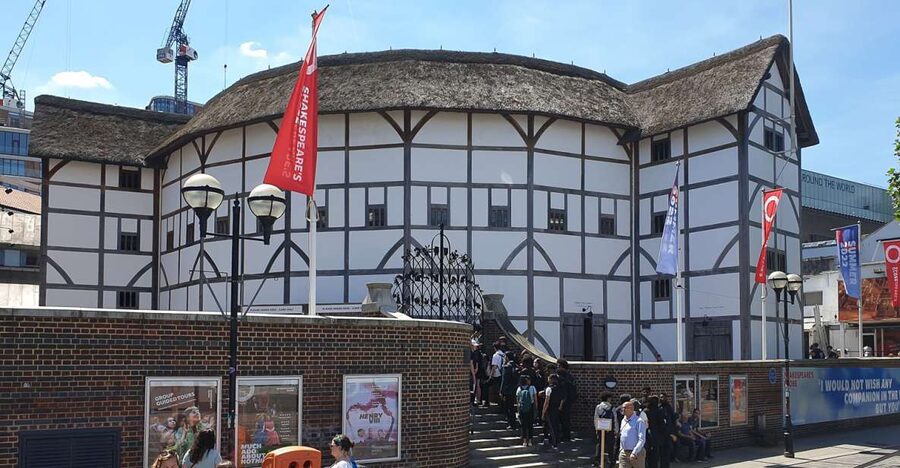
At London Bridge, the tour reaches the crossing that helped make Southwark important. The bridge connected the south bank with the City and brought people, goods, pilgrims, workers, and trouble through the district.
That traffic helped support the inns, taverns, markets, theatres, and prisons along the route. It also explains why Southwark could be both a gateway into London and a place where the city’s rules were easier to avoid.
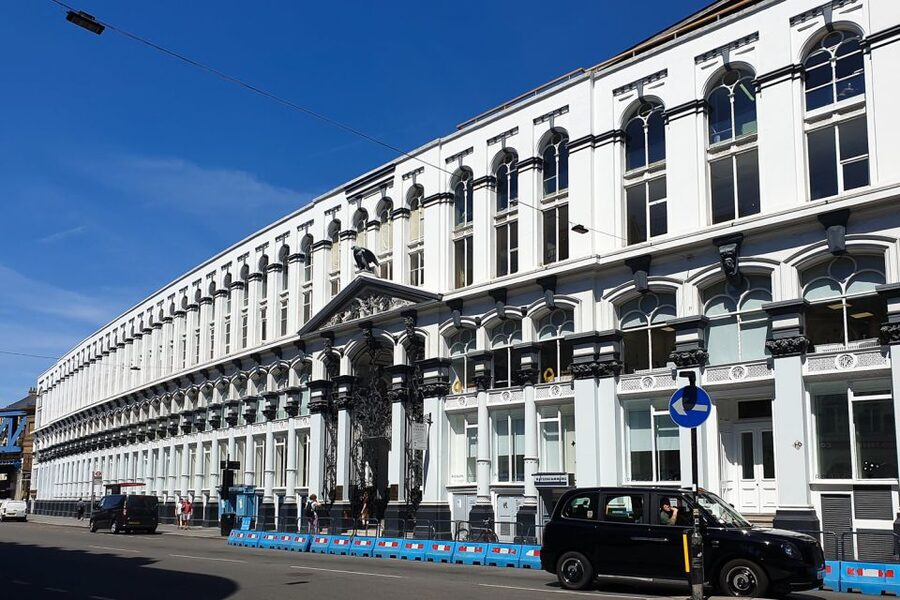
The remains of Winchester Palace are another striking reminder of local power. The palace belonged to the Bishop of Winchester, whose authority was tied to the area’s religious and commercial life. The surviving ruins are only a fragment, but they give you a clear sense that medieval Southwark had wealthy institutions alongside its poorer streets.
This is a good point to listen for the connections between the stops. The route works best when you see the palace, market, bridge, prison, and brothel district as parts of one compact urban system.
The Clink and Southwark’s prison stories
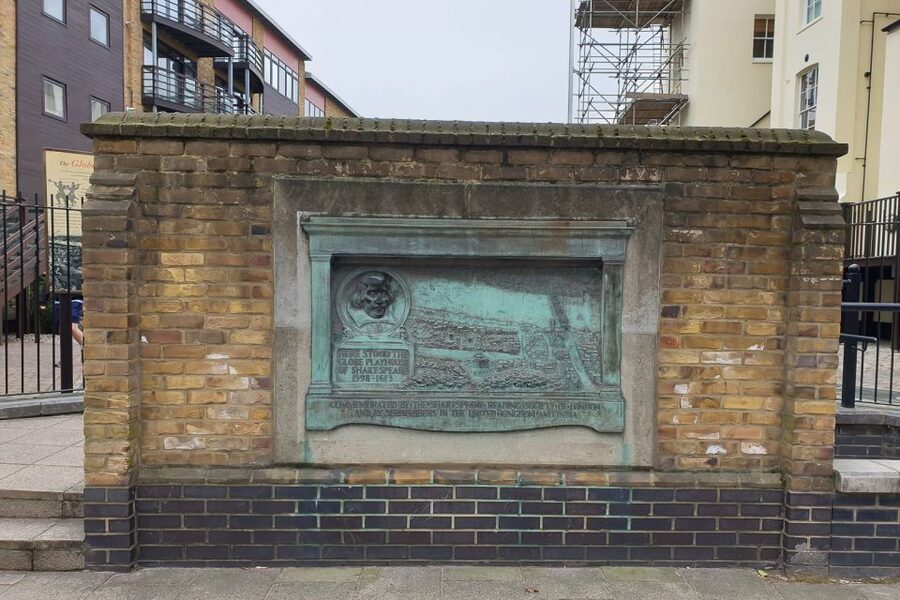
The Clink Prison Museum is one of the most famous names on the route. The word clink entered English as a term for prison, and the museum preserves the memory of a jail that became notorious for harsh conditions.
The walk takes you to the site and explains its role. It does not turn into a full museum visit, so you should not assume the entrance fee is included. If you are interested in prison history, the museum can be visited separately, but the tour itself gives you the context needed to understand why the name remains part of the language.
Seeing the Clink after Marshalsea helps show how imprisonment changed across the centuries. You hear about different institutions, different kinds of prisoners, and the way prisons were woven into the commercial life of the borough.
This part can be grim, but the guide’s tone keeps it accessible. Tom, named as a guide for several departures, is especially good at answering questions and making difficult material easy to follow. He is also praised for giving the right amount of detail rather than burying the group under dates.
From Shakespeare’s first Globe site to the modern theatre
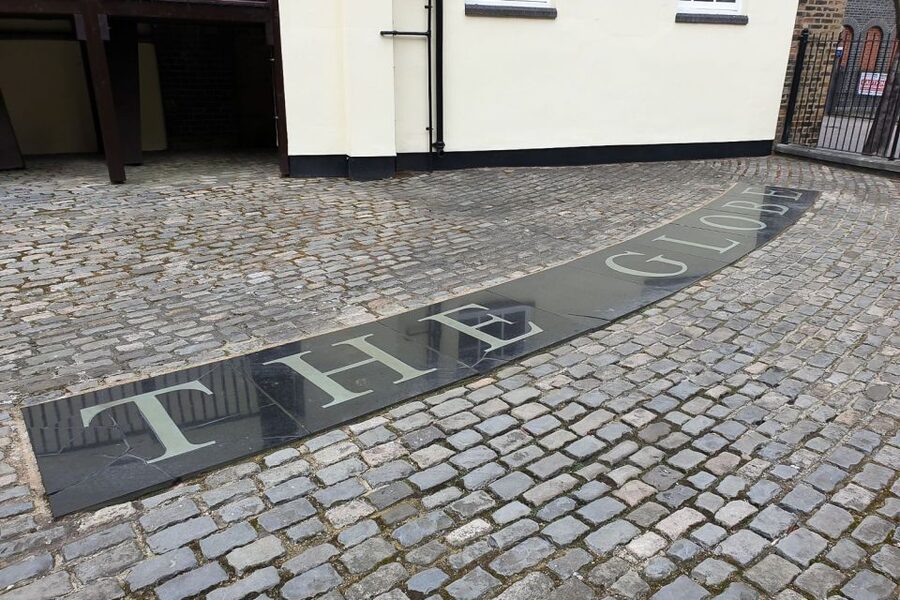
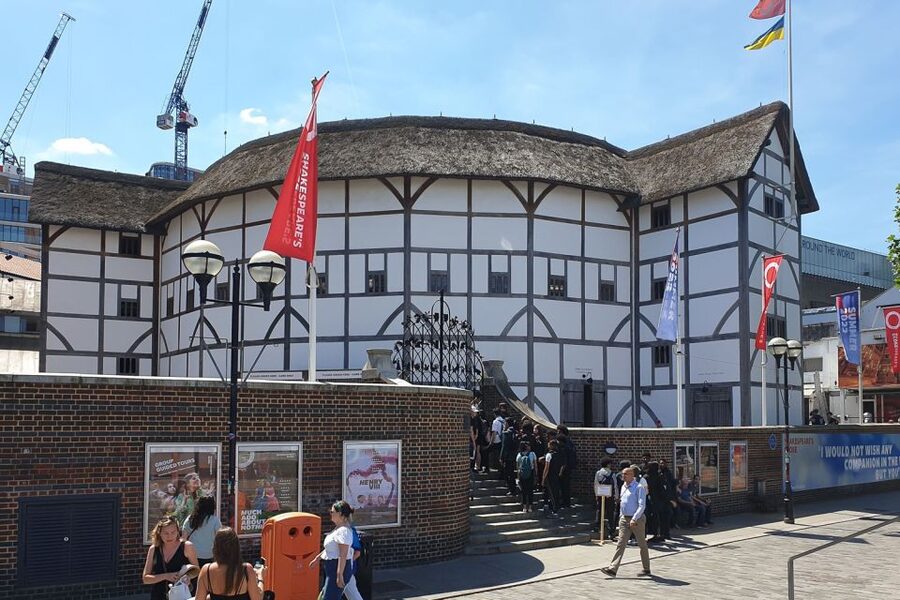
The final section focuses on Shakespeare. The route visits the original site of the Globe Theatre and then ends near the present Shakespeare’s Globe.
Southwark’s theatres were part of the same world as its inns, markets, brothels, and prisons. Audiences came across London Bridge for entertainment, and the theatre district drew people from many levels of society. That makes Shakespeare feel less like a distant literary figure and more like part of a noisy, commercial neighborhood.
The original Globe site is not the same as entering a reconstructed theatre. You hear where it stood and how it fit into the old district. The modern Globe gives you a chance to continue the story, but entrance is separate and the walking tour does not provide time for a full visit.
This is the one point where I would plan carefully. If you want to tour the Globe, see a performance, or spend time inside, book that as a separate activity on another part of your day. The walking tour finishes there, so you can continue on your own, but two hours is not enough to combine both experiences in detail.
What the guide adds to the two-mile walk
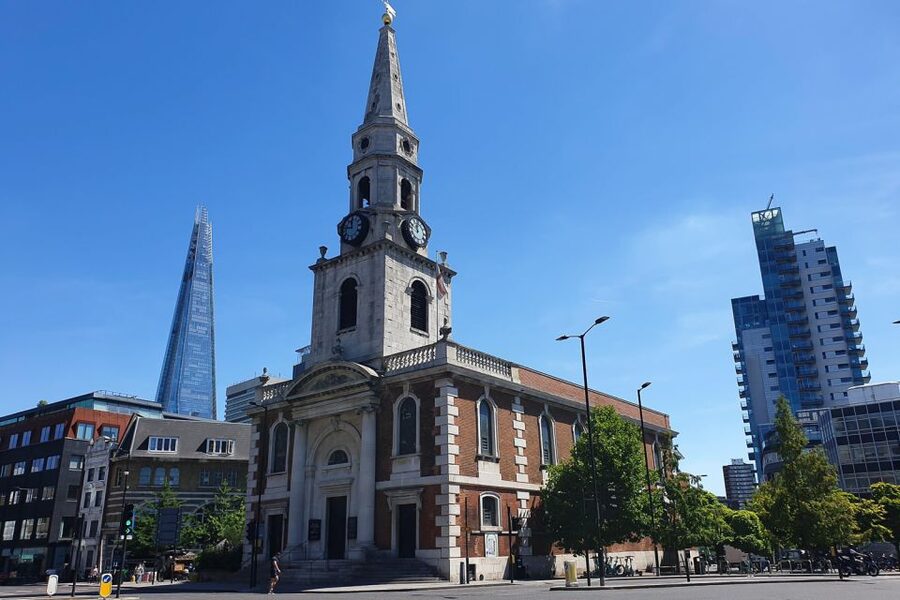
The route is not physically demanding for most people, but you are on your feet for about two miles, or 3.2 kilometers. The walking distance is modest. The real challenge is keeping up in crowded areas such as Borough Market and hearing clearly beside busy streets.
The small group limit of 15 is a real advantage. It allows the guide to keep the pace reasonable and respond to questions without turning every stop into a lecture. Tom is described as relaxed, friendly, articulate, and concise, with a good sense of humor. He also makes a point of checking that the group is managing comfortably.
One particularly useful touch is access to a link with the information covered on the walk. That matters because Southwark contains more names and dates than you can remember in one pass. You can enjoy the stories first and review the details later.
The best guides on this route do not merely list facts. They connect the places. A prison leads to Dickens, a market leads to medieval trade, a bridge leads to prostitution and theatre, and Shakespeare leads back to the rough public life of Southwark.
Is $26 good value for this London walk?
At $26 per person, the tour offers solid value if you want an organized introduction to an area you might otherwise pass through quickly. You get two hours with a live English-speaking guide, a route covering 14 significant stops, and a small group capped at 15 people.
The price does not include entry to the Globe, the Clink Prison Museum, the Old Operating Theatre Museum, or Southwark Cathedral. That is not a problem if you only want an outdoor history walk, but the extra costs matter if you hope to see interiors.
The tour is also good value because many of the sites are easy to miss. Without a guide, you could walk past a prison wall, palace ruin, or old theatre site without understanding its importance. The tour gives you the framework to return later and explore the places that interest you most.
Free cancellation up to 24 hours before the start and the option to reserve now and pay later make the booking less rigid. Check the departure time when booking, since start times vary.
Who should book Booze, Brothels & the Bard?
I would choose this tour if you want London history with a sharper edge than the usual royal and museum route. It suits adults, older teenagers, Dickens fans, Shakespeare fans, and anyone curious about how crime, sex, religion, trade, and entertainment shaped one small part of London.
It is also a good first walking tour. The route is clearly organized, the stops are close together, and the guide can answer questions as you go. If you are new to guided walks, the two-hour length gives you useful context without taking over your entire day.
I would hesitate if your main goal is to enter historic buildings. This is primarily an outdoor tour, and several stops last only about five minutes. It is also not the right choice for children under 13 or for anyone who dislikes frank discussion of prostitution, prisons, and death.
My verdict on this Southwark history tour
Book it if you want the stories behind the street corners. The strongest parts are the links between Southwark’s prisons, brothels, markets, churches, and theatres, along with the chance to see the district through Dickens’s and Shakespeare’s worlds.
Plan a little extra time before or after for Borough Market, Southwark Cathedral, the Clink, the Old Operating Theatre, or the Globe. The walk gives you the map and the meaning. Your own follow-up visits can supply the longer look.
FAQ
Where does the tour begin?
It begins just outside Borough Station on Borough High Street. Look for the guide holding an Historic London Tours sign.
Where does the tour finish?
The tour finishes near Shakespeare’s Globe Theatre, close to London Bridge Station.
How long is the walking tour?
The tour lasts about two hours.
How far do I walk?
The total distance is about two miles, or 3.2 kilometers.
What language is the tour in?
The live tour guide speaks English.
How large is the group?
Ticket sales are limited to 15 attendees.
Is the Globe Theatre entrance included?
No. The walk visits the original Globe site and the modern Globe from the outside. A separate ticket is needed to enter the theatre.
Can I visit Borough Market during the tour?
The route passes through Borough Market and includes a guided stop. You may want to return later if you wish to browse at length or eat.
Is the tour suitable for children?
Children under 13 are not permitted.
Can I cancel my booking?
You can cancel up to 24 hours in advance for a full refund. You can also reserve now and pay later.
Just added around London
- London: “Queen” Highlights Walking Tour★ 4.3 · 48 reviews
- Couple’s photo: Romantic photoshoot in London★ 4.8 · 22 reviews
- Luxury Private Tour in London with Lunch★ 5.0 · 7 reviews
- London 1- or 2-Hour Professional Photo Shoot★ 4.9 · 6 reviews
- London: Private Tour with Locals – Highlights & Hidden Gems★ 5.0 · 8 reviews
- London: Private Black Cab Night Tour with Hotel Pick Up★ 5.0 · 11 reviews
- London: Christmas Lights Tour – With Christmas Music★ 4.8 · 9 reviews
- London: Private Pub Tour★ 4.5 · 4 reviews