
Reviewed · JACK THE RIPPER TOURS
London: Jack The Ripper Walking Tour
Jack the Ripper’s crimes happened in real streets, not on a museum display. This 150-minute walk takes you through Whitechapel and the East End, linking murder sites with the cramped social world of Victorian London. The focus is less on a ghost story and more on the people, evidence, and police failures behind one of history’s most famous unsolved cases.
I like the respectful treatment of the five victims, who are presented as people rather than props in a horror tale. I also like the wider setting: Mitre Square, Petticoat Lane, Spitalfields Market, and Brick Lane help you see how the old East End fits into present-day London. The main drawback is practical: you spend the whole tour outside, so cold, rain, and tired legs can make the final hour harder.
Key points to know before you book
- The tour begins at Aldgate Station, not Aldgate East, beside Hotel Saint at 9 Aldgate High Street.
- A yellow umbrella identifies the guide, a useful detail in a busy station area.
- The route covers real crime locations, including Mitre Square and streets around Whitechapel.
- Guides including Carolina, Eric, and Adam favor facts and context over a sensational horror show.
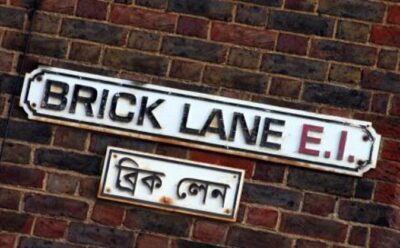
- Spitalfields Market and Brick Lane add everyday East End life to the darker subject.
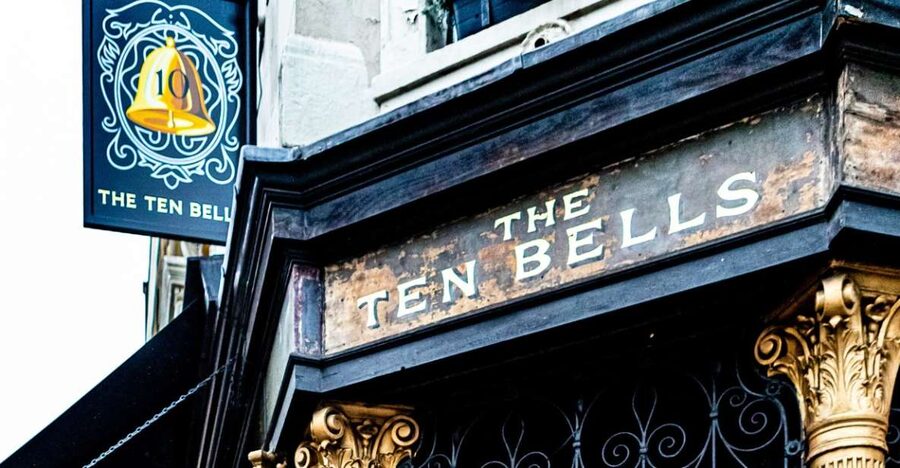
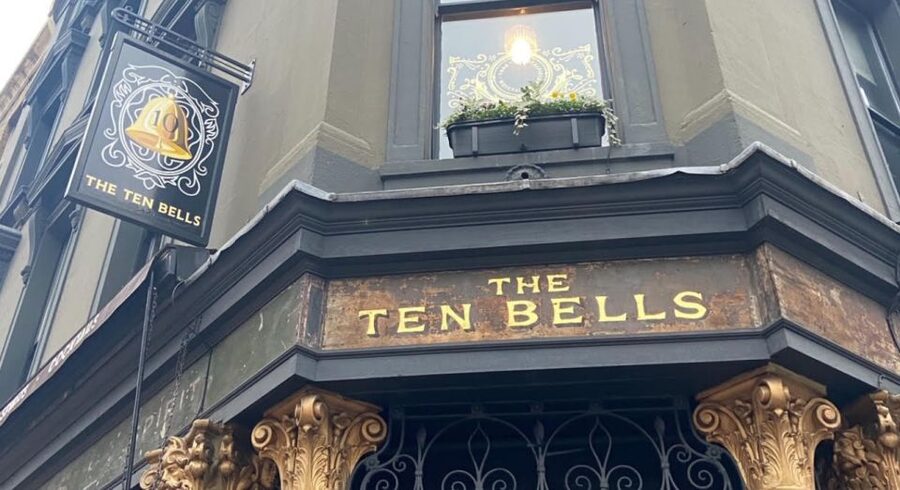
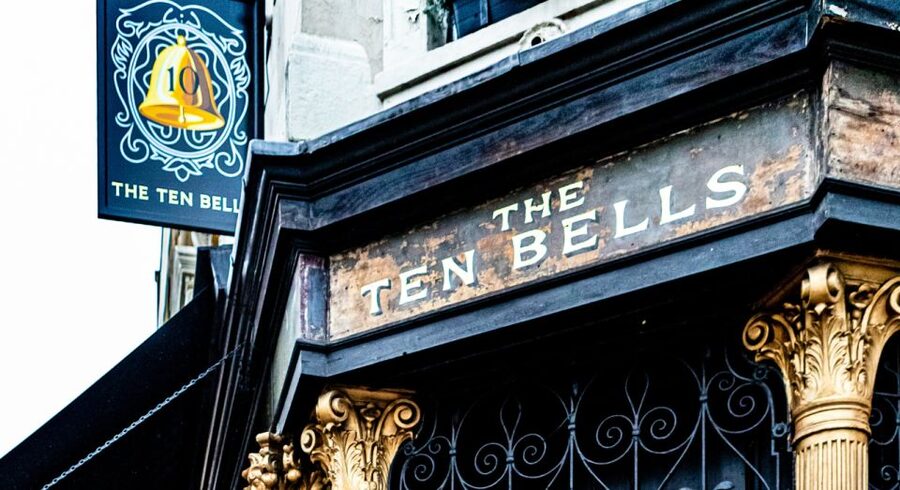
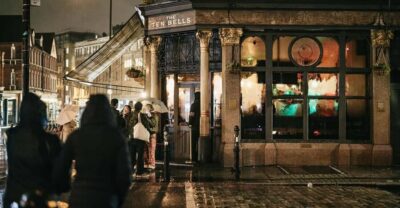
- The walk finishes at the Ten Bells, where you can stop for a drink after the tour.
Whitechapel begins at Aldgate Station
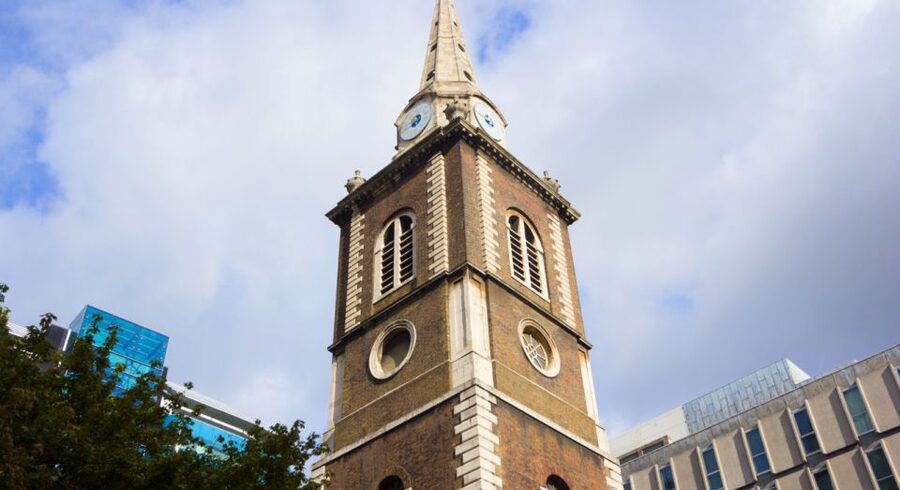
Meet outside Aldgate Station beside Hotel Saint, at 9 Aldgate High Street, EC3N 1AH. Be careful with the station name: Aldgate and Aldgate East are different stops. The tour starts at Aldgate, and the guide will be holding a yellow umbrella.
That small meeting detail matters. Aldgate is in a busy part of London, and a clear marker saves you from scanning every face near the station entrance. I would arrive with enough time to confirm you are at the correct exit, especially if you are unfamiliar with London’s Underground stations.
From the first steps, the tour places the murders in the East End rather than treating them as a loose collection of spooky stories. You walk through streets that have changed greatly, while the guide explains the Victorian conditions that shaped the lives of the victims and the police response.
The subject is mature. Murder, poverty, and prostitution are part of the discussion, and the guide does not change the material for younger children. Participation is left to a parent or guardian, but an age of 14 or older is recommended.
More Jack the Ripper Tours:
- London: The Original Jack the Ripper Walking Tour
★ 4.7 · 7,833 reviews - London Jack the Ripper Guided Tour with Ripper-Vision
★ 4.5 · 4,840 reviews - London: Jack the Ripper Small Group Tour
★ 4.7 · 3,159 reviews
Mitre Square and the central mystery
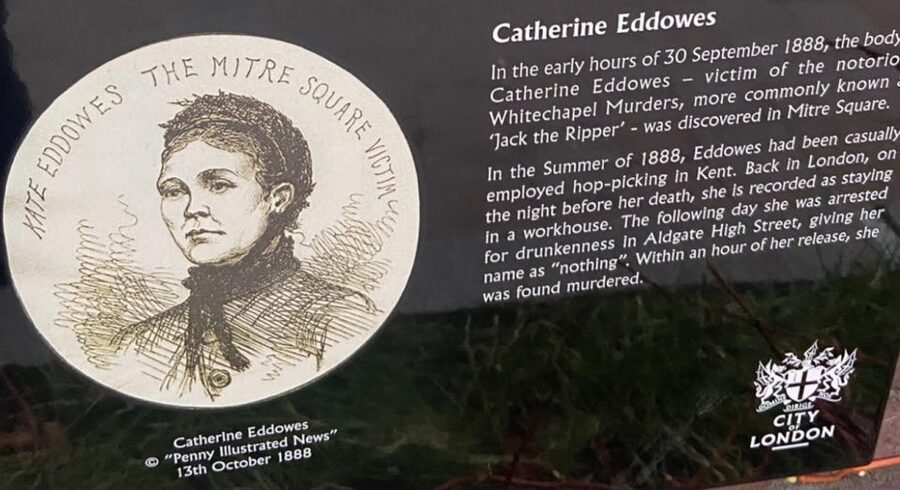
Mitre Square is one of the most important stops because it connects the case to a specific place. Here, the guide can explain what happened, how the scene fit into the wider investigation, and why evidence from the murders has produced so many theories.
The value of seeing the location is not simply atmosphere. A street map can make the case feel abstract, while standing in the area helps you think about distance, movement, lighting, and the relationship between streets. The tour uses those physical details to frame the question of who Jack the Ripper may have been.
You will hear about clues and competing theories rather than receive a neat answer. That is the right approach for an unsolved case. The guide’s job is to separate known evidence from guesswork, and the strongest part of the experience appears to be this fact-based structure.
Adam has been praised for bringing strong subject knowledge and enthusiasm to the subject. Carolina has also been singled out for clear speaking, a steady volume, and careful treatment of the women at the center of the story. Eric’s approach places the victims first and gives the Victorian setting more weight than the killer’s legend.
The exact tone can depend on who leads your group. The supplied information names Carolina, Eric, and Adam, but it does not guarantee a particular guide on a particular date.
The canonical five, treated as people
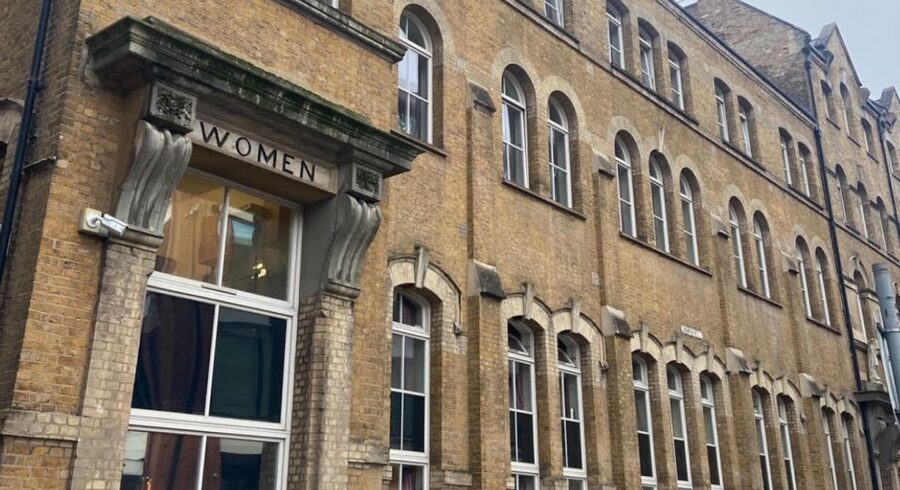
The tour covers the five victims often called the canonical five. Their stories are not used only as steps in a murder puzzle. Instead, the guide places their lives within the social conditions of the Victorian East End.
That distinction matters. A Ripper walk can easily become a parade of grisly details, with the victims pushed to the edge of the story. Here, the strongest reported feature is the effort to present them with dignity and to explain the world they lived in.
You should still expect disturbing material. The route concerns real killings, and the guide discusses the circumstances directly. This is not a light sightseeing walk or a family attraction built around harmless scares.
I would choose this experience if you want true crime with social context. If you only want a quick collection of eerie photographs, the two-and-a-half-hour format may feel too serious. The walk asks you to listen, think, and remember that real people were involved.
Petticoat Lane and the changing East End
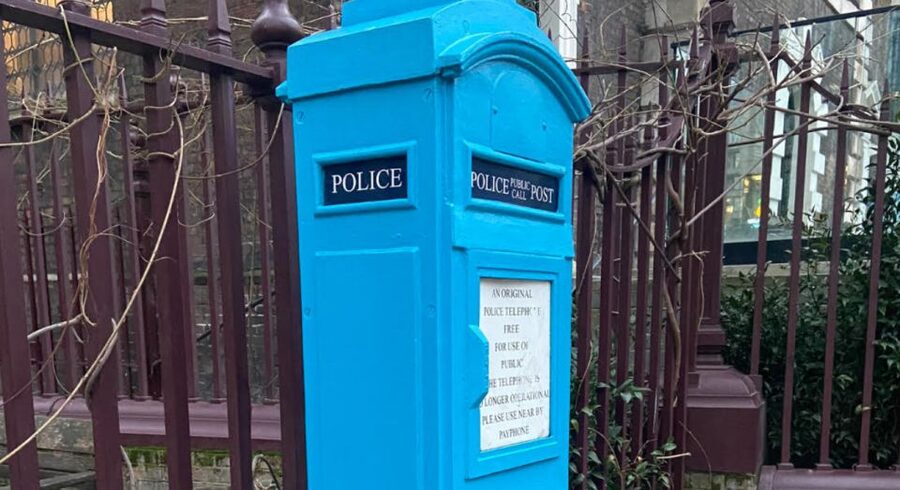
Petticoat Lane adds a useful contrast to the crime scenes. The stop connects the Ripper story with the wider East End, where trade, work, crowded streets, and daily survival formed the backdrop to the murders.
The route is not only about locations where bodies were found. It also shows how the district functioned as a living part of London. That broader view helps explain why the case captured public attention and why the police investigation became such a major event.
You may find that some streets feel ordinary today. That is part of the point. Modern shops, traffic, and crowds can make it hard to picture the district over a century ago, so the guide’s explanation does much of the work. Pay attention to the spoken context rather than expecting every stop to look preserved.
This is also where the walking format earns its price. At $18 per person, you are paying for a local guide’s narrative and route, not admission to a building or a display of artifacts. The value rises if you enjoy place-based storytelling and historical detail.
More London Walking Tours:
- Magical London: Harry Potter Guided Walking Tour
★ 4.7 · 22,044 reviews - Tour for Muggles The Ultimate Harry Potter Walking Tour in London
★ 5.0 · 4,684 reviews - London Jack The Ripper Guided Walking Tour
★ 5.0 · 3,131 reviews - London: Harry Potter Movies Walking Tour (Kids Go Free)
★ 4.7 · 3,071 reviews
Spitalfields connects crime with ordinary London
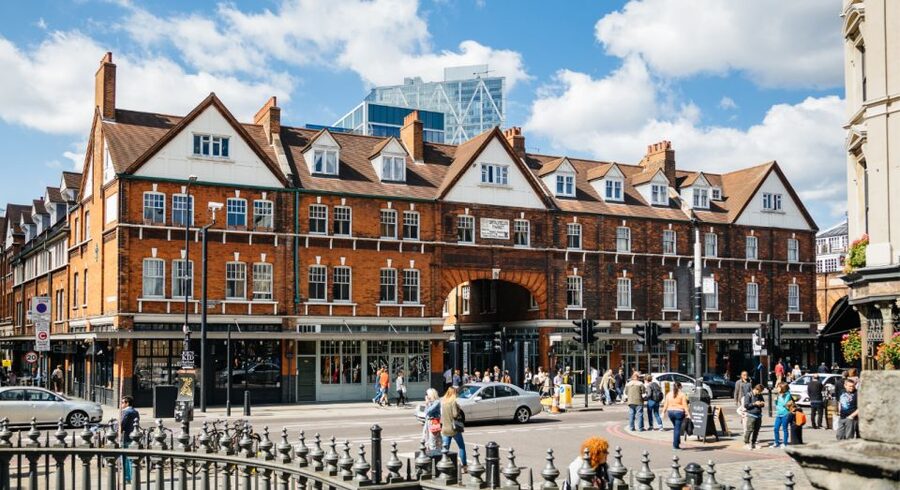
Spitalfields brings the tour into one of the East End’s best-known areas. The stop helps tie the Ripper story to a neighborhood that now draws people for food, markets, shops, and architecture.
Old Spitalfields Market is included in the route. It gives you a break from a narrow focus on murder and places the investigation within a district that has long had commercial and social importance.
Do not expect the market to recreate Victorian London. It is a present-day landmark, and the surrounding area has changed. Its value lies in the contrast between the modern East End you can see and the older world the guide describes.
This contrast is one of the better reasons to book a walking tour instead of reading about the case in your hotel room. You move through active neighborhoods while the guide explains what has been lost, what has changed, and how the case still shapes the area’s image.
Brick Lane adds color, but not a break from walking
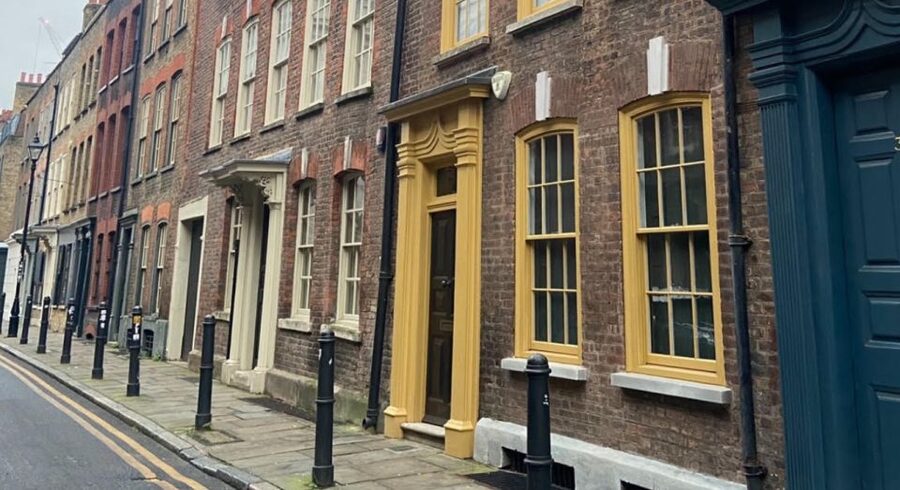
Brick Lane is another present-day East End landmark on the route. It adds local character and gives you a sense of the wider neighborhood beyond the crime scenes.
The stop also keeps the tour from feeling like a single repeated pattern of alley, murder detail, and theory. You are shown several recognizable parts of East London, with the Ripper case used as a thread connecting them.
Still, the route remains a walking tour from start to finish. There is no stated indoor section, and the full duration is 150 minutes. In poor weather, that can be a real issue. One review describes freezing temperatures, rain, and wind making the experience difficult, while also noting that the guide had strong knowledge and enthusiasm.
Bring suitable clothing and shoes. The tour does not list a weather plan or scheduled pub breaks along the route. The Ten Bells is the finishing point, not a guaranteed indoor stop during the walk. If rain is likely, a waterproof coat and an honest assessment of your stamina are more useful than hoping the weather will improve.
The Ten Bells is the natural finish
The tour ends at the Ten Bells pub in Spitalfields, a famous location connected with the Ripper story. You can stop for a drink after the walk, which gives the experience a social finish instead of ending abruptly on a street corner.
The pub is not presented as an included drink or a dedicated indoor lecture. Think of it as an optional place to continue the evening. After two and a half hours of dark subject matter, you may welcome the chance to talk over the evidence in a more relaxed setting.
The ending also suits the route. You have moved from Aldgate through Whitechapel, Mitre Square, Petticoat Lane, Spitalfields, and Brick Lane, then arrive at a location strongly associated with the case. It creates a clear sense of place, even though the tour itself does not promise exclusive access or a reserved table.
What the guide style means for your experience
The guide makes a major difference on a story like this. The most praised qualities are clear delivery, strong command of the subject, and respect for the victims.
Carolina is described as an engaging speaker who gives detailed context about Victorian London and speaks clearly enough that you should not miss the explanation in an outdoor group. Eric is associated with a fact-based presentation that gives priority to the victims rather than treating Jack the Ripper as a celebrity. Adam is described as enthusiastic and well informed, though one account found the chosen stops less closely tied to the subject than expected.
That range is worth keeping in mind. The tour has a shared route and theme, but the storytelling can feel different depending on the guide and conditions. A strong guide can make an ordinary modern street feel important. Bad weather or a less satisfying stopping point can reduce the impact.
The tour is offered in English with a live guide. The information provided does not state the group size, so you should not book expecting either a private walk or a guaranteed small group.
Who will get the most from this walk
I would recommend it to you if you enjoy:
- True crime presented with evidence and historical context
- Walking through real locations instead of viewing a museum display
- Social history, especially the lives of working people in Victorian London
- Serious storytelling that avoids treating murder as a joke
- Seeing Whitechapel, Spitalfields, and Brick Lane in one route
You may want another activity if you dislike murder stories, have limited walking ability, or need frequent indoor stops. The tour is not suited to wheelchair users, people with mobility impairments, or people with a low level of fitness. Pets and large bags are not allowed.
The 150-minute length is long enough to build a full story, but it is not an easy stroll with lots of free time. You need to remain with the group and listen outdoors for most of the session.
Is $18 a fair price?
At $18, the tour is reasonably priced for a guided London walk lasting two and a half hours. You are getting a route through several East End landmarks, local interpretation, discussion of the evidence, and an account of the five victims.
The price is especially fair if you would otherwise spend the afternoon walking through Whitechapel without knowing which places matter. A guide gives the streets a clear purpose and helps connect the police investigation, the victims’ lives, and the identity theories.
The value is less certain if you want indoor comfort, museum exhibits, or a short activity. You are paying for the guide’s voice and research, and the experience depends heavily on weather and delivery. At this price, I see it as a good addition to a London trip, provided you understand that it is an outdoor history walk rather than a polished theatrical show.
Booking tips for a smoother walk
Book only if you can manage a full 150 minutes on foot. Wear comfortable shoes, check the forecast, and bring waterproof layers when needed.
Double-check the meeting point before leaving: Aldgate Station, beside Hotel Saint, 9 Aldgate High Street. Do not go to Aldgate East Station. Look for the yellow umbrella.
The activity allows cancellation up to 24 hours before the start for a full refund, and you can reserve now and pay later. Those options help if your London plans may change, but they do not solve the main practical concern: you will still be outside for much of the experience.
Should you book the Jack the Ripper walking tour?
Book it if you want a serious, place-based look at the Whitechapel murders and the people affected by them. The respectful focus on the canonical five, the Victorian social setting, and the unresolved evidence gives the tour more substance than a simple scare walk.
Skip it if you want a short indoor activity, have trouble walking for two and a half hours, or dislike mature subjects. Also think twice if your visit falls during cold rain, since there is no stated plan for moving the talk indoors.
For the right audience, $18 is a sensible way to spend an afternoon in London’s East End. Bring warm layers, meet at the correct Aldgate station, and expect history and human tragedy first, mystery second.
FAQ
Where does the Jack the Ripper tour start?
The tour starts at Aldgate Station beside Hotel Saint, at 9 Aldgate High Street, London, EC3N 1AH.
Should I go to Aldgate or Aldgate East Station?
You should go to Aldgate Station. The meeting point is not at Aldgate East Station.
How will I identify the guide?
Look for a guide holding a yellow umbrella outside the meeting point.
How long does the tour last?
The walking tour lasts 150 minutes, or two and a half hours.
What language is the tour in?
The live guided tour is conducted in English.
Which places are included on the route?
The route includes Whitechapel, Mitre Square, Petticoat Lane, Spitalfields, Old Spitalfields Market, Brick Lane, and the Ten Bells pub.
Does the tour visit real crime scenes?
Yes. The walk visits real Jack the Ripper crime locations around Whitechapel, including Mitre Square.
Is the tour suitable for children?
The tour includes mature themes such as murder and prostitution. Children may attend at a parent or guardian’s discretion, but an age of 14 or older is recommended. The guide will not alter the tour for children.
Is the tour suitable for wheelchair users or people with limited mobility?
No. It is not suitable for wheelchair users, people with mobility impairments, or people with a low level of fitness.
Just added around London
- London: “Queen” Highlights Walking Tour★ 4.3 · 48 reviews
- Couple’s photo: Romantic photoshoot in London★ 4.8 · 22 reviews
- London 1- or 2-Hour Professional Photo Shoot★ 4.9 · 6 reviews
- London: Private Tour with Locals – Highlights & Hidden Gems★ 5.0 · 8 reviews
- Luxury Private Tour in London with Lunch★ 5.0 · 7 reviews
- London: Private Black Cab Night Tour with Hotel Pick Up★ 5.0 · 11 reviews
- London: Christmas Lights Tour – With Christmas Music★ 4.8 · 9 reviews
- London: Private Pub Tour★ 4.5 · 4 reviews
Jack the Ripper Tours, compared.

London Jack the Ripper Guided Tour with Ripper-Vision
Read our review →
German Language : Original Jack the Ripper Tour
Read our review →
Jack the Ripper Walking Tour – Ripper Vision Tours
Read our review →
Ultimate Jack the Ripper : Guided Tour of London
Read our review →
Browse the lists this tour appears in