
Reviewed · TOWER BRIDGE TOURS
London: Tower Bridge Entry Ticket
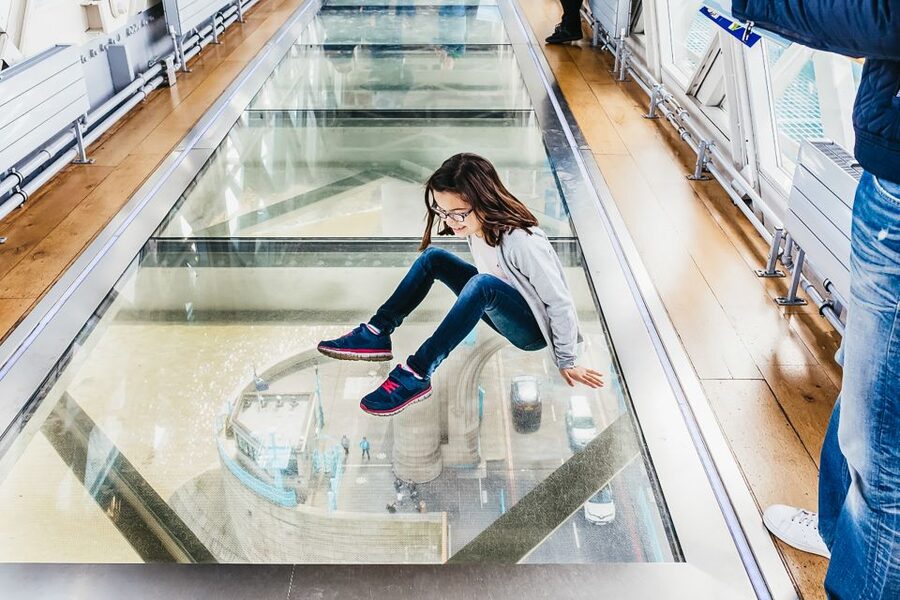
The best part of this visit is the chance to look straight down from 42 metres above the Thames. The glass walkway puts London traffic, riverboats, and the river itself beneath your feet, while the towers and Engine Rooms explain how this famous crossing actually worked.
I like the clear displays about the bridge’s design, and I like that the ticket includes both towers and the old machinery rooms. The main thing to keep in mind is that this is not a fast-track ticket. You still join the outside queue, and bags are searched before entry.
Tower Bridge Entry Ticket: Key Points
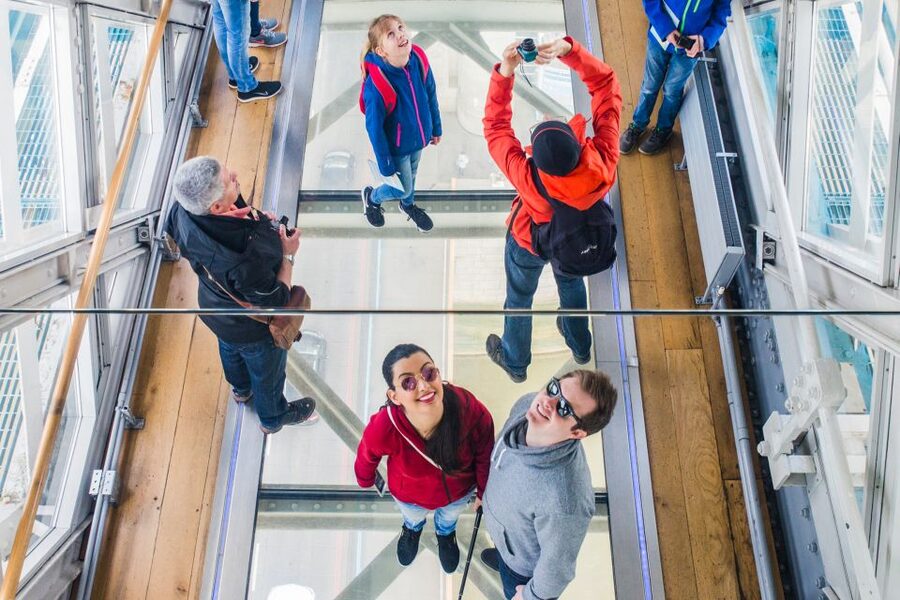
- Glass walkway at 42 metres: Look down through glass panels at the Thames, road traffic, and passing boats.
- Both bridge towers included: Visit the North and South Towers, with views from each side of the upper walkways.
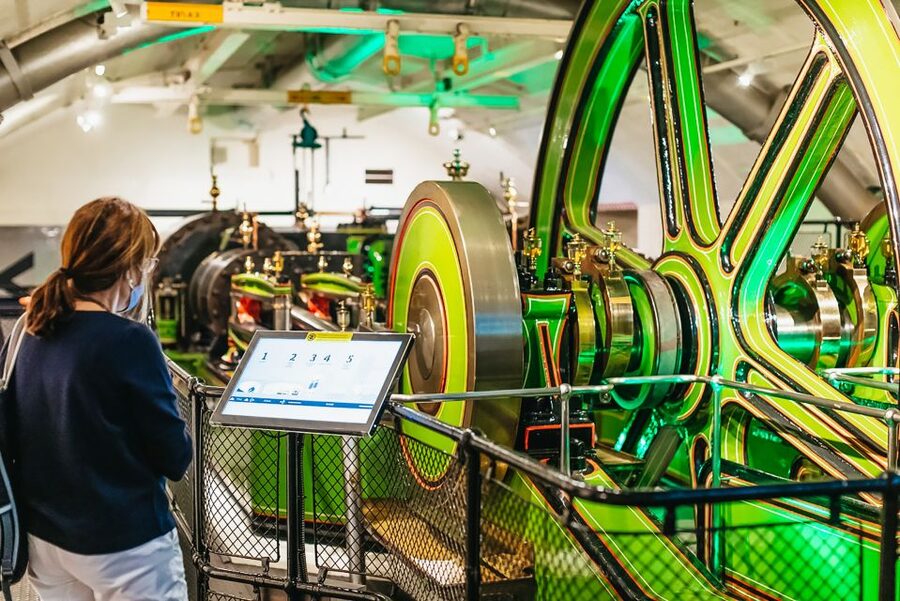
- Victorian Engine Rooms: See the machinery that once raised the bridge and learn how more than 80 workers operated it.
- Blue Line workers’ tribute: Follow the route from the towers toward the Engine Rooms and learn about the people who kept the bridge moving.
- Flexible one-hour visit: The advertised duration is one hour, though families and keen photographers may spend longer.
- Wheelchair accessible: Wheelchairs and prams are allowed, but all bags and mobility equipment are subject to search.
Why Tower Bridge Is Worth Your Time
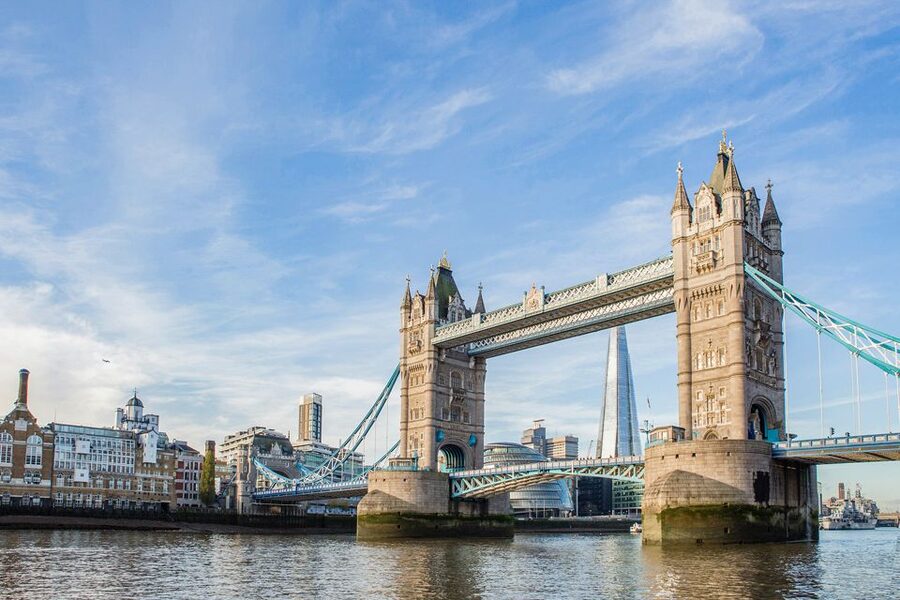
Tower Bridge can look like a simple photo stop from the riverbank. Up close, it becomes a working piece of Victorian engineering with a public walkway high above the road.
I especially like the mix of views and machinery. You are not only looking at London from an unusual height. You are also learning why the bridge was built, how its design was chosen, and what it took to raise the roadway for river traffic.
At around $21 per person, the ticket is good value if you want more than a quick photograph. You get entry to both towers, the glass floor, the walkways, and the Engine Rooms. The visit is also easy to fit between other sights near the Thames.
The value is less clear if you only want a panoramic view. London has many free viewpoints, and the visit can be brief if you move quickly through the displays. You are paying for the combination of a landmark, a museum-style exhibition, a high-level walkway, and the original machinery.
More Tower Bridge Tours:
- London: Westminster to Tower Bridge River Thames Cruise
★ 4.5 · 6,127 reviews - The London Pass®: 100+ Things To Do – Includes Tower Bridge
★ 3.5 · 1,916 reviews - London: VIP Tower of London & Tower Bridge Early-Access Tour
★ 4.8 · 862 reviews
Arriving at the North Tower
The entrance is on the western side of the North Tower. Look for the outside queue and allow time for the arrival process, since this ticket does not give you fast-track access.
Tower Bridge operates a full bag-search policy. Bags must be no larger than 45 by 35 by 20 centimetres, and wheeled bags are not accepted. Wheelchairs and prams are allowed, but they are searched too.
This matters most if you are carrying luggage after checking out of a hotel. A small daypack should be fine within the stated limits, but a suitcase is not suitable. Pack lightly and you will have an easier start.
The ticket is timed, although the exact starting times depend on availability. Some visitors have been admitted a little early, and staff have also helped people delayed by transport or arriving a few minutes late. I would not plan around that kindness, but it is reassuring to know the staff can be practical when circumstances go wrong.
Climbing Through Both Towers
Inside, you begin the upward section toward the walkways. Lifts are available, and the bridge also has wide staircases. If you are comfortable using the stairs, they add a little more sense of the building’s height and structure.
The towers are not empty observation boxes. Displays explain the bridge’s construction, its design, and the decisions behind its appearance. Boards and videos break the information into manageable pieces, so you can read at your own pace instead of following a fixed guide.
That self-guided format suits most people. You can spend extra time on the engineering sections, move quickly through material your children find less interesting, or pause for photographs without holding up a group.
There is no guided tour included, and no guide’s name is provided for this ticket. That is a drawback if you prefer a storyteller to lead you through the building. On the other hand, you are free to set your own speed, and the information is presented in a straightforward way.
The Glass Walkway Above the Thames
The glass floor is the visit’s headline feature, and it earns that billing. From 42 metres up, you can look down at cars crossing the bridge and boats moving along the Thames.
If you are nervous with heights, the glass section may take a little nerve. You do not have to stride across it at once. A solid-sided route runs beside it, allowing you to hold the rail and move along until you feel ready.
I like that the glass floor is not the entire walkway. You can enjoy the view without forcing yourself into the most uncomfortable spot. Once you do step onto the panels, the sensation is unusual because you see the bridge structure, road, and river directly below.
It is also one of the better places on the visit for photographs. Be patient around the glass panels, especially when the bridge is busy. The view changes constantly as traffic passes below and boats move along the water.
The north and south walkways offer different angles, so visit both rather than stopping at the first one. One side may give you a better look toward the Tower of London and the central riverfront, while the other opens a different view along the Thames. The exact scene depends on weather, light, and what is moving on the river.
The walkways are enclosed, but conditions can vary. Heaters have been appreciated in colder weather, while fans have helped on hot days. Fresh air is limited in parts of the building, so a warm summer visit may feel stuffy.
More Tickets:
- London: St Paul’s Cathedral Entry Ticket
★ 4.7 · 9,813 reviews - London: London Eye and Madame Tussauds Combo Ticket
★ 4.7 · 7,428 reviews - Buckingham Palace: The State Rooms Entrance Ticket
★ 4.6 · 7,395 reviews - Windsor Castle Admission Ticket
★ 4.7 · 7,032 reviews
Learning How the Bridge Was Built
The exhibition material gives the bridge a human scale. You learn about its design and construction, but you also encounter the workers who built and operated it.
The Blue Line leads from the towers toward the Engine Rooms. It honours former workers who helped keep the bridge running, including people whose names are less familiar than the landmark itself.
That detail improves the visit. Tower Bridge is often treated as a decorative symbol of London, but it was also a workplace that required many hands. The displays help you picture the bridge as a daily operation rather than a frozen piece of architecture.
Videos and information boards explain the development of the bridge in a clear format. You do not need specialist engineering knowledge to follow the story. If you enjoy design, transport, or industrial history, you may want more time here than the advertised hour allows.
Children can take part in a cat trail hunt, an extra detail that may help keep younger visitors interested. The displays also work well for teenagers because the glass floor adds a physical element to what could otherwise be a standard museum visit.
Inside the Victorian Engine Rooms
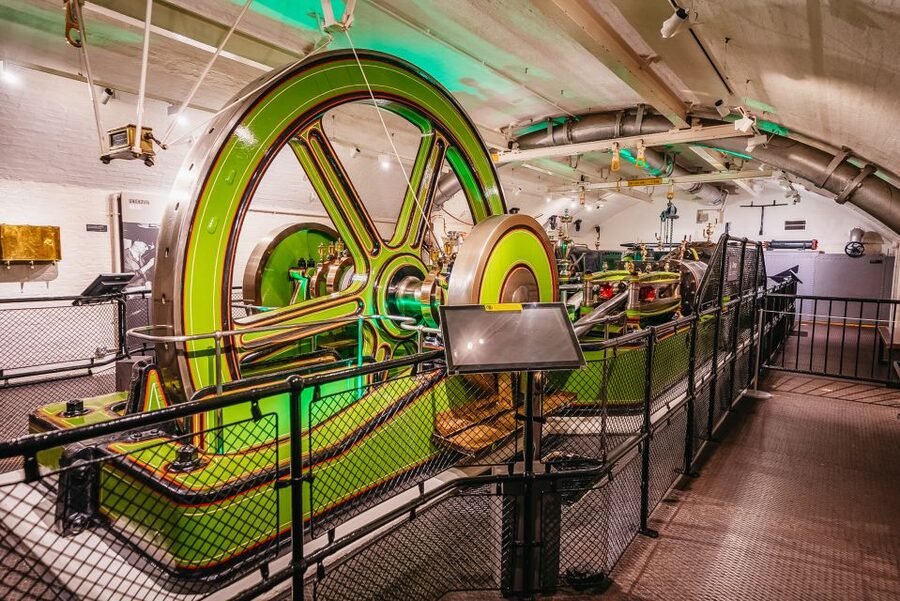
The Engine Rooms are the most satisfying stop for anyone who wants to understand the bridge’s mechanics. This is where the original system that powered the bascules is explained through machinery, photographs, and interpretation.
More than 80 people were needed to operate the engines and raise the bridge. That figure helps you grasp the scale of the old operation. Raising a bridge was not a push-button task handled by one unseen operator. It depended on equipment, timing, and a large workforce.
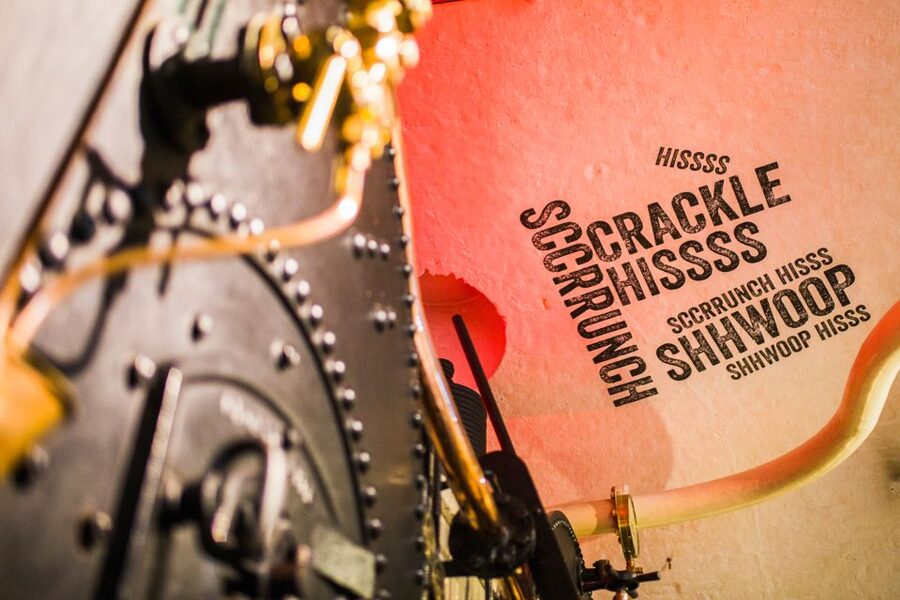
The Engine Rooms also change the mood of the visit. The glass walkway is about height and spectacle. The machinery rooms are about noise, muscle, maintenance, and routine. Together, the two sections show both the public face of Tower Bridge and the work behind it.
Old photographs of the workers add useful context. I would not rush this section simply because it comes at the end. It answers the practical question raised by the upper displays: how did the bridge actually move?
The Engine Rooms are included in the ticket, and that inclusion is important when judging the price. If you only walked across the upper bridge, the experience would feel shorter. With the machinery rooms added, the visit has a better balance of views, technology, and social history.
How Long to Allow
The stated duration is one hour. That is enough for a brisk visit through the towers, walkways, and Engine Rooms, especially if you do not read every board.
I would allow more time if you are visiting with children, taking photographs, or interested in the machinery. One family with children aged six and nine spent more than two hours enjoying the site, which shows how much the visit can expand when you allow time for the displays and photo stops.
Your timing may also depend on queues inside the bridge. Entry is managed so the upper areas do not become too crowded. That can mean waiting, but it also gives you a better chance to stand at the glass floor without a solid wall of people around you.
Early morning can be a sensible choice. A visit at around 9 a.m. has been described as having manageable lines, though crowd levels change by day and season. If photographs matter to you, earlier entry may make it easier to find a clear position at the glass panels.
Bridge lifts are a bonus rather than something you can count on. If the bridge happens to be raised during your visit, you get to see the landmark doing the job it was designed to do. Check the official lifting schedule if this is a priority, since the ticket itself does not promise a raising.
Is the Ticket Good Value at $21?
For central London, $21 is a reasonable price for a landmark visit that includes several distinct parts. You receive access to the two towers, both walkways, the glass floor, and the Engine Rooms rather than paying only for a viewpoint.
I would rate the value especially high for families and first-time visitors. Children get the height, the glass floor, and possibly the cat trail, while adults get the engineering story and historic photographs. The visit also works for solo visitors because staff can help with photographs, and you do not need to join a guided group.
The price is less attractive if you dislike heights, skip exhibitions, or have very limited time. The glass walkway is optional, but it is the feature that gives the ticket its special edge. If you only want to admire Tower Bridge from outside, the riverside views are free.
There is a gift shop at the end, and photo services are available. The on-site photo option can be fun, but check the image quality before ordering. A poor camera result has been reported, so do not assume every printed or emailed picture will be perfect.
Who Will Enjoy This Visit Most?
You should consider this ticket if you like landmarks that explain themselves rather than offering only a photo opportunity. It is particularly well suited to:
- Families with school-age children and teenagers
- Visitors interested in Victorian design or engineering
- People who want unusual views of London
- Solo visitors who appreciate helpful staff and self-guided pacing
- Anyone looking for a manageable one-hour attraction near the Thames
- Visitors who want an indoor activity in cold or wet weather
It may be less suitable if you strongly dislike heights or want a fully guided experience. The glass floor can be skipped, but the ticket does not include a guide, and the information is delivered through boards and videos.
The attraction is wheelchair accessible, and lifts make the upper levels easier to reach. Wheelchairs and prams are permitted, subject to the required search. Keep the bag-size rules in mind, particularly if you are bringing equipment for a small child.
Practical Tips for a Smoother Visit
Arrive with a small bag and expect a search. Start at the western side of the North Tower, where the entrance queue is located.
Use both walkways. The views are not identical, and the second side gives you another chance to photograph the river, traffic, and bridge structure.
If you are uneasy about the glass floor, begin with the solid walkway. You can watch other people cross, hold the side rail, and decide when you are ready. There is no need to turn the visit into a test of courage.
Take the stairs if you are physically able and want a stronger sense of the towers. Use the lift if you prefer comfort or need step-free access.
Keep the Engine Rooms in your plan. They are not a minor add-on. The machinery, worker photographs, and explanation of the lifting system give meaning to everything you saw above.
If you want a bridge lift, check the schedule before booking. Seeing the roadway rise can add a memorable working moment to the visit, but it is not guaranteed by this ticket.
Should You Book Tower Bridge?
Yes, if you want an iconic London sight with something real to explore inside. The glass walkway provides the thrill, but the Engine Rooms and worker displays give the visit lasting value.
Book it if you enjoy self-guided attractions, unusual city views, or practical engineering stories. Skip it if you only want an outside photograph, need guaranteed fast entry, or prefer a guide to explain every detail.
For most visitors, $21 buys a well-balanced hour, and possibly much longer. Come with a light bag, allow time for the queue, visit both walkways, and do not leave before seeing the Victorian machinery.
FAQ
Where is the entrance to Tower Bridge?
The entrance is on the western side of the North Tower. Join the outside queue, where the Tower Bridge team will help you enter.
Does this ticket include fast-track entry?
No. The pre-booked ticket does not provide fast-track or skip-the-line entry.
What parts of Tower Bridge are included?
The ticket includes entrance to Tower Bridge, both towers, the walkways, the glass floor, and the Victorian Engine Rooms.
How high is the glass walkway?
The glass walkway is 42 metres above the River Thames.
How long does the visit last?
The stated duration is one hour. You may spend longer if you take your time with the displays, photographs, and Engine Rooms.
Is Tower Bridge wheelchair accessible?
Yes. The attraction is wheelchair accessible. Wheelchairs and prams are allowed, but they are subject to search on arrival.
Are children under five charged admission?
No. Children under five enter free.
Can I cancel the booking?
Yes. You can cancel up to 24 hours in advance for a full refund. The reserve-now-and-pay-later option allows you to keep your plans flexible and pay nothing at the time of booking.
Just added around London
- London: “Queen” Highlights Walking Tour★ 4.3 · 48 reviews
- Couple’s photo: Romantic photoshoot in London★ 4.8 · 22 reviews
- London: Private Tour with Locals – Highlights & Hidden Gems★ 5.0 · 8 reviews
- Luxury Private Tour in London with Lunch★ 5.0 · 7 reviews
- London 1- or 2-Hour Professional Photo Shoot★ 4.9 · 6 reviews
- London: Private Black Cab Night Tour with Hotel Pick Up★ 5.0 · 11 reviews
- London: Christmas Lights Tour – With Christmas Music★ 4.8 · 9 reviews
- London: Private Pub Tour★ 4.5 · 4 reviews
Tower Bridge Tours, compared.
Westminster to Tower Bridge River Thames Cruise
Read our review →
The London Pass®: 100+ Things To Do – Includes Tower Bridge
Read our review →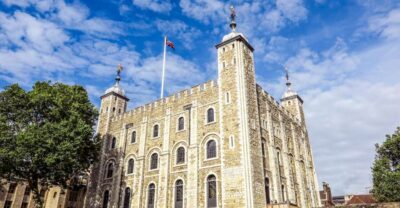
VIP Tower of London & Tower Bridge Early-Access Tour
Read our review →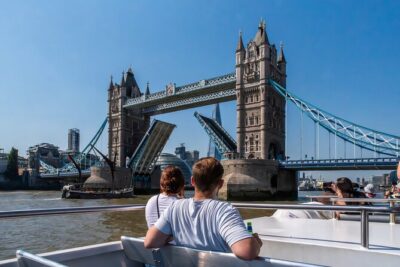
Tower Bridge River Sightseeing Cruise from Westminster
Read our review →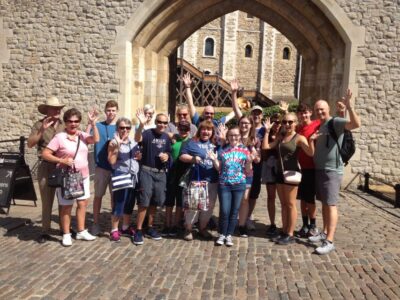
EasyAccess Tower Bridge & Engine Room & Scenic Thames Cruise
Read our review →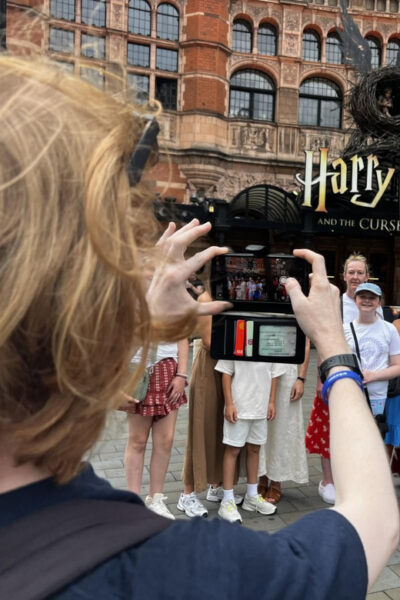
Harry Potter Walking Tour and Tower Bridge Ticket
Read our review →
Westminster to Tower Bridge Customized Tour with a Local
Read our review →Browse the lists this tour appears in