
Reviewed · BRITISH MUSEUM TOURS
London: 2-Hour Guided Tour of the British Museum
The Rosetta Stone, the Elgin Marbles, an Anglo-Saxon ship burial, and a Moai from Easter Island all appear on this two-hour British Museum tour. That is a lot of human history in one short sitting, but a licensed guide helps you focus on the museum’s major treasures instead of wandering its huge galleries without a plan.
I like the route for two reasons: it brings together famous objects from very different cultures, and it gives you a useful first look at a museum that can otherwise feel overwhelming. I also like the language choice, with tours offered in English, French, and Italian. The main drawback is time. Two hours is enough for highlights, not a slow, thoughtful look at every gallery.
Key points to know before booking
- Rosetta Stone and ancient Egypt: Begin with the object that helped scholars read Egyptian hieroglyphics, along with relics linked to pharaohs.
- Parthenon sculptures: See the controversial Elgin Marbles and learn how they connect to ancient Greek art and architecture.
- Roman art and engineering: Expect statues, mosaics, gods, heroes, and a brief look at how Roman power shaped the ancient world.
- Sutton Hoo and Hoa Hakananai’a: Move from an Anglo-Saxon burial treasure to a Moai from Easter Island, two very different windows into belief and identity.
- A guide-led route: Filomena received specific praise for her friendly and informative approach, though one French-language booking became bilingual and felt rushed.
- Practical timing: The tour lasts two hours, costs $64 per person, and requires comfortable shoes.
Why this two-hour route works at the British Museum
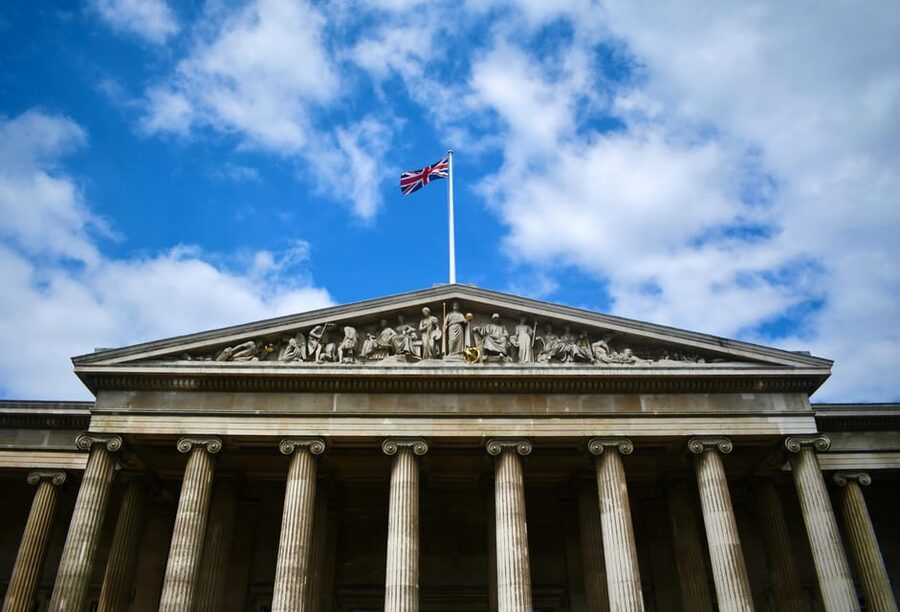
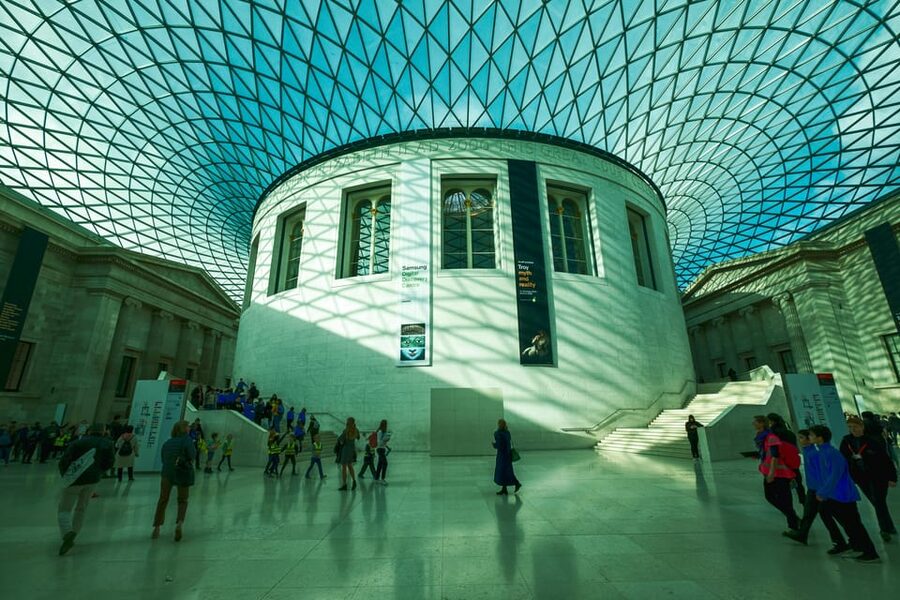
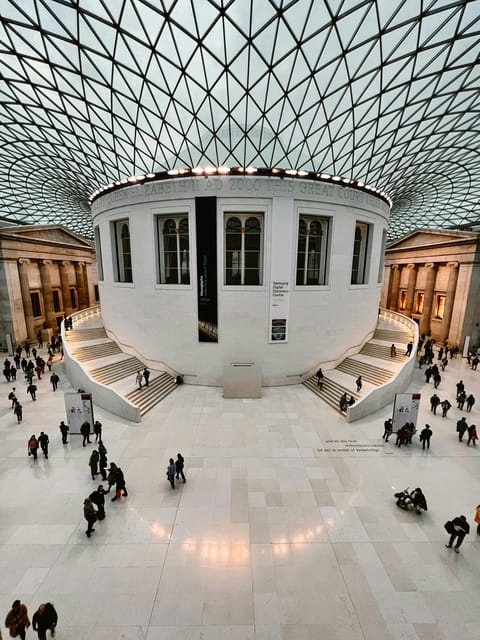
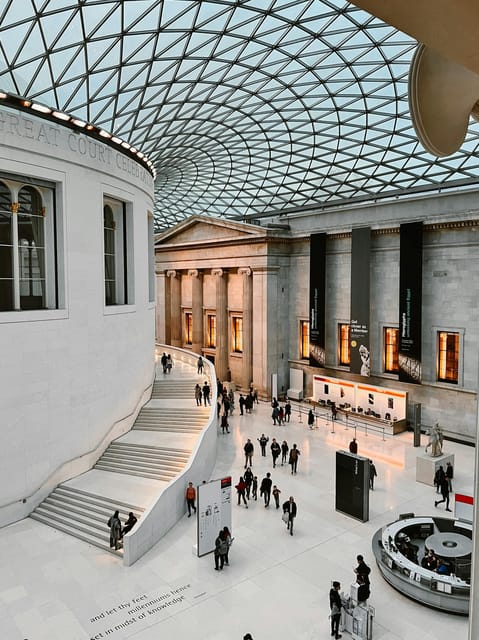
The British Museum is not a small collection you can casually stroll through before lunch. Its galleries cover objects from across the world and many thousands of years, so a first visit can leave you with plenty of impressive sights but little sense of how they fit together.
This tour gives you a framework. Instead of treating the museum as a long series of rooms, the guide links objects to larger questions: How do societies record language? Why do rulers commission giant monuments? What do burial goods reveal about status and belief? How do art and engineering express political power?
I appreciate that approach. A good museum tour should not simply point at famous objects and name their dates. It should help you see why the object mattered, what it tells you about the people who made it, and why it remains important now.
The pace is also useful if you have only a short stay in London. You can see several of the museum’s best-known pieces without spending half a day trying to plan a route. Still, you should book this expecting a highlights tour. The guide has to keep moving, and some stops will receive more explanation than others.
More British Museum Tours:
- London: British Museum Guided Tour
★ 4.3 · 1,182 reviews - British Museum London Guided Tour Semi-Private 8ppl Max
★ 5.0 · 984 reviews - London: Tour of the British Museum
★ 4.1 · 678 reviews
Starting with Egypt and the Rosetta Stone
The tour begins with ancient Egypt, a sensible choice because the museum’s Egyptian material is among its most recognizable. You will see relics associated with pharaohs and learn how Egyptian culture used writing, images, and monumental objects to preserve power and religious ideas.
The key stop is the Rosetta Stone. Its importance is not simply that it is old or famous. The stone carries the same decree in three forms of writing, which allowed scholars to compare the scripts and make progress in reading Egyptian hieroglyphics.
That makes it an excellent object for a guided visit. Without context, the stone can look like a dark slab covered in text. With an explanation, it becomes a practical tool that changed what historians could understand about ancient Egypt.
You should expect this part of the visit to be popular and visually busy. The guide’s job is to help you notice the details and grasp the reason the stone matters, rather than simply checking it off your list. If Egyptian art is your main interest, two hours will not be enough for every major piece, but this opening gives you a strong starting point.
Ancient Greece and the Parthenon sculptures
From Egypt, the route moves to ancient Greece, where the focus shifts toward art, architecture, philosophy, and public life. The most famous stop is the group of sculptures commonly called the Elgin Marbles, taken from the Parthenon in Athens and now held by the British Museum.
These sculptures are beautiful, but they are not a simple sightseeing stop. Their presence in London remains controversial, and a thoughtful guide can help you understand both their artistic importance and the dispute over their removal from Greece.
The pieces also make more sense when you consider their original setting. They were part of a major temple complex, not isolated decorations designed for a museum case. Looking at them here, you can study the carving closely, but you also lose the original connection to the Parthenon and the Acropolis.
That tension is one reason this section is valuable. You see exceptional ancient Greek sculpture while also confronting a major question about museums: Who should own important cultural objects, and how should they be displayed?
The tour also touches on marble inscriptions and the intellectual world of ancient Greece. You may hear about the relationship between art, civic identity, and philosophical thought. The route repeats the Parthenon’s importance in its Greek section, so expect the guide to use it as a central example rather than a quick passing stop.
Roman statues, mosaics, and imperial power
The Roman section changes the mood again. Greek art often brings to mind idealized bodies and temples, while Roman objects can point more directly toward empire, public life, engineering, and the personalities of rulers.
You will see statues depicting gods and heroes, along with intricate mosaics. These objects show how Roman visual culture borrowed from Greece but also adapted classical ideas for a vast imperial society.
Mosaics are especially useful in a guided setting. Their small stones form larger images, and those images could decorate floors, walls, or public buildings. They were not only pretty patterns. They could signal wealth, taste, religious devotion, or the power of the person who commissioned them.
The Roman stop is brief, so do not expect a full study of the empire’s rise and fall. Instead, the guide uses selected objects to show how Rome expressed authority and technical skill. You will get a compact look at emperors, gods, heroes, and engineering rather than a long chronological lecture.
I like this part because it breaks up the familiar sequence of famous monuments. After the Rosetta Stone and the Parthenon sculptures, the Roman galleries show how ideas moved between cultures and changed under new political conditions.
More 2-Hour Experiences:
- London: Ghastly Ghosts 2-Hour Walking Tour
★ 4.9 · 794 reviews - James Bond Shooting Locations 2-Hour Walking Tour of London
★ 4.7 · 332 reviews - London: 2-Hour Historic Pub Tour
★ 4.9 · 133 reviews - London: 2-Hour Guided Tour of the British Museum and History
★ 4.3 · 22 reviews
Sutton Hoo and the beginnings of English history
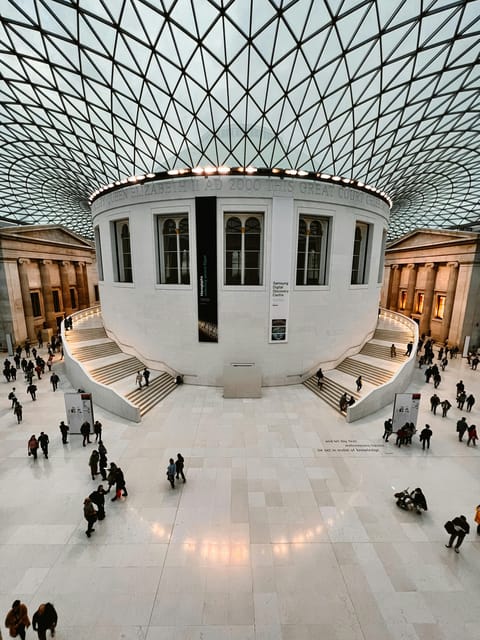
The visit then moves from the classical world to early England with the Sutton Hoo treasures. This is one of the most useful stops for anyone who wants to understand Britain beyond its Roman and medieval landmarks.
Sutton Hoo refers to an Anglo-Saxon ship burial that contained remarkable objects linked to status, warfare, trade, and ceremony. The artifacts offer clues about early English society at a time when written records are limited, making the physical evidence especially important.
A burial collection can tell you what a community valued. Precious materials suggest wealth and rank. Weapons can point toward military identity. Imported objects can hint at long-distance contact. Even when an object’s exact use is uncertain, it can still raise good questions about belief and social order.
This section also gives the tour a welcome local connection. Much of the route looks far beyond Britain, from Egypt to Greece, Rome, and Easter Island. Sutton Hoo reminds you that the story of human culture includes the people who lived in England long before the modern nation took shape.
The stop is likely to appeal to you if you enjoy archaeology more than monumental architecture. It is less instantly familiar than the Rosetta Stone, but it gives the tour a sense of place and helps connect world history to Britain.
Hoa Hakananai’a, a Moai far from Easter Island
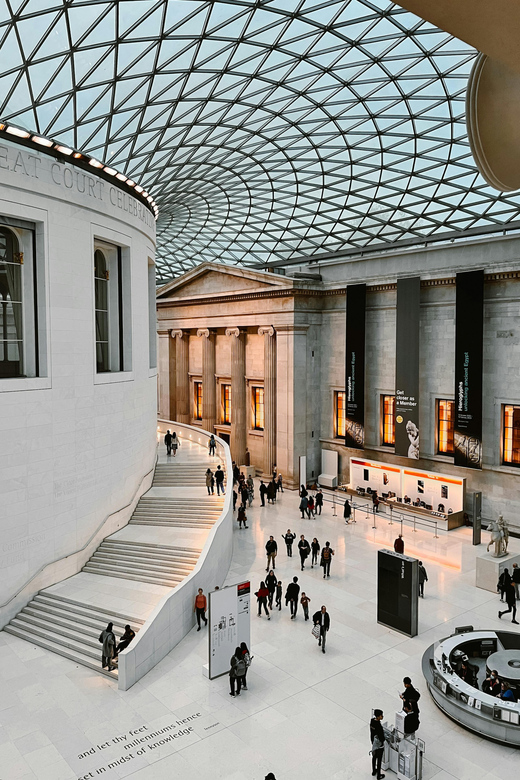
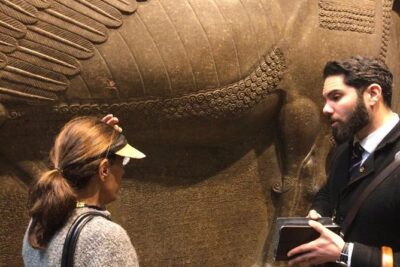
One of the route’s most unusual objects is Hoa Hakananai’a, a Moai from Easter Island. The statue brings the tour into the Pacific and introduces a culture whose artistic traditions and spiritual ideas are very different from those of ancient Egypt, Greece, Rome, or Anglo-Saxon England.
The Moai is more than a giant stone figure. It reflects the religious and social life of Rapa Nui, the island also known as Easter Island. Its scale and stillness make it a powerful museum object, but its setting in London also raises questions about what happens when sacred or culturally important objects are removed from their original communities.
That makes Hoa Hakananai’a a strong choice for this tour. It widens the story beyond the familiar civilizations often used to explain world history. You are asked to compare different ways communities represented ancestors, authority, and spiritual presence.
The object also provides a visual change after the smaller artifacts and carved details of the classical galleries. You will likely remember it because it is so different from the museum’s Egyptian, Greek, and Roman material.
As with the Parthenon sculptures, the museum setting is both useful and complicated. You can study the Moai closely, but you are seeing it away from the island and traditions that gave it meaning. The guide’s explanation matters here, since a quick photograph cannot provide that context.
What the guide adds to the experience
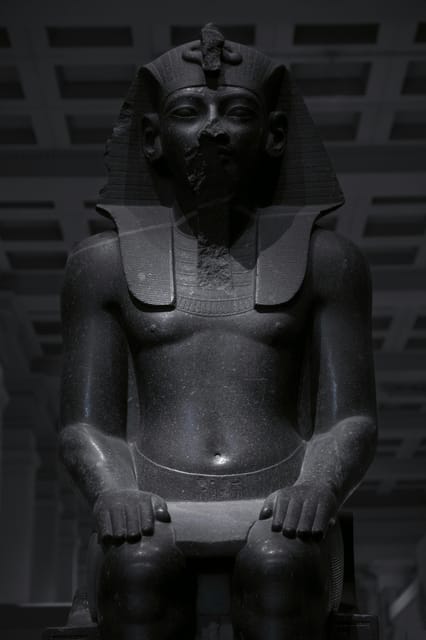
A licensed guide is most valuable at a museum like this because the objects do not explain themselves. Dates and labels can tell you what something is, but they rarely tell you how it was used, why it mattered, or how it connects to other pieces.
The strongest personal feedback about this tour names Filomena, who was praised for being friendly and informative. That points to the kind of guide who can make a fast museum visit feel more personal, especially when moving between cultures and time periods.
The language choice deserves careful attention. Tours are offered in English, French, and Italian. One French-language booking became bilingual, with the guide repeating information in both languages. The guide was described as sympathetic and competent, but the arrangement meant less time for individual works and some explanations were missed.
If you are booking in French, Italian, or English, confirm the language arrangement before you go. A bilingual tour can work well for mixed groups, but it may feel rushed if you want detailed commentary. This is a real consideration for anyone choosing the experience mainly for the guide’s spoken explanations.
The two-hour pace and what you will miss
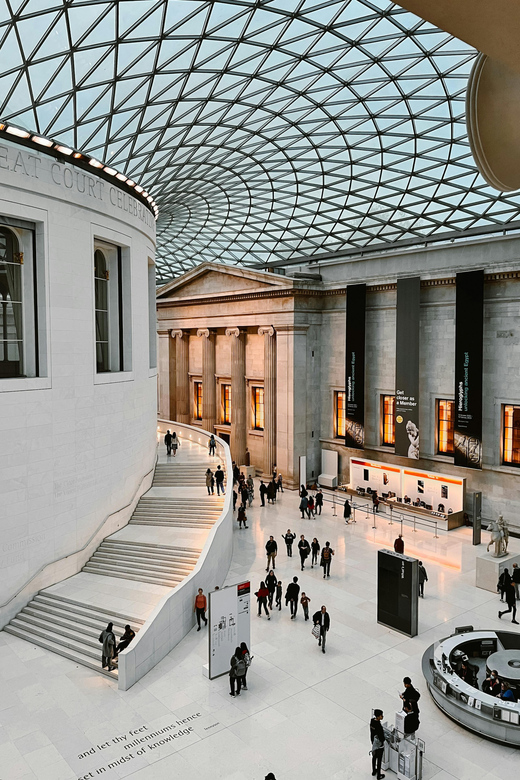
Two hours is a practical length for a first orientation. You can cover major sections without committing your whole day, and you still have time afterward to return to the galleries that interest you most.
The tradeoff is depth. You will not have time to examine every Egyptian relic, read every inscription, or explore the museum’s many collections from Asia, Africa, Europe, and the Americas. The final portion gestures toward objects from around the world, but the tour cannot give each area equal attention.
I recommend treating the experience as a guided introduction, not a complete museum visit. Pay attention to the objects that catch your interest, then return on your own if time allows. The guide gives you a map in your head, which can make a second visit far more rewarding.
Wear comfortable shoes. The route covers a large museum, and even a carefully planned two-hour visit involves standing and walking. The museum is wheelchair accessible, and the activity is listed as wheelchair accessible as well.
Price, tickets, and meeting details
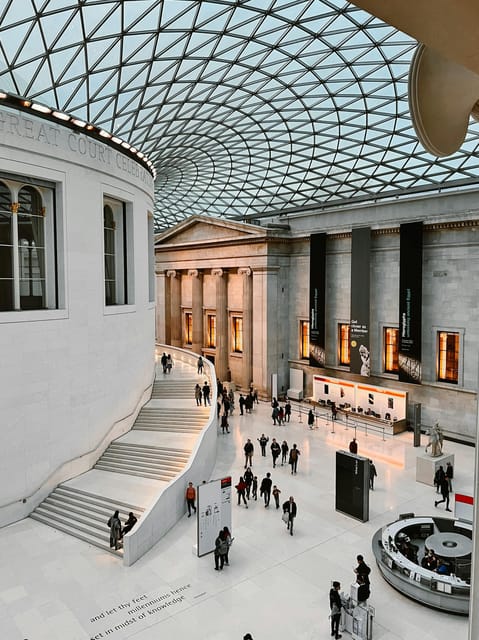
At $64 per person, this is not the cheapest way to enter the British Museum. The value depends on how much you want help choosing highlights and understanding them.
If you already know the museum well, or if you prefer to wander slowly with your own guidebook, the price may be hard to justify. If this is your first visit and you want a clear route through the most important objects, the cost can make sense, especially during a short London stay.
There is conflicting information in the supplied booking details about admission. One section says the entry ticket is not included, while another says the activity includes entry tickets and that tickets will be provided by WhatsApp one hour before the tour. Confirm exactly what your booking covers before paying, and check your messages before heading to the museum.
The meeting point is in front of the British Museum portals, on the stairs near the pillars, after you pass the security check. It is not outside the gates. If you do not use WhatsApp, contact the provider by email for the entry tickets.
The tour offers free cancellation up to 24 hours before the start time and a reserve-now, pay-later option. Those terms are useful if your London plans are still shifting, but check the final booking conditions for your selected date.
Who should book this British Museum tour?
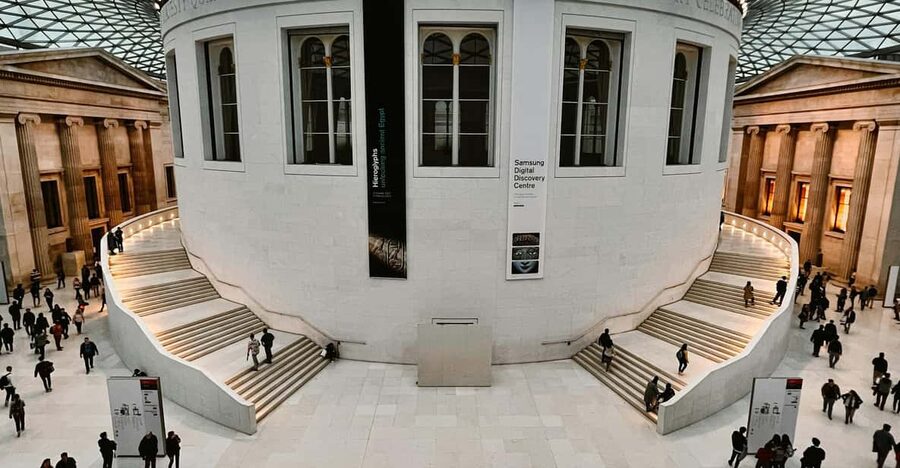
I would choose this tour if you want a guided first visit, have only a few hours, or feel unsure about how to navigate the museum’s huge collection. It suits anyone who wants the Rosetta Stone, Parthenon sculptures, Sutton Hoo, and Hoa Hakananai’a in one connected route.
It is also a good choice for couples or families who might otherwise disagree about which galleries to see. The guide creates a shared plan and keeps the visit moving.
I would hesitate if your main goal is a slow study of one culture. An Egypt specialist, Greek art enthusiast, or archaeology student may want more time in a single collection. The bilingual-language issue is also worth checking if precise explanations in French or another language are essential to you.
Should you book it?
Book this experience if you want a brisk, organized introduction to the British Museum and value the context a guide provides. The route covers an unusually broad set of objects, from Egyptian writing to Greek sculpture, Roman mosaics, Anglo-Saxon treasure, and a Rapa Nui Moai.
Skip it if you prefer independent exploration or plan to spend most of the day on one gallery. For everyone else, two hours with a good guide can turn a confusing museum visit into a clear and memorable start. Just confirm the ticket arrangement and tour language before you finalize the booking.
FAQ
How long is the British Museum guided tour?
The tour lasts two hours.
How much does the tour cost?
The listed price is $64 per person.
Which languages are available?
The tour is offered in English, French, and Italian.
What objects are included on the route?
The route includes ancient Egyptian relics and the Rosetta Stone, the Parthenon sculptures, Roman statues and mosaics, Sutton Hoo treasures, Hoa Hakananai’a, and other objects from around the world.
Is admission to the British Museum included?
The supplied information is inconsistent. One section says the entry ticket is not included, while another says the activity includes entry tickets. Confirm this point when booking.
Where do I meet the guide?
Meet on the stairs in front of the British Museum portals near the pillars, after passing security. The meeting point is not outside the gates.
How will I receive the entry tickets?
The booking information says tickets are provided through WhatsApp one hour before the tour. If you do not have WhatsApp, contact the provider by email.
Is the tour wheelchair accessible?
Yes. The museum and the activity are listed as wheelchair accessible.
Just added around London
- London: “Queen” Highlights Walking Tour★ 4.3 · 48 reviews
- Couple’s photo: Romantic photoshoot in London★ 4.8 · 22 reviews
- London: Private Tour with Locals – Highlights & Hidden Gems★ 5.0 · 8 reviews
- Luxury Private Tour in London with Lunch★ 5.0 · 7 reviews
- London 1- or 2-Hour Professional Photo Shoot★ 4.9 · 6 reviews
- London: Private Black Cab Night Tour with Hotel Pick Up★ 5.0 · 11 reviews
- London: Christmas Lights Tour – With Christmas Music★ 4.8 · 9 reviews
- London: Buckingham Palace & Big Ben & Abbey Private Tour★ 5.0 · 7 reviews
British Museum Tours, compared.
British Museum London Guided Tour Semi-Private 8ppl Max
Read our review →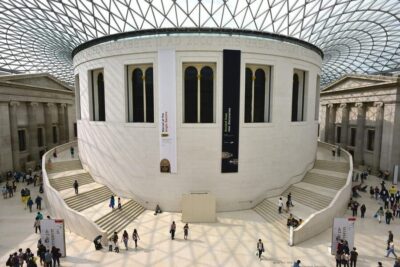
British Museum Audio Tour & Priority Entrance Ticket
Read our review →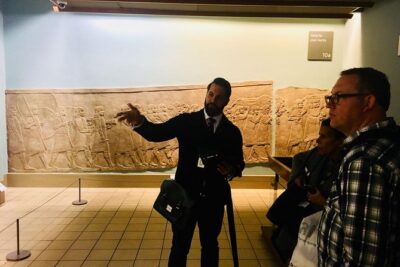
The British Museum London – Exclusive Guided Museum Tour
Read our review →

British Museum & National Gallery of London Semi-Private 8ppl Max
Read our review →Browse the lists this tour appears in