
Reviewed · LONDON
Turmoil, Templars & Oliver Twist London’s Squalor and Splendour
London’s darker past comes alive on this compact walk through Holborn. You’ll follow the trail of Oliver Twist, hear how medieval power shaped the city, and pass courts, prisons, secretive societies, and the former home of the Knights Templar. Guide Tom brings the facts together with clear explanations and plenty of time for questions.
I like the small group of no more than 15 people, which makes it easier to hear and speak with the guide. I also like the route’s mix of famous buildings and less obvious corners, from Freemasons’ Hall and Temple Church to the London Silver Vaults. The main drawback is simple: you need to walk about two miles at a reasonable pace, and the tour does not include entry to paid attractions.
Key points at a glance
- Oliver Twist connections: See places tied to Charles Dickens and the grim city that shaped his stories.
- Seven focused stops: Cover crime, courts, medieval religion, silver trading, and legal London in about two hours.
- Guide Tom’s clear storytelling: Expect history explained in plain language, with time for questions and useful ideas for further sightseeing.
- Small-group format: The maximum group size is 15, so this feels more personal than a large city walk.
- Convenient route: Begin near Covent Garden and finish near Blackfriars Station on the north bank of the Thames.
- Good value: At $27.42 per person, you pay for a guided overview rather than admissions, transport, or a full-day commitment.
A two-hour walk through London’s darker side
This is not a broad introduction to every major London sight. It has a tighter purpose: show you how law, punishment, religion, trade, and literature shaped one central part of the city.
The route moves through Holborn and the Temple area, with stops tied to crime and justice, medieval Britain, Dickens, and old institutions that still give this part of London its particular character. You will not spend long at each point. Most stops are planned for about five minutes, so the value comes from the guide’s explanation and from seeing how the locations fit together.
That short timing keeps the walk moving. It also means you should arrive ready to listen, walk, and look closely rather than expect long visits inside buildings.
Guide Tom is a major part of the experience. He is described as clear, engaging, and able to answer detailed questions. He also suggests other historic places to visit, which is useful if this walk is part of a longer London stay.
Other London outings people book alongside this one:
- From London: Harry Potter Warner Bros Studio Tour
★ 4.7 · 26,588 reviews - London: Westminster to Greenwich River Thames Cruise
★ 4.5 · 22,836 reviews - Magical London: Harry Potter Guided Walking Tour
★ 4.7 · 22,044 reviews
Starting near Covent Garden
The meeting point is Covent Garden Underground Ltd on Long Acre, London WC2E 9JT. This puts you near one of the city’s easiest areas for a pre-tour coffee, meal, or quick wander.
The route then heads toward Holborn and the Temple district. Since the walk ends near Blackfriars Station, it works well as a bridge between the West End and the north bank of the Thames. You can plan it before another central London visit, though you should allow yourself enough time to reach the meeting point.
The experience is offered in English and uses a mobile ticket. Confirmation arrives when you book, which keeps the practical side simple.
Bow Street and the story of the Bow Street Runners
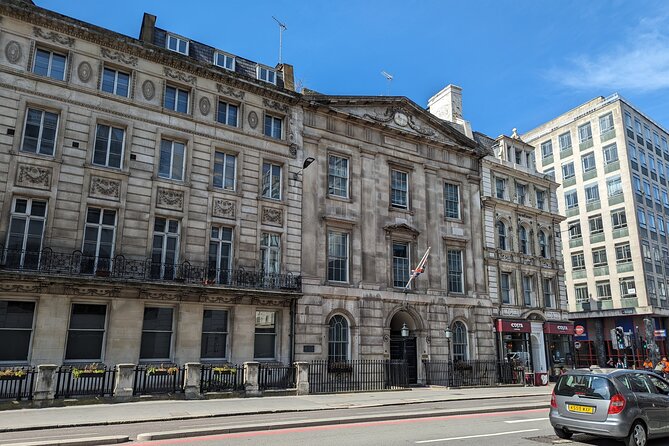
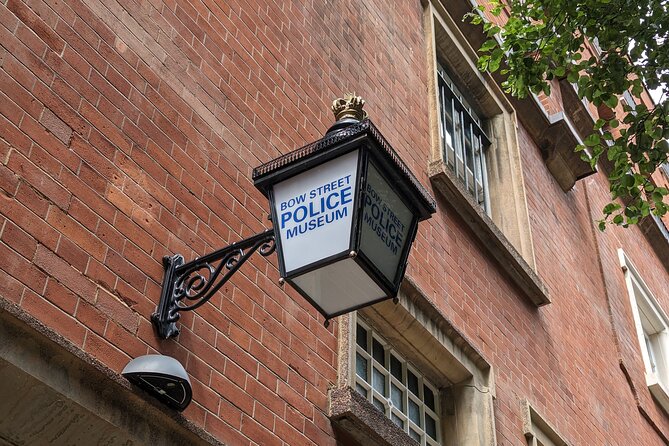
The first stop is the Bow Street Museum of Crime and Justice, where you hear about the Bow Street Runners.
This is a strong opening because it sets the tone for the whole walk. Instead of beginning with a royal palace or grand church, the tour starts with the people who dealt with crime and law enforcement. The Bow Street Runners provide a way into the changing system of British justice and the city’s long struggle with crime.
The visit is listed as a five-minute stop with no admission charge. That means you should expect an explanation connected to the site rather than a long museum visit. The guide’s storytelling matters here, especially if you want the historical background to connect with the rough London depicted in Oliver Twist.
Freemasons’ Hall and a more secretive London
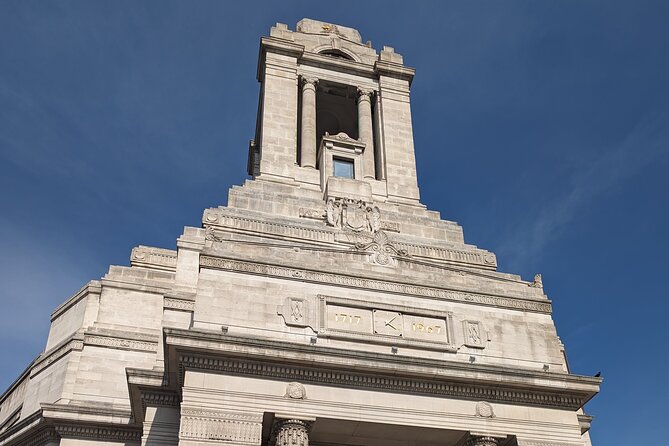
Freemasons’ Hall adds a different note to the walk. Here, the focus turns to the history of Freemasons’ Hall and the role of an institution that has long attracted public curiosity.
The building gives the route a change of mood. After crime and policing, you move into questions of membership, tradition, and influence. The stop is brief, so the guide must keep the explanation focused. That works well for anyone who likes historical context without spending an hour on one subject.
You will see the location from the route, but the supplied details do not promise an interior visit. Keep that distinction in mind when you book. This is a guided exterior walking experience, with stops connected by the larger story of London.
A different sort of day out in London altogether:
- London: Madame Tussauds London
★ 4.6 · 20,915 reviews - Stonehenge, Windsor Castle, and Bath from London
★ 4.5 · 18,662 reviews - London: Warner Bros. Studio Tour with Transfers
★ 4.7 · 17,586 reviews - London: Tower Bridge Entry Ticket
★ 4.7 · 15,560 reviews
The Royal Courts of Justice and London’s legal heart
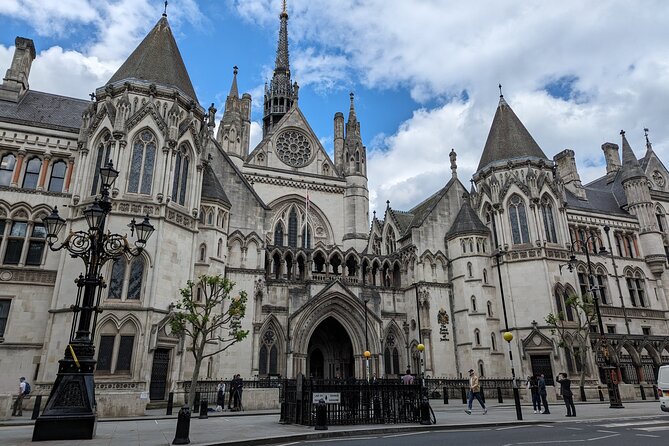
The Royal Courts of Justice is one of the route’s most important stops. The guide explains its history, giving you a look at the legal world that still shapes this area.
This part should appeal to anyone curious about how London’s courts developed and why so many legal institutions are concentrated here. It also connects neatly with the tour’s crime theme. The Bow Street Runners represent an earlier form of policing, while the Royal Courts of Justice points toward the formal legal system.
A five-minute stop is enough to orient you and hear the main points, but not enough for a detailed architectural tour. If grand buildings and legal history interest you, you may want to make a note of the area for a longer visit later.
Temple Church and the Knights Templar
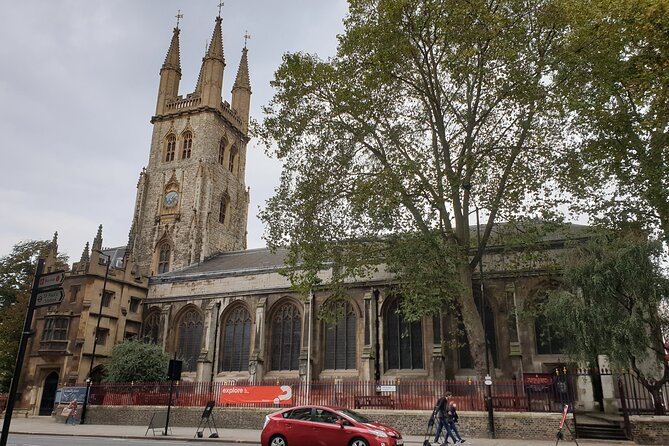
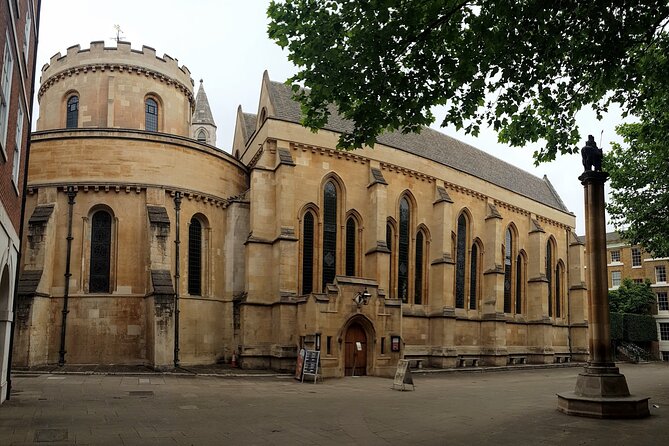
Temple Church is likely the medieval centerpiece of the walk. The guide covers the Knights Templar and the history of the church, bringing the route back to medieval Britain.
This stop gives the tour its strongest link to the title’s Templars. It also explains why the area feels different from the nearby shopping streets and traffic-heavy parts of central London. The Temple district carries the memory of religious and legal institutions that helped shape the city over many centuries.
The information provided does not include an interior admission. You should therefore treat this as a guided stop at the site, not a guaranteed church tour. Even so, the location adds a valuable medieval layer to an experience that otherwise focuses heavily on crime, courts, and Dickens.
The London Silver Vaults and an unexpected change of pace
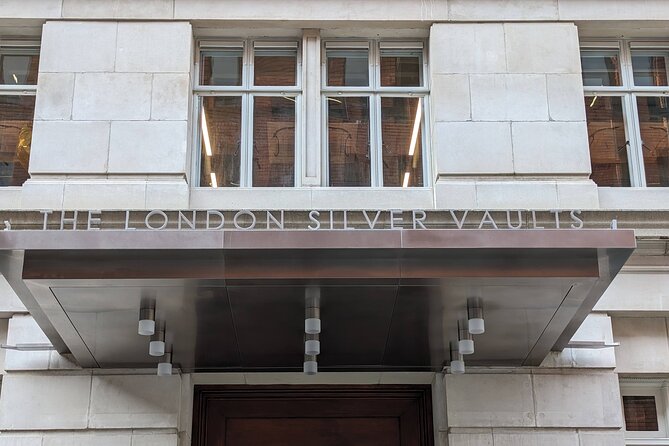
The London Silver Vaults brings trade and craftsmanship into the story. It is described as the world’s largest collection of retail silver.
This is an unusual stop for a walking tour centered on squalor, justice, and medieval history. It shows that London’s past is not only about prisons and courtrooms. Commerce, luxury goods, and specialist retail also helped shape the city.
The stop lasts about five minutes and has no listed admission fee. You should not expect time to browse the full collection during the walk. Instead, the guide introduces the site as part of the neighborhood’s long commercial story.
For me, this kind of contrast improves the route. You move from punishment and law to silver and trade, then onward to older legal buildings. The walk feels less like a single-theme lecture and more like a portrait of a complicated city.
Staple Inn and the last Inns of Chancery
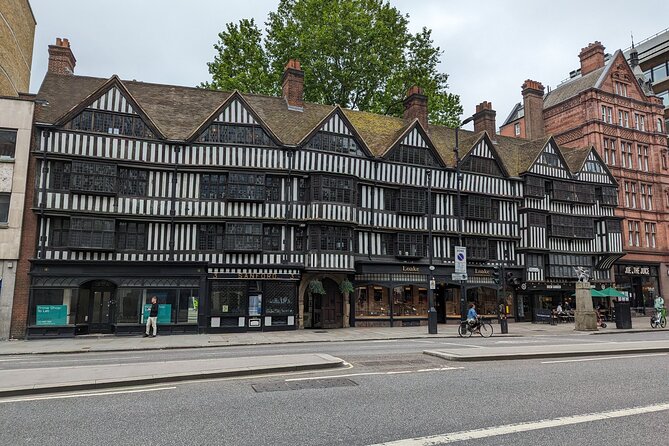
Staple Inn is described as the last remaining Inns of Chancery building. This gives you another look at the legal world that shaped Holborn.
The stop is useful because it adds an institutional layer between the grand Royal Courts of Justice and the darker criminal sites. You see how the area was not simply a setting for dramatic stories. It was also a working center for legal education and practice.
Again, the planned stop is brief. The guide has about five minutes to explain why the building matters, so listen for the connection between the site and London’s legal past. If you enjoy old institutions more than famous photo stops, this may be one of the most rewarding parts of the route.
Old Bailey and the shadow of Newgate Prison
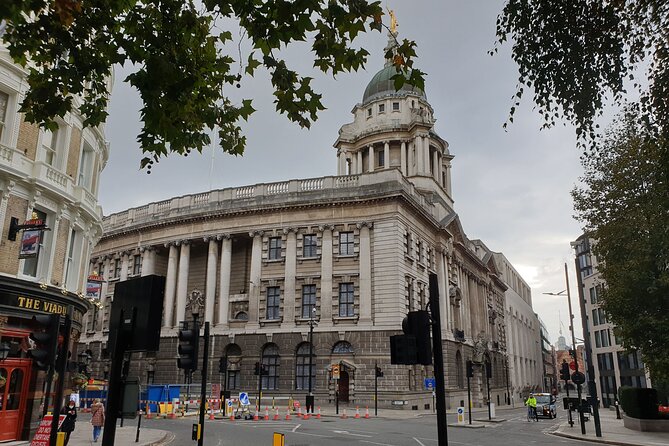
The final listed stop is the Old Bailey, the site of the Central Criminal Court. It is also where Newgate Prison once stood.
This brings the route back to crime, punishment, and the grim London linked with Oliver Twist. Newgate Prison is especially important to the tour’s atmosphere because it represents the harsh side of the city’s past. The Old Bailey then shows how that same place became associated with the formal criminal court.
The stop helps tie the whole walk together. You begin with the Bow Street Runners and finish at the Central Criminal Court, with courts, prisons, and older legal institutions connecting the two. Dickens’s London feels less like a fictional backdrop once you understand the real places and systems behind it.
The guide’s role is especially important here. A short stop can give you the essential story, but the location itself may not explain much without context.
How Dickens fits into the route
The tour promises locations Charles Dickens used in Oliver Twist. Its appeal is not just literary sightseeing. It is the way Dickens’s fiction gives you a human lens for the city’s crime, poverty, prisons, and courts.
You should not expect a dedicated reading or a long literary lecture at every stop. Instead, the Dickens connection runs through the route, especially around the darker subjects. That makes the experience a good choice if you want literature tied to real streets rather than a tour focused only on quotations or author biography.
The title’s contrast between squalor and splendour is useful. The route moves between grim justice, medieval religion, grand legal buildings, and valuable silver. London’s past was not one neat story, and this walk makes that clear.
What $27.42 gets you
At $27.42 per person, this is reasonably priced for a two-hour guided walk in central London. You are paying for a local guide’s organization, explanation, and route design. The cost does not include attraction admissions, food, transport, or private access.
The value is strongest if you enjoy history but do not want a full-day commitment. Seven stops give you a wide range of subjects without requiring a long journey across the city. The small group also matters. With a maximum of 15 people, you have a better chance of hearing the guide and asking questions than on a large open walking tour.
The price is less attractive if you only want to photograph major landmarks or prefer to explore independently. Several stops are short, and the experience depends heavily on listening. You are buying the story that links the places together.
Pace, group size, and practical limits
The walk lasts about two hours and is not recommended if you cannot walk two miles at a reasonable pace. Wear comfortable shoes and expect to remain on your feet for most of the experience.
The small-group limit is one of the tour’s better practical features. A guide can respond to questions, adjust explanations, and keep the group together without the strained feel of a very large outing. Tom is particularly good for this format because he is described as clear and willing to answer questions.
The tour is near public transportation at both ends. It begins near Covent Garden and finishes at Superdrug Health Clinic, 36 to 37 New Bridge Street, close to Blackfriars Station on the northern bank of the Thames.
You can cancel for a full refund up to 24 hours before the start time. Changes or cancellations inside that period are not accepted for a refund. The tour also requires a minimum number of participants, so a cancellation for that reason brings the choice of another date or experience, or a full refund.
Who should book this walk?
I would choose this tour if you like London’s less polished stories. It suits readers of Dickens, people curious about courts and crime, and anyone who wants medieval history without spending a whole day at museums.
It is also a good fit for repeat visitors. The route goes beyond the usual palace, tower, and shopping-street circuit, while still staying in central London. Tom’s suggestions for other historic places can help you plan the rest of your sightseeing.
Families can take part if everyone can maintain the walking pace and stay interested during short history stops. The subject matter includes crime, prisons, and punishment, so parents should decide if that tone suits younger children.
You may want to skip it if you need frequent seating, dislike guided commentary, or expect entry into every building. The stops are brief, the route is on foot, and the focus is on explanation rather than formal admissions.
Should you book Turmoil, Templars & Oliver Twist?
Book it if you want a compact, thoughtful walk through London’s legal, literary, and medieval past. The strongest reasons are the small group, Tom’s clear delivery, the Oliver Twist links, and the unusual range of stops from Bow Street to Temple Church and the Old Bailey.
Skip it if you are looking for a broad first-day tour of London’s headline sights or a museum-heavy experience. For $27.42, though, this is a fair buy for a focused two-hour introduction to the city’s darker and more complicated side.
FAQ
How long does the tour last?
The walking tour lasts approximately two hours.
How much does the tour cost?
The listed price is $27.42 per person.
Where does the tour start?
It starts at Covent Garden Underground Ltd on Long Acre, London WC2E 9JT, UK.
Where does the tour finish?
It finishes at Superdrug Health Clinic, 36 to 37 New Bridge Street, London EC4V 6BJ, near Blackfriars Station on the northern bank of the River Thames.
How many people can join the tour?
The tour has a maximum group size of 15 people.
What language is the tour offered in?
The tour is offered in English.
Do I need to be able to walk long distances?
Yes. You should be able to walk about two miles at a reasonable pace. The activity is not recommended if you are unable to do so.
Are admission tickets included?
The guided walking tour is included. The listed stops show no admission ticket charge, but the information does not promise entry into every building.
Can I cancel for a refund?
Yes. You can cancel at least 24 hours before the start time for a full refund. Cancellations or changes made less than 24 hours before the start time are not refunded or accepted.
Just added around London
- Kensington Palace VIP Garden Tour with Royal High Tea★ 4.5 · 71 reviews
- Up at The O2:Twilight Climb with Guided Tour with Panoramic Views★ 5.0 · 50 reviews
- Private Chauffeur-London Heathrow from/to Southampton Cruise Port★ 5.0 · 9 reviews
- Up at The O2: Sunset Climb with Guided Tour with Panoramic Views★ 5.0 · 110 reviews
- Secrets of the London Underground Small Group Walking Tour★ 4.5 · 38 reviews
- Urban Canvas: Exploring Shoreditch’s Vibrant Street Art★ 5.0 · 36 reviews
- Ultimate introduction to photography in Central London★ 5.0 · 19 reviews
- Full-Day Self-Guided Paris Tour from London by Eurostar with Seine River Cruise★ 3.5 · 22 reviews