
Reviewed · TOWER OF LONDON TICKETS AND TOURS
Tower of London Private Tour with Blue Badge Guide
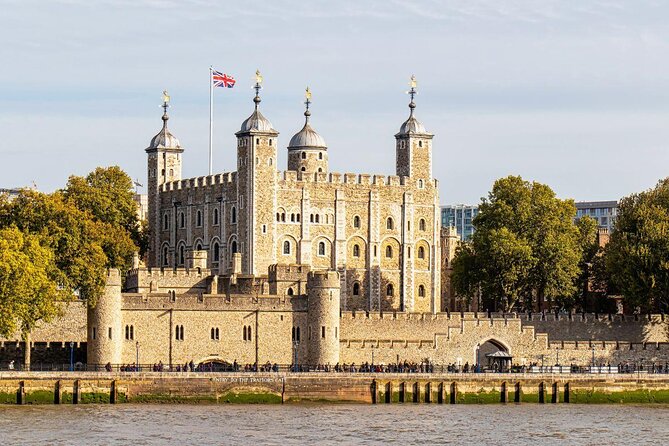
The Tower of London packs royal power, prison drama, executions, military strength, and dazzling treasure into one compact fortress. A private Blue Badge guide helps you make sense of that long story instead of wandering from room to room with only short signs for company.
I like two things right away: your guide can shape the visit around your interests, and pre-booked admission gets you past the ticket line. The guide names that appear most often in the booking feedback are Lucy, Dan, Denisa, Anthony, and Ainura, though your assigned guide may differ.
The main catch is the price: $466.89 per person is a serious splurge, especially for a three-hour visit. You also skip the ticket queue, not security, and guides cannot accompany you inside the Crown Jewels display to explain each object.
Key points at a glance
- A private fortress visit: Only your group takes part, so you can ask questions and set the pace.
- Nearly 1,000 years of change: See how a Norman royal stronghold became a palace, prison, mint, menagerie, and ceremonial site.
- Crown Jewels included: Pre-booked admission covers the famous collection, including St Edward’s Crown and the Imperial State Crown.
- Story-led touring: Guides such as Lucy and Dan are praised for making royal lineages and prison stories easy to follow, even for children.
- A real walking tour: Cobblestones, stairs, cold weather, and long Crown Jewel queues can affect the day.
- Best for history fans: The private format makes the high price easier to justify for families or small groups who want context rather than a quick look.
Why the Tower of London rewards a private guide
Many historic sites can be understood with a map and a few signs. The Tower is harder. Its buildings overlap in purpose and period, and the famous stories are mixed with centuries of royal administration, military planning, religion, trade, and ceremony.
A private guide gives you a clear thread. You can ask why William the Conqueror built the fortress after the Norman conquest, how the royal residence worked, or why Anne Boleyn remains such a powerful figure in the Tower’s story. A good guide also helps separate solid evidence from legend and conjecture.
That personal attention matters most if your group has mixed interests. Adults may want Tudor politics, while children prefer prisoners, ravens, armor, or strange animals once kept at the Tower. Lucy is praised for handling a six-year-old with patience, and Dan is described as keeping children interested with stories rather than a dry list of dates.
The experience is not a standard small-group walk. This is a private activity, so only your party takes part. That gives you room to ask for more detail, slow down at a favorite room, or move on when a display is not holding your attention.
Still, private does not mean VIP access to every room. The Tower remains a public attraction with its own routes, security rules, and crowded areas. Your guide can explain the site before and after certain exhibits, but not every step of the visit takes place with the guide beside you.
More Tower of London Tickets and Tours:
- Tower of London and Crown Jewels Exhibition Ticket
★ 4.5 · 6,677 reviews - London Sightseeing Tour: Guard Change with Tower of London Option
★ 4.5 · 2,672 reviews - London: Tower of London Entry & Beefeater Private Audience
★ 4.4 · 1,441 reviews
Meeting the guide at Tower Place
The meeting point is the Tower of London Welcome Centre at Tower Place West, 5 Great Tower Street. Your guide meets you next to the entrance, then handles the start of the visit with pre-booked admission tickets.
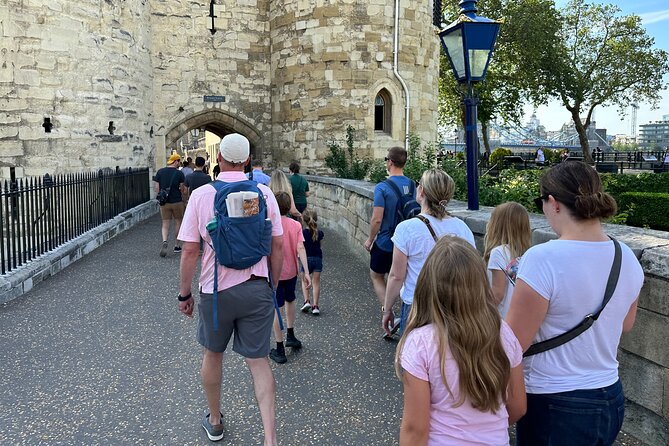
Plan to arrive ready to walk. The tour lasts about three hours and ends back at the meeting point. Hotel pickup and drop-off are not included, so you will need to make your own way to the Tower and continue on your own afterward.
The ticket arrangement saves time at the admission desk, but security checks are still required. During busy periods, that can slow your entry. The booking is confirmed at the time of purchase, and free cancellation is available until 24 hours before the scheduled start.
A practical detail: the tour is offered in English. Service animals are allowed, and the Tower is close to public transportation. Comfortable shoes are a must because the ground includes cobblestones and the fortress can involve plenty of walking.
The White Tower and the Norman beginning
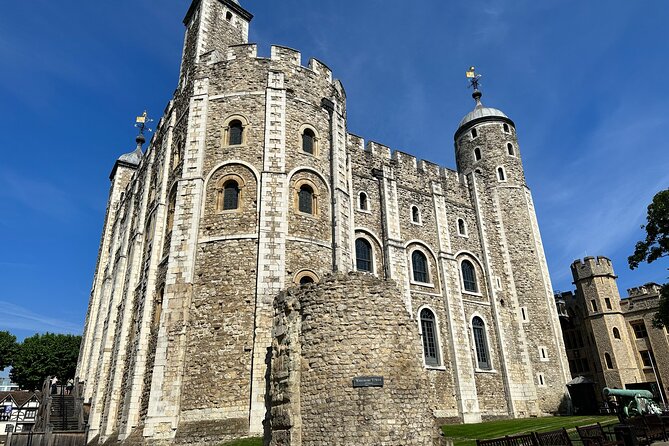
Your first major stop is likely the White Tower, the fortress’s most recognizable building. William the Conqueror began the Tower after taking control of England, using it as both a royal residence and a powerful statement of Norman authority.
The White Tower was built for defense, but it also provided accommodation for the king and his representatives. That dual role helps explain the Tower as a whole. It was never just a prison or a palace. It was a working center of power, with military, royal, religious, and administrative uses packed into one site.
This is where a guide can add real value. Without context, thick walls and stone rooms can blur together. With a good explanation, you begin to see why the fortress was placed beside the Thames, how its strength shaped London, and how royal life operated behind defensive walls.
The guide may also connect the White Tower to later periods, including the reign of Henry VIII and the Tower’s use through the Second World War. The site’s story is long, but a skilled guide can keep the timeline manageable instead of throwing every monarch at you at once.
Medieval rooms, Tower Green, and royal prisoners
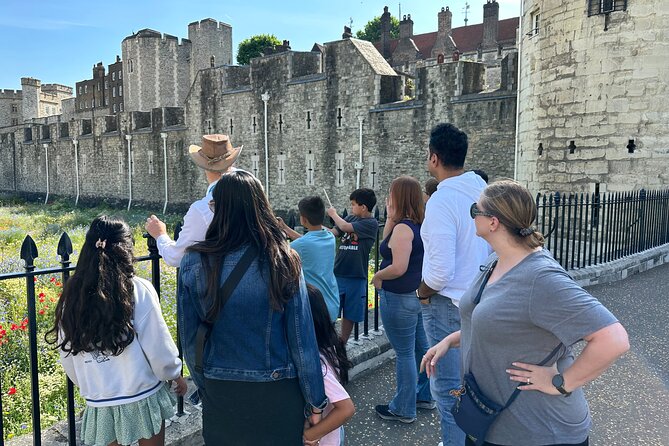
The Medieval Tower area once served as the residential part of the castle. This section helps balance the usual prison tales with a look at royal comfort and daily life.
Tower Green brings the darker stories closer. The site is linked with prisoners, executions, and some of England’s most famous political and religious conflicts. Anne Boleyn is central to the Tower’s story, and a guide who tells that episode well can turn a familiar name into a complicated human story rather than a footnote from a Tudor textbook.
The best part of a private tour here is the chance to ask follow-up questions. You can ask what is firmly documented, what has been shaped by later storytelling, and how the Tower’s reputation grew over time. Several guides are praised for mixing key facts with colorful details while making clear when a story is uncertain.
The pace deserves attention. Most feedback is strongly positive, but one party found the tour rushed and felt they had to run to keep up. Another account described a visit that lasted only about an hour and a half, well short of the advertised three hours. Those experiences may reflect timing or guide differences, but I would confirm the intended start time and tell your guide at the beginning if your group needs a slower pace.
More Private:
- The Premier Classic London: Private 4-Hour Tour in a Black Cab
★ 5.0 · 2,737 reviews - Stonehenge Inner Circle Private Tour from London with Bath Visit
★ 5.0 · 1,909 reviews - Private Tour: Black Taxi Tour of London
★ 5.0 · 1,153 reviews - Private London Arrival Transfer – Airport to Hotel / Accommodation
★ 3.5 · 1,085 reviews
The Royal Mint and the Tower’s working life

The Tower was more than a royal address and holding place. The Royal Mint operated here, adding money-making to the fortress’s long list of duties.
This is a useful part of the visit because it widens the story beyond kings and prisoners. The Tower was tied to the practical business of governing England. Coins, weapons, royal supplies, state security, and official ceremony all had a place in its life.
You may appreciate this section most if you like social and economic history, not only dramatic royal episodes. Ask your guide how the different parts of the complex worked together. A private format gives you the freedom to follow that thread instead of staying with the most obvious legends.
The Royal Menagerie and the stranger side of the fortress
The Royal Menagerie is one of the Tower’s more unusual features. Sculptures and installations recall the wild and exotic animals once kept here.
For centuries, rulers displayed rare animals as gifts, curiosities, and symbols of power. The menagerie adds a surprising note to the visit and gives children something concrete to look for between stone walls and royal portraits.
It is also a good reminder that the Tower has not always meant the same thing. Its uses shifted as royal power, military needs, and public ideas changed. A guide can connect the animals to the wider culture of court life and show how a fortress could also function as a place of display.
The Crown Jewels: the major payoff
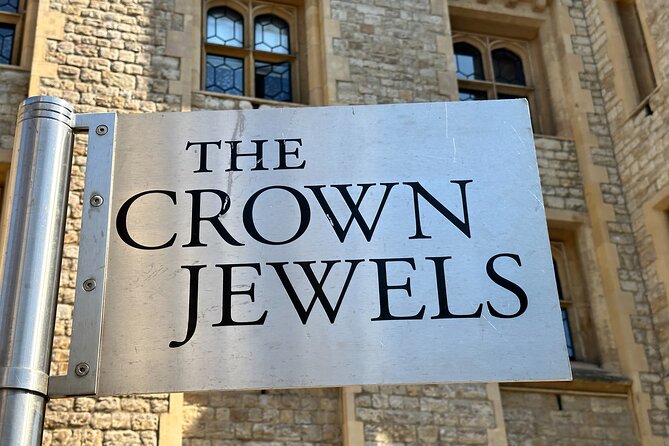
For many people, the Crown Jewels are the main reason to visit. The collection includes the 800-year-old Coronation Spoon, St Edward’s Crown, the Imperial State Crown, and famous diamonds such as the Cullinan diamonds.
The objects are impressive on their own, but their religious and ceremonial meaning makes the display more than a room of expensive stones. The crowns and regalia are tied to coronation rituals, monarchy, and the public image of British rule.
A guide can prepare you before you enter. Ainura, for example, is praised for explaining what to look for and why individual pieces matter, including the Cullinan diamonds. That preparation can change the way you see the display. Instead of passing a line of glittering objects, you understand how each piece fits into royal ceremony and political symbolism.
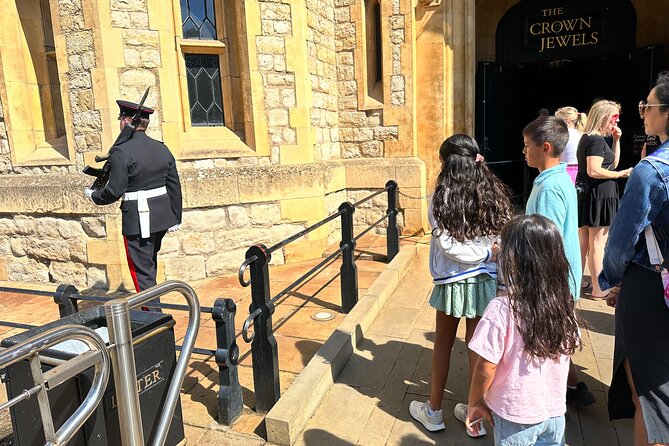
There is an important limit. Guiding is not allowed inside the Jewel House. You will see the Crown Jewels, but your guide cannot walk through the display with you and provide a running explanation beside each case.
The queue can also be long in high season. One smart approach is to ask your guide to help you plan the order of the visit. Lucy is praised for recommending the Crown Jewels first to avoid the heaviest crowd. That is not a guaranteed skip of the exhibit queue, but it is a useful strategy.
The pre-booked ticket skips the ticket purchase line, not the security check or every queue within the attraction. Set your expectations accordingly. If the jewels are your top priority, tell your guide at the start.
Meeting the Yeoman Warders
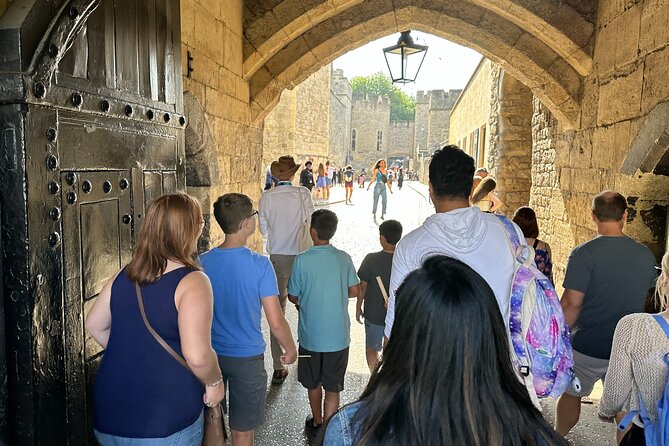
The Yeoman Warders, widely known as Beefeaters, are the Tower’s ceremonial guardians. Their traditional responsibilities included looking after prisoners and protecting the Crown Jewels. Today, their role is mainly ceremonial, but they remain closely linked with the Tower’s identity.
Your private guide can explain the difference between the historic duties and the modern role. You may also encounter the warders during the visit, though the exact interaction is not presented as a guaranteed private meeting or special audience.
This is one reason the guided visit works best as a context-building experience. The Tower is full of recognizable figures and symbols, but each one carries several layers of meaning. A guide helps you connect the uniform, the fortress, the jewels, and the old prison stories into a clearer picture.
What makes the Blue Badge guide useful
A Blue Badge guide is a professionally qualified guide for Britain, and the strongest part of this experience is the individual storytelling. Lucy is praised for being friendly, entertaining, and especially good with families. Dan receives similar praise for patience and for keeping the whole group engaged. Denisa is noted for explaining monarchies through connected stories, while Anthony is praised for responding quickly to a request to see Abbey Road during another London visit.
Those comments suggest a useful way to think about the guide. You are not paying only for facts. You are paying for selection, order, explanation, and the ability to respond to your group.
That said, guide quality and style can vary. One disappointed party found the experience little more than an audio guide with a person walking alongside. Another felt the guide covered only basic information and did not provide enough unusual detail. At this price, it is fair to expect more than a standard escort.
Before the tour begins, tell the guide what matters to you. Mention children, Tudor interests, military architecture, royal ceremony, or a preference for slower walking. The more specific you are, the more the private format can work in your favor.
Is $466.89 per person a fair price?
At $466.89 per person, this is not a budget visit to the Tower. The value depends heavily on your group size, your interest in history, and how much you want personal guidance.
For a couple or a small family who wants a carefully explained visit, the cost may be worthwhile. You receive admission, a private Blue Badge guide, and roughly three hours focused on your group. A guide can also help you use your time well in a crowded attraction, especially if the Crown Jewels are a priority.
The price is harder to defend if you mainly want entry, photographs, and a quick look at the famous displays. The Tower already offers information on site, and the Jewel House must be visited without the guide beside you. If you expect private rooms, after-hours access, or a special route closed to other visitors, this tour may disappoint.
Group discounts can improve the calculation, depending on the size of your party and the booking terms. Families who would otherwise hire several separate tickets and guides may find the private arrangement easier to justify. Solo visitors and couples should compare the cost against a regular visit or a shared tour.
My view is simple: pay for this experience if the interpretation matters as much as the building. If you only want access, spend less.
Who should book this Tower tour?
I would recommend it to families with older children, history fans, first-time visitors who want a clear overview, and small groups who enjoy asking questions. It is also useful if one person in your party has a strong interest in Tudor politics, royal ceremony, or the Tower’s prisoners.
The private format suits groups with different energy levels, provided you discuss pace early. Children may enjoy the menagerie and dramatic stories, while adults can follow the political detail. Guides have been praised for engaging six-year-olds and eleven-year-olds, but the walk still requires a moderate level of fitness.
You should think twice if you dislike organized sightseeing, prefer to explore silently, or feel the price is too high for a guided introduction. The experience is not fully private in the sense of having the entire fortress to yourself. You share the attraction with other visitors, pass through security, and may encounter queues.
Winter can be very cold, so wear warm clothes. Comfortable shoes matter year-round. Pushchairs are not ideal on some cobbled sections, though buggy parks are available in a few areas. Parts of the site are not pushchair-friendly.
Should you book it?
Book this Tower of London tour if you want the fortress explained by a skilled storyteller and you are willing to pay for personal attention. The strongest guides, including Lucy, Dan, Denisa, and Ainura, appear to bring warmth, structure, and useful detail to a complicated site.
Do not book it expecting a private Crown Jewels presentation, special after-hours access, or a completely queue-free visit. The best value comes when you use the guide actively: state your interests, ask questions, request a comfortable pace, and ask to see the Crown Jewels early if they are your priority.
For a first visit with a small group that wants the stories behind the stones, this can be a memorable and efficient way to see the Tower. For a quick sightseeing stop, the cost is likely too steep.
FAQ
How long is the private Tower of London tour?
The tour lasts approximately three hours and ends back at the meeting point.
Where does the tour begin?
The guide meets you at the Tower of London Welcome Centre, Tower Place West, 5 Great Tower Street, London EC3R 5BT.
Are admission tickets included?
Yes. Pre-booked admission tickets are included in the experience price.
Can the guide accompany me inside the Crown Jewels display?
No. You will see the Crown Jewels, but guiding is not allowed inside the Jewel House.
Do I still need to pass through security?
Yes. Pre-booked tickets let you skip the ticket line, but security checks are still required.
Is the tour suitable for children and pushchairs?
The tour can suit families, and guides have been praised for engaging children. Visitors should have a moderate level of physical fitness. Some cobbled areas are not pushchair-friendly, though buggy parks are available in a few locations.
Just added around London
- Up at The O2:Twilight Climb with Guided Tour with Panoramic Views★ 5.0 · 50 reviews
- Private Chauffeur-London Heathrow from/to Southampton Cruise Port★ 5.0 · 9 reviews
- Kensington Palace VIP Garden Tour with Royal High Tea★ 4.5 · 71 reviews
- Urban Canvas: Exploring Shoreditch’s Vibrant Street Art★ 5.0 · 36 reviews
- Up at The O2: Sunset Climb with Guided Tour with Panoramic Views★ 5.0 · 110 reviews
- Secrets of the London Underground Small Group Walking Tour★ 4.5 · 38 reviews
- Ultimate introduction to photography in Central London★ 5.0 · 19 reviews
- Full-Day Self-Guided Paris Tour from London by Eurostar with Seine River Cruise★ 3.5 · 22 reviews
Tower of London Tickets and Tours, compared.
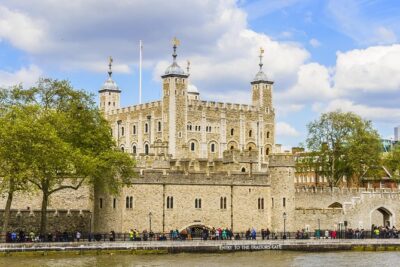
Tower of London and Crown Jewels Exhibition Ticket
Read our review →
London Sightseeing Tour: Guard Change with Tower of London Option
Read our review →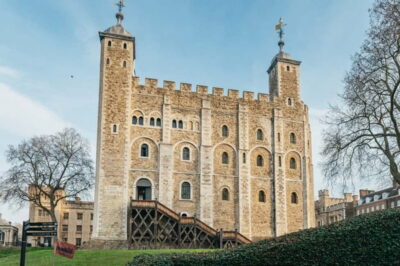
Tower of London Entry & Beefeater Private Audience
Read our review →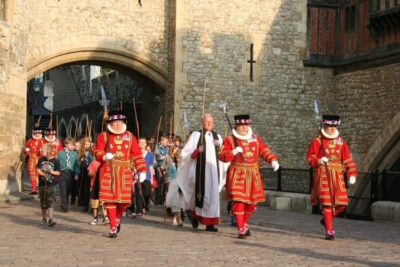
Easy Access Tower of London and Crown Jewels Tour
Read our review →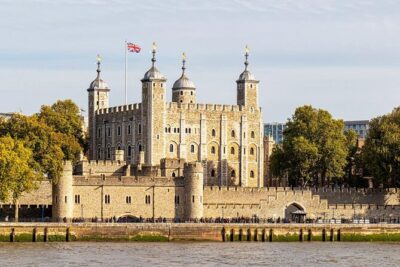
Tower of London: Crown Jewels & Beefeater Opening Ceremony
Read our review →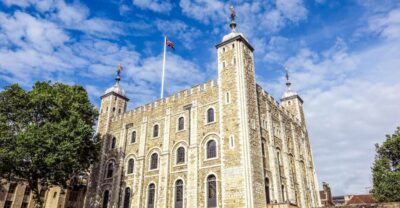
VIP Tower of London & Tower Bridge Early-Access Tour
Read our review →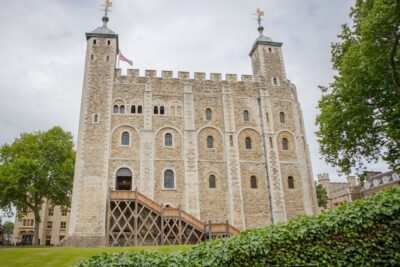
VIP Tower of London and Crown Jewels Tour with Private Beefeater Meet & Greet
Read our review →
Skip the Line Tower of London & Westminster Tour and River Cruise
Read our review →Browse the lists this tour appears in