Reviewed · LONDON WALKING TOURS
Charles Dickens Private Walking Tour
The most interesting part of this private Dickens walk is the way London’s streets become pages from his novels. You move from the Marshalsea Prison site, where Dickens’s father was confined, to Nancy’s Steps, Borough Market, Fleet Street, and the house where Dickens lived as a successful writer. I especially like the hidden gardens and back lanes that most sightseeing routes skip.
I also like the choice of guides. Stephen Liddell and Kevin are praised for their passion, humor, and close knowledge of Dickens’s life and London. The tour can bend around your interests, and hotel pickup makes the start easy. The main drawback is the price, $247.15 per person, and the amount of walking. Wear good shoes, and remember that the museum entry is not included.
Key points to know before you book
- Walk from Dickens’s family troubles to his literary success: The route links Marshalsea Prison, Little Dorrit, Bleak House, Oliver Twist, and Dickens’s former home.
- Private guiding makes the route flexible: Your guide can slow down for photos, a rest, a bakery stop, or a subject that catches your interest.
- Expect London’s less polished corners: Alleys, old prison sites, forgotten courtyards, and poverty-stricken districts are as important here as grand landmarks.
- The route ends at the Charles Dickens Museum: You finish at his preserved home on Doughty Street, but museum admission costs extra.
- This is a serious walking tour: The advertised time is about three hours, though the route contains many stops and the walk can feel demanding.
- The $247.15 price makes most sense for a small private group: Group discounts may help, but this is not a budget introduction to London.
Why Dickens’s London works best on foot
Dickens did not write about London from a comfortable distance. He knew its courts, prisons, markets, legal districts, newspapers, pubs, and poor neighborhoods. This tour follows those connections on foot, so you get a stronger sense of how close together the city’s grand institutions and harsh living conditions once were.
The walk begins outside Borough High Street Tube Station, unless you arrange pickup at a central London hotel. Starting at 9:30 a.m. puts you into the route early, though the operator suggests a later start around 10:30 or 11 a.m. if you want to avoid rush hour. Since this is private, you can discuss timing with the guide.
I like that the tour does not treat Dickens as a writer floating above everyday life. His family’s financial troubles, his early experiences, and his working life all appear in the route. The result is part literary tour, part social history, and part walk through old London.
More London Walking Tours:
- Magical London: Harry Potter Guided Walking Tour
★ 4.7 · 22,044 reviews - London: The Original Jack the Ripper Walking Tour
★ 4.7 · 7,833 reviews - Tour for Muggles The Ultimate Harry Potter Walking Tour in London
★ 5.0 · 4,684 reviews
Marshalsea Prison and the story behind Little Dorrit
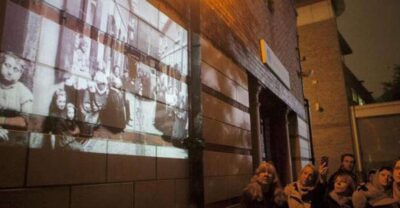
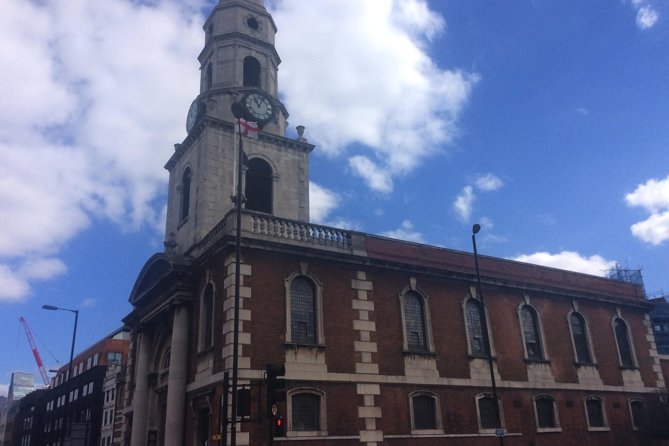
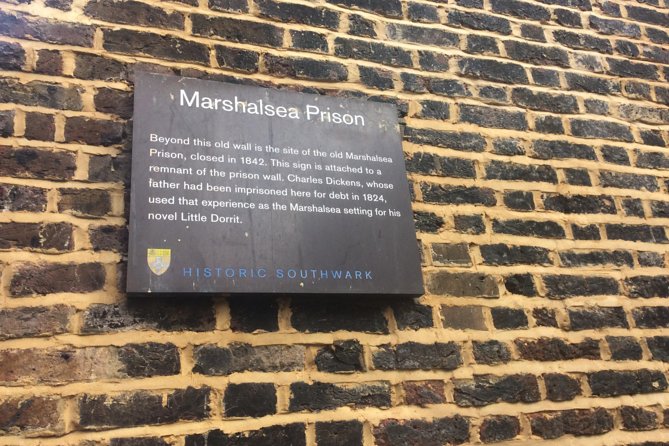
The first section around St George the Martyr and the Marshalsea Prison site gives the tour its emotional anchor. At St George the Martyr, you hear about places linked with Little Dorrit and the imprisonment of members of Dickens’s family.
The south wall of Marshalsea Prison is one of the most important Dickens locations in London. The prison itself is gone, but the surviving wall helps you picture the debtors’ prison that shaped Dickens’s early life. This is a short stop, but it carries more weight than its timing suggests.
I find this opening useful because it explains why money, debt, shame, and imprisonment return so often in Dickens’s fiction. You are not simply collecting addresses connected with a famous author. You are seeing the conditions that helped form his view of London.
Red Cross Cottages and a quieter side of Southwark
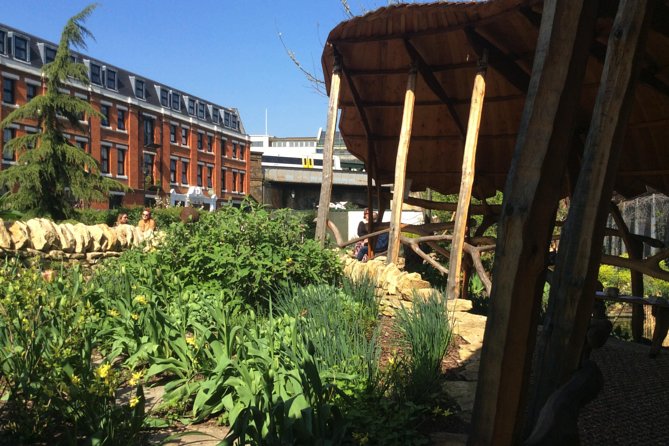
Red Cross Cottages and Garden offer a change of pace. The small garden is described as a place created by a contemporary of Dickens who was also a major social reformer. It sits close to areas where Dickens lived as a boy and is often missed by standard sightseeing routes.
This stop is a good example of what the private format can offer. A large group may hurry past a modest garden, while a private guide can explain why it matters and give you time to look around. The tour is not only about Dickens’s exact footsteps. It also considers the reformers and social conditions that shaped the same neighborhoods.
You should expect the route to include places that are understated rather than grand. Some stops are walls, streets, exteriors, or small passages. Their value comes from the story attached to them.
Nancy’s Steps, Borough Market, and Oliver Twist
At London Bridge, the guide points out Nancy’s Steps, linked with Nancy’s fate in Oliver Twist. It is a quick stop, but fans of the novel will recognize the power of seeing a fictional scene tied to a real part of the city.
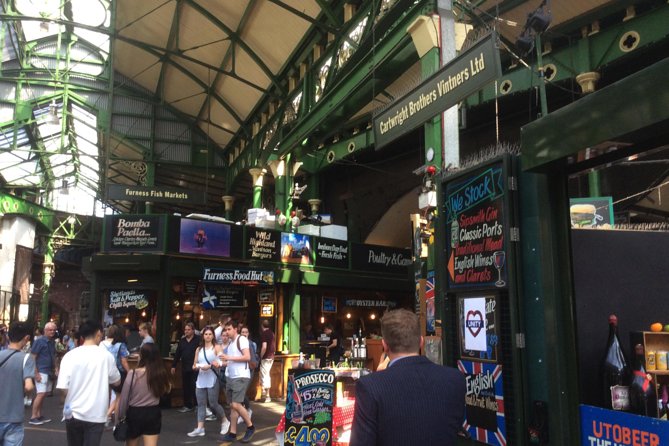
The longer visit to Borough Market opens up Dickens’s London of poverty, pickpockets, and crowded streets. The market area connects especially well with Oliver Twist, giving you a sense of the places where Dickens found material for his street scenes and criminal underworld.
Borough Market is also a practical place for a pause. The guide can accommodate a food stop or a short rest, something worth keeping in mind if you are walking with a child, an older family member, or anyone who needs a slower pace. The tour is private, so you have more control than you would on a fixed group route.
A different sort of day out in London altogether:
- From London: Harry Potter Warner Bros Studio Tour
★ 4.7 · 26,588 reviews - London: Westminster to Greenwich River Thames Cruise
★ 4.5 · 22,836 reviews - London: Madame Tussauds London
★ 4.6 · 20,915 reviews - Stonehenge, Windsor Castle, and Bath from London
★ 4.5 · 18,662 reviews
Shakespeare’s Globe and the south bank
The walk passes Shakespeare’s Globe Theatre and explains the surrounding area. The Globe is not presented as a separate theatre visit here, and admission is not included, so think of this as an exterior and neighborhood stop.
This section helps broaden the tour beyond Dickens alone. Southwark was a place of theatres, trade, poverty, lodging houses, and public entertainment. Dickens’s London makes more sense when you see how literary and working districts sat side by side.
The guide’s role matters here. A good storyteller can connect a famous building with the less obvious streets nearby. Kevin and Stephen Liddell are specifically praised for adding small details and facts about London beyond the central Dickens story, which is useful when the route moves between landmarks.
Newgate, the Old Bailey, and Winchester Palace
At the Old Bailey, you see one of the world’s oldest court sites in operation beside the former Newgate Prison area. The route also recalls the public executions that took place there in the Victorian period and in Dickens’s fiction.
This is a brief stop, but it adds a darker edge to the day. Dickens often wrote about courts, prisons, punishment, and the way poor people were treated by official systems. Standing near the Old Bailey lets the guide connect those themes with actual London institutions.
Winchester Palace shifts attention to the poor and forgotten people of the medieval and later city. The reference to the Winchester Geese introduces another layer of social history as you follow routes Dickens might have taken while walking to work.
These stops are not polished attractions with long visits inside. Their appeal lies in context. If you prefer museums and grand interiors, this portion may feel spare. If you like reconstructing a city from fragments, it is one of the more rewarding stretches.
St. Paul’s and the road toward the legal quarter
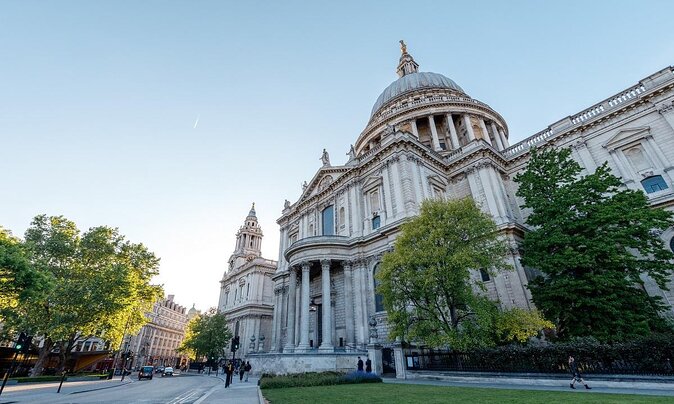
At St. Paul’s Cathedral, the guide explains an unexpected effect the cathedral had on Dickens’s life. The stop is short, and cathedral admission is not included, so do not plan on touring the interior as part of this experience.
The walk then heads toward Temple Church and the legal district. Temple Church is viewed from outside, and the surrounding lanes connect naturally with characters such as Pip. Weekend access to parts of this area can sometimes be closed to the public, so the exact feel of this section may depend on the day you visit.
This is where the tour’s broad range becomes clear. You are moving from prisons and markets to courts, lawyers, churches, and respectable streets. Dickens used all of these worlds in his novels, and the walk shows how quickly London changes from one to the next.
The Old Curiosity Shop and Fleet Street
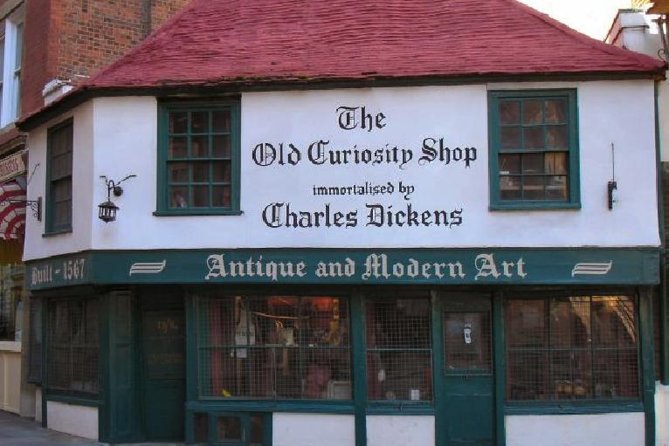
The Old Curiosity Shop is visited from outside. It is described as perhaps the oldest shop in London and sits beside an area once marked by severe poverty. You do not enter, but the exterior gives the guide a chance to discuss the relationship between Dickens’s fictional titles and real London places.
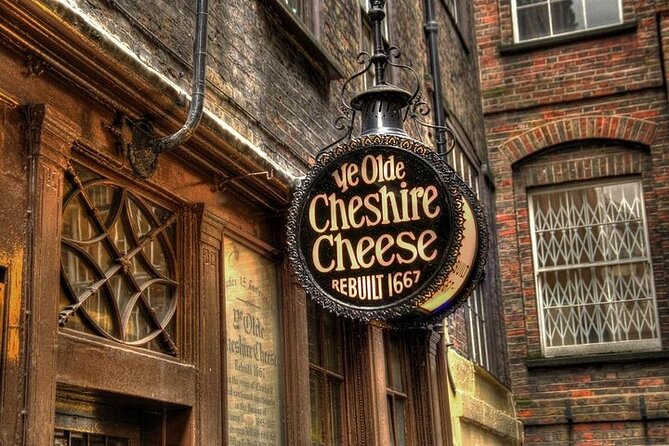
Fleet Street brings in newspapers, publishing, taverns, and narrow lanes. Dickens’s working life was tied to journalism, and this famous newspaper street also appears in the texture of his fiction. You may see a more public and recognizable London here, but the guide also points toward the alleys and drinking places that give the district its literary character.
The pub element is a pleasant touch. The route includes places where Dickens himself drank and pubs visited by characters in his books. No specific pub visit or meal is promised, so treat this as a story-led look at the exteriors and surroundings rather than a scheduled pub crawl.
Lincoln’s Inn Fields and the world of Bleak House
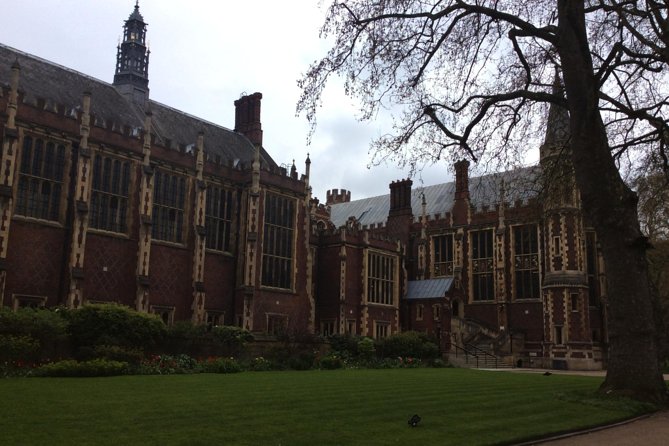
Lincoln’s Inn Fields is one of the strongest literary sections of the route. It is closely tied to Bleak House and includes a connection with Dickens’s biographer. The square and its legal surroundings help explain the novel’s concern with bureaucracy, lawsuits, delay, and the human cost of legal disputes.
The nearby visit to Dr. Johnson’s House adds another literary address. You see the outside of the home of the writer associated with the dictionary, but admission is not included. This is a useful reminder that the tour is also about London’s wider literary life, not only Dickens.
I would pay close attention here if you are reading Bleak House before your trip. The legal setting can feel abstract on the page. Seeing the streets and institutions that inspired Dickens makes the novel’s atmosphere easier to grasp.
Krook’s alley and the grim humor of High Holborn
High Holborn includes the alleyway linked with Krook’s shop and his notorious spontaneous combustion in Bleak House. The stop is short, but it is one of the route’s most unusual literary details.
This is the kind of location you are unlikely to identify on your own. It is not a major landmark, and there may be little to see without an explanation. With a guide, the narrow passage becomes a direct bridge between an ordinary street and one of Dickens’s strangest plot events.
The tour’s appeal often lies in these small discoveries. You are not only seeing the buildings printed in guidebooks. You are learning why a certain lane, wall, or corner matters.
Bloomsbury and Dickens’s successful years
The walk passes through Bloomsbury, where Dickens lived after he had become successful. The district offers a contrast with the Southwark locations at the start of the day. Here you see the more comfortable London of his later life, along with a literary neighborhood known for its handsome streets and cultural connections.
This change gives the tour a satisfying arc. It begins with family debt and prison, follows the poor districts and working streets that shaped Dickens’s imagination, and ends near the home of an established author.
The Bloomsbury section also helps keep the tour from becoming relentlessly bleak. Dickens’s work is full of hardship, but it is also full of ambition, humor, performance, and social movement. The route reflects that range.
Finishing at the Charles Dickens Museum
The final stop is the Charles Dickens Museum at 48 to 49 Doughty Street, the preserved home where the tour ends. The museum visit is not included in the $247.15 price, but finishing at the front door is practical. You can continue on your own if the museum is open and you want a closer look at Dickens’s domestic life.
The museum is currently closed on Mondays and Tuesdays. On those days, the guide can help you find a nearby pub, cafe, or Tube station instead, but you should not count on going inside as part of the tour.
The stop is listed as an hour, so allow extra time if you plan to visit. Check the museum’s opening arrangements before booking your walking day, especially if seeing the house is important to you.
Price, pace, and what you receive
At $247.15 per person, this is an expensive walking tour for one person or a couple. The price becomes easier to justify if you are a small family or private group that wants a guide focused only on your interests. Group discounts are offered, and hotel pickup is available from central London hotels.
The value comes from access to a private professional guide, not from included admissions. The London Underground ticket is extra, the Charles Dickens Museum is extra, and the route mostly uses streets, exteriors, public areas, and free sites.
The advertised duration is about three hours, yet the route contains many stops and a final museum hour. Ask the operator how they plan to handle the version you want, especially if you hope to cover every location at a relaxed pace. The long version can require substantial walking.
Plan for:
- Comfortable walking shoes
- Clothing for changing weather
- A slower pace if you want photographs or food stops
- A way to reach the starting point if you do not use hotel pickup
- Extra money for museum admission, food, and public transport
The tour runs in all weather. Service animals are allowed, and the route begins near public transportation. You should have moderate physical fitness, but the private format lets your guide adjust the pace more easily than a fixed group tour.
Who should book this Dickens walk?
I would choose this tour if you have read Dickens, enjoy literary landmarks, or want London’s social story rather than a checklist of major sights. It suits a parent and child, a small family group, or a serious Dickens fan who wants to ask questions and follow personal interests.
The guides named in the feedback, Stephen Liddell and Kevin, are praised for enthusiasm, humor, and attention to small details. One family found that the guide slowed down for rest and photographs, and another appreciated being taken through back lanes and a hidden garden. Those details suggest the private format is most useful when you communicate your needs clearly.
I would think twice if you want a cheap introduction to London, dislike long walks, or need a tour packed with indoor admissions. You will spend much of the time outdoors, and some stops are only walls, streets, or building exteriors.
Should you book it?
Book this Charles Dickens Private Walking Tour if you want the city behind the novels, especially Little Dorrit, Oliver Twist, Bleak House, and Great Expectations. The best moments are the less obvious ones: Marshalsea’s surviving wall, Red Cross Cottages, Nancy’s Steps, Krook’s alley, and the legal lanes around Temple.
The price is high, but the private guide, flexible pace, hotel pickup, and unusual route can make it worthwhile for a small group. Bring strong shoes, check the museum’s opening days, and ask about the route length before you pay. For Dickens fans and history-minded visitors, this is a thoughtful way to see London one story-filled street at a time.
FAQ
Where does the Charles Dickens walking tour begin?
It begins outside Borough High Street Tube Station in London, SE1 1JX, unless you arrange pickup at your central London hotel.
Where does the tour end?
The walk ends outside the Charles Dickens Museum at 48 to 49 Doughty Street, London WC1N 2LX.
Is admission to the Charles Dickens Museum included?
No. The tour ends at the museum entrance, but museum admission is not included in the tour price.
How long does the tour last?
The advertised walking tour lasts about three hours. The route also lists an hour at the Charles Dickens Museum, though entry is separate.
Is the tour private?
Yes. Only your group participates, with a local professional guide.
Can I cancel for a full refund?
Yes, if you cancel at least 24 hours before the experience start time. Cancellations made less than 24 hours before the start time are not refunded.
Just added around London
- Up at The O2:Twilight Climb with Guided Tour with Panoramic Views★ 5.0 · 50 reviews
- Private Chauffeur-London Heathrow from/to Southampton Cruise Port★ 5.0 · 9 reviews
- Kensington Palace VIP Garden Tour with Royal High Tea★ 4.5 · 71 reviews
- Up at The O2: Sunset Climb with Guided Tour with Panoramic Views★ 5.0 · 110 reviews
- Secrets of the London Underground Small Group Walking Tour★ 4.5 · 38 reviews
- Urban Canvas: Exploring Shoreditch’s Vibrant Street Art★ 5.0 · 36 reviews
- Ultimate introduction to photography in Central London★ 5.0 · 19 reviews
- Full-Day Self-Guided Paris Tour from London by Eurostar with Seine River Cruise★ 3.5 · 22 reviews
London Walking Tours, compared.

Magical London: Harry Potter Guided Walking Tour
Read our review →
Tour for Muggles The Ultimate Harry Potter Walking Tour in London
Read our review →
Harry Potter Movies Walking Tour (Kids Go Free)
Read our review →
Changing of the Guard Guided Walking Tour in London
Read our review →
The Great British Rock and Roll Music Walking Tour
Read our review →