
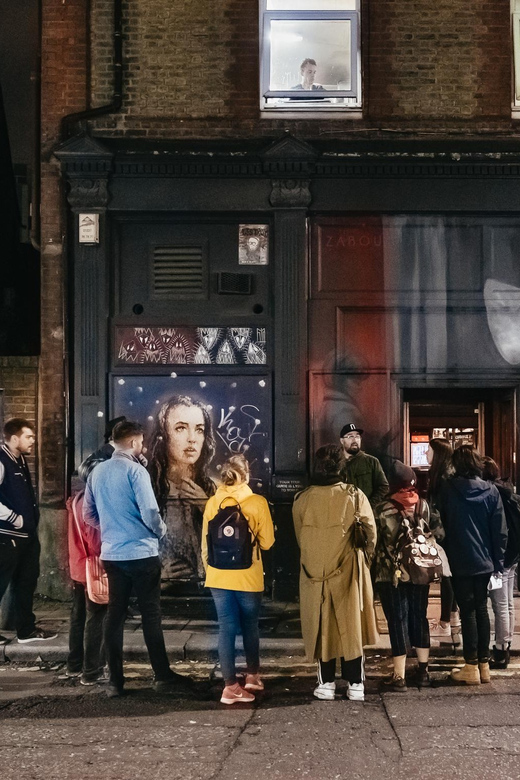
Reviewed · JACK THE RIPPER TOURS
French Language : Original Jack the Ripper Tour
Jack the Ripper’s crimes still hover over Whitechapel, but this two-hour walking tour does more than point at dark alleys and repeat old myths. Your Ripperologist guide lays out the evidence, introduces the victims, and asks you to weigh the suspects for yourself. The tour also explains why Victorian London produced enduring figures such as Sherlock Holmes.
I like the mix of real crime locations and everyday history. You get Mitre Square, Brick Lane, the Ten Bells Pub, and other landmarks, while also learning what life was like in an impoverished East End neighborhood in 1888. I also like the use of photographs and investigation details, which gives the story something firmer than spooky storytelling.
The main consideration is the subject matter. This tour includes graphic details and visual content, and it takes place outdoors in all weather. Public paths can also be uneven, even though there are no stairs or major inclines.
Key points at a glance
- Start by Altab Ali Park: Meet at the west entrance, by the large iron arch on White Church Lane and Whitechapel High Street.
- Follow real case locations: The route includes Mitre Square, Brick Lane, Christ Church, Petticoat Lane, Spitalfields Market, and the Ten Bells Pub.
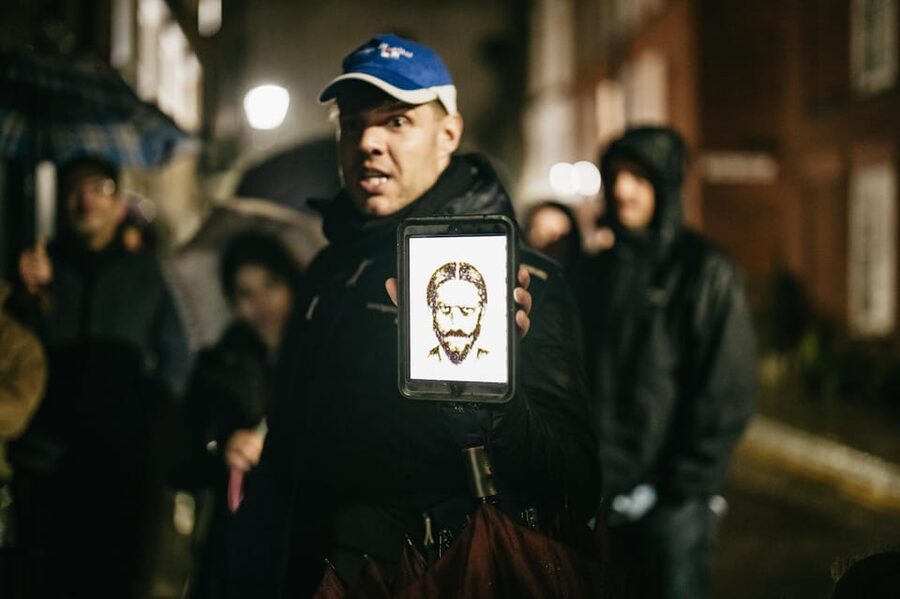
- Hear the evidence, not just the legend: Photographs, suspect theories, and police investigation details shape the story.
- Meet guides who bring strong narration: Recent departures have been led by Clara, Klairvy, Christophe, and Sina.
- Good value at $24: Two hours with a live guide costs less than many London attractions and covers both crime history and Victorian life.
- Choose your language: Tours are offered in English, French, Spanish, German, and Italian.
What this Jack the Ripper walk is really about
The most useful way to approach this tour is as a walking history lesson with a mystery at its center. The murders are the hook, but the stronger material is the picture of Whitechapel in 1888: a poor East End district, crowded with people, shaped by difficult working and living conditions, and watched by a police force under intense pressure.
Your guide takes you back to the period and explains what investigators knew, what they did not know, and why the case remains unsolved. You hear about alleged perpetrators and the theories attached to them, then consider how much of each theory rests on evidence and how much rests on later speculation.
That distinction matters. Jack the Ripper tours can easily become theatrical. This one is designed around photographic evidence, true case details, and competing explanations, so you are encouraged to think rather than simply accept one answer. The mystery remains open, but the tour gives you enough material to understand why no single suspect has won universal agreement.
The subject is grim. You will hear about unfortunate victims and shocking crimes, and the visual material may be upsetting. I would not choose this for young children, and anyone uncomfortable with crime scenes or graphic descriptions should think carefully before booking.
More Jack the Ripper Tours:
- London: The Original Jack the Ripper Walking Tour
★ 4.7 · 7,833 reviews - London Jack the Ripper Guided Tour with Ripper-Vision
★ 4.5 · 4,840 reviews - London: Jack the Ripper Small Group Tour
★ 4.7 · 3,159 reviews
Meeting your guide at Altab Ali Park
The tour begins at the west entrance to Altab Ali Park. Look for the large iron arch gate on the corner of White Church Lane and Whitechapel High Street. Your guide will be holding a blue flag, which is useful in a busy part of London.
Aldgate East is the nearest Underground station. Give yourself a little extra time to find the correct park entrance, since the meeting point is not simply a station exit. Having the full address on your phone will make the start easier.
From the opening moments, expect your guide to set the scene in 19th-century London. The tour does not begin with a broad lecture detached from the streets. Instead, the surrounding neighborhood becomes part of the explanation. Modern Whitechapel is layered over the setting of the 1888 investigation, and the walk helps connect those two periods.
The route finishes at the Ten Bells in Spitalfields, so you are not returned to the starting point. That is convenient if you plan to continue around Spitalfields Market, Brick Lane, or nearby East End streets afterward.
Whitechapel, poverty, and the victims
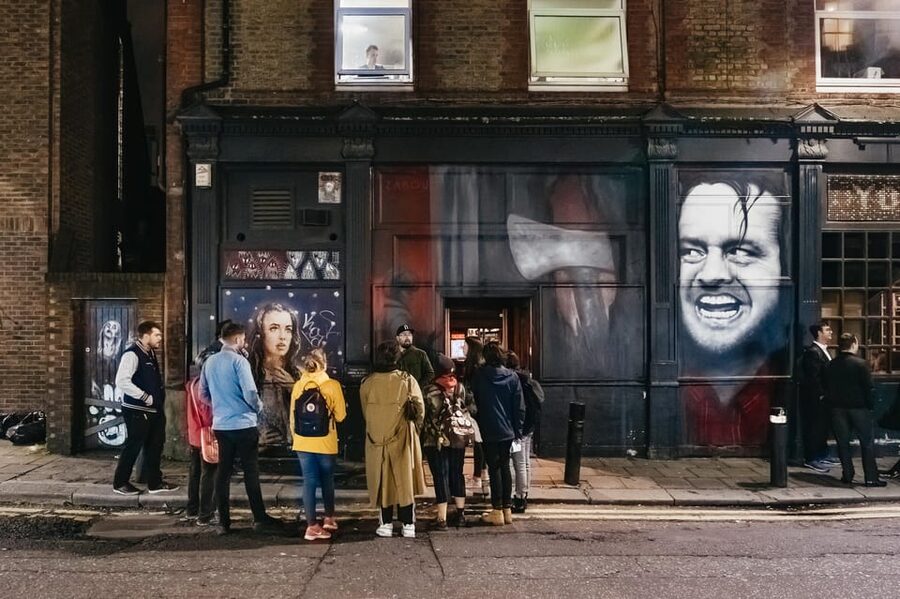
Whitechapel is more than a backdrop for the murders. Your guide explains why the area mattered, including the poverty and crowded conditions that shaped daily life. This context helps you understand the victims as people living in a real neighborhood, not just names in a famous criminal case.
I appreciate this part of the tour because it moves the focus away from making the killer into a celebrity. The victims and their circumstances receive attention, while the investigation is placed in the wider setting of Victorian London.
You will hear true stories about the victims, the police work, and the suspects. The guide also addresses practical questions: Where was evidence found? Was the killer ever close to being caught? Why might Whitechapel have been chosen?
The route does not provide a neat solution. That is part of the point. You are shown the known details and the theories, then left to consider how convincing they are. If you prefer a tour with a clear final answer, the unresolved case may feel frustrating. If you enjoy weighing clues, it gives the walk its purpose.
Brick Lane and the changing East End
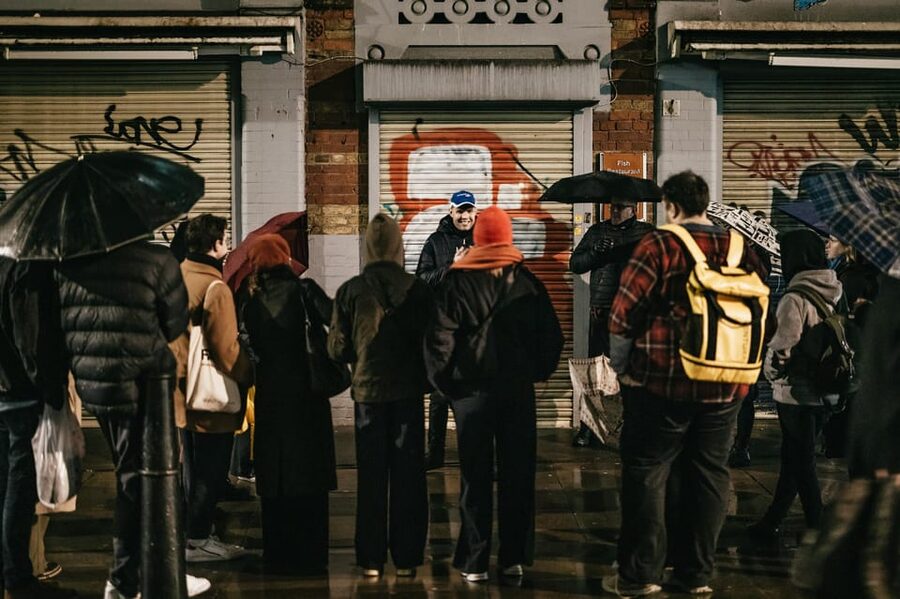
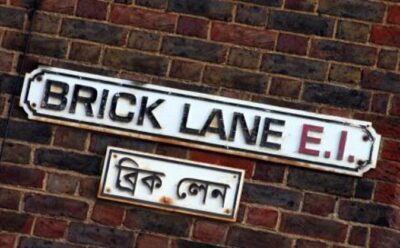
Brick Lane is one of the best-known streets in modern East London, and it adds useful contrast to the story. The tour includes it as a stop while explaining the older Whitechapel setting around it.
Here, you can see how much the area has changed since the Victorian period. The street is a living part of East London, not a preserved crime museum. That means you should expect an ordinary public street rather than reconstructed scenery or staged rooms.
This is also where the tour’s broader historical approach helps. You are not only following a killer’s route. You are seeing streets connected with markets, work, housing, policing, and the changing identity of the East End.
The guide’s storytelling style makes a difference. Clara, Klairvy, Christophe, and Sina have led recent tours, and the strongest praise has focused on clear explanations, strong narration, and the ability to hold attention. Klairvy, in particular, has been described as giving an especially captivating account with photographs and anecdotes. You cannot request a particular guide unless the booking system allows it, but the names give you an idea of the personalities you may encounter.
A different sort of day out in London altogether:
- From London: Harry Potter Warner Bros Studio Tour
★ 4.7 · 26,588 reviews - London: Westminster to Greenwich River Thames Cruise
★ 4.5 · 22,836 reviews - Magical London: Harry Potter Guided Walking Tour
★ 4.7 · 22,044 reviews - London: Madame Tussauds London
★ 4.6 · 20,915 reviews
Christ Church and Spitalfields Market
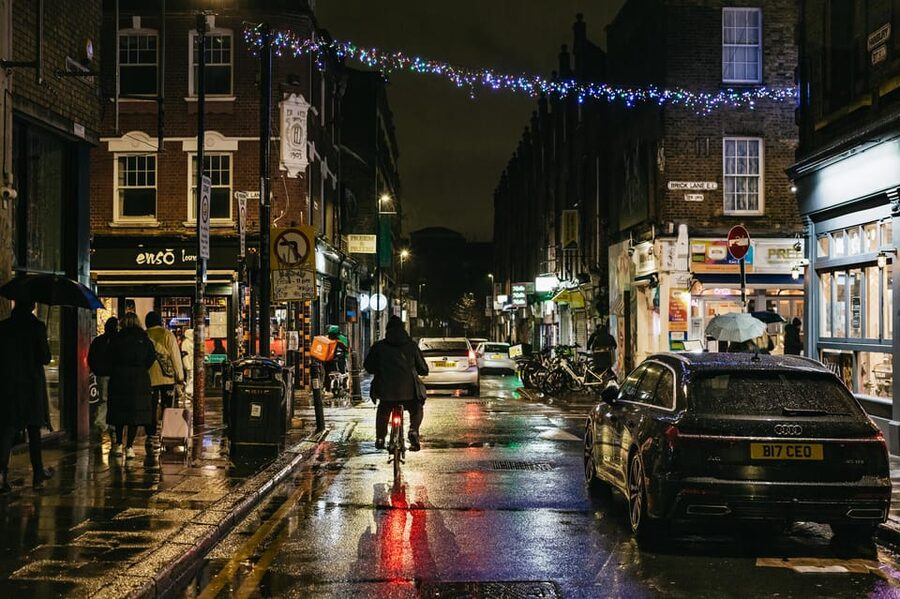
Christ Church is another important visual point on the route. The stop helps place the story within the physical and social structure of Victorian London, where churches, markets, lodging areas, and commercial streets sat close together.
The supplied itinerary identifies this stop as Christ Church Chelsea, although the tour is presented as an East End Whitechapel and Spitalfields walk. You should follow the meeting instructions and guide’s route on the day rather than assume the church name indicates a separate trip across London.
Spitalfields Market gives the walk one of its most useful modern landmarks. It is a well-known East End sight and a practical place to continue exploring after the tour. The contrast between the market area today and the 19th-century setting described by the guide shows how strongly London’s streets can change while keeping older place names and routes.
I like having a recognizable destination woven into the tour. It gives you more than a sequence of crime spots and makes the walk useful for first-time visitors who want to understand this corner of London.
Mitre Square and the evidence trail

Mitre Square is among the most important stops because it is tied directly to the case and to the search for evidence. This is where the tour feels most like an investigation. The guide explains what was discovered, how the authorities responded, and why the available information did not lead to a definitive arrest.
You will not be entering a preserved crime scene. This is an outdoor walk through a living city, so the surroundings have changed. That can reduce the eerie atmosphere, but it also makes the history more striking. You are standing in an ordinary London setting while hearing about an investigation that still shapes popular ideas about Victorian crime.
The photographic material is useful here. It gives the guide a way to show the period and discuss the evidence without relying only on imagination. Because the subject includes graphic images, this may be the point at which some people feel the tour’s content most sharply.
Petticoat Lane and the Ten Bells

Petticoat Lane is included among the route’s East End stops. Like Brick Lane and Spitalfields Market, it helps show the connection between the crime story and the area’s market life.
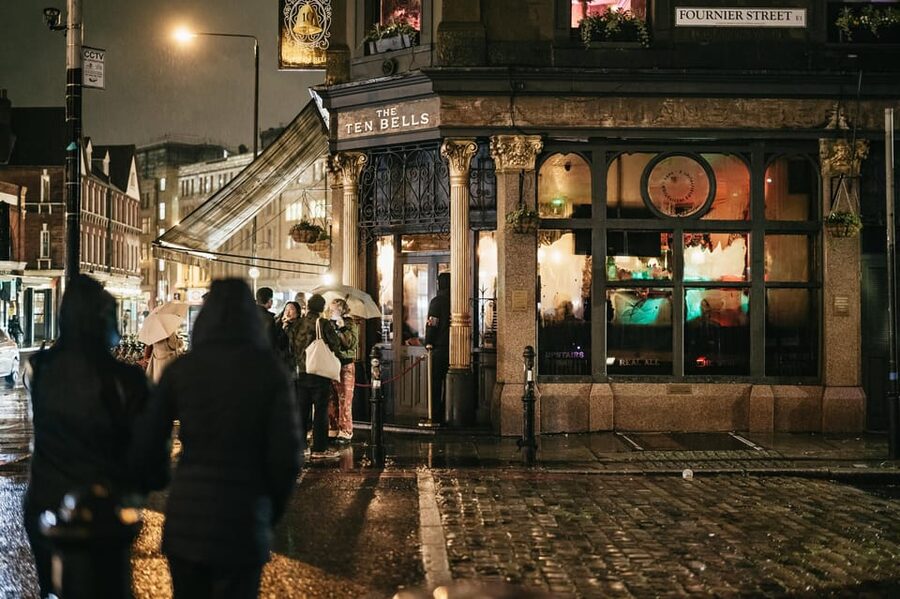
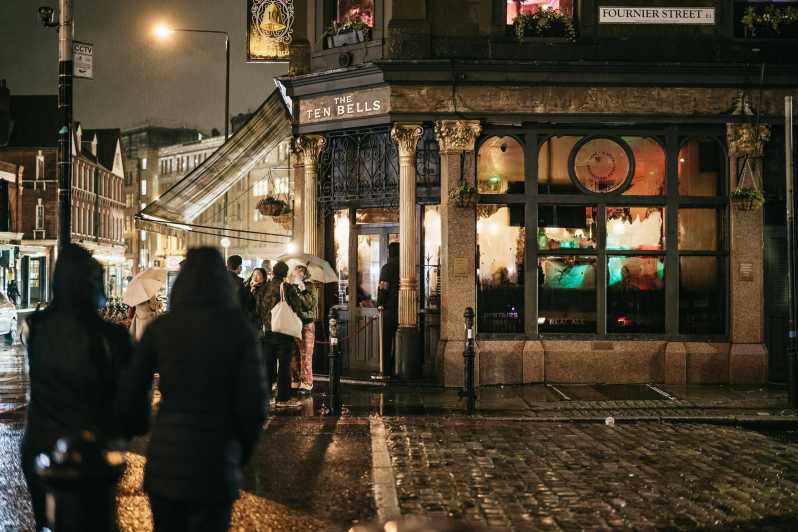
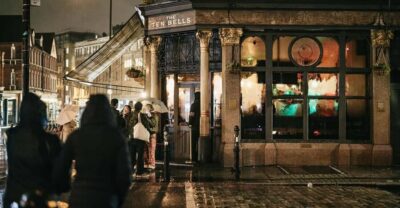
The final destination is the Ten Bells in Spitalfields, a pub closely linked in popular memory with the Jack the Ripper story. The tour ends here, which makes it easy to pause and continue your evening in the neighborhood.
The pub is a finishing point, not a meal or drinks stop included in the ticket. Food and beverages are not part of the experience, so plan separately if you want to eat or have a drink afterward. Ending at the Ten Bells can be convenient, but you should not assume that the tour includes entry, reserved seating, or a pub visit as part of the price.
The route also passes through Whitechapel and by the Ten Bells, so the exact order may feel slightly different from the simple list of stops. Your guide controls the walking sequence and storytelling flow.
The Sherlock Holmes connection
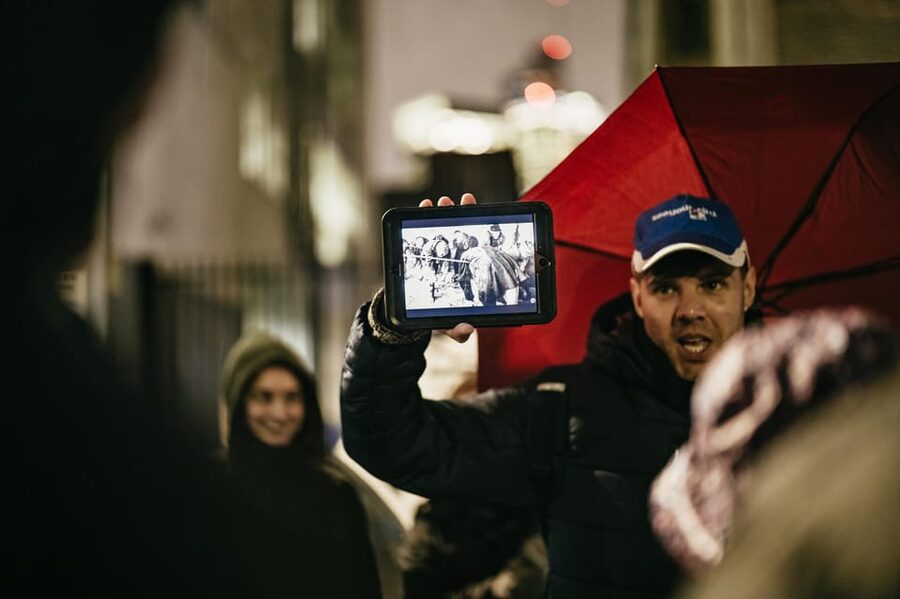
One of the more unusual parts of the experience is the discussion of Sherlock Holmes and Victorian culture. Holmes is fictional, but the character grew out of a period fascinated by crime, deduction, newspapers, police work, and the possibility that careful observation could reveal hidden truth.
That background fits the Jack the Ripper case. Both stories ask how evidence can be read, how suspects are judged, and how a city responds to fear. The tour uses this connection to broaden the subject beyond one murderer and a set of crime scenes.
For you, this means the walk has more range than a standard crime tour. You hear about the case, but also about the culture that helped turn Victorian London into such a powerful setting for detective stories.
Is $24 a good price for two hours?
At $24 per person, I consider this a solid-value London activity if you want a guided walk in the East End. You receive two hours with a live Ripperologist guide, a planned route through several notable locations, historical explanation, photographs, and time to ask questions as the story develops.
The value is strongest if you already plan to visit Whitechapel, Brick Lane, or Spitalfields. A self-guided walk would cost nothing beyond your time, but you would not have the same structure, case theories, or explanation of how the locations connect.
The price does not include food or drinks. That is easy to manage, since the tour ends near Spitalfields and the Ten Bells, but you should include a separate food budget.
Free cancellation up to 24 hours before the start gives you useful flexibility. You can also reserve now and pay later, which helps if your London plans are still shifting.
Who should book this walk?
I would recommend it to adults and older teenagers who enjoy unsolved cases, Victorian London, and city walks with a serious historical side. It is particularly useful for first-time visitors who want an introduction to Whitechapel and Spitalfields without spending half a day in a museum.
The multilingual option is a real advantage. You can take the tour in English, French, Spanish, German, or Italian. Recent guides have included Clara, Klairvy, Christophe, and Sina, and the strongest feedback has centered on engaging narration, careful explanation, and personal enthusiasm for the subject.
You should skip it if you dislike graphic crime stories, expect a fully restored historical setting, or want an indoor activity. The entire experience takes place outside, and London weather can change quickly. Wear suitable clothing and shoes, and remember that public paths may have uneven surfaces.
The tour is wheelchair accessible, with no stairs or major inclines listed. Still, the condition of public paths varies, so people with limited mobility should keep that practical point in mind.
Should you book the Original Jack the Ripper Tour?
Book it if you want a focused two-hour introduction to Whitechapel that combines crime investigation with Victorian social history. The route covers the key East End locations, and the guide’s photographs and suspect theories give the walk more substance than a simple spooky stroll.
I would especially choose it if you are already planning to visit Brick Lane or Spitalfields Market. The tour gives those places added context and leaves you near the Ten Bells when it ends.
Think twice if graphic details will spoil your day, or if you want a lighter London sightseeing walk. For everyone else, $24 is a fair price for a well-organized outdoor experience with several language choices and guides known for strong, engaging storytelling.
FAQ
Where does the Jack the Ripper tour start?
Meet at the west entrance to Altab Ali Park, beside the large iron arch gate on the corner of White Church Lane and Whitechapel High Street.
Which Underground station is closest?
Aldgate East Station is the nearest Underground station to the meeting point.
How will I recognize the guide?
The guide will be holding a blue flag.
Where does the tour finish?
The tour finishes at the Ten Bells in Spitalfields.
How long does the tour last?
The walking tour lasts two hours.
What languages are available?
The tour is offered in English, French, Spanish, German, and Italian.
Is the tour suitable for children?
Participants under 18 must be accompanied by an adult. The tour includes graphic details and visual content, so it may not suit younger children.
Is the tour wheelchair accessible?
Yes, the activity is wheelchair accessible. There are no stairs or many inclines, but public paths may have varying conditions.
Just added around London
- London: “Queen” Highlights Walking Tour★ 4.3 · 48 reviews
- Couple’s photo: Romantic photoshoot in London★ 4.8 · 22 reviews
- London 1- or 2-Hour Professional Photo Shoot★ 4.9 · 6 reviews
- London: Private Tour with Locals – Highlights & Hidden Gems★ 5.0 · 8 reviews
- Luxury Private Tour in London with Lunch★ 5.0 · 7 reviews
- London: Private Black Cab Night Tour with Hotel Pick Up★ 5.0 · 11 reviews
- London: Christmas Lights Tour – With Christmas Music★ 4.8 · 9 reviews
- London: Private Pub Tour★ 4.5 · 4 reviews
Jack the Ripper Tours, compared.

London Jack the Ripper Guided Tour with Ripper-Vision
Read our review →
German Language : Original Jack the Ripper Tour
Read our review →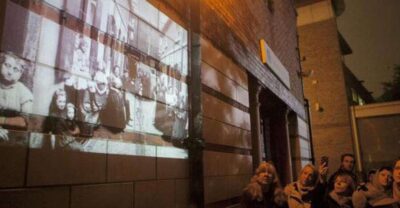
Jack the Ripper Walking Tour – Ripper Vision Tours
Read our review →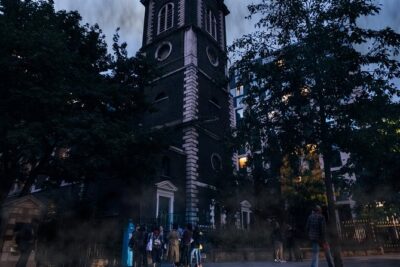
Ultimate Jack the Ripper : Guided Tour of London
Read our review →
Browse the lists this tour appears in