
Reviewed · LONDON
London: Spitfire Cockpit Experience
A real Spitfire cockpit is a tight, wonderfully odd place: a small seat, dense controls, and just enough room to remind you that wartime pilots worked in a machine built for speed, not comfort. At London’s Royal Air Force Museum, you get a private 15-minute session inside the cockpit near the Spitfire Mark XVI in Hangar 3.
I like the one-person format, which gives you time to focus on the controls and photographs without a crowd pressing in. I also like the clear wartime context from the guide, with staff members such as Ashley explaining the aircraft’s role and missions. The main drawback is that the aircraft is displayed indoors, and the access ramp may appear in your photos.
Key points
- A genuine cockpit: Sit inside a real Spitfire cockpit rather than viewing it only from behind a barrier.
- One person at a time: Your session is private, with no additional participants sharing the cockpit visit.
- Guide-led history: Hear about the aircraft’s design, wartime work, and daring missions from an English-speaking guide.
- Photo-friendly visit: You can take photographs inside the cockpit, though the indoor setting and access ramp can affect the images.
- Short but focused: The session lasts 15 minutes, so arrive at least 30 minutes early for check-in.
- Physical access matters: The cockpit is not wheelchair accessible and requires specific physical access.
Sitting Where a Spitfire Pilot Sat
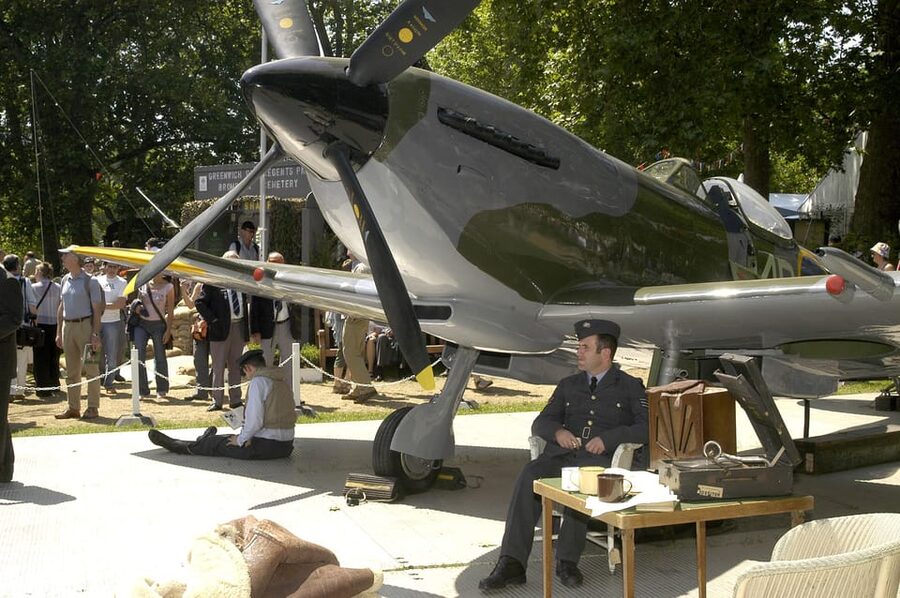
The most valuable part of this experience is simple: you get into the cockpit of an actual Spitfire. Many aircraft displays ask you to admire the machine from a respectful distance. Here, you are close enough to see the cramped working space and appreciate how much a pilot had to manage by hand.
That difference matters. A Spitfire can look graceful from the outside, but the cockpit gives you a more practical view of the aircraft. The controls, fittings, and limited room make the machine feel less like a polished museum object and more like a demanding workplace.
Your guide begins with an explanation of the Spitfire’s part in the Second World War. You hear about its technical design and the missions flown in it before entering the cockpit. The information is meant to give the aircraft a human and military context, not just a list of specifications.
The session is conducted in English. Ashley has led at least some visits, and the feedback about his clear explanations and friendly manner is especially encouraging. The museum staff prepare you before the session, so you are not simply left to climb in and guess what you are looking at.
Other London outings people book alongside this one:
- From London: Harry Potter Warner Bros Studio Tour
★ 4.7 · 26,588 reviews - London: Westminster to Greenwich River Thames Cruise
★ 4.5 · 22,836 reviews - Magical London: Harry Potter Guided Walking Tour
★ 4.7 · 22,044 reviews
What Happens in the 15-Minute Session
The visit takes place in Hangar 3, near the Spitfire Mark XVI. You should first go to the Admissions Desk and arrive at least 30 minutes before your booked time. That early arrival is important because the cockpit session itself is short, and a late arrival can mean missing part or all of it.
Once you are ready, the guide introduces the aircraft and explains what you are about to see. This opening helps you notice details that might otherwise pass quickly, especially if you are more interested in taking photographs than listening.
You then get guided access to the cockpit. The experience is designed for one person, which is a real advantage in such a confined space. You do not have to wait while another participant takes a turn, and you can give your full attention to the controls and the guide.
The exact amount of time spent in each part may vary, but the overall session lasts 15 minutes. That is long enough for a focused introduction and photographs, but not long enough for a lengthy aircraft lesson. If you want a relaxed, technical workshop, this will feel brief. If you want a concentrated chance to sit in the cockpit, the timing works well.
The Spitfire’s Wartime Story
The guide’s talk covers the aircraft’s role in the war, its technical qualities, and the daring missions it undertook. Those points give you a useful frame for the cockpit visit.
The Spitfire is often treated as a symbol, but this session brings the attention back to the people who used it. A pilot facing a wall of controls in a narrow space needed training, speed, and confidence. Sitting in the cockpit helps you understand the physical demands behind the aircraft’s famous image.
You should not expect a full lecture on every version of the Spitfire. The session is short and personal. Its strength is the connection between a few clear explanations and direct access to the aircraft.
If you already know a lot about military aviation, you may find the talk introductory. That is not necessarily a weakness. The format is better suited to giving a first-time visitor useful context before the photo opportunity than to offering specialist research material.
Taking Photos Inside the Cockpit
Photography is a central part of the appeal. You can take pictures from inside the cockpit, giving you a personal record that a standard museum visit cannot provide.
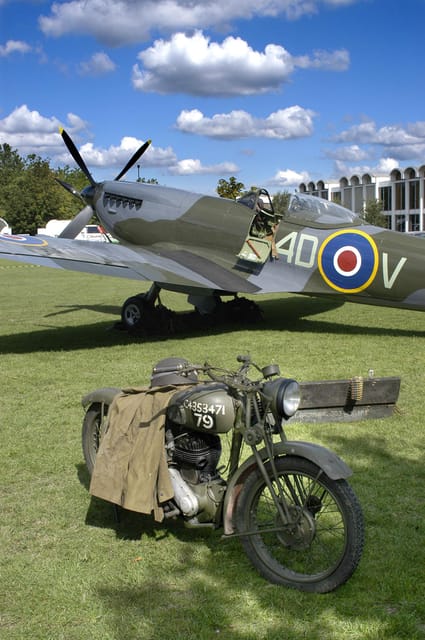
The practical catch is the setting. The Spitfire is in an indoor hangar rather than outside, and an access ramp can appear in the frame. Promotional images may give you a different impression, so you should expect museum-style surroundings rather than a clean outdoor aircraft portrait.
The ramp is not just a photographic nuisance. It is part of the equipment that allows people to reach the cockpit safely. Still, it can block part of the aircraft or make some angles less attractive.
You will get better results if you treat the photographs as a record of the experience rather than expecting a polished aviation poster. Close shots of the controls, your position in the seat, and details around the cockpit may work better than trying to capture the entire aircraft.
Because the session is private, you can concentrate on your own pictures. You will not need to share the cockpit with another paying participant, and the guide can help keep the visit moving within the short time available.
A different sort of day out in London altogether:
- London: Madame Tussauds London
★ 4.6 · 20,915 reviews - Stonehenge, Windsor Castle, and Bath from London
★ 4.5 · 18,662 reviews - London: Warner Bros. Studio Tour with Transfers
★ 4.7 · 17,586 reviews - London: Tower Bridge Entry Ticket
★ 4.7 · 15,560 reviews
Why the One-Person Format Helps
A private group sounds grand for a 15-minute activity, but here it has a practical purpose. A Spitfire cockpit is small. Adding several people would make the visit crowded and reduce the time each person could spend inside.
The one-person arrangement means the session is built around you. You can listen, look closely, and take photographs without competing for space. It also makes the experience feel more personal than a standard aircraft display.
This format works particularly well for someone who has come a long way for the opportunity. One Japanese visitor described the chance to sit in the actual cockpit as worth the journey from Japan, even while noting the indoor setting and ramp in the photographs. That is a useful way to judge the experience: the cockpit access is the main event, while the visual presentation has a few limits.
It is less suitable if you hoped to bring a companion into the same session. Additional participants are not included in the cockpit visit. Your friend or family member may be able to enjoy the wider museum separately, but the supplied details do not promise a shared cockpit turn.
Price and Overall Value at $33
At $33 per person, this is not an all-day tour. You are paying for 15 minutes of guided access to a genuine cockpit, not for transportation, a long museum tour, or a full aviation course.
I think the price makes sense if sitting inside a real Spitfire is the reason you are visiting. The private format, guide-led introduction, and chance to take photographs give the short session more value than a quick look at the aircraft from the floor.
The value is weaker if you mainly want general RAF history. In that case, your money is buying a very specific access experience, and the short duration may feel limiting. You should choose it because of the cockpit, not because you expect a broad tour of the entire museum.
Transportation to the RAF Museum is not included, so you need to arrange your own way to the London site at NW9 5LL. The experience takes place in Hangar 3 near the Spitfire Mark XVI. Build in extra time for arrival, since you are asked to check in at the Admissions Desk 30 minutes early.
The booking terms are fairly flexible. You can cancel up to 24 hours before the session for a full refund, and a reserve-now, pay-later option is available. Missed bookings and late arrivals are not refundable, which makes the early check-in advice worth taking seriously.
Physical Access and What to Expect
The cockpit has specific physical access requirements and is not wheelchair accessible. The experience is not suitable for wheelchair users.
You should consider the access arrangement before booking, rather than treating it as a minor detail. Getting into a fighter cockpit means negotiating a confined area, and the supplied information does not give a complete list of physical requirements. If you are unsure, contact the Royal Air Force Museum before paying.
Smoking is not allowed. The session is conducted in English with a live guide, so you should be comfortable following spoken English during the short introduction and cockpit visit.
The museum staff prepare you before the activity. That suggests a structured visit rather than an informal chance to climb into the aircraft on your own. Listen to the instructions, especially around movement and photography, because the cockpit is an original aircraft space with limited room.
Who Will Get the Most From It
This is a strong pick for aviation enthusiasts, military-history fans, and anyone who wants a personal connection to wartime history. It also suits a parent and child interested in aircraft, though the access requirements and one-person format mean you should check the practical details carefully before booking for a young participant.
Photographers will appreciate the chance to work inside the cockpit, but should keep expectations realistic about the indoor hangar and access ramp. The best photographs may be close and personal rather than wide, dramatic shots.
The activity also suits museum visitors who prefer one memorable object over a long guided program. You do not need to commit to a full day of structured touring. The session gives you a short, focused encounter with one of the museum’s most important aircraft.
I would be more cautious if you dislike confined spaces, need step-free access, or want to share the experience with a group. The activity’s strongest feature, its private cockpit access, also creates its main limits.
A Short Visit With a Lasting Impression
Fifteen minutes passes quickly, but the memory comes from the setting rather than the clock. You are not just looking at a Spitfire’s outer shape. You are sitting among the controls and seeing the aircraft from the pilot’s position.
The guide’s explanations help turn that access into something more meaningful. Without the wartime context, the cockpit could become a quick photo stop. With the story of the aircraft’s missions and design, the controls have a clearer purpose.
The visit is not perfect. The indoor hangar may disappoint anyone expecting the outdoor appearance shown in sample images, and the ramp can intrude into photographs. The session is also too short for anyone seeking a detailed technical course.
Still, the central experience is hard to duplicate. You get a private, guided chance to enter a real Spitfire cockpit at a manageable price. For the right visitor, that is enough.
Should You Book the Spitfire Cockpit Experience?
Book it if you want the specific thrill of sitting in a genuine Spitfire cockpit, taking personal photographs, and hearing a clear introduction from an English-speaking guide. The private format is a major plus, and the friendly, well-informed staff add useful context to the short visit.
Skip it if you need wheelchair access, want a long guided tour, or expect an outdoor aircraft setting free of ramps and museum equipment. At $33, the experience offers good value for a focused cockpit encounter, but only if that narrow purpose matches what you want.
Arrive early, allow time to find Hangar 3, and treat the photographs as souvenirs of an unusual access opportunity rather than studio-quality aircraft portraits. If that sounds worthwhile, this is one of London’s more personal ways to connect with wartime aviation.
FAQ
Where does the Spitfire Cockpit Experience take place?
The session takes place at the Royal Air Force Museum in London, in Hangar 3 near the Spitfire Mark XVI. The meeting location is NW9 5LL.
How long does the experience last?
The guided cockpit session lasts 15 minutes. You should arrive at least 30 minutes early to check in at the Admissions Desk and prepare.
Is the cockpit visit private?
Yes. Each session is designed for one person, and additional participants are not included in the same session.
Can I take photographs inside the cockpit?
Yes. Photo opportunities inside the cockpit are included. The aircraft is indoors, and an access ramp may appear in some photographs.
Is the experience wheelchair accessible?
No. The cockpit has specific physical access requirements and is not wheelchair accessible.
What language is the tour conducted in?
The live guided session is conducted in English.
Just added around London
- London: Sightseeing Tour – in clear, slow English★ 5.0 · 30 reviews
- London Soho District – Guided Walking Tour 12 guests 2,5h★ 4.8 · 3 reviews
- London: Winston Churchill Walking Tour with War Rooms Ticket★ 5.0 · 5 reviews
- London: Gin and Afternoon Tea Bus Tour with Audio Guide★ 4.8 · 11 reviews
- London: Slow Horses TV Series Guided Tour★ 5.0 · 13 reviews
- London : Shoreditch Street Art Walking Tour★ 3.3 · 4 reviews
- London: Small Group Cotswolds Trip with Bourton-on-the-Water★ 4.4 · 164 reviews
- London: Self-Guided History City Tour with an App★ 4.3 · 21 reviews