
Reviewed · JACK THE RIPPER TOURS
Jack the Ripper and Victorian London: Beyond the Shadows
The most worthwhile part of Jack the Ripper and Victorian London: Beyond the Shadows is that it does not treat the murders as a cheap horror show. You follow the known evidence through Whitechapel and Spitalfields, but you also learn about the women involved, the harsh conditions they faced, and the myths that grew around the case.
I like two things in particular: Nick’s lively, theatrical way of telling the story, and the steady effort to separate fact from guesswork. The route also gives you a useful look at East London today, with stops at Brick Lane, Spitalfields Market, and the Ten Bells Pub. The main drawback is simple: it is a 140-minute walking tour on city streets, so poor weather and tired feet can affect your enjoyment.
Key points to know before you book
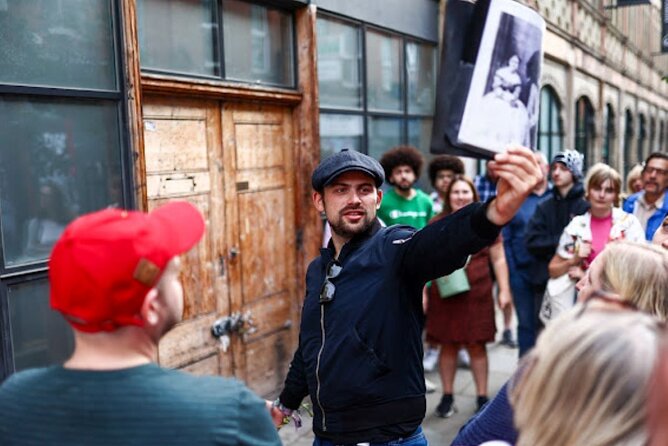
- Nick leads with humor and drama: His background in musical theatre helps turn a difficult subject into a clear, engaging performance.
- The victims receive proper attention: The tour looks beyond famous crime details to the women, their lives, and the misunderstandings surrounding them.
- The route covers key East End locations: You walk through Brick Lane, Hanbury Street, Goulston Street, Mitre Square, and Spitalfields.
- You get historical context, not just murder facts: Poverty, class, policing, culture, and Victorian social rules all form part of the story.
- The tour costs $24 per person: For 140 minutes with a live English-speaking guide, that is a fair price if you want a serious walking tour rather than a quick ghost story.
- It suits curious older children and adults: The subject is grim, but the presentation is thoughtful and not built around needless gore.
A Jack the Ripper tour with more to say than the name suggests
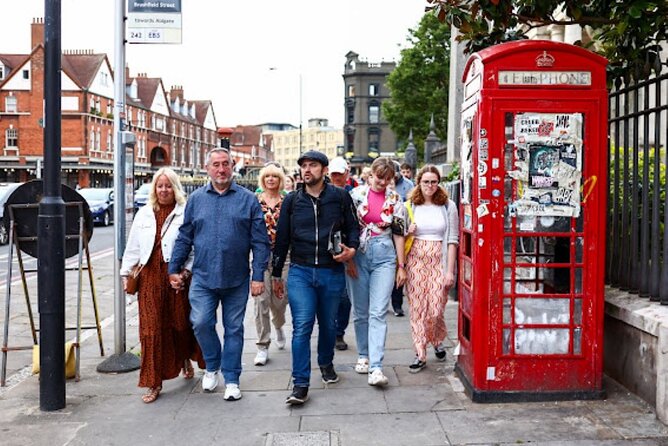
Jack the Ripper is a powerful hook. It is also a subject that can quickly become repetitive, sensational, or careless. This tour takes a better route. It uses the crimes to open a window onto Victorian East London, then asks you to look at the people and systems behind the newspaper headlines.
That change in emphasis matters. You will still hear about the murders, the investigation, the locations, and the theories. But the focus is not simply on guessing the killer’s identity. You also consider what daily life was like for working-class women, how newspapers shaped public fear, and how later retellings turned real people into stock characters.
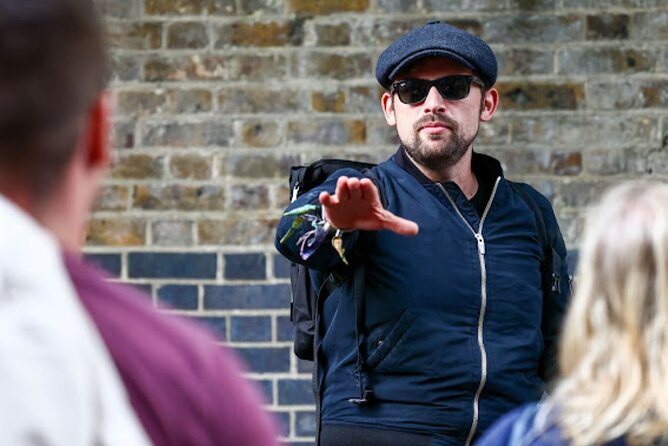
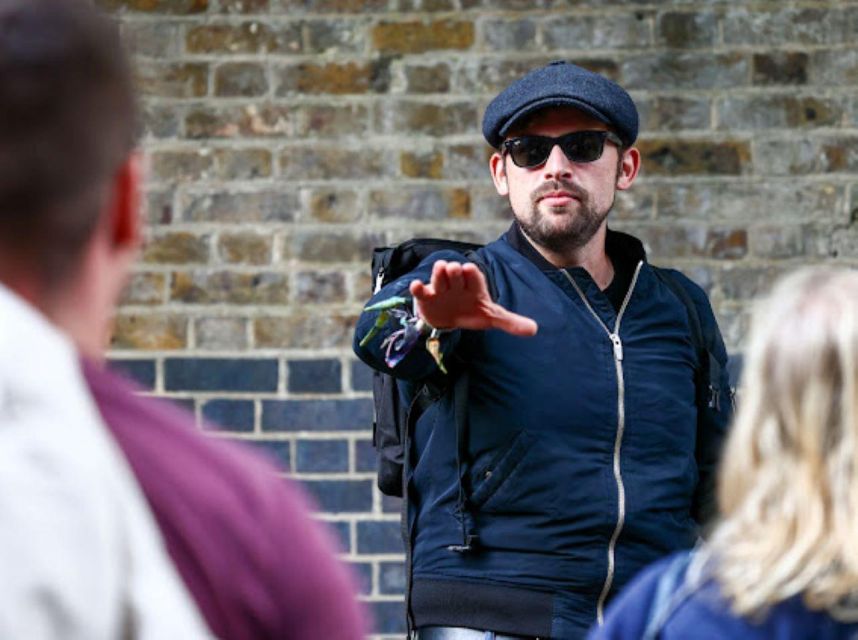
Nick’s style is central to the experience. He is described as funny, direct, and highly informed, with an acting background that gives his storytelling a strong sense of timing. He can make a serious point, answer questions, and add humor without turning the victims into entertainment.
I would choose this tour if you want a guide who encourages you to think. It is less suitable if your only goal is a graphic scare session or a rapid list of suspects.
More Jack the Ripper Tours:
- London: The Original Jack the Ripper Walking Tour
★ 4.7 · 7,833 reviews - London Jack the Ripper Guided Tour with Ripper-Vision
★ 4.5 · 4,840 reviews - London: Jack the Ripper Small Group Tour
★ 4.7 · 3,159 reviews
Starting at Braham Street
The walk begins at Braham Street, placing you near the East End streets that frame the story. Your guide uses the opening part of the route to establish the setting and explain what Victorian London was like before moving into the individual locations.
This early context helps. Without it, the crimes can seem like isolated events in spooky alleyways. With it, you begin to see a crowded district shaped by poverty, immigration, work, religion, policing, and sharp differences in wealth.
The tour also examines the language used to describe the women involved. Their lives were often reduced to labels in newspapers and later popular culture. A good guide has to bring back their humanity without pretending that every detail is known, and that is one of the stated aims here.
Brick Lane: a living street with a Victorian past
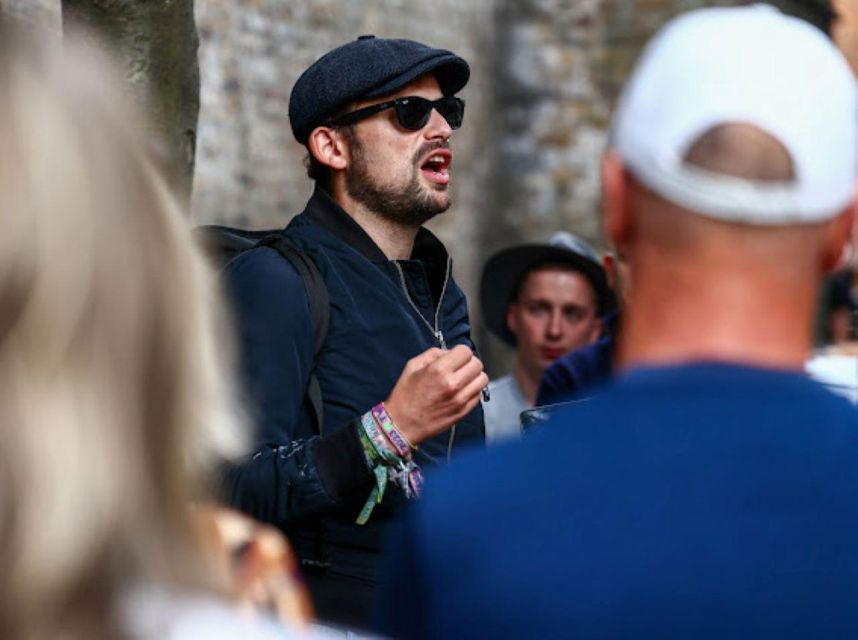
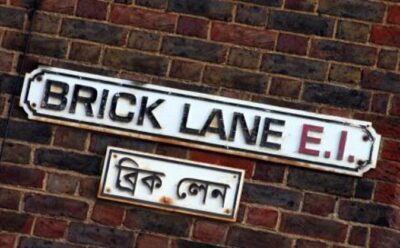
Brick Lane is one of the most recognizable parts of modern East London. Today, it is known for food, markets, street art, and changing neighborhoods. On this tour, it becomes a useful bridge between the past and present.
The guide connects the street to the social world of Victorian Whitechapel. You can expect discussion of the district’s working people, its cramped housing, and the cultural forces that made the East End different from the wealthy parts of London.
This stop is especially helpful for visitors who know the Ripper story but have little sense of the area itself. The modern street does not look like a crime scene frozen in time, and that is worth remembering. You are walking through a living part of London, not a museum set.
Brick Lane can also be busy, so stay close to the guide and expect some city noise. The route is designed for walking and storytelling, not for long periods of quiet reflection.
Hanbury Street and the human cost of the case
Hanbury Street brings the tour closer to the personal stories at the center of the subject. Here, the emphasis is not simply on what happened, but on who the women were and how little control they had over the way their lives were later described.
That human focus is one of the strongest reasons to book. Many crime tours linger over clues and gruesome details while giving the victims only a name. This experience aims to correct that imbalance by looking at their circumstances and the misconceptions attached to them.
You should expect difficult material. The tour deals with murder, poverty, and exploitation, and the subject cannot be made entirely comfortable. Still, the presentation is designed to avoid unnecessary gore. The tone is serious without becoming bleak from start to finish.
A different sort of day out in London altogether:
- From London: Harry Potter Warner Bros Studio Tour
★ 4.7 · 26,588 reviews - London: Westminster to Greenwich River Thames Cruise
★ 4.5 · 22,836 reviews - Magical London: Harry Potter Guided Walking Tour
★ 4.7 · 22,044 reviews - London: Madame Tussauds London
★ 4.6 · 20,915 reviews
Old Spitalfields Market and the East End setting
Old Spitalfields Market is another important stop on the route. Its present-day shops and food stalls give you a lively setting, but the guide uses the area to explain the East End as a place of work, trade, movement, and social pressure.
The contrast between the market today and the world of the late 19th century is useful. You are reminded that London changes quickly, while streets often retain layers of older life beneath the modern surface.
This is also a practical point in the walk. Spitalfields Market provides a clear local landmark and helps you understand where the route is heading. The tour eventually finishes at Spitalfields Market, so the area works both as a historical stop and as a convenient end point for continuing your evening.
Goulston Street and the limits of certainty
At Goulston Street, the tour turns toward evidence and interpretation. The Ripper case is packed with claims, theories, newspaper stories, and later speculation. A thoughtful guide must explain what is documented, what is disputed, and what has been added over time.
Nick’s approach appears to favor that distinction. You are encouraged to question reports instead of accepting every popular theory as fact. That is valuable because the case has been retold so often that fiction and evidence can blur together.
I particularly like this part of the tour’s promise. You are not asked to admire the killer or treat the murders as a puzzle with no human cost. Instead, you consider how information was gathered, reported, and misunderstood in a period when modern forensic methods and communication systems were limited.
The result is more useful than a simple list of suspects. You leave with a better sense of why the case remains uncertain and why some stories became more famous than the available evidence justifies.
Mitre Square and the central crime story
Mitre Square is one of the key locations on the walk. Here, the guide brings together the murder investigation, the setting, and the wider pressures facing the East End.
This is likely to be one of the most atmospheric points of the tour, especially later in the day, but the value comes from the storytelling rather than spooky effects. You are given a clearer picture of how the location fits into the sequence of events and how investigators and newspapers responded.
The guide also places the murder within the city’s social structure. Poverty did not affect everyone in the same way, and women working at the margins of society faced risks that wealthier Londoners could often avoid. That wider explanation keeps the stop from becoming a simple recreation of violence.
Mitre Square is a place where the tour’s tone matters most. Nick’s humor and performance skills can lighten the mood, but the subject still deserves care. The information provided suggests that he knows how to use both without losing sight of the real people involved.
London Fruit & Wool Exchange and a changing city
The London Fruit & Wool Exchange adds another layer to the route. Its name points to commerce and the working life of the district, which helps counter the idea that Victorian Whitechapel was only a place of crime.
The East End was also a place of employment, trade, migration, religion, entertainment, and family life. Those forces shaped the streets just as much as the murders did. A tour that includes this setting gives you a wider view of London’s social contrasts.
I find this important for value. You are paying for more than a crime walk. You are getting a guided explanation of how the neighborhood worked and why its poverty and crowded conditions became part of the public story.
The Ten Bells Pub and the mythology of Whitechapel
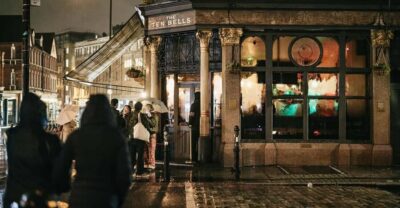
The Ten Bells Pub is listed among the highlights, although the walking route itself identifies Spitalfields Market as the finish. Its place in the Ripper story makes it a natural reference point when discussing the district’s legends and the way later generations connected real locations with the murders.
You should treat the pub as part of the historical setting, not as proof that every popular tale about the case is accurate. This is where the tour’s critical approach becomes useful. A famous building can carry layers of memory, marketing, rumor, and fact at the same time.
The pub also helps show how the Ripper story remains part of modern East London culture. The neighborhood is not stuck in 1888, and a good walking tour should acknowledge the difference between historical evidence and the way a place is presented today.
Nick’s guiding style and what it adds
Nick receives repeated praise for his delivery, humor, and ability to explain complicated material without making it dull. His experience in the musical theatre world is relevant here. You can expect a guide who uses voice, timing, character, and performance to keep the group focused during a long walk.
That does not mean the tour is a stage show. The subject remains historical, and the guide’s main job is to explain it clearly. But theatrical skill can make a major difference in a street tour, where wind, traffic, darkness, and distractions compete for your attention.
His local connection is another useful feature. He has lived in the area with his family for some time, so he can discuss East London as a present-day home as well as a historical setting. He also offers practical London tips, according to the information provided, which may help if you are new to the city.
A striking detail from one booking was a beer tasting stop during heavy rain. That was not presented as a guaranteed part of every tour, so do not book expecting it. It does show a guide willing to adapt and keep the group comfortable when conditions turn unpleasant.
Who will get the most from this $24 tour
At $24 per person, the price is reasonable for a 140-minute guided walk in central London. You are paying for a live English-language guide, a carefully chosen route, and an interpretation of the subject rather than a self-guided audio track.
The value is strongest if you want several experiences in one:
- A true crime story handled with restraint
- An introduction to Victorian social conditions
- A walk through East London landmarks
- A guide who welcomes questions and uses humor
- A chance to examine myths instead of simply repeating them
The price is less attractive if you only want a quick photo stop at famous locations. The route takes more than two hours, and its purpose is explanation. You need to be willing to listen, walk, and think about uncomfortable material.
The tour suits history fans, true crime fans, and first-time visitors curious about Whitechapel. It can also work for families with older teenagers and adults. The subject is not light, but the presentation is not designed to frighten you with graphic detail.
Timing, walking, and practical comfort
The experience lasts 140 minutes, so plan for a substantial period on your feet. Wear comfortable shoes and check the weather before leaving. One participant enjoyed the tour despite heavy rain, but bad weather can still make any London walking tour harder.
The guide speaks English, and the activity is wheelchair accessible. Since the route moves through public streets and market areas, you may still want to confirm that the current route suits your particular mobility needs when booking.
The tour starts at Braham Street and ends at Spitalfields Market. That finish is handy because you are already in an area with food, shops, and transport options, although the supplied information does not specify the exact onward connections.
You can cancel up to 24 hours before the start for a full refund, and you can reserve now while paying later. Those terms are useful if your London plans are still changing.
Should you book Jack the Ripper and Victorian London?
Book it if you want the Ripper story placed in its human and social setting. Nick’s lively delivery, local perspective, and theatrical timing appear to be the tour’s biggest strengths, while the route gives you a useful look at Brick Lane, Spitalfields, Goulston Street, and Mitre Square.
Skip it if you want a purely fictional ghost walk, a very short introduction, or a tour built around graphic scares. This is a serious history walk with jokes, questions, and atmosphere, but its best moments come from understanding the people and the city rather than chasing a shock.
For $24 and nearly two and a half hours, I think it is a strong choice for curious visitors who want more than a famous name. You leave with a clearer picture of Victorian East London, a healthier skepticism about the case, and a reminder that the women at the center of the story deserve more than a footnote.
FAQ
How long does the Jack the Ripper and Victorian London tour last?
The tour lasts 140 minutes, or about two hours and 20 minutes.
How much does the tour cost?
The listed price is $24 per person.
What language is the tour conducted in?
The live guided tour is conducted in English.
Where does the walking tour start and finish?
It starts at Braham Street and finishes at Spitalfields Market.
Which places are included on the route?
The route includes Brick Lane, Hanbury Street, Old Spitalfields Market, Goulston Street, Mitre Square, and the London Fruit & Wool Exchange. The Ten Bells Pub is also highlighted as part of the experience.
Can I cancel or pay later?
You can cancel up to 24 hours in advance for a full refund. You can also reserve your place and pay later.
Just added around London
- London: “Queen” Highlights Walking Tour★ 4.3 · 48 reviews
- Couple’s photo: Romantic photoshoot in London★ 4.8 · 22 reviews
- London: Private Tour with Locals – Highlights & Hidden Gems★ 5.0 · 8 reviews
- Luxury Private Tour in London with Lunch★ 5.0 · 7 reviews
- London 1- or 2-Hour Professional Photo Shoot★ 4.9 · 6 reviews
- London: Private Black Cab Night Tour with Hotel Pick Up★ 5.0 · 11 reviews
- London: Christmas Lights Tour – With Christmas Music★ 4.8 · 9 reviews
- London: Private Pub Tour★ 4.5 · 4 reviews
Jack the Ripper Tours, compared.
London Jack the Ripper Guided Tour with Ripper-Vision
Read our review →
German Language : Original Jack the Ripper Tour
Read our review →
Jack the Ripper Walking Tour – Ripper Vision Tours
Read our review →
Ultimate Jack the Ripper : Guided Tour of London
Read our review →
Browse the lists this tour appears in